Lfp Bess
| Technology type | Lithium Iron Phosphate (LFP) grid-scale battery energy storage system (BESS) |
|---|---|
| Original use | Stationary electrical energy storage for grid services and renewable integration |
| First created | Early 2000s (commercialization) |
| Country of origin | China |
| Cell chemistry | LiFePO₄ (Lithium Iron Phosphate) |
| Key safety trait | High thermal and chemical stability, low fire risk |
| Typical cycle life | 3,000 to 6,000 cycles to 80% capacity retention |
| Operating temperature range | -20°C to 60°C (common range) |
Origin and history
Lithium Iron Phosphate (LFP) battery chemistry was first researched and developed as a potential cathode material in the late 1990s. The foundational work on LiFePO₄ as a cathode was primarily conducted by John B. Goodenough's research group at the University of Texas at Austin, with key contributions from other institutions globally. Commercial development and refinement of the chemistry for practical batteries were significantly advanced by companies and researchers in East Asia, particularly in China, throughout the early 2000s. The technology represented a shift from earlier lithium-ion cathode chemistries like lithium cobalt oxide (LCO), focusing on improved safety and cycle life. Its adoption for large-scale Battery Energy Storage Systems (BESS) began in earnest in the 2010s as renewable energy integration needs grew. The scaling of manufacturing, largely driven by Chinese battery producers, made LFP a cost-competitive and mainstream choice for stationary storage projects worldwide by the 2020s.
What it is for
LFP BESS technology is primarily deployed for stationary electrical energy storage to balance supply and demand on power grids. Its core function is to store excess electrical energy, often from intermittent renewable sources like solar and wind farms, for later discharge during periods of high demand or low generation. This application provides essential grid services such as frequency regulation, voltage support, and peak shaving to enhance grid stability and reliability. It is also used for commercial and industrial backup power, replacing or supplementing diesel generators with a cleaner alternative. Furthermore, LFP BESS units are increasingly installed behind-the-meter for residential and commercial energy consumers to increase self-consumption of solar power and provide resilience during grid outages. The technology's characteristics make it suitable for applications requiring regular, deep cycling over a long operational lifetime rather than maximizing energy density for mobility.
Pros and cons
A primary advantage of LFP chemistry is its exceptional safety profile due to strong phosphate-oxygen bonds, making it far more thermally stable and resistant to thermal runaway compared to nickel-based lithium-ion batteries. It also offers a very long cycle life, typically rated for several thousand full charge-discharge cycles before significant degradation, which translates to a lower cost per cycle over its lifespan. The chemistry uses abundant, low-cost materials like iron and phosphate, avoiding expensive and geopolitically sensitive cobalt and nickel, which contributes to manufacturing cost stability. A significant con is its lower volumetric and gravimetric energy density compared to NMC or NCA batteries, meaning an LFP BESS requires more physical space and weight for the same energy capacity. Its lower operating voltage also means systems require more cells in series for a given voltage, increasing complexity in battery management. A common mistake is underestimating the balance-of-system costs and space requirements for a large-scale installation, as the lower energy density impacts footprint and structural support. Some operators regret choosing LFP for applications where minimizing physical footprint is the absolute highest priority, as alternative chemistries can provide more compact solutions.
Who it suits
This technology suits utility-scale project developers and grid operators who prioritize long-term operational safety, longevity, and total cost of ownership over minimizing the initial physical footprint of the storage installation. It is well-suited for integration with solar photovoltaic plants, where daily cycling for energy time-shift is the primary use case and the battery's cycle life aligns with the solar asset's 20+ year lifespan. Commercial and industrial facilities seeking reliable backup power and demand charge management are also a strong fit, as the safety profile allows for indoor or close-proximity installations with reduced risk. Residential users with home solar systems who value a very safe, long-lasting battery for daily self-consumption and backup, and who have adequate space for installation, will find LFP a prudent choice. It is less suited for applications where extreme energy density is critical, such as in aviation or certain constrained urban grid applications where space is prohibitively expensive. The technology particularly appeals to procurement teams and engineers who must justify investments based on decades of predictable performance and who have a low risk tolerance for fire safety incidents.
Latest Lfp Bess news
Latest reporting
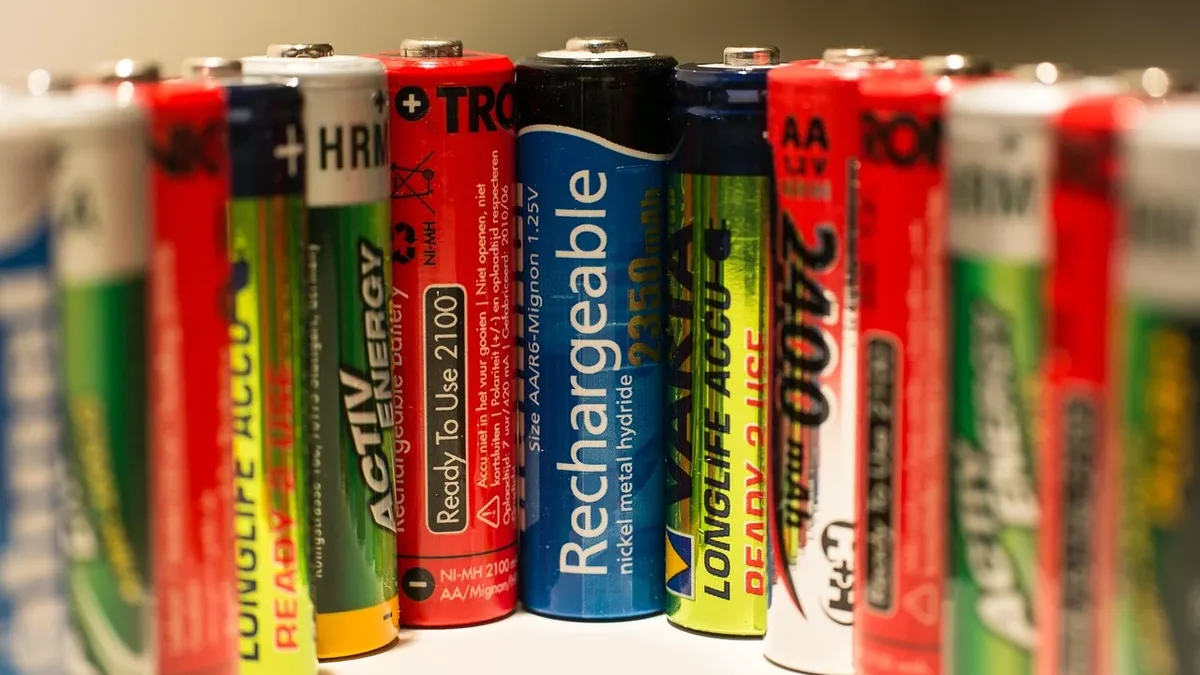
India's BESS capacity faces delays from rising battery costs
A significant portion of India's under-construction battery energy storage capacity is at risk of delays due to rising battery costs.
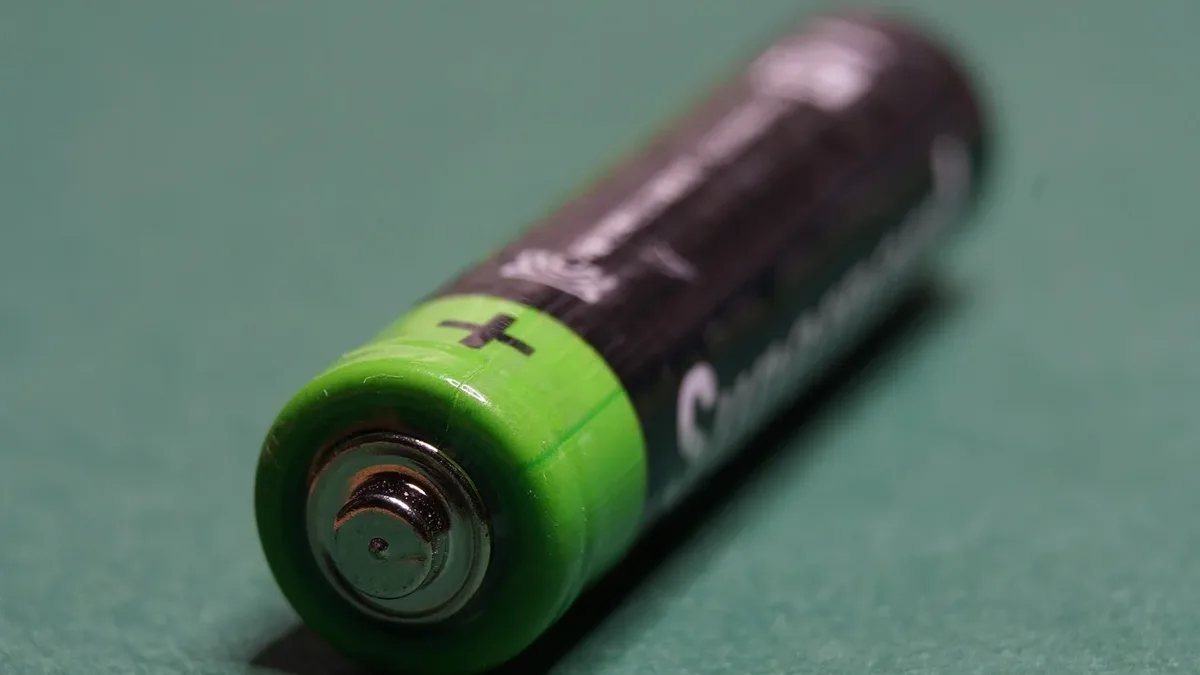
German BESS Market Sticks With LFP as Only Bankable Chemistry
Industry leaders at a Berlin summit state lithium iron phosphate remains the only bankable battery chemistry for energy storage in Germany.
FlexGen, SMT Energy commission 320MWh Texas BESS in six weeks
SMT Energy and FlexGen have commissioned the 160MW/320MWh Houston IV battery storage project. The system was brought online in just six weeks as the...
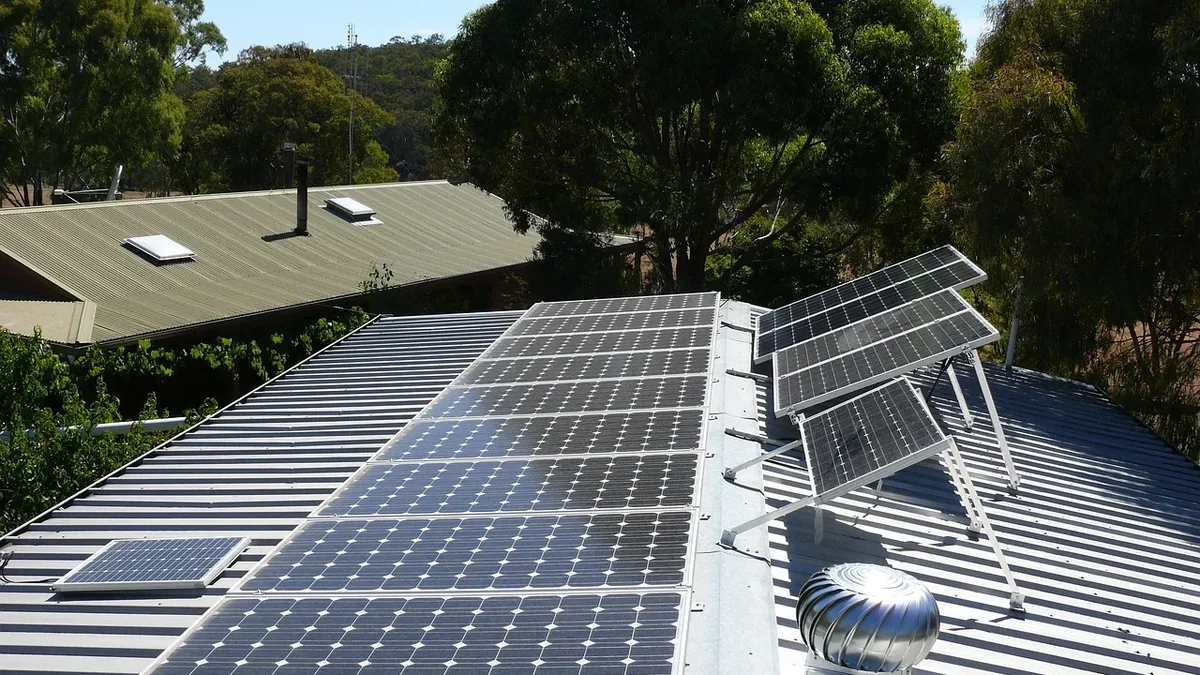
Octopus Australia's 2GWh Blackstone BESS referred for EPBC assessment
Octopus Australia has referred its proposed 500MW/2,000MWh Blackstone battery energy storage system in Queensland for assessment under the EPBC Act.

Inertia service could boost German BESS returns
A new inertia service in Germany, called Momentanreserve, could increase returns for large-scale battery storage projects by 1-2 percentage points.
EU Batteries Regulation's impact on BESS
Three years after its introduction, the EU Batteries Regulation has changed compliance preparation but not yet materially altered BESS deployment...