MIT study finds utility-scale solar lowers electricity prices
MIT a 10% rise in utility-scale solar generation cuts residential power prices by over 8%, while a 5% rise in rooftop solar correlates with a 16% price increase.
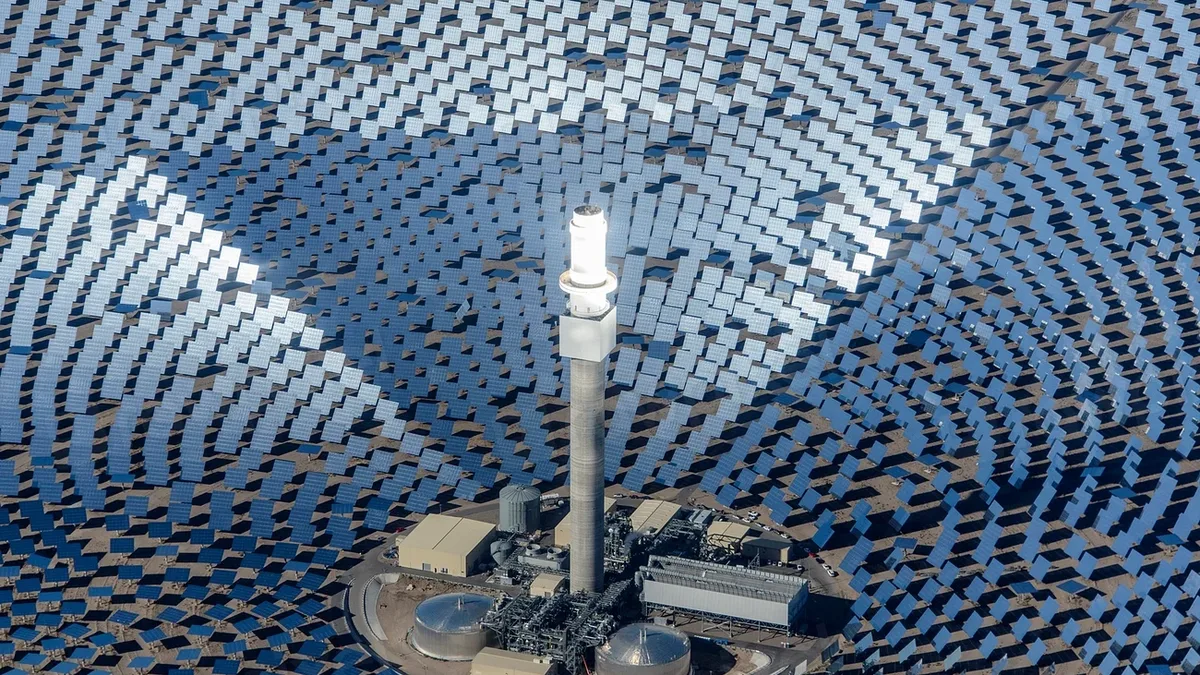
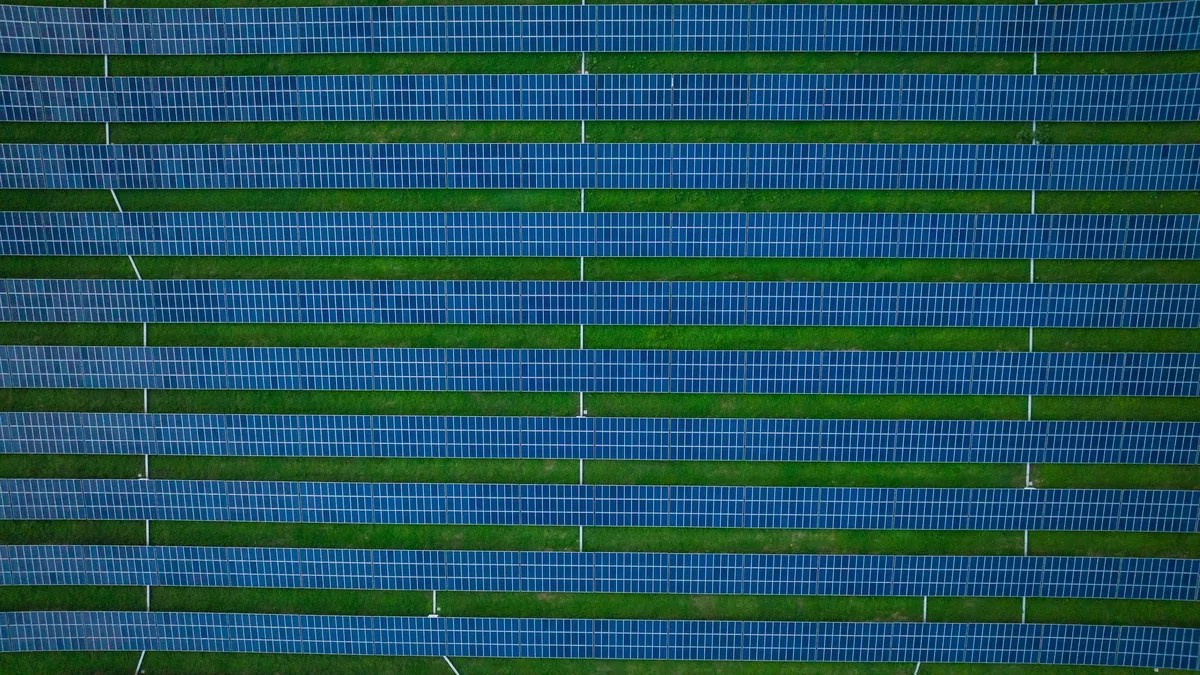
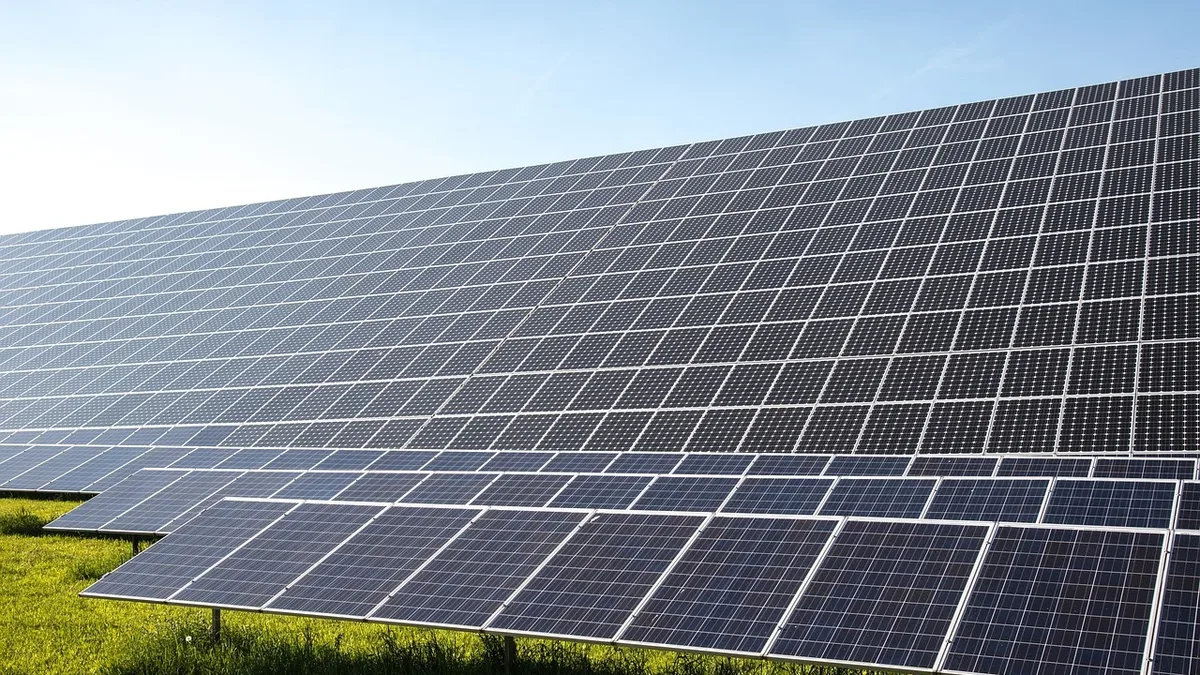
A Massachusetts Institute of Technology study finds utility-scale solar generation is strongly associated with lower residential electricity prices. A 10-percentage-point increase in utility-scale solar’s share of generation is linked to residential prices just over 8% lower.
Renewable portfolio standards and utility-scale renewables are not associated with higher residential electricity prices. A second model, which adjusts for variations among utilities, revealed utility-scale solar is strongly tied to reduced transmission, distribution, and total operation and maintenance costs. The researchers proposed that large solar plants may reduce network congestion and place downward pressure on overall generation costs due to having no fuel inputs. A separate June 2025 study from Lawrence Berkeley National Laboratory led by Ryan Wiser arrived at a comparable conclusion, finding roughly 75% of US utility-scale wind and solar built outside RPS programs had no broadly discernible upward effect on retail prices.
Rooftop solar and cost implications
Rooftop solar shows a correlation with higher residential prices and increased distribution costs. A 5-percentage-point rise in rooftop solar’s share of generation is associated with prices roughly 16% higher. Tariff design may partly explain this result. The researchers observed that current rate structures in some states shift fixed costs associated with rooftop solar from the owners onto other ratepayers. Those without rooftop solar often fund those who do through an additional volumetric rate.
Rooftop solar is also strongly correlated with higher distribution operation and maintenance costs. The researchers attributed this to the distribution network having been built without bidirectional power flows in mind. This finding feeds into a long-running dispute over cost-shifting in California. Solar advocates argue rising transmission and distribution spending is a larger driver of rate increases. Accounts differ on the scale of any cost shift: the California Public Utilities Commission’s Public Advocates Office estimated an $8.5 billion cost shift from rooftop solar customers to other ratepayers, while a 2025 report by M.Cubed Consulting and the California Solar and Storage Association determined instead that rooftop solar produced a $1.5 billion net benefit for all California ratepayers.
Study methodology and context
The conclusions stem from a working paper authored by Fischer J. Espiritu Argosino and Christopher R. Knittel of the MIT Center for Energy and Environmental Policy Research. The researchers detailed their results in a paper titled 'Renewables and Electricity Affordability: Untangling Correlation from Causation,' issued as MIT CEEPR Working Paper 2025-22. The pair constructed a state-utility panel covering 1998 through 2023 that ties together residential rates, the severity of renewable portfolio standards, generation blends and utility expenditures. They applied a two-way fixed effects regression model controlling for unobserved differences across years and between states. The center does not subject working papers to peer review before posting them. The researchers caution that the results are correlations and that further work will apply more rigorous econometric techniques to strengthen causal interpretation.
Broader policy implications
The researchers stated that policymakers can achieve an affordable energy future by enhancing the integration of low-cost renewables while adopting more equitable cost recovery approaches. This means improving how large-scale solar and wind are added to the grid while reforming rate structures to ensure costs are shared fairly among all electricity customers.