Adani Solar
| Generation technology | Solar photovoltaic (PV) |
|---|---|
| Cell technology | Monocrystalline silicon |
| Module power output range | Up to 670 Wp |
| Module efficiency range | Up to 22.3% |
| Project scale | Utility-scale solar power plants |
| Typical project capacity | Hundreds of megawatts (MW) |
| Project development model | Engineering, Procurement, and Construction (EPC) |
Overview
Adani Solar is the photovoltaic manufacturing and project development arm of the Adani Group, an Indian multinational conglomerate. The company operates across the solar power value chain, from the production of solar cells and modules to the engineering, procurement, and construction (EPC) of utility-scale power plants. Its activities are a core component of Adani Green Energy Limited, one of the largest renewable energy companies in India. The firm focuses on both supplying solar panels to the market and deploying them in large-scale projects, often as part of government tenders and private contracts. Its manufacturing facilities are based in India, aligning with national initiatives for domestic production under schemes like the Production Linked Incentive (PLI). The scale of its project development is significant, contributing substantially to India's renewable energy capacity targets.
History
Adani Solar's origins are tied to the broader expansion of the Adani Group into the infrastructure and energy sectors in the early 21st century. The parent company, founded in 1988, began its strategic foray into renewable energy in the 2010s as global and national focus shifted towards sustainable power. The solar manufacturing business was formally established in this decade to capitalize on growing domestic demand and government policy support. Its development accelerated following India's commitment to the Paris Agreement and the establishment of ambitious national solar missions. The company's growth has been marked by the scaling up of manufacturing capacity and the successful bidding for several of the world's largest solar park developments. This history is part of a deliberate vertical integration strategy, allowing the conglomerate to control supply chains for its own massive power projects.
How it works today
Adani Solar today operates integrated manufacturing facilities that produce monocrystalline and polycrystalline silicon solar photovoltaic modules. The manufacturing process involves transforming polysilicon into ingots, which are sliced into wafers, then processed into cells, and finally assembled into laminated panels with protective glass and frames. On the project development side, the company acts as an EPC contractor and operator, handling the entire process of building solar farms. This includes site selection, land acquisition, grid connectivity planning, structural mounting, electrical system installation, and commissioning. The technology commonly deployed in its large-scale projects includes high-wattage bifacial modules and single-axis tracking systems to maximize energy yield. Operations are supported by a centralized monitoring and analytics system to manage the performance of its vast portfolio of solar assets spread across India.
Why it matters
Adani Solar's scale of operations is critical to India's goal of achieving 500 gigawatts of renewable energy capacity by 2030, as it is a major contributor of both equipment and installed power. Its vertical integration model, controlling manufacturing and project deployment, can potentially reduce costs and accelerate project timelines for utility-scale solar in the region. The company's manufacturing push supports India's strategic aim of reducing reliance on imported solar panels, particularly from China, enhancing energy security. The large solar parks it develops, often in arid or low-productivity land areas, convert these spaces into significant sources of clean electricity without competing heavily with agriculture. Its projects provide a stable, long-term power supply to state utilities and corporate consumers, aiding in the decarbonization of the Indian grid. Furthermore, its activities generate substantial employment in manufacturing, construction, and operations, contributing to local economies.
Common misconceptions
A common misconception is that Adani Solar is solely a panel manufacturer; in reality, its primary revenue and impact come from being a large-scale project developer and EPC provider, with manufacturing serving this integrated model. Some assume its growth is purely market-driven, whereas its success is inextricably linked to securing contracts through government tenders and benefiting from national policy frameworks like the PLI scheme. It is also not accurate to view its projects as entirely decentralized or community-based, as they are predominantly massive, centralized solar parks feeding into the main transmission grid. Finally, the company's environmental benefit is sometimes viewed in isolation, without acknowledging the land-use changes and localized ecological impacts that large-scale solar infrastructure can entail.
Latest Adani Solar news
Latest reporting
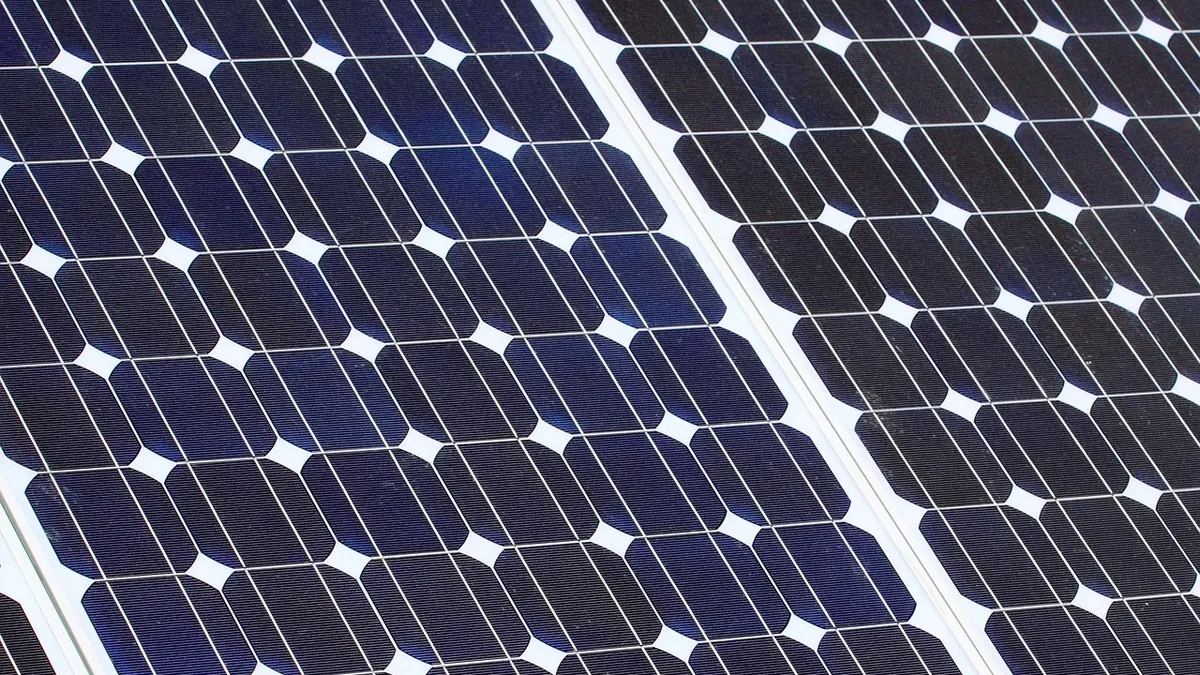
Oswal Pumps to build 1.2 GW TOPCon solar cell facility in Karnal
Oswal Pumps will build a 1.2 GW TOPCon solar cell plant in Karnal, Haryana, to secure domestic supply under ALMM List-II rules.
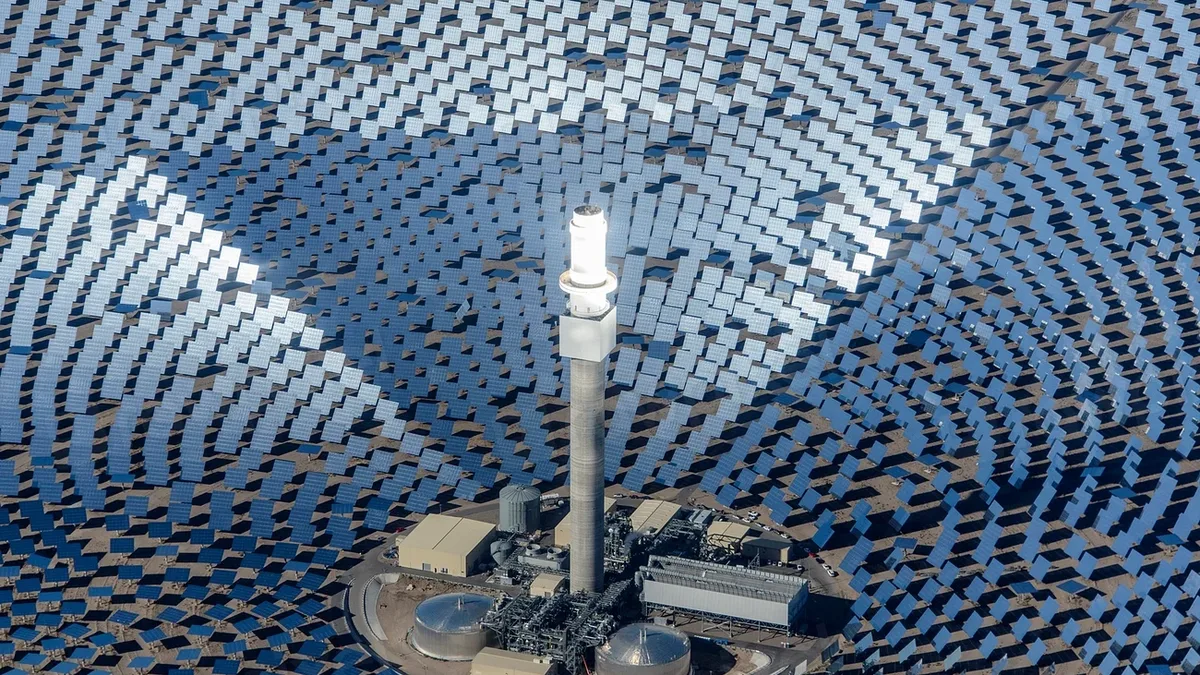
MIT study finds utility-scale solar lowers electricity prices
MIT a 10% rise in utility-scale solar generation cuts residential power prices by over 8%, while a 5% rise in rooftop solar correlates with a 16%...
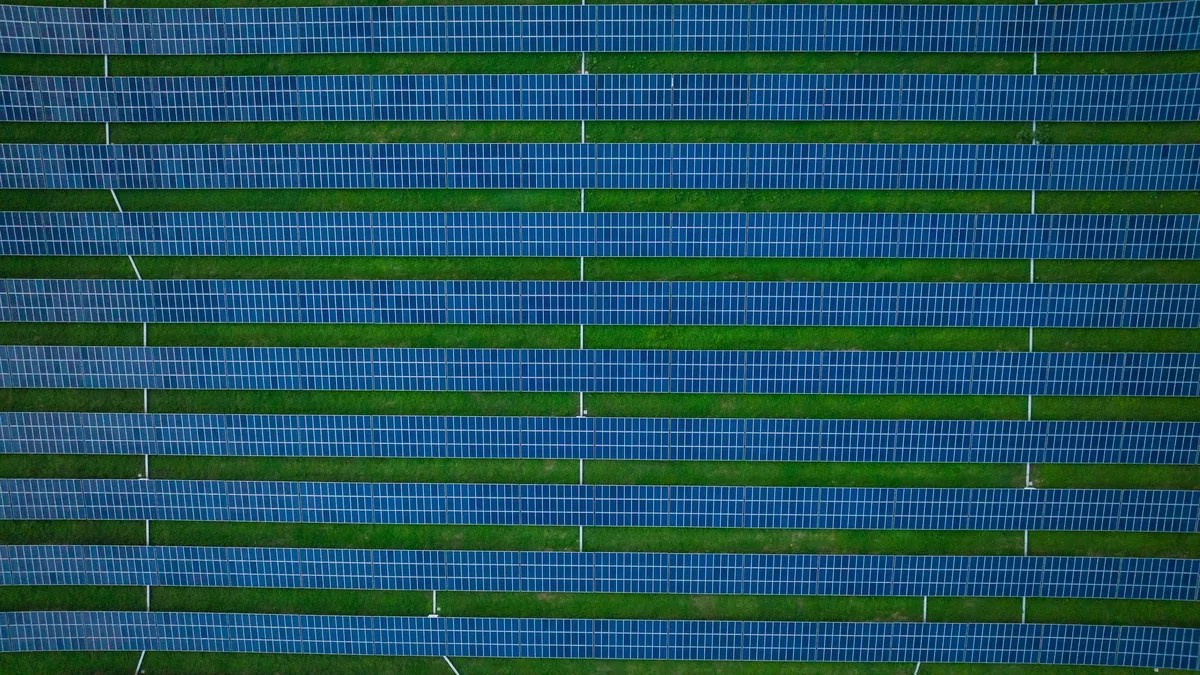
Axian Energy Secures 240MW Kudu Solar PPA in Zambia
Axian Energy has signed a power purchase agreement with Africa GreenCo for a 240MW solar PV plant in Zambia, a key step in the country's accelerating...
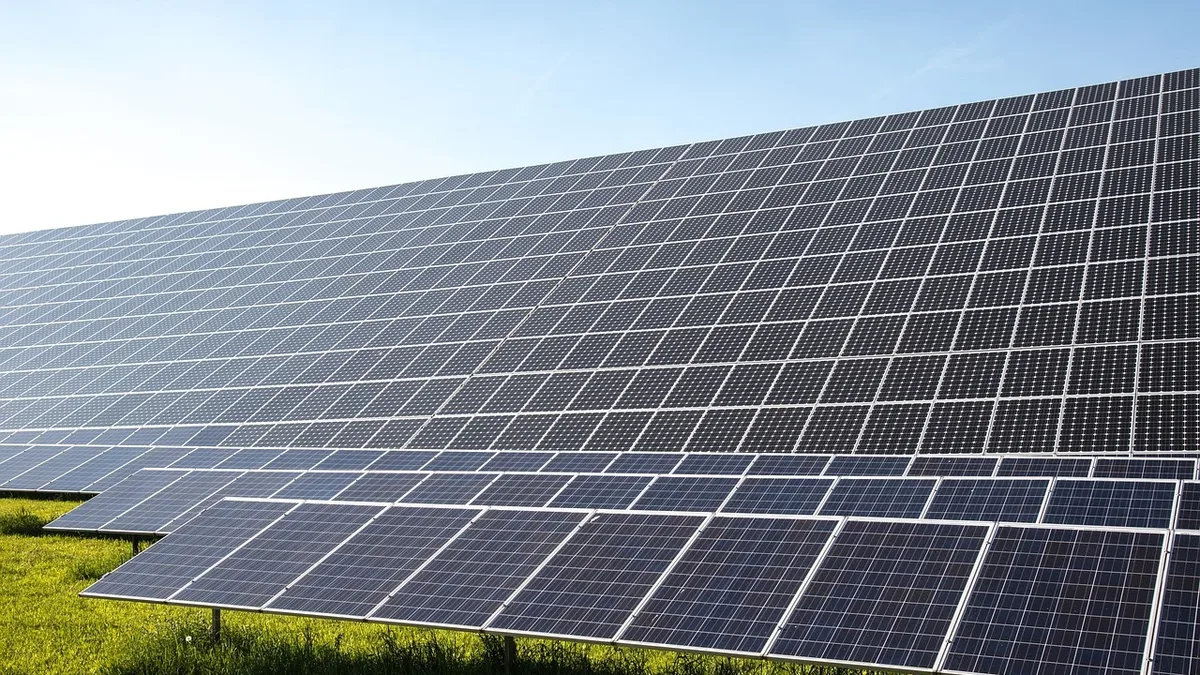
LGI buys two Queensland solar farms for AU$22 million
ASX-listed LGI has agreed to acquire two operational solar PV plants in Queensland with 42MW of export capacity for AU$22 million, lifting its...

UNSW and UtmoLight achieve certified 23.5% efficiency for perovskite submodule
Researchers at UNSW Sydney and UtmoLight have set a new certified efficiency record of 23.5% for a large-area perovskite solar submodule by...
Yindjibarndi Energy Lodges Baru Marnda Renewable Project Application
Yindjibarndi Energy Corporation has submitted a Development Application for the Baru Marnda Renewable Energy Project, a major hybrid wind, solar and...