Agrivoltaics And Dual Land Use
| Technology type | Solar photovoltaic electricity generation combined with agricultural production |
|---|---|
| Primary purpose | Simultaneous electricity generation and crop cultivation or livestock grazing on the same land area |
| Key principle | Strategic spacing and elevation of solar panels to allow sufficient sunlight for plant growth |
| Typical panel mounting | Elevated structures (several meters high) compared to conventional ground-mounted solar |
| Common agricultural compatibility | Shade-tolerant crops, certain vegetables, berries, or pasture for grazing animals |
| Original use | Designed to increase land-use efficiency and potentially improve crop resilience in arid regions |
Origin and history
Agrivoltaics, the simultaneous use of land for agriculture and solar photovoltaic energy generation, has early conceptual roots in the 1980s. The foundational research and first documented pilot projects emerged in Europe and Japan during that decade. In the early 1980s, German physicist Adolf Goetzberger and biologist Armin Zastrow proposed the concept, coining the term "agrophotovoltaics." Concurrently, initial experimental systems were being tested in Japan to combine solar panels with crop cultivation. The practice gained more structured research and commercial traction in the 2000s, particularly in European countries like Germany, France, and Italy. The core principle of dual land use for energy and food has since evolved into a distinct technological and agricultural approach globally.
What it is for
Agrivoltaics is designed to address the competing demands for land between food production and renewable energy infrastructure. Its primary purpose is to increase land-use efficiency by generating solar electricity and cultivating agricultural crops or grazing livestock on the same parcel of land. The technology aims to mitigate land-use conflicts that can arise from large-scale solar farm development, particularly on arable farmland. It serves to provide farmers with an additional, stable revenue stream from energy generation alongside their traditional agricultural income. Furthermore, certain system designs are intended to create a modified microclimate that can benefit crop growth by providing partial shade and reducing water evaporation from soil. The approach is also deployed for the managed grazing of sheep or other livestock under raised solar arrays, integrating animal husbandry with energy production.
Overview
An agrivoltaic system involves the strategic installation of solar panels above or within an agricultural landscape, with the configuration intentionally designed to allow for continued farming activity. The physical infrastructure typically consists of solar panels mounted on elevated structures, often several meters high, to accommodate farm machinery and plant growth underneath. The spacing between panel rows, the height of the mounting structure, and the transparency of the panels themselves are key variables that are adjusted based on the specific agricultural use. Common agricultural applications include the cultivation of shade-tolerant crops, berries, vegetables, or forage, as well as pasture for livestock grazing. The system requires careful interdisciplinary planning involving agronomists, solar engineers, and ecologists to balance light availability for plants with energy yield from the panels. This integration represents a shift from viewing solar installations as single-purpose infrastructure to considering them as part of a multifunctional working landscape.
What to know
The success of an agrivoltaic project heavily depends on the careful selection of compatible crops and appropriate solar array designs; not all crops thrive under partial shade conditions. Common suitable crops include leafy greens, herbs, certain berries, and forage grasses, while staple cereals like wheat or corn often require more full sun and may see reduced yields. The elevated mounting structures represent a significant capital cost increase compared to conventional ground-mounted solar farms, impacting the project's financial model. Local zoning regulations, agricultural land preservation policies, and electrical grid interconnection rules are critical legal and administrative factors that must be navigated. A key technical consideration is the potential for bifacial solar panels, which can capture light reflected from the ground, to be particularly effective in these environments. It is also important to understand that agrivoltaics is a management-intensive practice, requiring ongoing coordination between energy and agricultural operations, which may not suit all farming enterprises.
Common questions
A frequent question is whether the solar panels significantly reduce crop yields, to which the answer is that yields for some shade-tolerant crops can be maintained or even improved, while yields for sun-loving crops typically decrease. People often ask if livestock can damage the solar infrastructure, and while sheep are commonly used for grazing without issue, cattle or goats may require more management to prevent damage to wiring and supports. Many inquire about the economic viability, which hinges on local electricity rates, solar incentives, and the premium value of the agricultural products grown in the system. A common technical question concerns how much light is blocked by the panels, with typical coverage ratios ranging from 20% to 50% of the ground area, depending on the design goals. Farmers regularly ask about the ability to use standard farm machinery underneath the arrays, which is possible only if the mounting structure is designed with sufficient clearance height and row spacing. Another recurring question addresses water use, and research indicates the shaded microclimate can reduce irrigation water requirements for certain crops due to lower soil evaporation.
Pros and cons
A significant advantage is the increased overall land productivity and the creation of a resilient dual income stream for landowners, buffering against poor harvests or volatile energy markets. The partial shading provided by panels can reduce heat and water stress for crops and livestock, potentially lowering irrigation needs and improving animal welfare during hot periods. A clear disadvantage is the high initial capital expenditure for specialized mounting structures, which can be a barrier to adoption without specific grants or favorable financing. A common mistake is selecting incompatible crops or livestock without expert agronomic advice, leading to agricultural failure beneath a functioning solar array. Those who may regret choosing agrivoltaics are farmers who underestimate the ongoing management complexity or who face unexpected maintenance conflicts between harvesting schedules and electrical servicing. The technology can also face regulatory hurdles in regions with strict laws preserving farmland exclusively for food production, potentially blocking project development entirely.
Who it suits
This technology best suits farmers or landowners who are interested in energy diversification and have the capital or access to financing for the higher upfront investment. It is particularly appropriate for operations focusing on high-value, shade-tolerant specialty crops, horticulture, or berry production, where the microclimate benefits can be leveraged. Livestock producers, especially sheep farmers, are well-suited as they can integrate grazing with minimal adjustment to existing practices while providing vegetation management services for the solar site. Agricultural cooperatives or larger farm enterprises often have the scale and administrative capacity to manage the dual operational requirements and negotiate power purchase agreements. The approach also suits regions with high land-use competition, strong solar resources, and supportive policy frameworks that value both renewable energy and local food production. Research institutions and demonstration farms are ideal candidates for pioneering more advanced crop-panel combinations and generating the necessary long-term performance data for wider adoption.
Latest Agrivoltaics And Dual Land Use news
Latest reporting
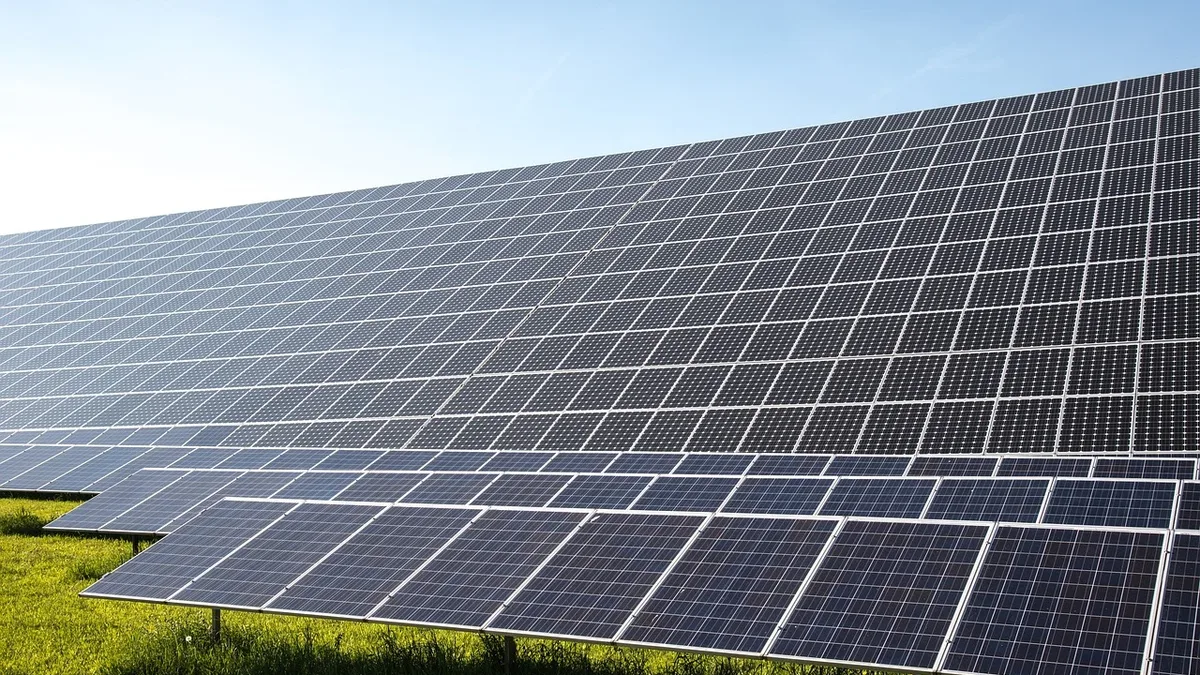
Websol Secures West Bengal Land for 4GW Solar Plant
Websol Energy System has obtained 21.9 hectares in West Bengal's Falta Industrial Park to build a 4GW solar cell and module factory.
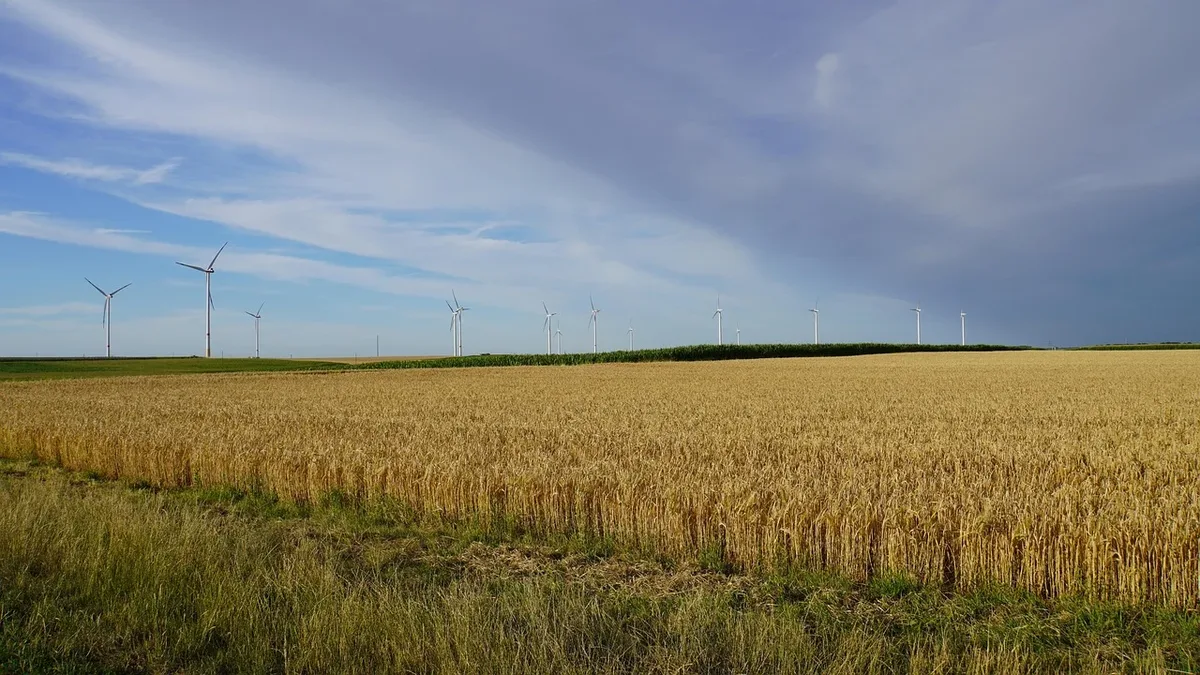
Austrian Agrivoltaics Site Reports 14% Higher Winter Wheat Yield in 2026
EWS, an Austrian agrivoltaics specialist, reports a 14% higher winter wheat yield in 2026 at its Sonnenfeld research site compared to a control area.
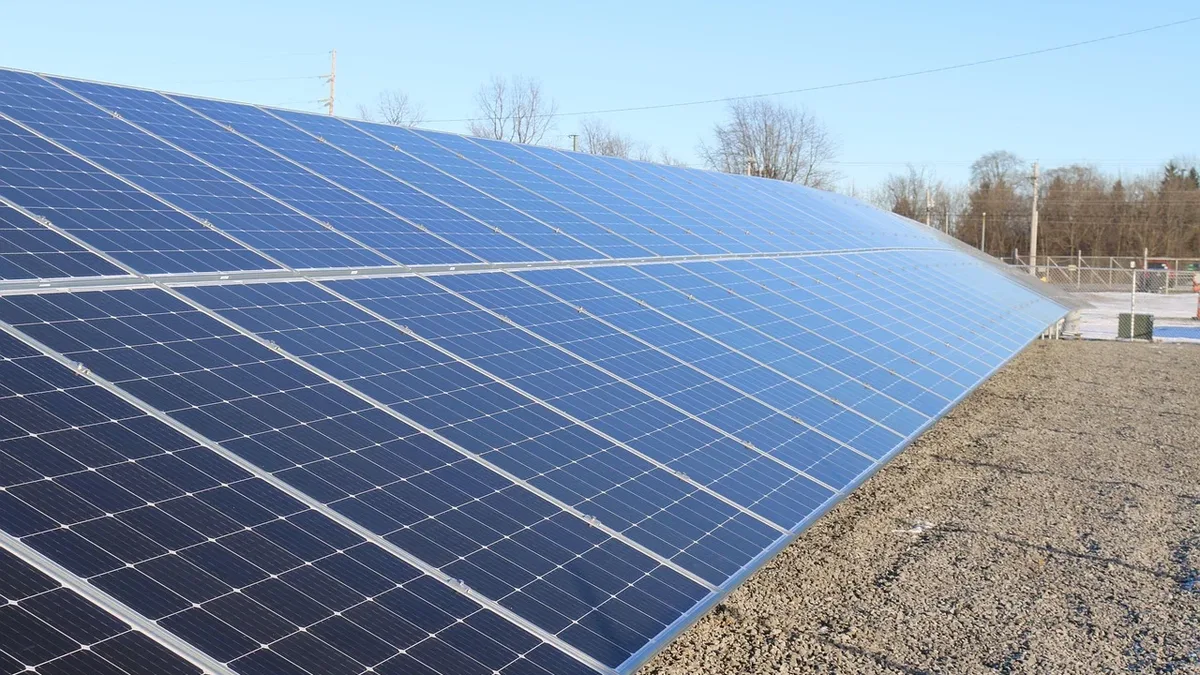
Swiss agrivoltaics stalled at 0.0% of PV
A ZHAW report finds legal barriers and a rooftop focus have left Swiss agrivoltaics with fewer than 100 installations.
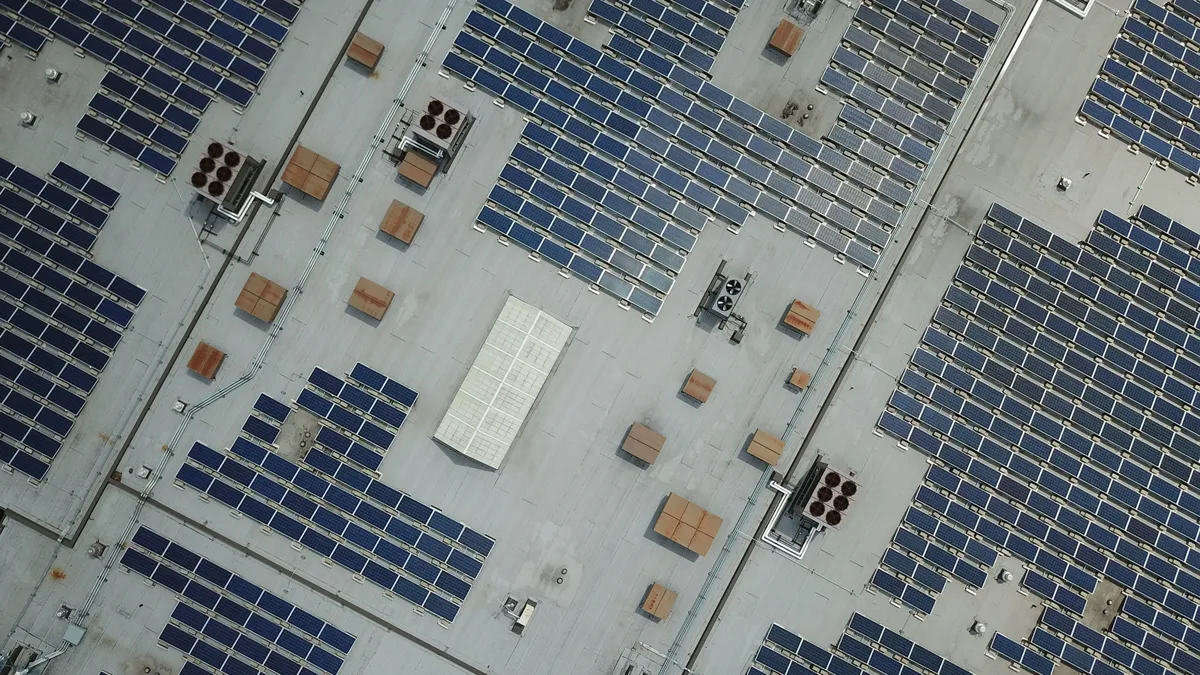
South Korea plans to double 2027 budget for farm solar
South Korea’s Ministry of Agriculture, Food and Rural Affairs has proposed a 2027 budget that increases funding for factory rooftop solar and...
Energy Vault secures land for 1GWh Australian battery
Energy Vault has completed the land acquisition for its 125MW/1,000MWh Stoney Creek battery storage system in New South Wales.
Agrivoltaics Can Reduce Soil Temperatures by More Than 20 C
Researchers are studying the effects of agrivoltaic systems on soil temperatures and crop growth in two pilot projects in Italy.