Revolution Wind faces regulatory remand as power delivery begins
The U.S. Department of Justice has moved to remand the approval for the 704 MW Revolution Wind offshore wind farm back to the Department of the Interior, creating uncertainty for the nearly operational project which began supplying power to New England in March.
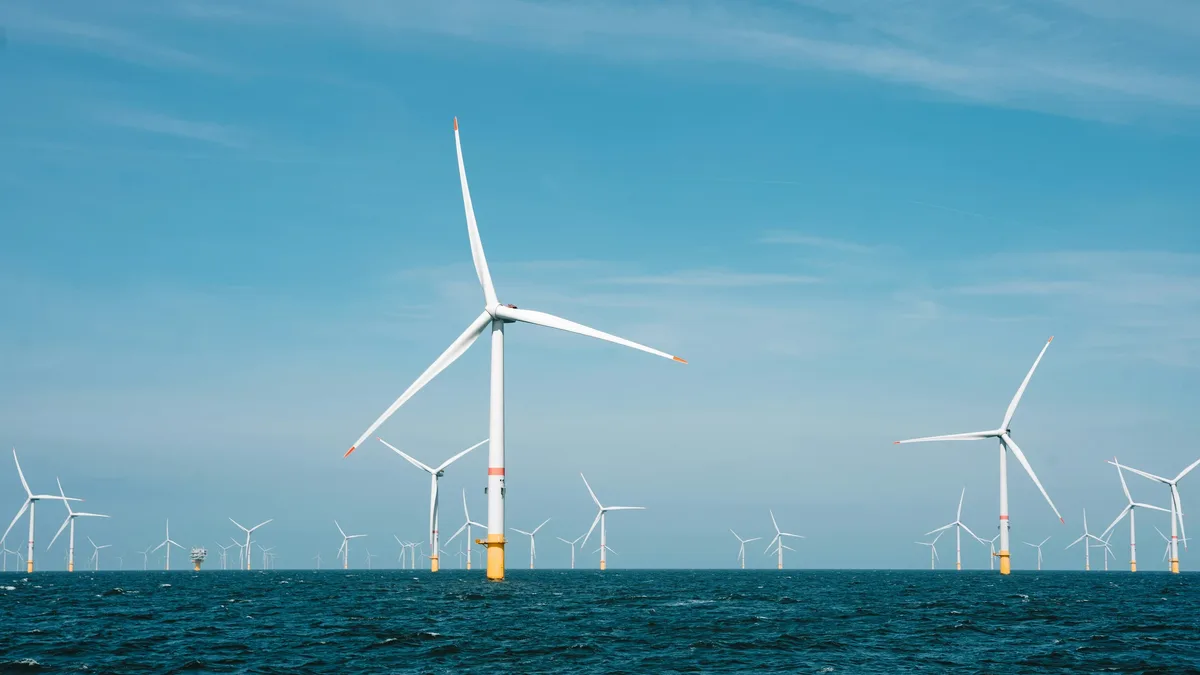
The Revolution Wind offshore wind farm has completed turbine installation and is advancing toward full commercial operation. The final wind turbine at the site was installed in September. This 704 MW project, located off the coast of Rhode Island, began delivering electricity to the New England grid in March 2026. It is set to supply 400 MW to Rhode Island and 304 MW to Connecticut, supported by contracts with utilities in both states. As of the latest reports, 61 of its 65 turbines have been installed. Commissioning activities are underway, with developers stating the project is on track to produce its full output by the end of this year. Revolution Wind is Connecticut’s first offshore wind project.
Regulatory and legal challenges
The Department of the Interior has sought to remand the project's approval, citing compliance reevaluation under the Outer Continental Shelf Lands Act, amid ongoing litigation. The US Department of Justice filed a motion on October 9 in the US District Court for the District of Columbia, seeking summary judgment to send the project’s Construction and Operations Plan back for review. The case was originally brought in 2024 by environmental groups led by Green Oceans, challenging the DOI’s 2023 approval. The DOI agrees remand is warranted to reassess compliance with the Outer Continental Shelf Lands Act and has asked the court to grant summary judgment to Green Oceans on related claims. The lawsuit also challenges permits for the completed South Fork Wind project.
The judge overseeing the case is Royce C. Lamberth. Judge Lamberth has twice sided with the developers in blocking the Trump administration’s efforts to halt work on the project. He has yet to rule on Interior’s latest remand request. A spokesperson for Ørsted, the project’s developer, declined to comment on the filing. The Department of Interior issued a statement saying it is complying with a briefing schedule and that its position has remained consistent.
Historical context and project delays
The project has faced multiple stop-work orders and legal challenges since 2025, including Trump administration actions to halt offshore wind leasing and permitting. In August 2025, when the project was approximately 80% complete, the US government issued a stop-work order. A federal court allowed work to resume the following month. A second stop-work order, citing national security concerns, was issued in December 2025, which was blocked by the court in January 2026.
On the first day of his second term, President Trump issued an executive order withdrawing all areas of the outer continental shelf from further leasing to wind developers and paused permitting on any new wind projects. Since then, several wind developers have reached agreements to relinquish their leases for areas of the U.S. coast in exchange for billions in refunds and promises to develop oil and gas projects instead. Those agreements have prompted lawsuits from several state attorneys general, including Connecticut’s William Tong.
Industry perspective and legislative outlook
The National Ocean Industries Association advocates for predictable regulatory processes and supports bipartisan permitting reform legislation. NOIA President Erik Milito called for Congress to vote on the Bipartisan American Affordability and Jobs Act, stating that predictable regulatory processes and timely decisions are important for offshore energy development of all kinds. He recognized the federal government’s responsibility to review projects but argued that second-guessing approvals that have already gone through a lengthy review is precisely why comprehensive permitting reform is needed. Congress is mulling the bipartisan legislation to speed up permitting for energy infrastructure projects, including offshore wind farms, but a vote is not expected until after the midterm elections.
Project ownership and infrastructure details
Revolution Wind is developed by Ørsted and Skyborn Renewables. Ørsted is a Danish renewable energy company and among the world’s largest offshore wind developers. Onshore assembly for the project takes place at the State Pier in New London. The project is expected to reach full commercial operation at 704 MW soon, pending the outcome of the Department of the Interior's remand request.