German BESS Market Sticks With LFP, Calls Sodium-Ion
Industry leaders at a Berlin summit state lithium iron phosphate remains the only bankable battery chemistry for energy storage in Germany, with sodium-ion
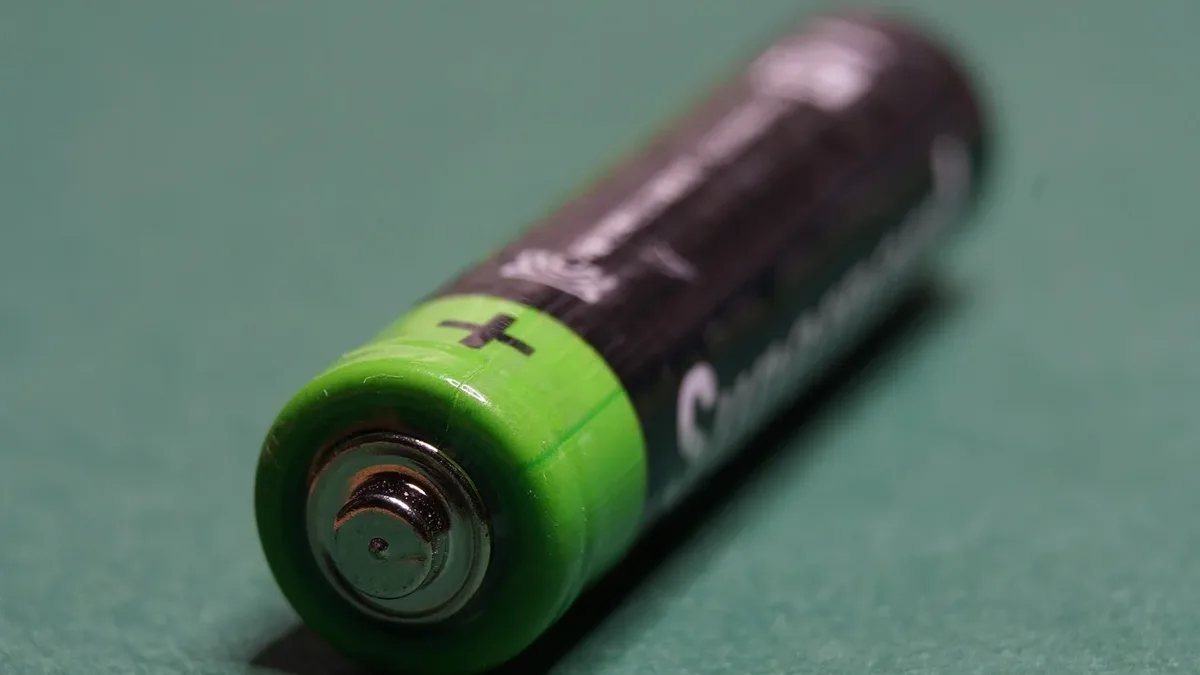
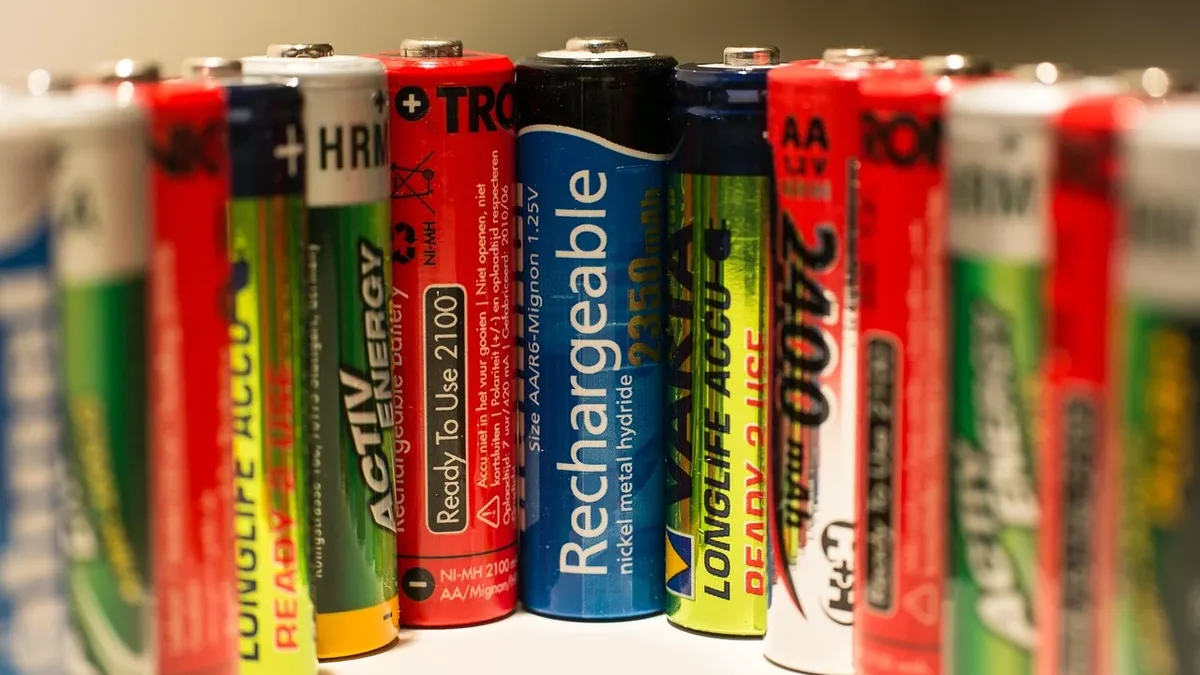
Lithium iron phosphate is the de facto choice for battery energy storage systems in Germany, with sodium-ion technology still far from being considered bankable. This consensus emerged from a panel on technology choices at the Energy Storage Summit Germany 2026 in Berlin.
Battery Chemistry Consensus
When asked if they were considering alternatives to LFP cells, panelists were unanimous. Johanna Bonilla of Jinko ESS Europe stated her firm believes LFP is the technology for Europe in the coming years. Other experts echoed this view, focusing on the current lack of bankability for newer options.
Lars Stephan of Fluence questioned whether developers even want to buy sodium-ion batteries. Fabian Herberg of CIP Terra Technologies called the technology "still very much on the fringe," noting his investors see no need to deviate from the proven LFP standard. Maximilian Hüls of 8Energies confirmed his firm, while less risk-averse than some, is also not yet looking at sodium-ion as it remains unbankable.
Complexities in BESS Selection
While the core battery chemistry choice seems settled, other technology decisions are less straightforward. Fabian Herberg pointed to power conversion systems as one area of complexity. Mandy Schipke of Novum Engineering offered a counterpoint, arguing that choosing a BESS is itself a complex challenge.
Schipke highlighted performance deviations of 15-30% between systems and issues with state-of-charge accuracy. She explained that a battery management system losing 1% accuracy per day might only realize the error after a month. Balancing mechanisms within batteries were also cited as weak, sometimes requiring 30 to 60 hours to correct a mere 1% difference between cells.
Lars Stephan raised the issue of non-technical risk, pointing to the EU ban on Chinese inverters for EU-funded solar and BESS projects. Some believe this restriction may eventually extend to all projects.
Procurement and Emerging Markets
The opening of inertia and grid-forming services as a revenue stream for BESS in Germany is influencing procurement discussions. Fabian Herberg noted that while no suppliers are yet certified for these services, it represents a bright spot in a market with squeezed business plans and comes at no additional cost.
Maximilian Hüls said 8Energies has not factored inertia into its current business cases, as the firm operates mainly at the distribution level. Johanna Bonilla and Lars Stephan both stated their companies can provide grid-forming solutions but are awaiting certification clarity like the rest of the market.
Contracting Strategies in a Developing Market
Mandy Schipke described a 'Wild West' mentality in the German BESS market, where many assume experience in solar projects translates to BESS capability. Contracting approaches vary significantly based on a company's scale and risk tolerance.
Maximilian Hüls said 8Energies, being a recent market entrant, opts for full wrap EPC solutions for caution, despite seeing potential 10% savings from a multi-contracting approach. In contrast, Fabian Herberg said CIP's large-scale projects make margin more significant, leading them to pursue some level of split-scope contracting, partly due to a lack of full turnkey providers for gigawatt-hour projects.
Lars Stephan concluded by highlighting Fluence's work, noting the company is delivering a 1GW/4GWh BESS in Germany for power firm LEAG under a full EPC contract.