India's BESS capacity faces delays from rising battery
A significant portion of India's under-construction battery energy storage capacity is at risk of delays due to rising battery costs and limited developer
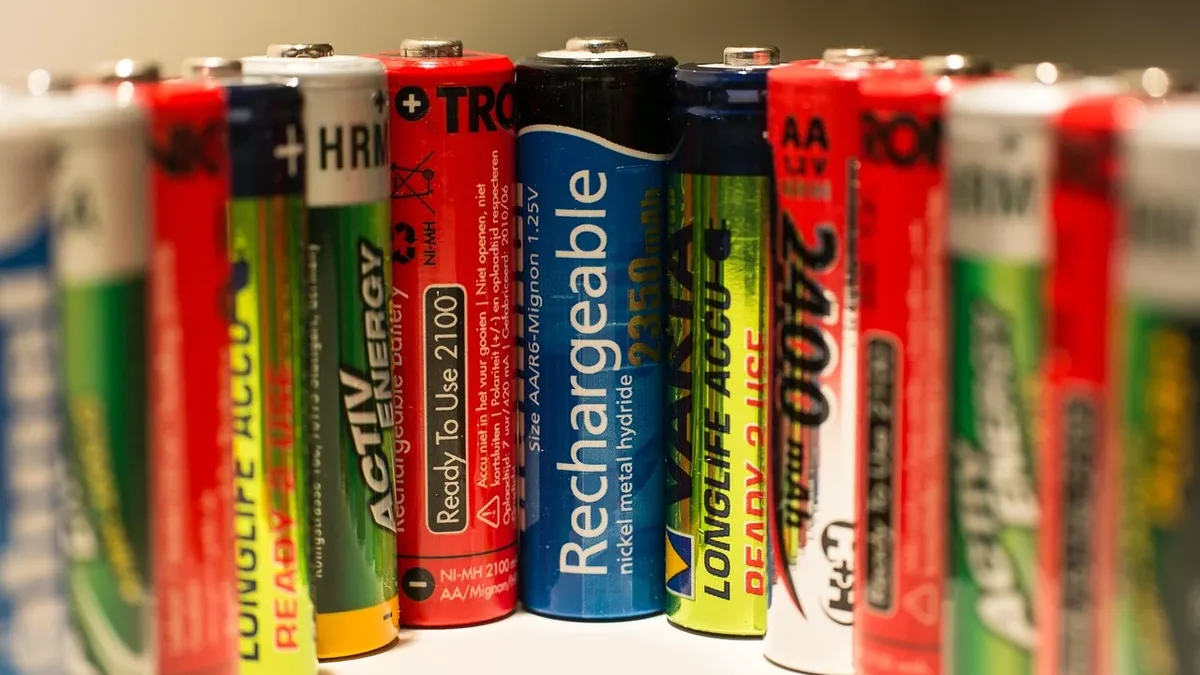
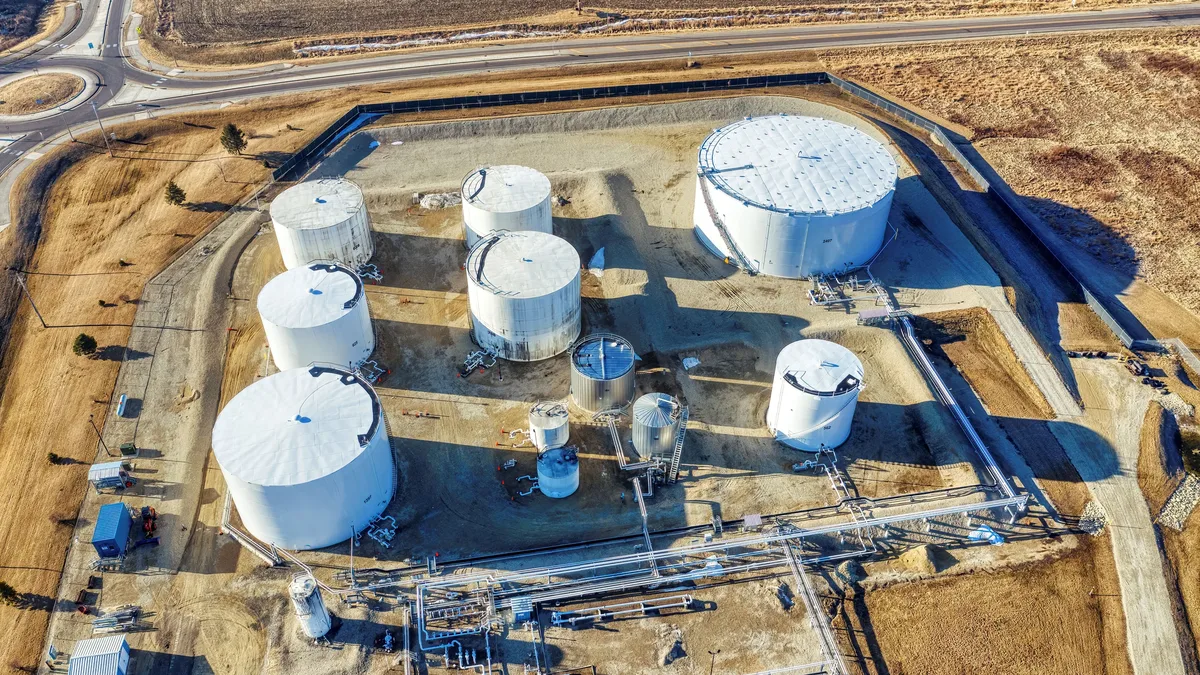
India is likely to commission 45-50 GWh of battery energy storage system (BESS) capacity in fiscals 2027 and 2028, a massive jump from the approximately 1 GWh commissioned by the end of fiscal 2026. However, nearly 21 per cent of the under-construction BESS capacity, or around 12 GWh, faces weak return potential and could see delays. Around 8-9 GWh of that 12 GWh capacity also faces challenges due to limited implementation experience among some project sponsors. The sector's heavy dependence on overseas suppliers for batteries compounds these financial and execution risks.
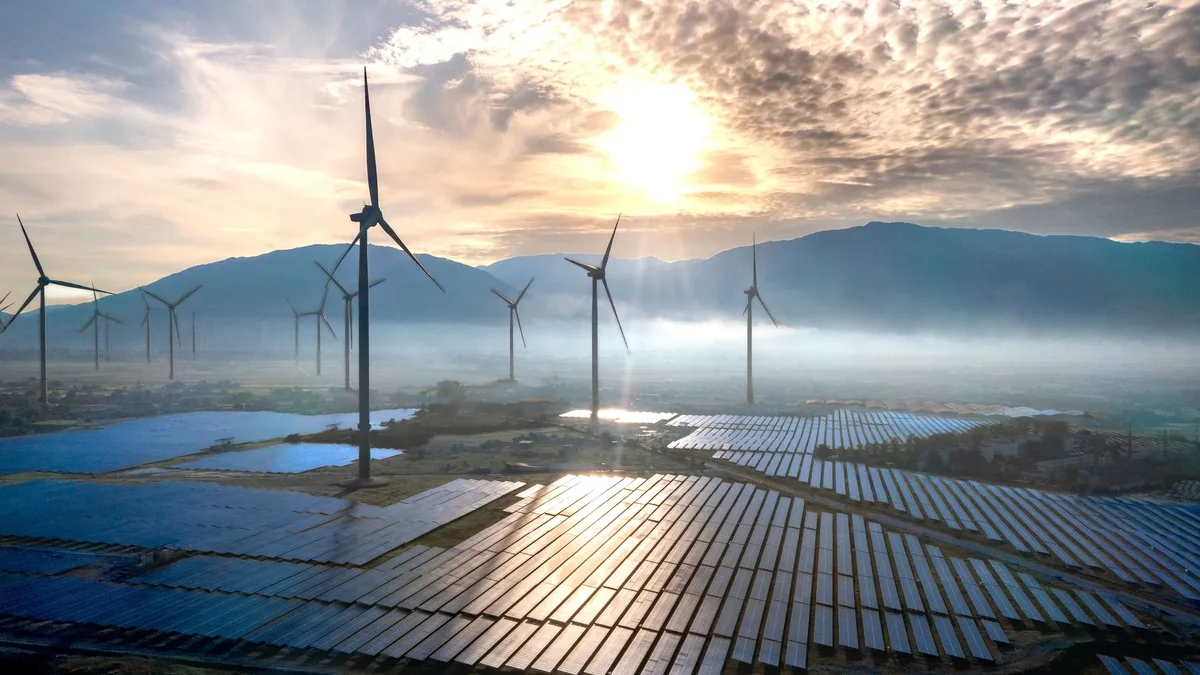
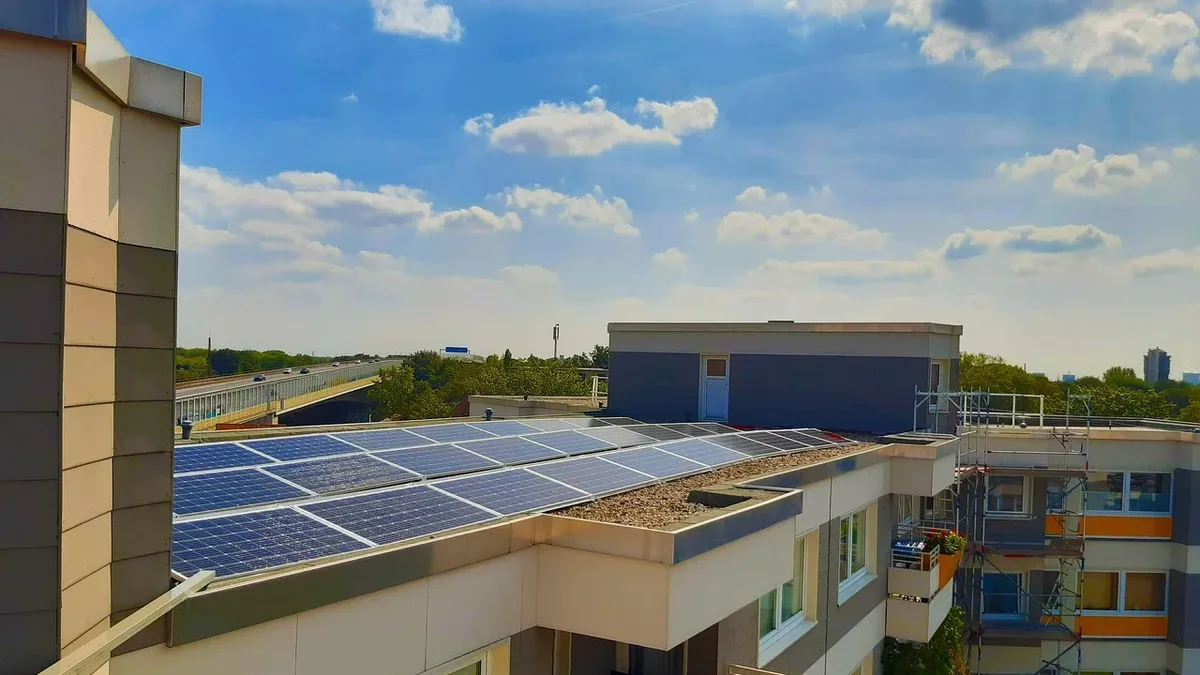
Renewable energy generation is intermittent, increasing the need for firm power supply and thus energy storage. This requirement is especially acute for solar projects because electricity demand typically peaks in the evening, when solar generation is negligible. BESS can store surplus solar power during high generation and supply it during periods of elevated demand. The government has accelerated storage-linked auctions to support this integration.
Most awarded capacity remains either in development or in early construction phases. Developers typically procure batteries about a year after securing project bids. With battery prices having hardened in 2026, most projects awarded in 2025 are now exposed to higher costs. The impact of procurement costs on project internal rates of return (IRR) is being monitored, as developers may defer commissioning if battery prices remain above the threshold needed for 12-14% returns.
Market dynamics and pricing
Battery prices have rebounded from lows witnessed in 2025. Costs are currently in the $55-65 per kWh range. At these price levels, project returns may be insufficient to achieve the typical target IRR of 12%-14%. With a sample tariff of INR 2.2-2.5 lakh per MW per month, and battery prices of $55-65/kWh, a project is expected to generate an IRR of 12-14%. Tariffs bid out for these projects were relatively low.
Developers with limited scale or procurement track records may face challenges in securing equipment on competitive terms. Any increase in procurement costs, coupled with execution-related challenges, could moderate IRRs and result in delays.
Project execution risks
Limited implementation experience among sponsors is a key hurdle. Manish Gupta, Senior Director and Deputy Chief Ratings Officer at Crisil Ratings, said, "Nearly 21% of the under-construction BESS capacity, equivalent to about 12 GWh, faces weak return potential which may lead to some delays in commissioning." Ankit Hakhu, a Crisil Ratings Director, added, "Approximately 8-9 GWh out of this 12 GWh of the planned capacity is exposed to an additional challenge: limited implementation experience among project sponsors."
Equipment procurement remains a key risk due to continued dependence on overseas suppliers. Early signs of these pressures are already evident with some projects getting stranded. Nearly 100 renewable energy developers are involved in the awarded projects.
The storage pipeline and context
The current pipeline for the next two fiscal years is 50-55 GWh. Of this, around 40 GWh has been secured through government-led auctions with distribution utilities as offtakers. The remaining 10-15 GWh is expected to serve commercial and industrial consumers directly or be deployed in the merchant market.
As of the end of fiscal 2026, India’s total installed power capacity stood at 533 GW. Renewable energy accounted for around 206 GW, or 39%, of that installed capacity. However, solar and wind accounted for only around 15% of actual electricity generation in fiscal 2026.
Government auctions involving BESS have surged. They accounted for about 5% of total auctioned renewable capacity in fiscals 2024 and 2025 but increased to nearly 40% in fiscal 2026. Long-term battery demand is underpinned by these strong structural drivers, though the potential impact of geopolitical developments and supply chain disruptions warrants close monitoring. The expectation is for 45-50 GWh of BESS capacity to be commissioned in FY2027 and FY2028, contingent on overcoming the current financial and execution hurdles.