Australia
| Technology type | Concentrated Solar Power (CSP) |
|---|---|
| Project name | Aurora Solar Energy Project |
| Country of origin | Australia |
| Original use | Utility-scale electricity generation |
| Power capacity | 150 MW |
| Storage capacity | 8 hours (1,100 MWh thermal) |
| Generation type | Solar thermal with molten salt storage |
| Location | Port Augusta, South Australia |
Origin and history
Australia is a continent and a nation that originated from the geological breakup of the ancient supercontinent Gondwana, beginning over 100 million years ago. Human history on the continent dates back at least 65,000 years with the arrival and settlement of Aboriginal peoples. European exploration of the continent began in the 17th century, primarily by Dutch navigators, and later by British explorers in the 18th century. The British established the first permanent European settlement in the late 18th century with the arrival of the First Fleet in 1788, creating a penal colony at Sydney Cove. The federation of the six separate British self-governing colonies into the Commonwealth of Australia occurred in the early 20th century, specifically on January 1, 1901. This established the modern nation-state, which retains a constitutional monarchy system of government with a federal parliamentary structure.
What it is for
Australia functions as a sovereign nation providing governance, security, and legal frameworks for its citizens and residents. It is a major global exporter of natural resources, including iron ore, coal, liquefied natural gas, and agricultural products, serving international markets. The continent's diverse ecosystems and unique wildlife are the focus of extensive scientific research and conservation efforts. It provides a vast landmass for human habitation, agriculture, and industry, though much of the interior is arid and sparsely populated. Culturally, it serves as a home for a multicultural society that blends Indigenous heritage with influences from successive waves of immigration. The nation also plays a role in regional and international diplomacy, security, and trade agreements.
Overview
Australia is the world's smallest continent and sixth-largest country by total area, located in the Southern Hemisphere between the Indian and Pacific Oceans. Its political geography comprises six states and two major mainland territories, with its capital city being Canberra. The population is predominantly concentrated in coastal urban centers, such as Sydney, Melbourne, Brisbane, and Perth, due to the climatic and geographic challenges of the interior. Its climate ranges from tropical in the north to temperate in the south, with a large arid desert region known as the Outback in the center. The nation operates as a federal parliamentary constitutional monarchy, with a stable democratic tradition and a high-income advanced economy. Key economic sectors include mining, agriculture, financial services, and international education.
What to know
Australia's Indigenous peoples, comprising Aboriginal and Torres Strait Islander groups, maintain the world's oldest continuous cultures, with complex social systems and deep spiritual connections to the land. The nation's legal and political systems are derived from the British Westminster model, but have evolved distinct characteristics, such as compulsory voting in federal elections. Its biodiversity is both unique and highly endemic, meaning many species, like kangaroos, koalas, and the platypus, are found nowhere else on Earth. Environmental management is a persistent national challenge, dealing with issues like drought, bushfires, and the protection of the Great Barrier Reef. Australia's modern society is built on large-scale immigration, resulting in a highly multicultural demographic profile, particularly in its major cities. It is a member of key international organizations including the United Nations, the Commonwealth of Nations, the G20, and regional forums like APEC.
Common questions
A common question concerns the relationship between Australia and the British monarchy, which remains the ceremonial head of state, represented by a Governor-General. People often ask about the dangers posed by Australia's wildlife, though the statistical risk from creatures like spiders or snakes is extremely low compared to everyday hazards. Many inquire about the reasons for Australia's low population density, which is primarily due to the vast expanses of arid and semi-arid land that are unsuitable for intensive settlement or agriculture. Questions frequently arise about the time difference and seasons, as Australia spans multiple time zones and experiences seasons opposite to those in the Northern Hemisphere. There is frequent curiosity about the authenticity of cultural stereotypes, such as a national obsession with sports like cricket and Australian rules football, which do reflect widespread popular interest. Visitors often ask about travel requirements and distances between major cities, which are considerable and often necessitate domestic air travel.
Pros and cons
A significant advantage of Australia is its political and economic stability, offering a high standard of living, strong legal institutions, and a robust social safety net. Its geographic isolation has historically provided a degree of security and fostered a unique natural environment. Conversely, this isolation also results in what is termed the "tyranny of distance," leading to high costs for imported goods, logistical challenges for export industries, and a sense of cultural detachment from global centers. The economy's heavy reliance on the extraction and export of non-renewable resources creates vulnerability to global commodity price cycles and long-term sustainability concerns. Environmental pros include incredible biodiversity, but major cons involve extreme vulnerability to climate change impacts, such as more intense heatwaves, droughts, bushfires, and coral bleaching on the Great Barrier Reef. A common regret for some residents, particularly new immigrants, can be the feeling of isolation from extended family networks overseas and the high cost of living in major cities, which can strain finances.
Who it suits
Australia suits individuals and families seeking a stable, democratic society with high-quality healthcare and education systems, and ample outdoor lifestyle opportunities. It is well-suited to professionals in industries like mining, engineering, finance, healthcare, and academia, where there is strong demand. The environment appeals to those with an interest in unique ecology, geology, and conservation, including researchers, naturalists, and eco-tourists. Its multicultural cities suit immigrants and those who appreciate diverse culinary, artistic, and social scenes. The climate and geography suit people who enjoy outdoor activities, from beach culture and sailing to hiking in arid landscapes, though it may not suit those who dislike heat or sun. It is less suited to individuals seeking dense, historic urban environments common in Europe or Asia, or those who require very close proximity to a wide range of other nations for travel.
Latest Australia news
Latest reporting
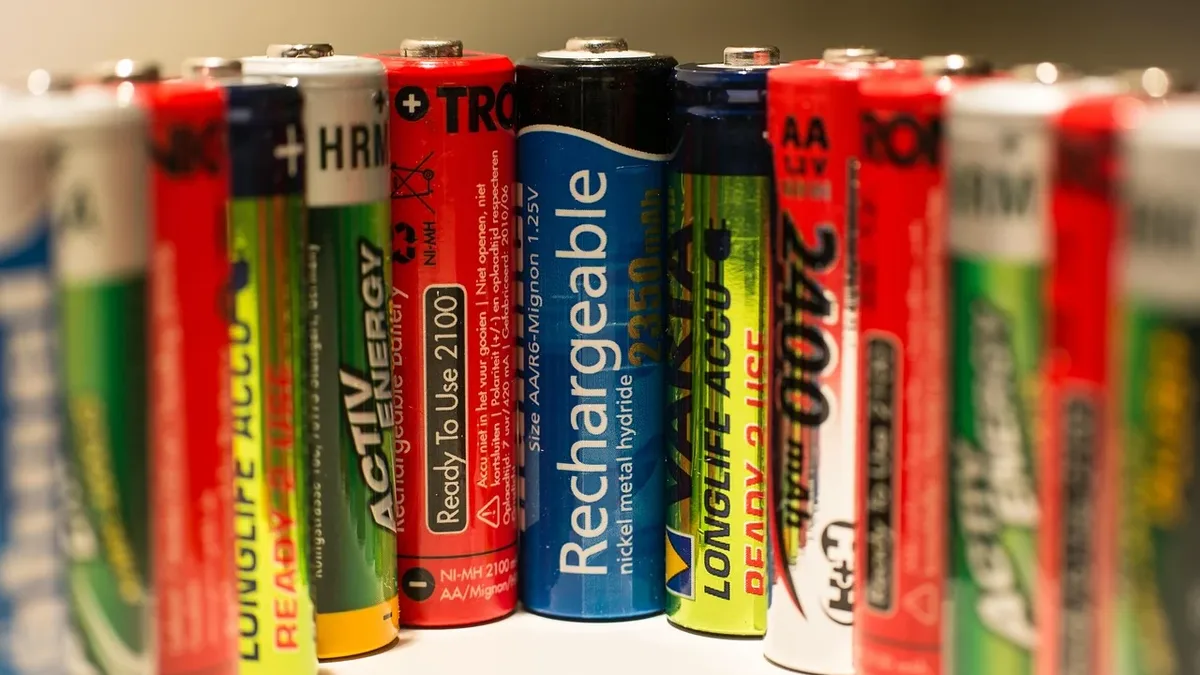
Vena Energy and EnergyAustralia add 554MW of battery storage
Two major battery energy storage systems in South Australia and Victoria, totaling 554MW, have entered the Australian Energy Market Operator's Market
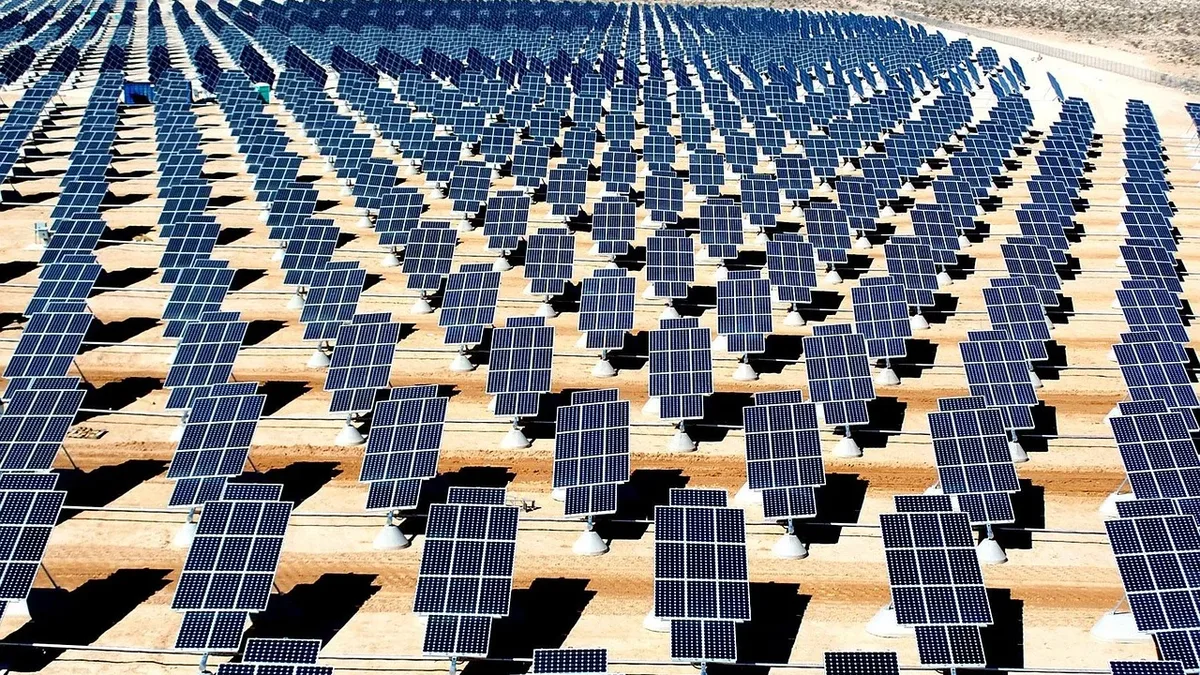
Australia's First Grid NAS Battery Commissioned in Brisbane
Lava Blue has commissioned Australia's first grid-connected sodium-sulfur battery at a Brisbane research facility.
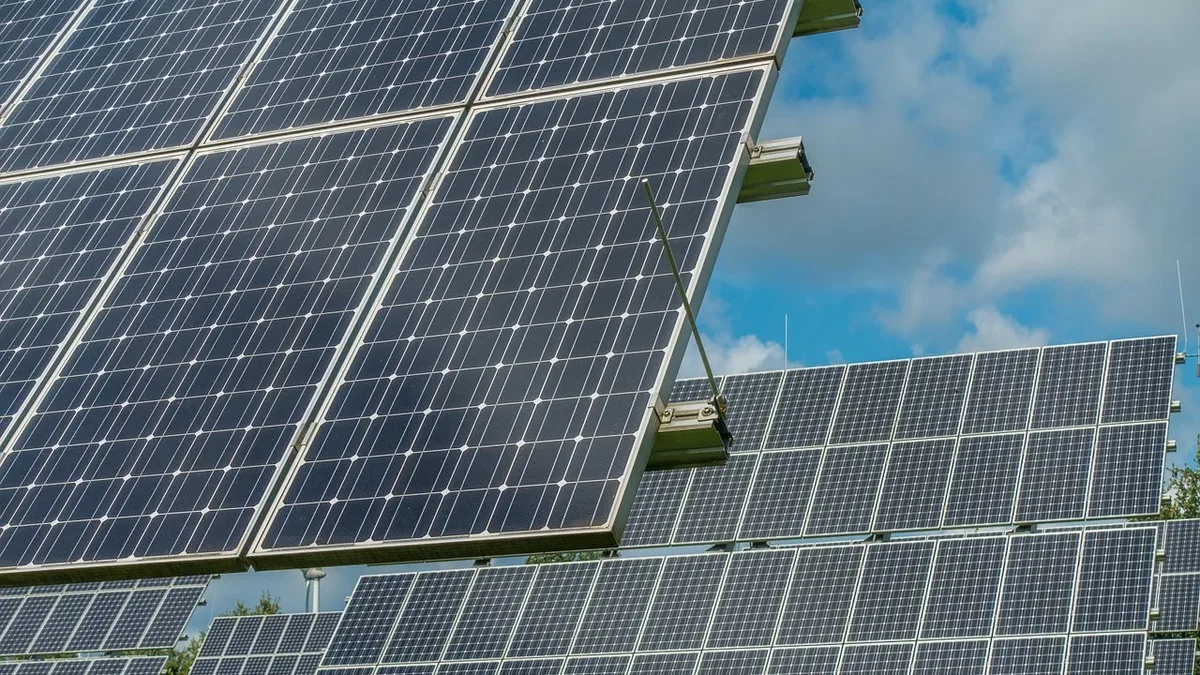
European Energy completes 131MW solar module
European Energy Australia has finished installing over 200,000 solar modules at its Winton North solar plant. The 131MW project, which includes a...
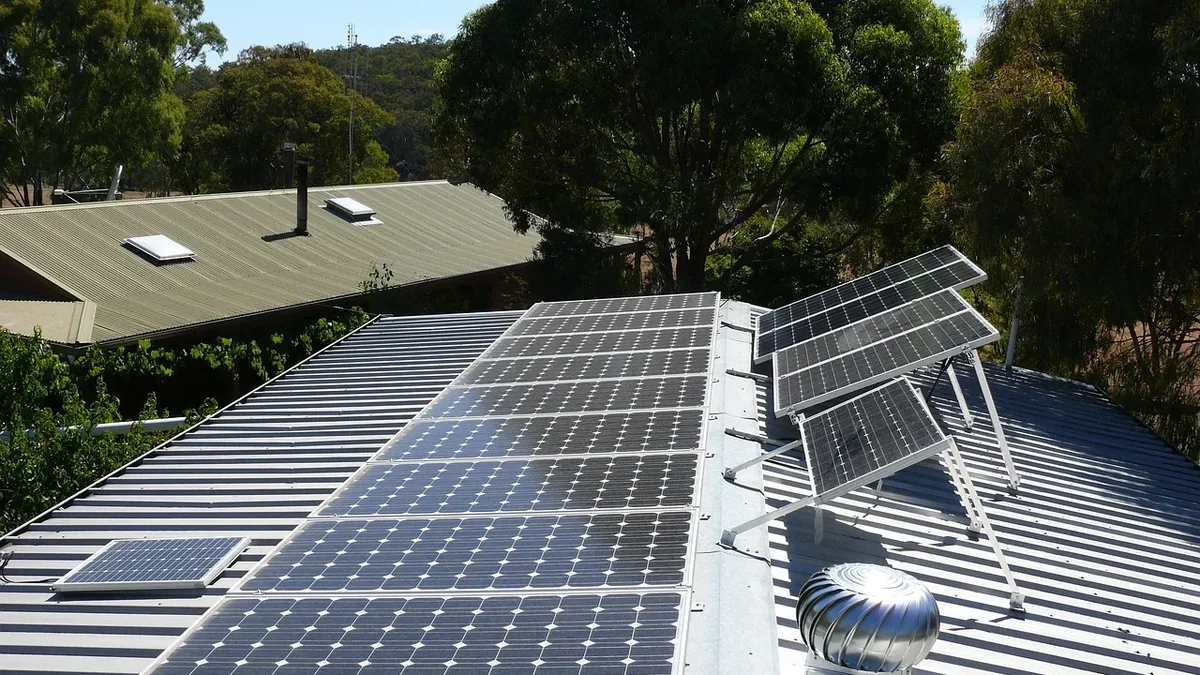
Octopus Australia's 2GWh Blackstone BESS
Octopus Australia has referred its proposed 500MW/2,000MWh Blackstone battery energy storage system in Queensland for assessment under the EPBC Act.
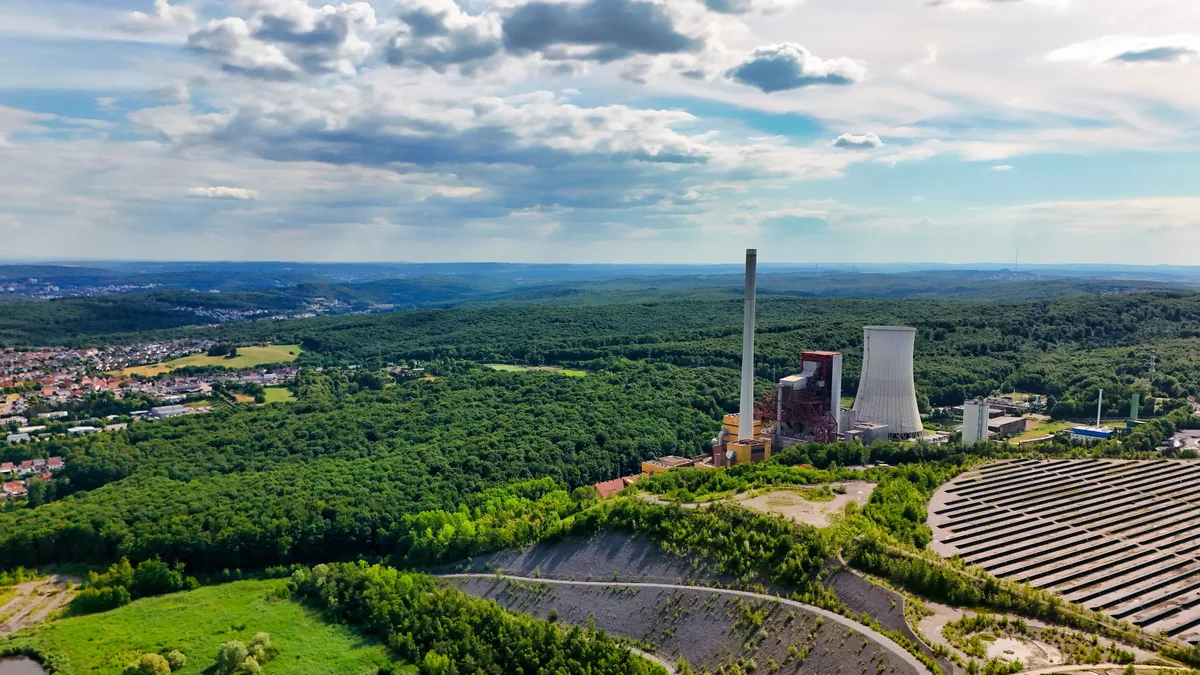
EDF seeks approval for 4GWh pumped hydro plant in NSW
EDF Power Solutions Australia has referred its proposed Wala Wala Pumped Hydro Energy Storage project for federal environmental assessment.
CATL Cuts LFP Battery Prices Amid Industry Shifts
CATL has cut prices for its 314Ah lithium iron phosphate cells, a move analyzed by industry experts. The broader energy storage sector also saw...