Green Hydrogen Electrolysis
| Technology type | Alkaline, PEM, or Solid Oxide |
|---|---|
| Electrolyte | Liquid alkaline solution or solid polymer/ceramic membrane |
| Input | Demineralized water and electricity |
| Output | Hydrogen gas and oxygen gas |
| Efficiency range | 60% to 80% (electrical to hydrogen energy) |
| Operating temperature | Low (<100°C) or High (700°C–850°C) |
| Project scale | Pilot, demonstration, or industrial |
| Project output capacity | Ranges from kilowatts to gigawatts |
Origin and history
The fundamental scientific principle of using electricity to split water into hydrogen and oxygen, known as electrolysis, was first demonstrated in the late 18th century. The discovery is credited to scientists in England and the Netherlands, with significant early work by William Nicholson and Anthony Carlisle in London around the year 1800. Industrial-scale electrolyzers for producing hydrogen were developed and deployed in the early 20th century, particularly where cheap hydroelectric power was available. The specific term "green hydrogen" emerged much later, conceptually separating hydrogen production by this method from fossil fuel-based processes. This distinction became meaningful with the rise of renewable energy sources like wind and solar in the late 20th and early 21st centuries. The modern push for green hydrogen electrolysis is driven by global climate goals, transforming the centuries-old technique into a key clean energy technology.
What it is for
Green hydrogen electrolysis is a process for producing hydrogen gas without direct carbon emissions. Its primary purpose is to create a clean energy carrier for sectors that are difficult to electrify directly. The hydrogen produced is intended for use in industrial processes, such as fertilizer production and steel manufacturing, where it can replace fossil-derived hydrogen. It is also targeted for use in heavy transportation, including shipping, aviation, and long-haul trucking, where battery-electric solutions face challenges. Furthermore, green hydrogen can be utilized for long-duration energy storage, converting excess renewable electricity into gas that can be stored and later reconverted to power. This technology is central to strategies for decarbonizing entire national economies and achieving net-zero emissions targets.
Pros and cons
A primary advantage of green hydrogen electrolysis is that it produces a versatile fuel with only water and oxygen as byproducts when powered by renewable sources. It provides a pathway to decarbonize industries that lack other viable clean alternatives, creating a market for surplus renewable energy that might otherwise be curtailed. However, a significant drawback is its current high cost, driven by the expense of renewable electricity, the capital cost of electrolyzers, and system inefficiencies. The common mistake is underestimating the immense scale of renewable energy generation and dedicated infrastructure required to produce meaningful quantities of green hydrogen. Projects can face regret from investors or policymakers who overlook the substantial water purification needs and the challenges of hydrogen storage and transportation. Furthermore, if the grid electricity used is not from renewable sources, the hydrogen produced is not truly "green," undermining its environmental purpose.
Who it suits
This technology suits regions with abundant, low-cost, and consistent renewable energy resources, such as solar-rich deserts or wind-heavy coastal areas. It is appropriate for national governments and industrial consortia with long-term decarbonization strategies and the capital for large-scale infrastructure investment. Heavy industries with existing hydrogen demand, like ammonia producers or refineries, are key candidates for integrating green hydrogen electrolysis to clean up their operations. It also suits remote locations where renewable energy potential is high but exporting electricity via cables is impractical, making energy export as hydrogen more feasible. The technology is less suited for applications where direct electrification is more efficient and cost-effective, such as passenger vehicles or residential heating. Ultimately, it is a strategic fit for entities prepared to navigate a developing supply chain and tolerate the long development timelines associated with pioneering energy projects.
Latest Green Hydrogen Electrolysis news
Latest reporting
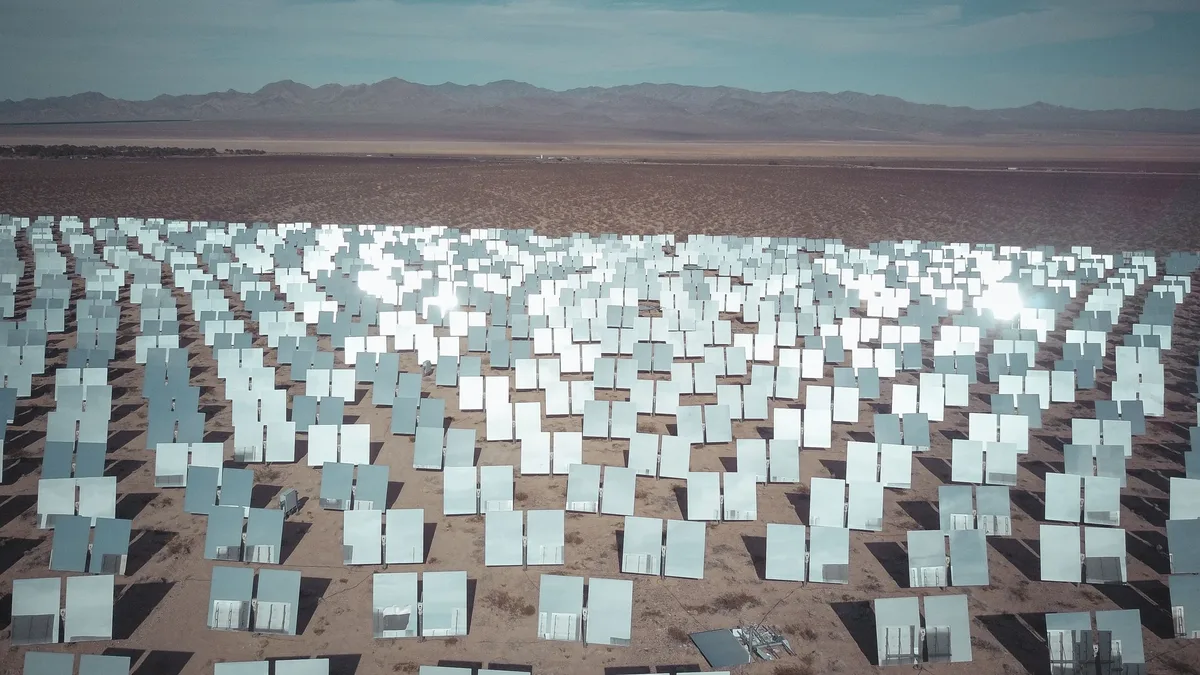
Adani Green Energy expands Khavda battery storage to 6.63
Adani Green Energy Ltd has expanded its operational battery storage capacity at Khavda, Gujarat, to 6.63 GWh within 14 months, now representing over...
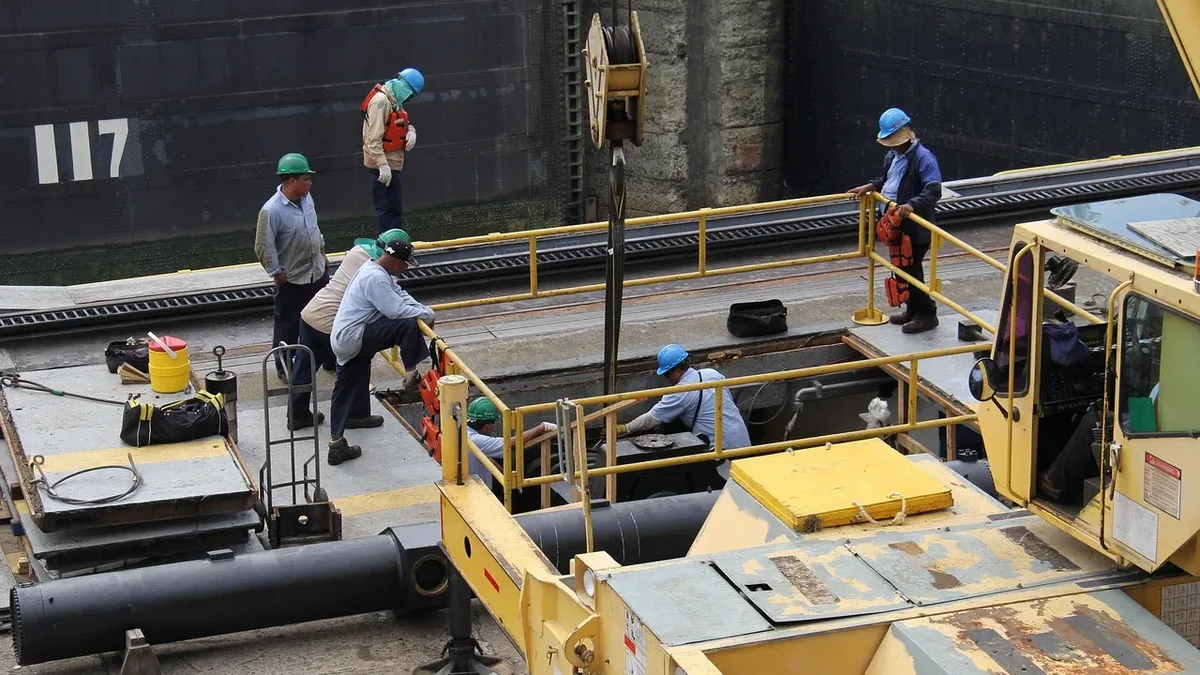
Posco and BHP partner to test hydrogen
Posco and BHP will test Australian iron ore for the HyREX hydrogen reduction process, aiming for commercialization by 2030.
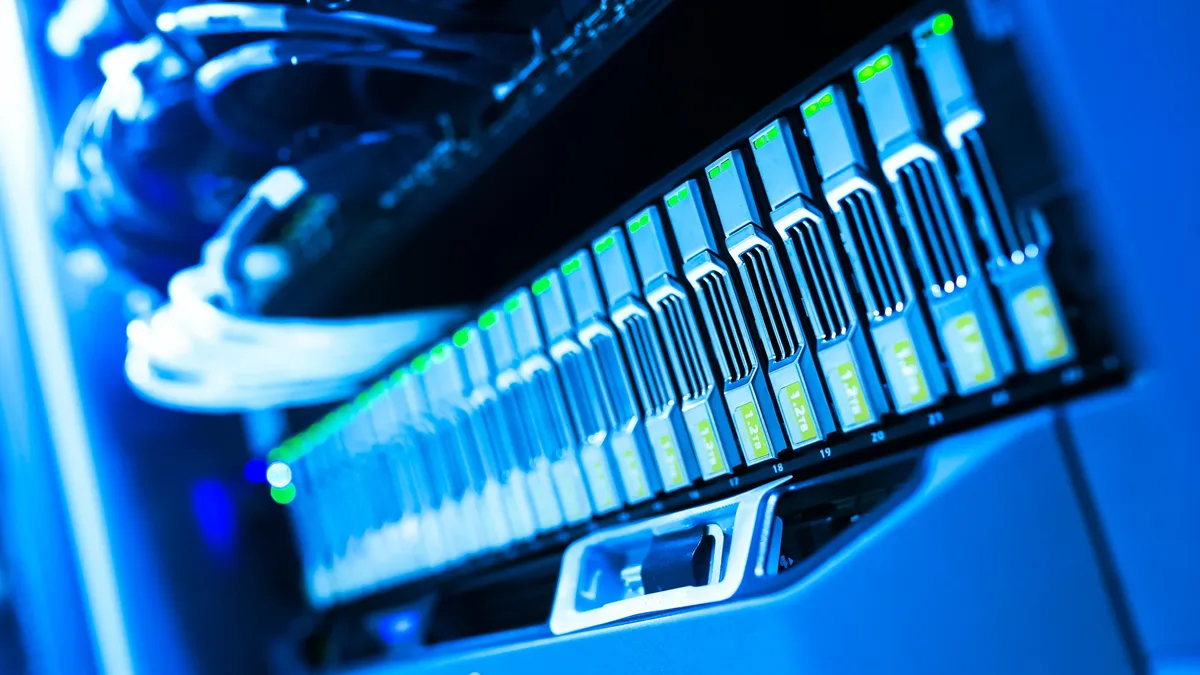
Brazil links data center tax incentives to green power
Brazil's Senate approved a bill giving data centers a five-year federal tax break if they use renewable or low-emission power sources.

Bangladesh's Green Building Drive Expands
Bangladesh's corporate and real estate sectors are increasingly constructing LEED-certified green buildings, driven by climate pressures and corporate
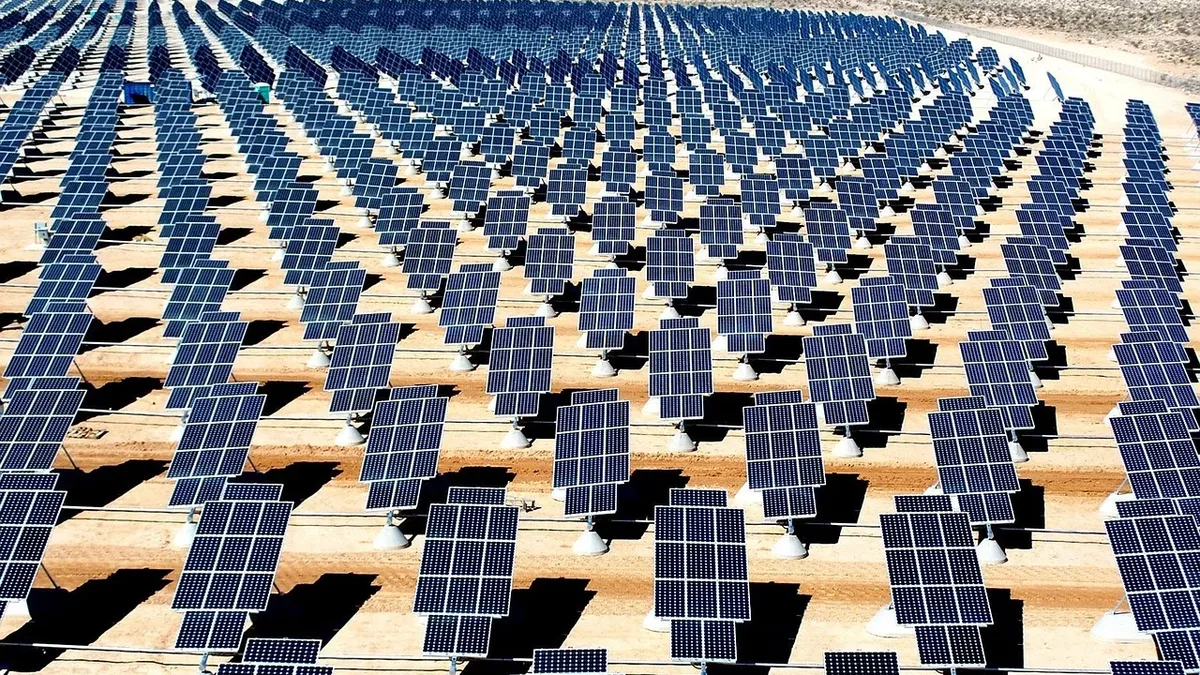
Africa's first PV hydrogen hub starts up
Cmb-Tech has started operations at a green hydrogen facility in Namibia's Walvis Bay, featuring 5 MW of off-grid solar PV, a 5 MW PEM electrolyzer...
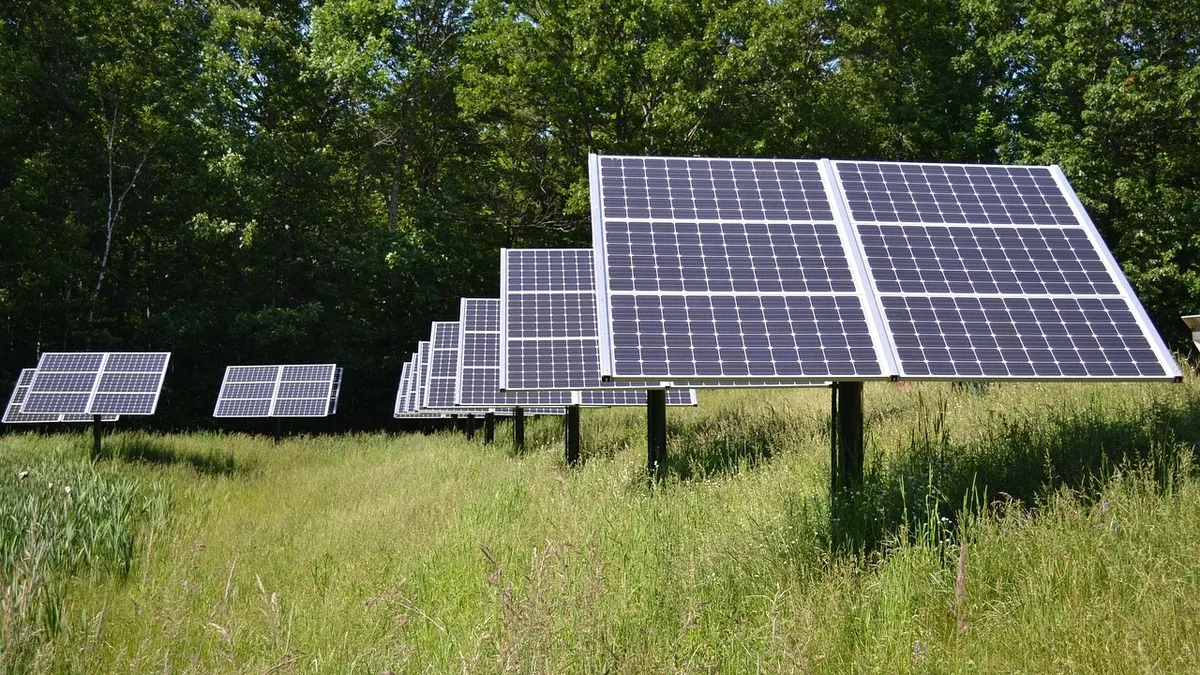
Solar PV installations influence neighboring households to go green
New research finds that installing a solar PV system can influence the energy-related behavior of neighboring households, making them more likely to...