Oswal Pumps to build 1.2 GW TOPCon solar cell facility in Karnal
Oswal Pumps will build a 1.2 GW TOPCon solar cell plant in Karnal, Haryana, to secure domestic supply under ALMM List-II rules.
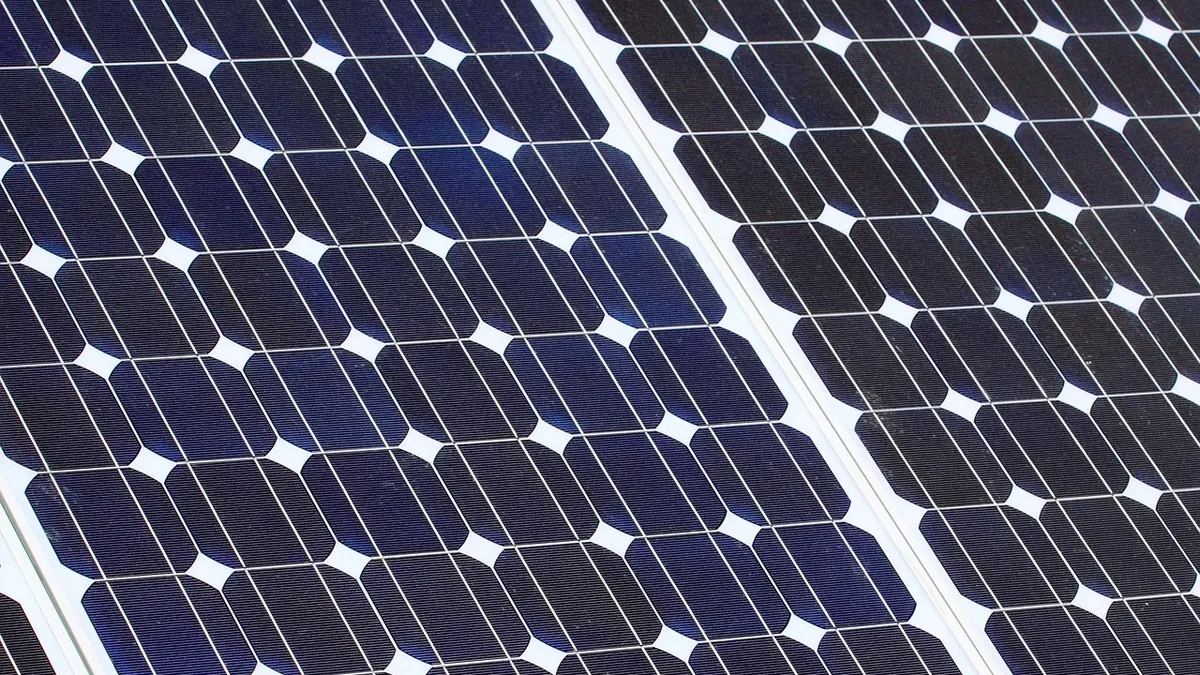
Oswal Pumps will develop a 1.2 GW solar cell manufacturing facility using TOPCon technology through its subsidiary OSEPL in Karnal, Haryana. The company plans to invest ₹4.56 billion, with commercial production expected by April 2028.
The facility will be developed through its wholly owned subsidiary, Oswal Solar Energy Pvt. Ltd. (OSEPL). It uses advanced tunnel oxide passivated contact (TOPCon) technology. The entire output is intended for captive consumption by OSEPL's in-house solar module lines.
Strategic rationale and supply security
The facility aims to meet 75% of OSEPL’s solar cell needs, reduce reliance on spot markets, and ensure compliance with DCR rules under ALMM List-II. This is intended to secure a steady supply of domestically manufactured cells under India’s domestic content requirement rules. The remainder of OSEPL’s solar cell requirements will be sourced from external suppliers.
Demand for domestically manufactured cells is set to rise sharply due to ALMM List-II being in force. ALMM compliance is critical for participation in government-backed initiatives like PM-KUSUM and PM Surya Ghar. The move ensures compliance and aims to secure a steady, reliable supply of DCR cells while reducing exposure to spot-market price volatility.
Integration with existing operations and market context
The investment will extend OSEPL’s operations from module assembly to cell manufacturing. The company currently operates 570 MW of solar module manufacturing capacity and has an additional 1 GW of solar module manufacturing capacity under construction. This move responds to increasing demand for high-efficiency TOPCon modules in the Indian market.
The development strengthens the domestic supply chain for EPC contractors and solar developers. It comes amid significant growth in India's domestic manufacturing base. In the first half of 2026, India added 50.6 GW of module manufacturing capacity and 9.7 GW of cell manufacturing capacity.
Funding and timeline
The project will be funded via a mix of debt and unutilized IPO proceeds. The total project cost is estimated at around ₹4.56 billion. The funding breakdown is as follows:
| Component | Amount (₹ billion) |
|---|---|
| Debt Financing | 2.96 |
| Unutilized IPO Proceeds | 1.60 |
The balance of ₹159.85 crore is proposed to be funded from the unutilised IPO proceeds of ₹163.04 crore. The company plans to deploy these net proceeds towards the solar cell manufacturing facility by Financial Year 2028. The unutilised IPO proceeds were originally earmarked for an aluminium frame facility, a 300 MW EVA encapsulant facility, and a 500 MW solar module facility.
Broader implications and board approval
The move strengthens the domestic supply chain, improves cost structure and competitiveness in government programs, and follows board approval after evaluating external sourcing alternatives. The Board of Directors of Oswal Pumps Limited approved the proposed facility and the variation in the use of IPO proceeds, subject to shareholder and regulatory approvals.
The strategic shift follows a comprehensive evaluation. The company evaluated long-term sourcing arrangements with established domestic cell manufacturers, including multi-year off-take commitments. The commercial terms available were not aligned with the company's assessment of long-term value or its approach to prudent working capital management.
A comparative evaluation found that setting up captive cell manufacturing capacity was the more economically viable option. Backward-integrating into cell manufacturing secures supply, insulates OSEPL from spot price and deposit demands, deepens value addition, and is expected to improve margin and profitability. Vivek Gupta, chairman and managing director of Oswal Pumps Ltd, said, "Bringing cell manufacturing in-house gives us greater control over quality, cost and timelines."
The change redirects scarce IPO capital from low value-add components to the highest-leverage point in the chain. Choosing TOPCon technology ensures building for the future with higher efficiency and better long-term performance for customers. The company remains committed to its EVA encapsulant manufacturing targets. Commercial production is expected to commence by April 2028.