India
| Technology type | Pressurized heavy water reactor (PHWR) |
|---|---|
| Country of origin | India |
| Original use | Civilian electricity generation |
| Power output (per unit) | 700 MWe |
| Coolant | Heavy water (D₂O) |
| Moderator | Heavy water (D₂O) |
| Fuel | Natural uranium |
| Number of units (planned) | 2 |
Origin and history
India as a modern nation-state originated from the South Asian subcontinent, achieving independence from British colonial rule in the mid-20th century. Its civilizational history, however, stretches back millennia, with one of the world's oldest continuous civilizations developing in the Indus Valley around the third millennium BCE. Following the Vedic period, a succession of empires and kingdoms, such as the Maurya and Gupta Empires, shaped its cultural and political landscape. The medieval era saw the arrival of Islamic influences and the establishment of the Delhi Sultanate and later the Mughal Empire. The subcontinent came under the control of the British East India Company in the 18th century, leading to direct British colonial rule by the 19th century. The sustained independence movement, galvanized in the early 20th century, culminated in the partition of British India and the establishment of the sovereign Republic of India in 1947.
What it is for
India functions as a sovereign democratic republic designed to govern a vast and diverse population under a unified constitutional framework. Its political system is structured to manage a federation of states and union territories, ensuring representation, security, and the provision of public goods for over a billion citizens. The state exists to uphold the principles of justice, liberty, equality, and fraternity as enshrined in its constitution, while navigating complex social and economic challenges. It maintains armed forces for national defense and engages in international diplomacy to protect its interests and promote global cooperation. Domestically, its institutions aim to foster economic development, implement laws, and administer justice through an independent judiciary. Furthermore, the nation serves as a custodian of its immense cultural heritage, promoting and preserving its multitude of languages, religions, and artistic traditions.
Overview
India is the world's most populous democracy and the seventh-largest country by geographical area, located in South Asia. It operates as a federal parliamentary republic with a President as the head of state and a Prime Minister as the head of government. The country is characterized by extreme geographical diversity, encompassing the Himalayan mountain range in the north, the Thar Desert in the west, fertile river plains, and a long coastline. Its society is pluralistic, with hundreds of languages spoken, and it is the birthplace of major religions including Hinduism, Buddhism, Jainism, and Sikhism. The economy is mixed, comprising traditional village farming, modern agriculture, a wide range of industries, and a rapidly growing services sector, particularly information technology. This complex entity is governed by a detailed constitution, which is among the longest in the world, and features a multi-tiered system of government at the union, state, and local levels.
What to know
Understanding India requires recognizing it as a union of states with significant cultural and linguistic autonomy, not a monolithic nation. Its legal system is a hybrid, inheriting a common law framework from the British era while also incorporating elements of statutory and personal law based on religion in certain matters like marriage and inheritance. The country follows a three-branch system of government, legislative, executive, and judicial, with a bicameral parliament at the center. A key feature is its planned economic development, guided historically by Five-Year Plans, though it has progressively liberalized its economy since the early 1990s. It maintains a policy of non-alignment in foreign affairs but possesses significant strategic military capabilities, including nuclear weapons. The caste system, while legally abolished and socially transformative, continues to influence aspects of social organization and politics, making social justice a persistent and complex national issue.
Common questions
A common question concerns the relationship between Hinduism as the majority religion and India's status as a secular state, which is defined by the constitution as equal treatment of all religions by the state rather than a separation of religion and government. People often ask about the official language, noting that Hindi and English are used for central government purposes, but there are 22 officially recognized scheduled languages with no single national language. Many inquire about the ongoing territorial dispute with Pakistan over the Kashmir region, a conflict that has led to several wars and continues to affect bilateral relations and internal security. Questions frequently arise about the pace of economic growth and development, contrasting its advanced space and technology sectors with persistent challenges in infrastructure, poverty, and rural development. Visitors commonly seek to understand the sheer scale of its railway network, which is one of the largest and busiest in the world, serving as a critical artery for transportation. Another frequent topic is the monsoon climate, whose seasonal rains are vital for agriculture but can also cause devastating floods, making it a central factor in the country's economy and way of life.
Pros and cons
A significant advantage is its democratic resilience, having maintained continuous democratic governance and peaceful transfers of power since independence despite profound social divisions and poverty. Its large, young population provides a substantial demographic dividend and a vast domestic market for economic growth, while its diaspora exerts considerable global influence. Conversely, a major drawback is bureaucratic inefficiency and corruption, which can stifle entrepreneurship, delay projects, and divert public resources, leading to widespread public frustration. Infrastructure, though improving, often lags behind its economic needs, with congested cities, unreliable power distribution in some regions, and variable water quality posing daily challenges. Rapid industrialization and development have also come at a steep environmental cost, resulting in severe air pollution in major urban centers, water scarcity, and pressure on natural habitats, creating a conflict between growth and sustainability.
Who it suits
This political and social structure suits citizens and leaders who are comfortable with, and adept at navigating, immense complexity, contradiction, and a constant negotiation of competing interests. It is an environment for those who value cultural and religious pluralism within a single political entity and are willing to engage with the slow, consensus-building processes of a large democracy. Entrepreneurs and businesses suited to India are those with high tolerance for regulatory ambiguity, the patience for long-term market development, and the ability to innovate for cost-sensitive and diverse consumer bases. The system benefits individuals and groups who actively utilize its legal and political frameworks to advocate for rights and reforms, as the democratic space, though noisy, provides avenues for change. It is less suited for those seeking uniformity, rapid centralized decision-making, or simple administrative solutions, as the federal structure and diversity guarantee a multifaceted and often protracted policy environment. Ultimately, it is a nation for those who identify with a civilizational continuity that adapts to modern statehood, embracing both its ancient heritage and its ongoing, turbulent experiment in democratic development.
Latest India news
Latest reporting
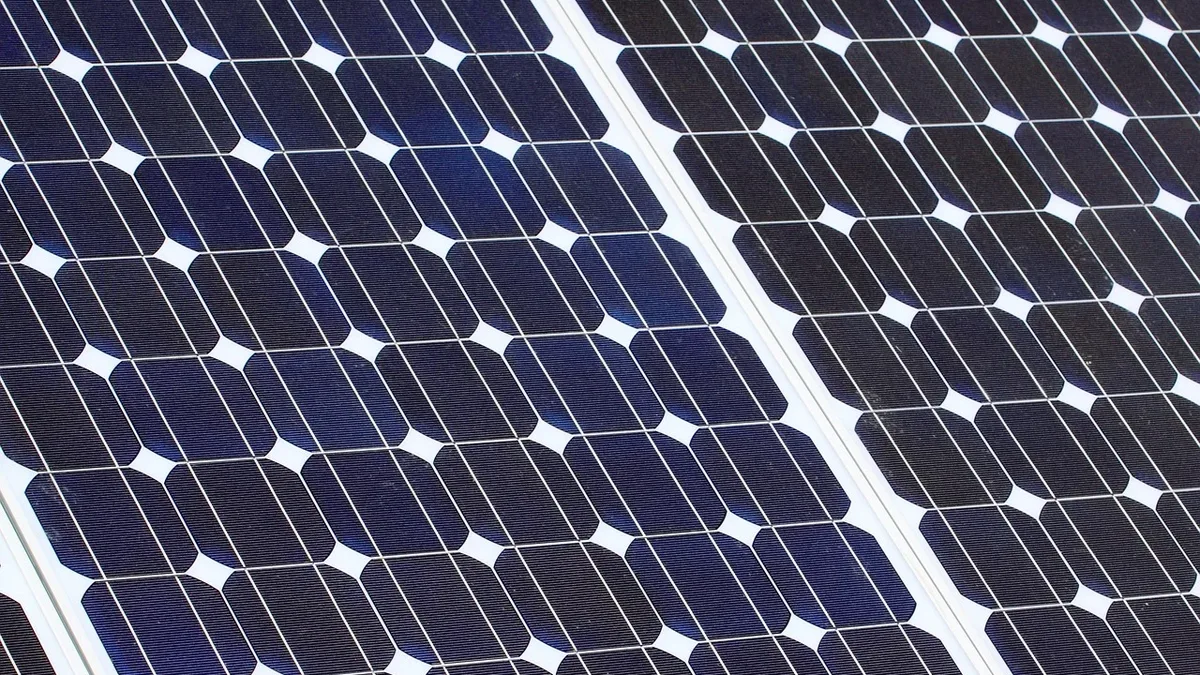
India's Solar Manufacturing Surge Faces Cell Supply
India added 50.6GW of solar module and 9.7GW of cell capacity in H1 2026, but a critical shortage of domestic cells is slowing production and project
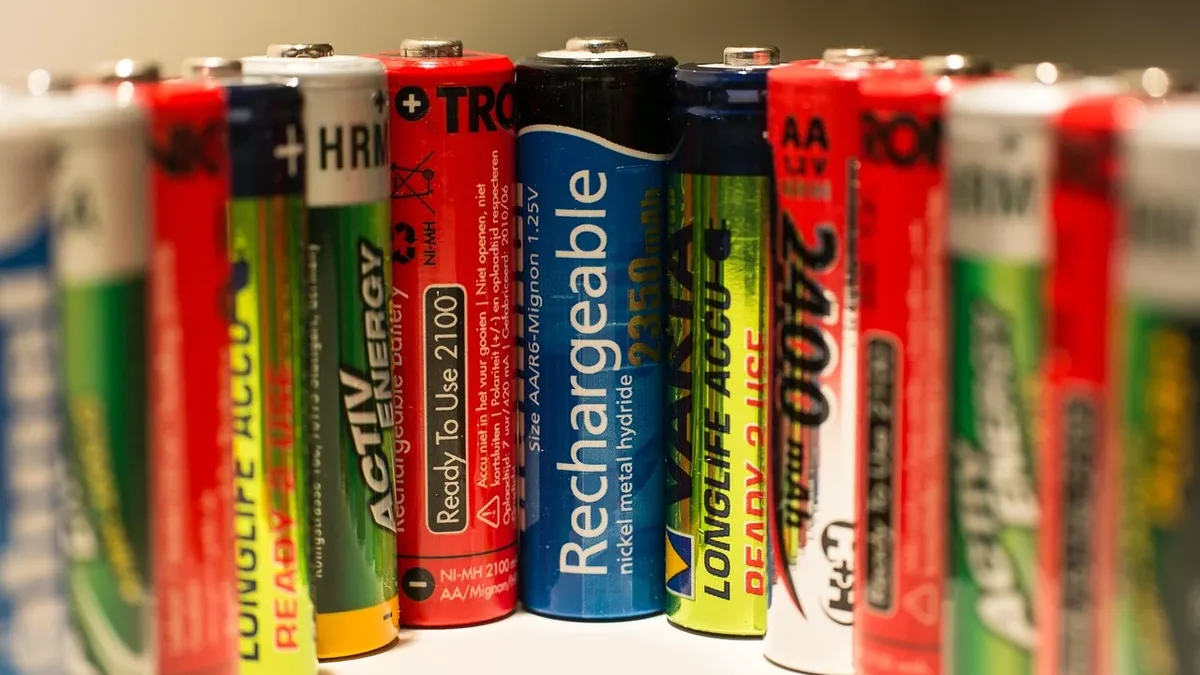
India's BESS capacity faces delays from rising battery
A significant portion of India's under-construction battery energy storage capacity is at risk of delays due to rising battery costs and limited...
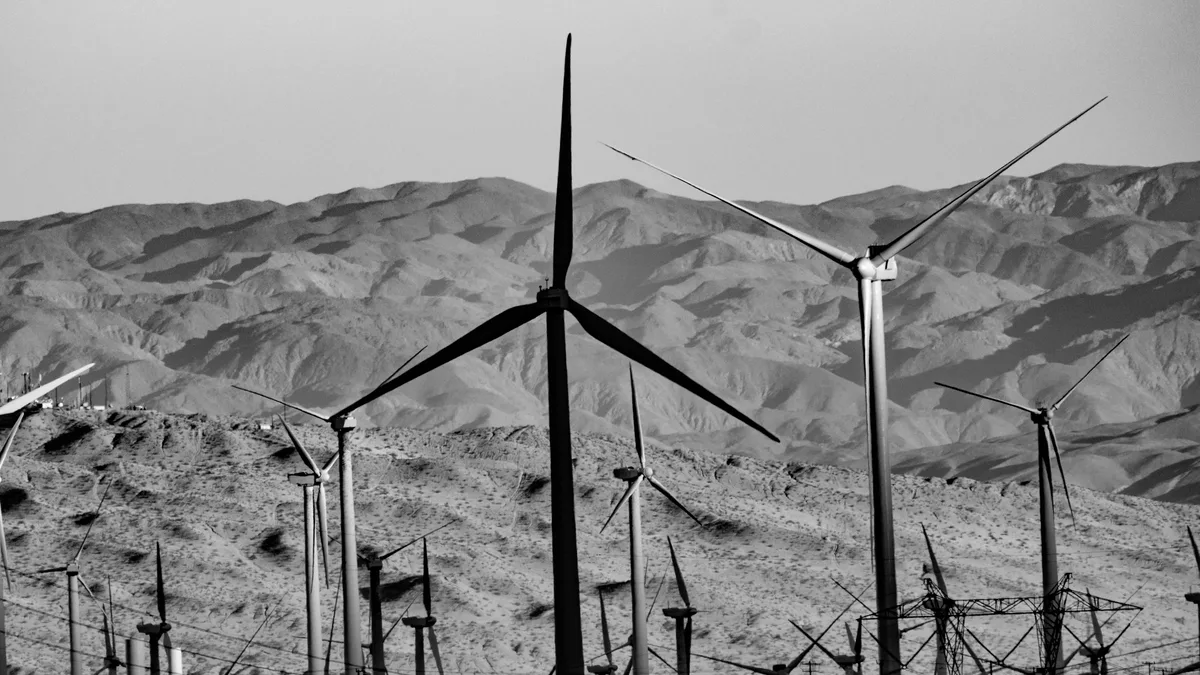
India's Renewable Energy Boom Faces Execution Challenge
An analysis argues that India's next major infrastructure bottleneck is not securing investment but executing complex projects like renewable energy...
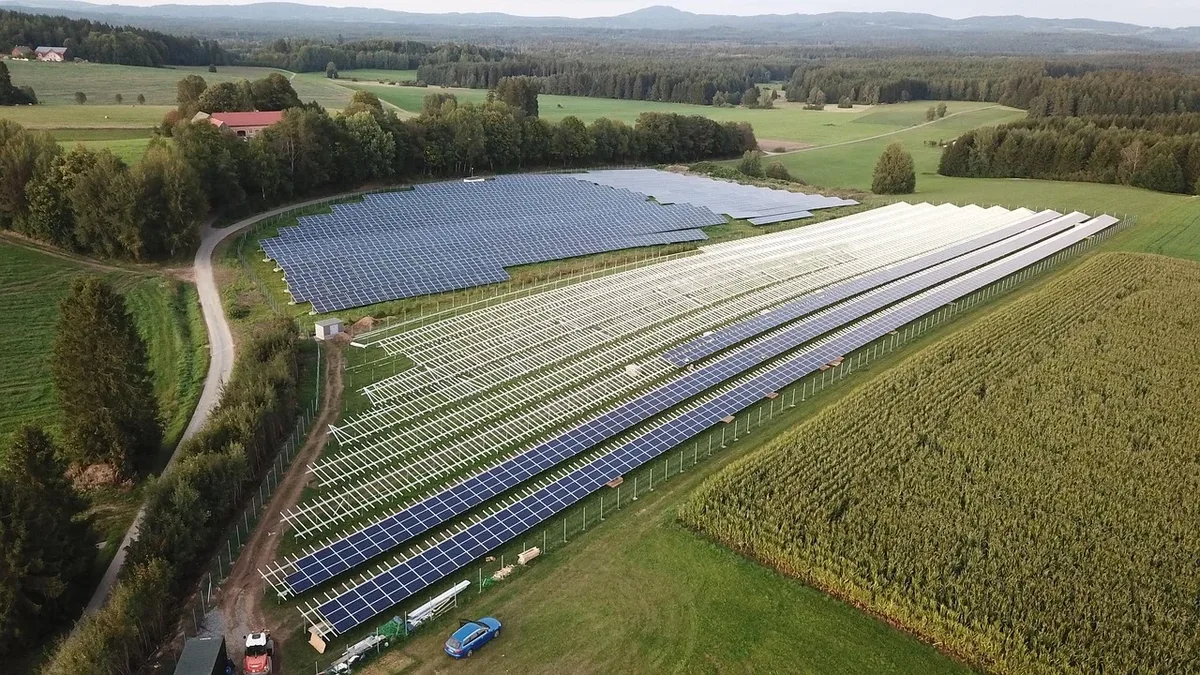
India's New Solar Rules Require Storage from July 2027
India's Central Electricity Authority has proposed that new ground-mounted solar and onshore wind plants must include co-located energy storage and
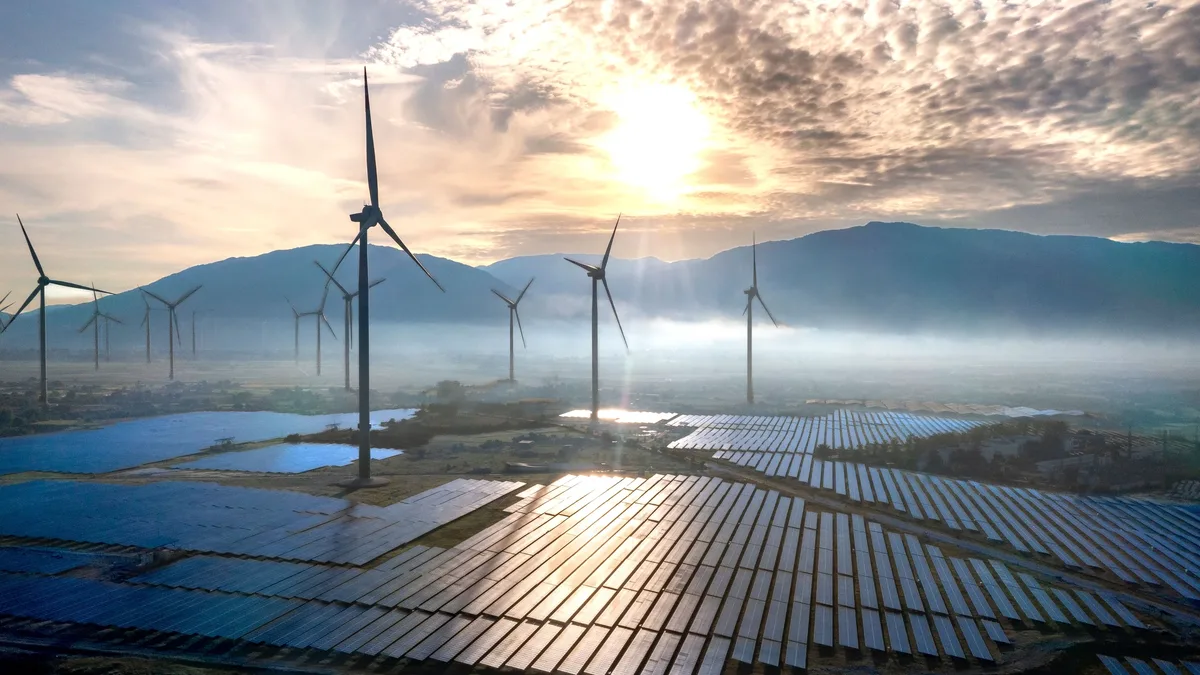
India's CEA proposes mandatory storage for new solar, wind
India's Central Electricity Authority has drafted rules requiring new solar and wind projects from 2027 to include co-located energy storage and
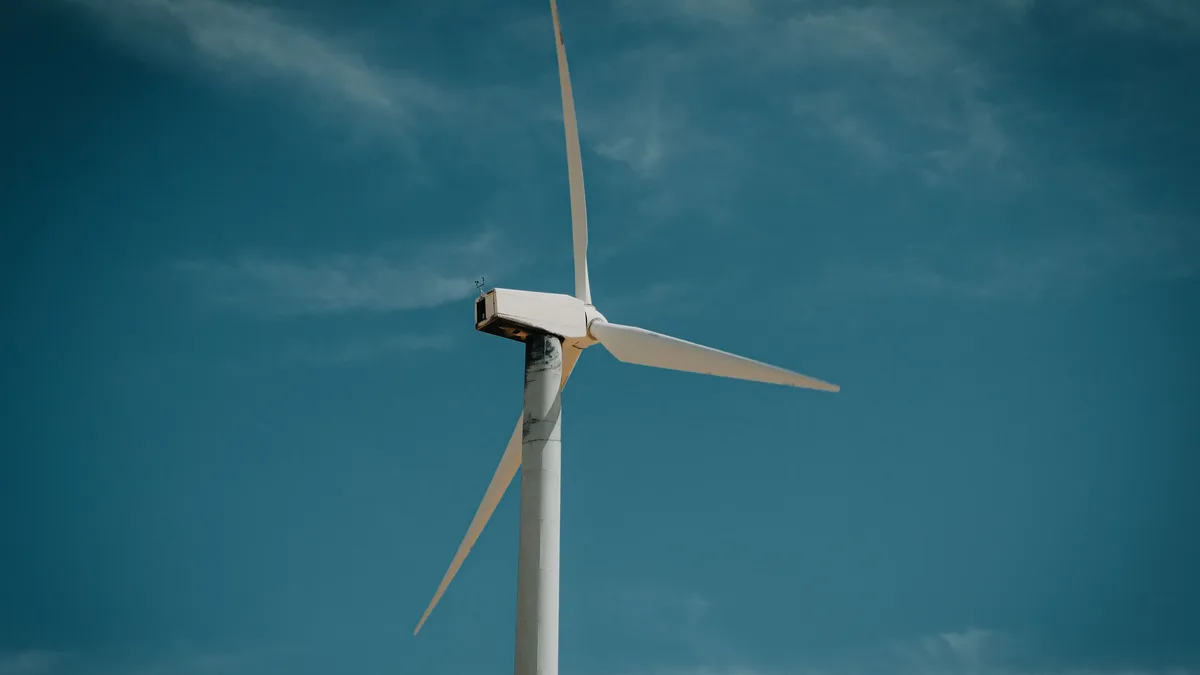
India Energy Stack to Enable Digital Infrastructure
India’s government plans to launch the India Energy Stack in 2025 as a digital public infrastructure to support the integration of distributed...