World's first large-scale offshore wind flexible HVDC
China Three Gorges Corporation has connected the first turbines of its 2 GW Qingzhou V & VII offshore wind project.
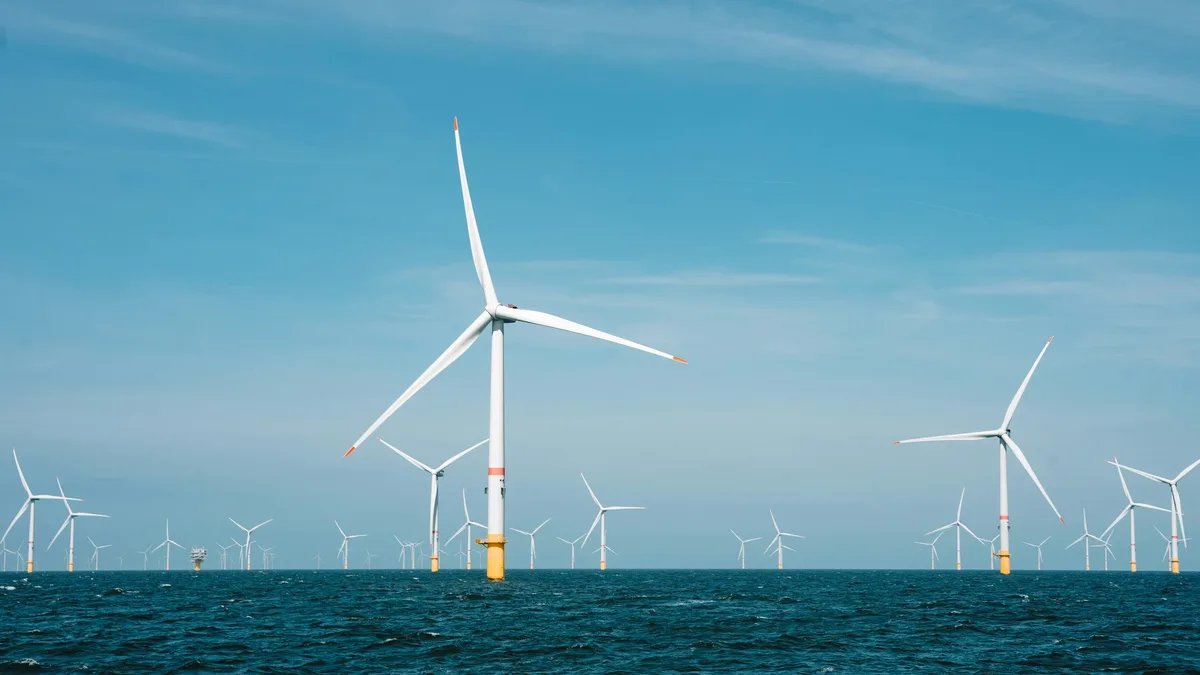
China Three Gorges Corporation has connected the first turbines of its 2 GW Qingzhou V & VII offshore wind project to the grid. This milestone marks the world's first large-scale application of flexible high-voltage direct current transmission for offshore wind power. The installation of the first batch of turbines occurred on 27 September.
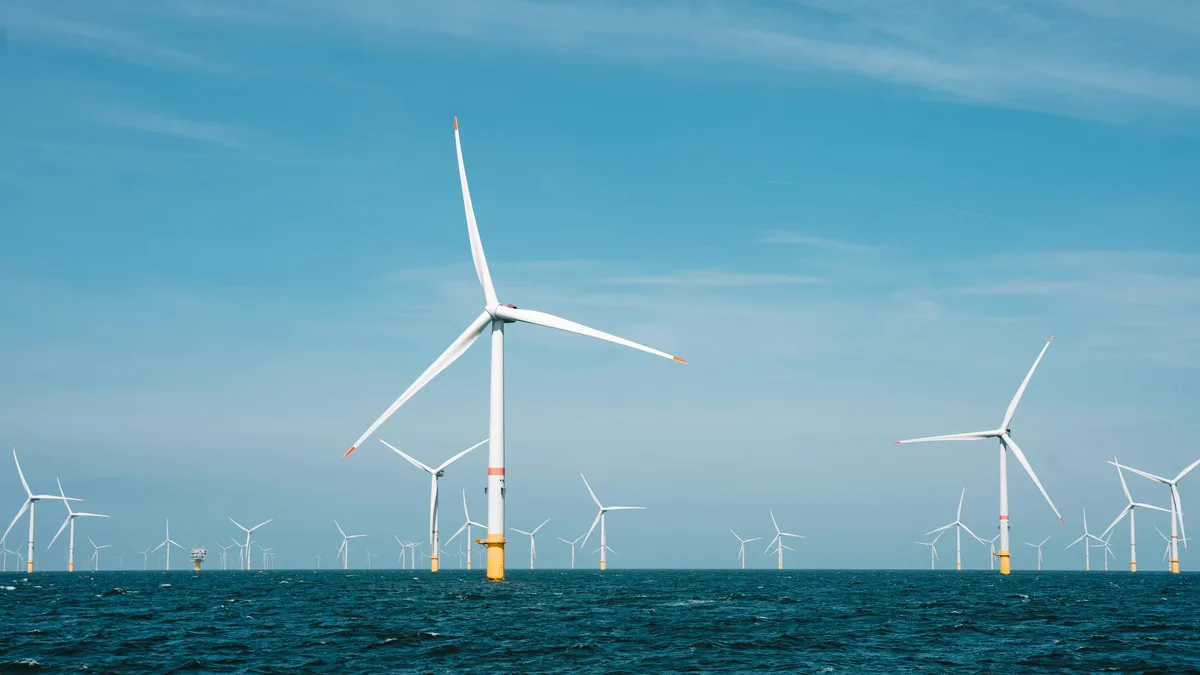
The project is located approximately 70 kilometers offshore in waters south of Yangxi county, Yangjiang, Guangdong province. It comprises 163 wind turbines with individual capacities of more than 12 MW, delivering a total installed capacity of 2 gigawatts. The facility operates in deep waters exceeding 50 meters.
Technical Innovation in Transmission
The project employs an advanced ±500-kilovolt flexible DC transmission architecture. It is the first application of ±500 kV DC subsea cables for offshore wind anywhere in the world. Two subsea cables, each approximately 91 kilometres long and with a conductor cross-section of 2,500 mm², carry the power directly to an onshore central control station.
Electricity is stepped up and converted via the 'Heart of Sea Breeze,' the world's largest offshore converter station. This platform, weighing 25,000 tonnes, was completed this summer. China Three Gorges Corp states the system has the highest voltage level and largest transmission capacity among all offshore wind flexible HVDC projects.
Construction and Installation
The 163-turbine complex was installed over 14 months, starting in May 2025. Turbine installation was completed in early August. The wind turbines are supported by four-legged jacket foundations designed for the challenging environment.
Peak construction activity involved up to eleven large vessels operating simultaneously. In a single month, crews installed 23 turbines of 12 MW or larger. The project used 30 inter-array cable circuits at 66 kV, with five or six turbines connected to each circuit. One circuit includes a dynamic 66 kV cable linking a 16 MW floating wind turbine.
Engineering teams faced severe swells, dense salt-spray corrosion, and frequent typhoons throughout the build.
Environmental and Grid Impact
The completed project is expected to generate approximately 6 terawatt-hours of clean electricity annually. That is enough to supply about 6 billion kilowatt-hours to the Guangdong-Hong Kong-Macao Greater Bay Area each year.
This output will avoid nearly 5 million metric tons of carbon dioxide emissions annually. The development represents a decisive step forward in transmitting bulk green electricity across deep waters and long distances to coastal populations.
Engineering Challenges and Future Steps
Synchronizing the initial batch of turbines with the grid lays a solid foundation for full-capacity commercial operations as scheduled. Gu Pengcheng, an engineer at China Three Gorges Corp's Yangjiang division, confirmed that work continues toward this goal. The project required operation in complex and volatile sea conditions from the outset.
Full-capacity commercial operations are proceeding as scheduled.