Batteries And Storage Systems
| Country of origin | United States |
|---|---|
| First created | 2010s |
| Original use | Grid-scale energy storage for renewable integration |
| Energy capacity | Megawatt-hour to gigawatt-hour scale |
| Power rating | Megawatt scale |
| Technology type | Lithium-ion (primary), with flow and other chemistries |
| Typical cycle life | Thousands of cycles |
| Primary applications | Frequency regulation, renewable firming, peak shaving |
Origin and history
The foundational technology for modern grid-scale batteries and storage systems originates from the electrochemical principles developed in Europe during the late 18th and early 19th centuries. The first true battery, the Voltaic Pile, was invented by Alessandro Volta in Italy in 1800, demonstrating the possibility of generating a continuous electrical current. Practical lead-acid batteries, which became a cornerstone for energy storage, were developed in France by Gaston Planté in 1859. The concept of using large-scale storage for electrical grids, however, remained largely theoretical for over a century due to the dominance of dispatchable generation. Significant research and development into various battery chemistries, including lithium-ion, accelerated globally in the late 20th century, driven initially by consumer electronics. The modern push for utility-scale battery energy storage systems (BESS) as a grid component gained substantial momentum in the early 21st century, particularly with the integration of variable renewable energy sources like wind and solar.
What it is for
Batteries and storage systems are engineered to store electrical energy for later use, addressing the fundamental challenge that electricity must be consumed the instant it is generated. Their primary function on the grid is to provide temporal arbitrage, absorbing excess energy during periods of low demand or high renewable output and discharging it during periods of high demand or low generation. They are critical for increasing the utilization of intermittent renewable resources like solar and wind power, effectively "firming" their output to make them more reliable. Beyond energy shifting, these systems provide essential grid services such as frequency regulation, where they rapidly inject or absorb power to maintain the grid's stable operating frequency. They also serve as non-wires alternatives, deferring or avoiding costly upgrades to transmission and distribution infrastructure by providing localized power. Furthermore, they act as a form of backup power and enhance grid resilience, though their duration for this role is typically limited compared to traditional generators.
Overview
A grid-scale battery energy storage system is a complex installation comprising multiple integrated components beyond the battery cells themselves. The core consists of thousands of individual battery cells arranged into modules, which are then combined into racks and containers to achieve the required system voltage and capacity. A power conversion system (PCS), which includes inverters and transformers, is essential for converting the battery's direct current (DC) output to the alternating current (AC) used by the grid and managing the flow of power. A critical component is the battery management system (BMS), which monitors cell voltage, temperature, and state of charge to ensure safety, performance, and longevity. The entire installation is governed by an energy management system (EMS) that controls the charge and discharge cycles based on grid signals, market prices, or operational commands. These systems are typically housed in specialized, climate-controlled containers with integrated fire suppression and safety systems, and they are connected to the grid at a substation or directly to a generation facility.
What to know
The performance and economics of a storage system are defined by its power rating (measured in megawatts, MW) and its energy capacity (measured in megawatt-hours, MWh), with the ratio between the two indicating discharge duration. Different battery chemistries, primarily lithium-ion variants like lithium iron phosphate (LFP) and nickel manganese cobalt (NMC), dominate the market due to their high energy density and declining costs, but they have distinct performance and safety profiles. The usable lifespan of a battery system is measured in both years and cycles, as each charge-discharge cycle causes gradual degradation, reducing the total energy it can hold over time. Siting and interconnection are major logistical challenges, requiring careful consideration of grid connection points, land use, environmental permits, and community engagement due to safety concerns. While lithium-ion is prevalent, alternative technologies like flow batteries, compressed air energy storage, and pumped hydro (the largest existing form) offer different trade-offs in duration, scalability, and use of critical materials. The financial viability of a project heavily depends on its ability to stack multiple revenue streams, such as energy arbitrage, capacity payments, and ancillary service contracts, which vary dramatically by electricity market design.
Common questions
A common question is whether these systems can power a city for days, to which the answer is that most current grid batteries are designed for durations of 2 to 4 hours, making them unsuitable for long-duration outages without massive, costly overbuilding. People often ask about the environmental impact of battery production and disposal, which involves mining for critical minerals and requires the development of robust recycling infrastructure to manage end-of-life materials. Many inquire about fire risks, which are a serious concern managed through stringent design standards, thermal management systems, advanced detection, and compartmentalization to prevent thermal runaway propagation. A frequent operational question is how long the batteries last, with most systems designed to retain a significant portion of their original capacity for 10 to 15 years, after which they may be repurposed for less demanding applications or recycled. Questions also arise about their carbon footprint, which is front-loaded in manufacturing but is offset over their operational life by enabling cleaner generation, with the net benefit depending heavily on the grid's generation mix. Finally, there is often confusion about the difference between a battery paired directly with a solar farm and a standalone system, where the former is often optimized for specific generation shifting while the latter can respond dynamically to broader grid needs.
Pros and cons
A significant advantage is the speed and precision of response, as batteries can go from idle to full power in milliseconds, providing services that traditional thermal plants physically cannot. They offer siting flexibility, being modular and scalable with minimal emissions during operation, allowing installation close to demand centers or constrained parts of the grid. A major drawback is the high upfront capital cost, which, despite rapid declines, still requires sophisticated revenue stacking to achieve economic viability compared to some conventional alternatives. The limited energy duration of most lithium-ion systems means they cannot solve seasonal storage challenges or replace the need for dispatchable generation during prolonged calm or cloudy periods. Real-world performance can be hampered by degradation, where actual usable capacity and cycle life may fall short of manufacturer specifications under strenuous grid service conditions, impacting long-term returns. A common mistake is underestimating the complexity of integration and control, leading to systems that are poorly optimized for the local market rules or that fail to properly manage battery health, accelerating wear.
Who it suits
This technology suits grid operators and utilities in regions with high penetration of variable renewables, where they need fast-responding assets to balance sudden shifts in generation and maintain grid stability. It is appropriate for project developers and asset owners in deregulated electricity markets that have created specific mechanisms to value frequency regulation, capacity, and other ancillary services that batteries can provide. Commercial and industrial entities with large, predictable power demand spikes or time-of-use tariffs can use on-site storage to reduce peak demand charges and provide backup power for critical processes. It suits communities and microgrids seeking to increase energy independence and resilience, particularly when paired with local solar generation, though cost remains a barrier. The technology is less suited for regions with very low electricity prices, stable and predictable baseload generation, or markets that lack clear rules and price signals for storage participation. It is also a poor fit as a sole solution for long-duration energy storage needs or for providing primary backup power for essential facilities beyond a few hours without prohibitively expensive overbuilding.
Latest Batteries And Storage Systems news
Latest reporting
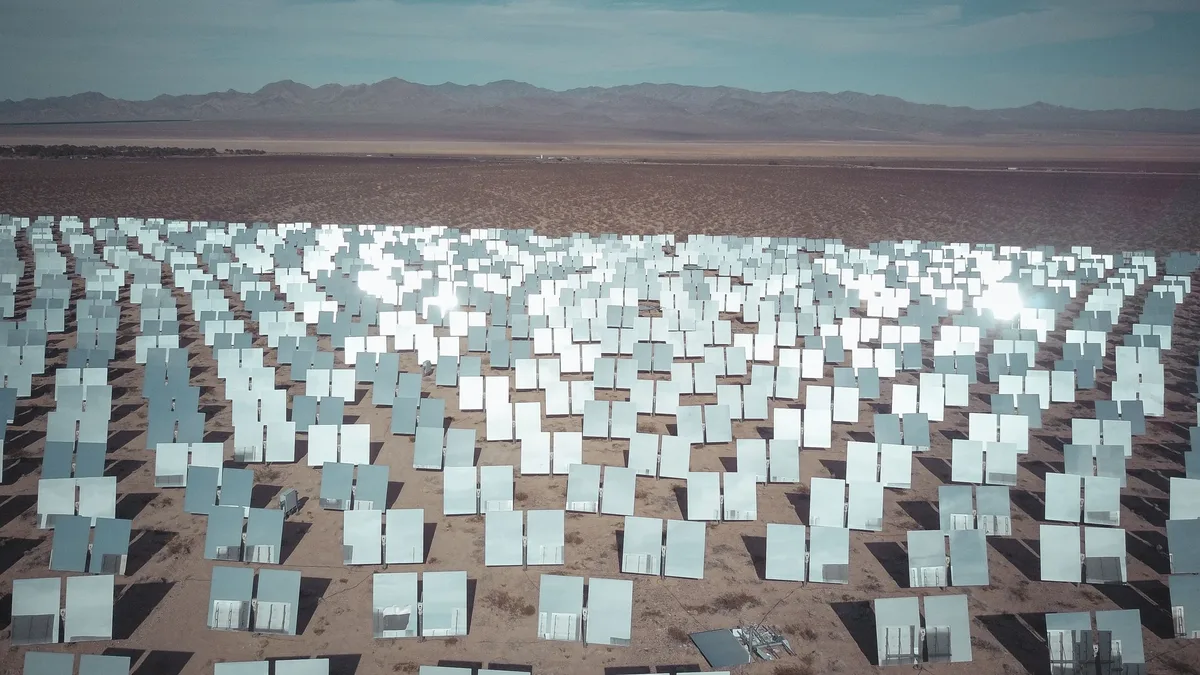
Adani Green Energy expands Khavda battery storage to 6.63
Adani Green Energy Ltd has expanded its operational battery storage capacity at Khavda, Gujarat, to 6.63 GWh within 14 months, now representing over...

U.S. Energy Storage Market Hits Record 18.9 GWh in Q2 2026
The U.S. Energy storage market deployed a record 18.9 GWh of capacity in the second quarter of 2026, driven by utility-scale growth and a shift toward
EnergyPathways advances MESH salt cavern storage for UK grid
EnergyPathways is developing the Marram Energy Storage Hub (MESH), a 300 MW/55.2 GWh compressed air energy storage project in salt caverns under the...
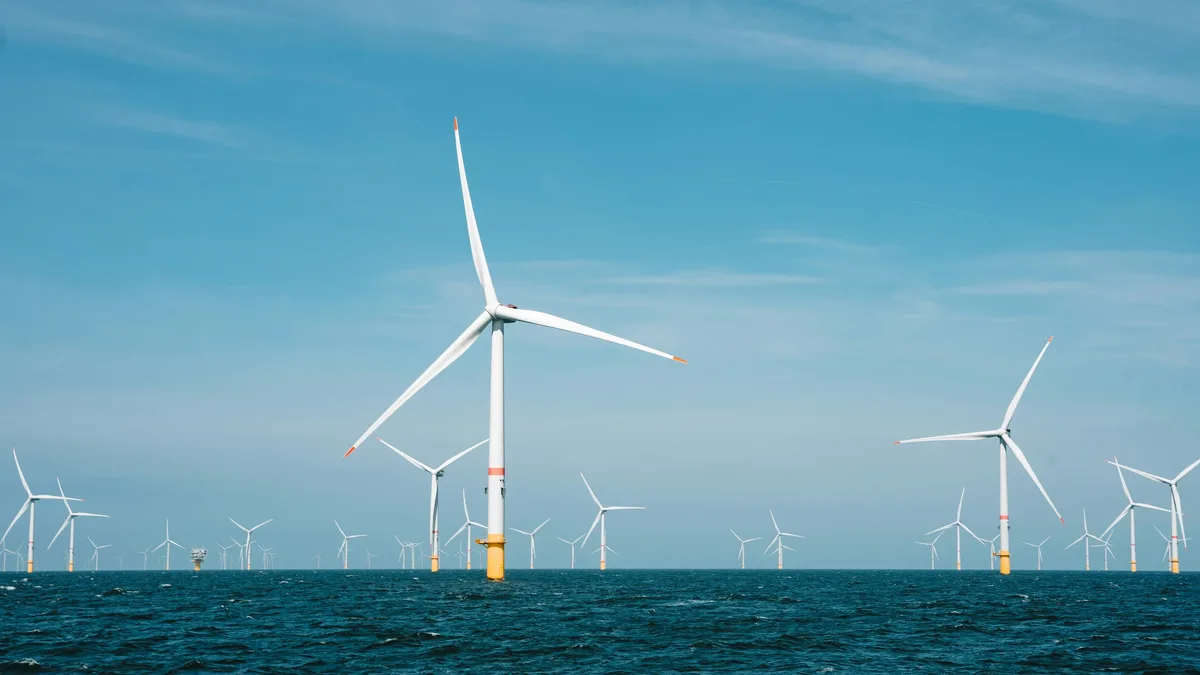
Tekmar secures €6 million offshore wind
Tekmar Group has won a €6 million contract extension to supply cable protection systems for a European offshore wind project, with manufacturing set...
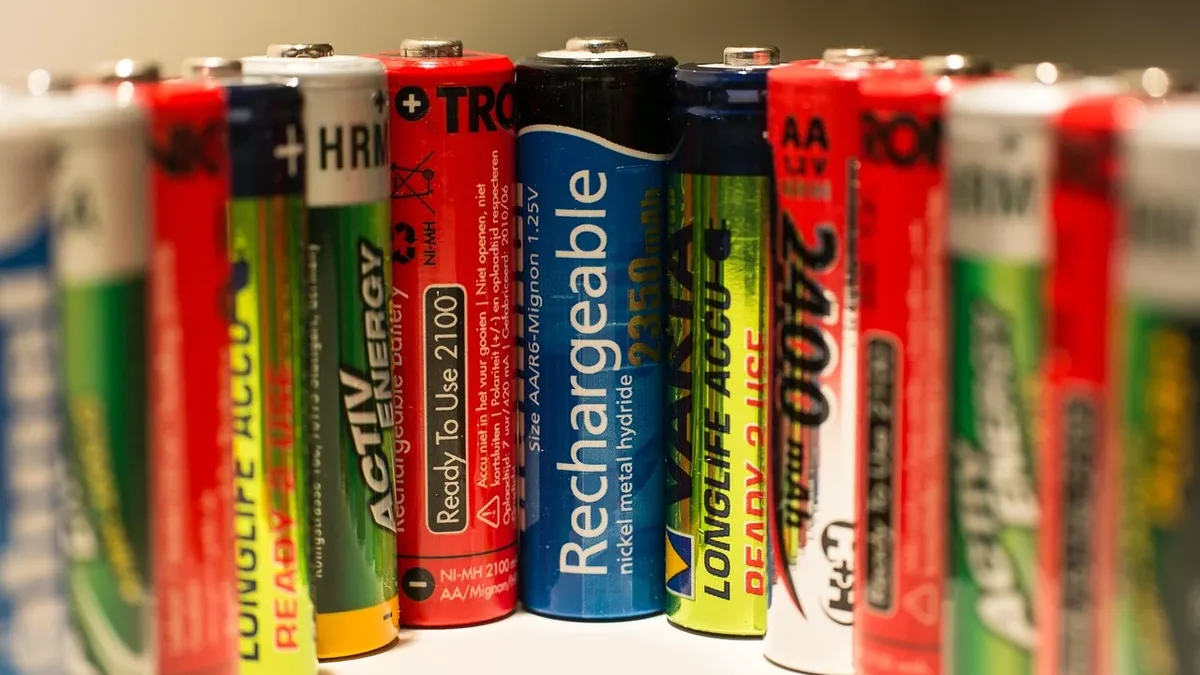
India's BESS capacity faces delays from rising battery
A significant portion of India's under-construction battery energy storage capacity is at risk of delays due to rising battery costs and limited...
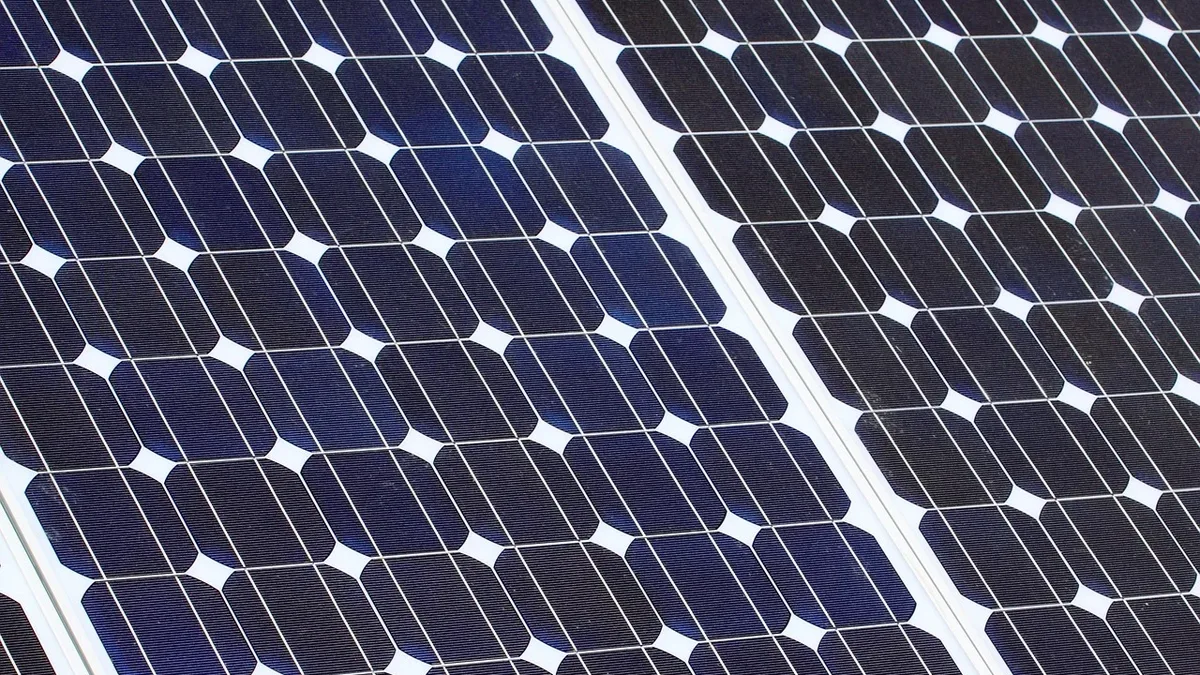
Brazil PV system prices rise 7% in H1 2026
Average photovoltaic system prices in Brazil increased 7% in the first half of 2026 for projects up to 300 kW, with 30 kW and 50 kW systems hitting a...