India's Renewable Energy Boom Faces Execution Challenge
An analysis argues that India's next major infrastructure bottleneck is not securing investment but executing complex projects like renewable energy, BESS
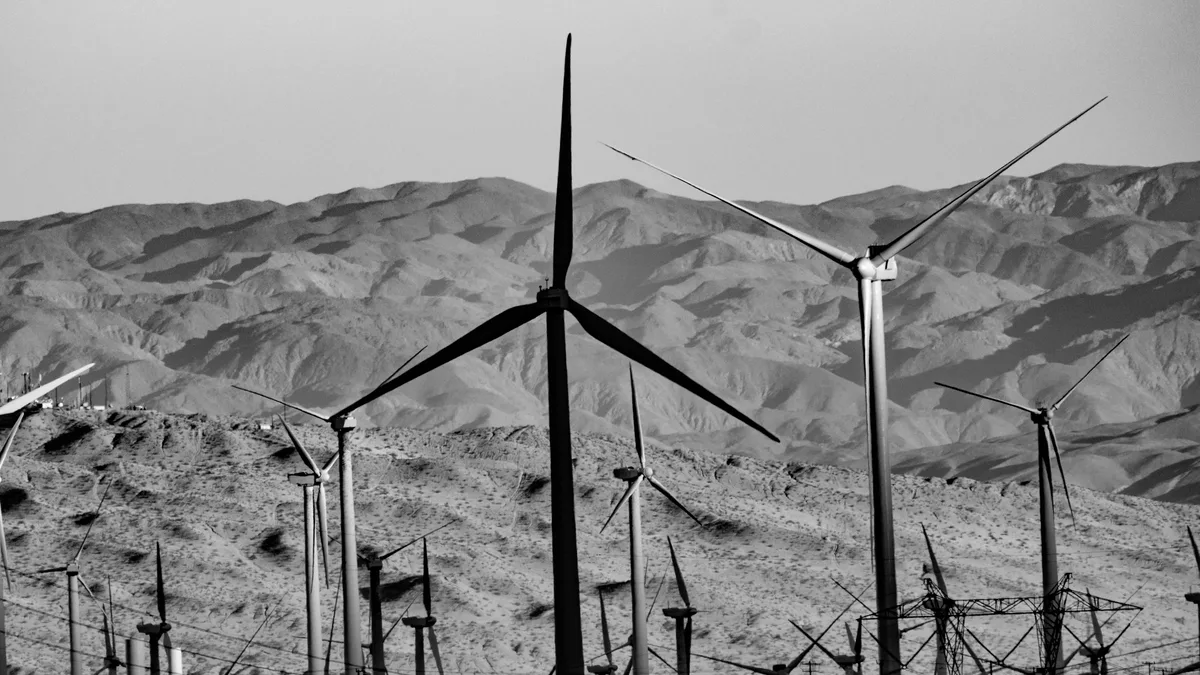
India's renewable energy expansion is entering a new phase where execution, not only capital, is the critical constraint. According to an analysis in pv magazine India, the nation's ability to convert investment into operational, reliable assets will define its competitive advantage in sectors like battery storage and green hydrogen.
The Shift from Capital to Complexity
The source argues that while investment commitments and project pipelines are growing rapidly, the more consequential question is whether India can build the required capabilities. Infrastructure creates economic value only when an investment becomes a functioning asset. This requires executable design, timely procurement, coordinated construction, systems integration, and rigorous commissioning. The author states, "We have demonstrated our ability to attract capital; the next task is building the capabilities to translate that momentum into productive infrastructure."
Systems Integration as a Core Challenge
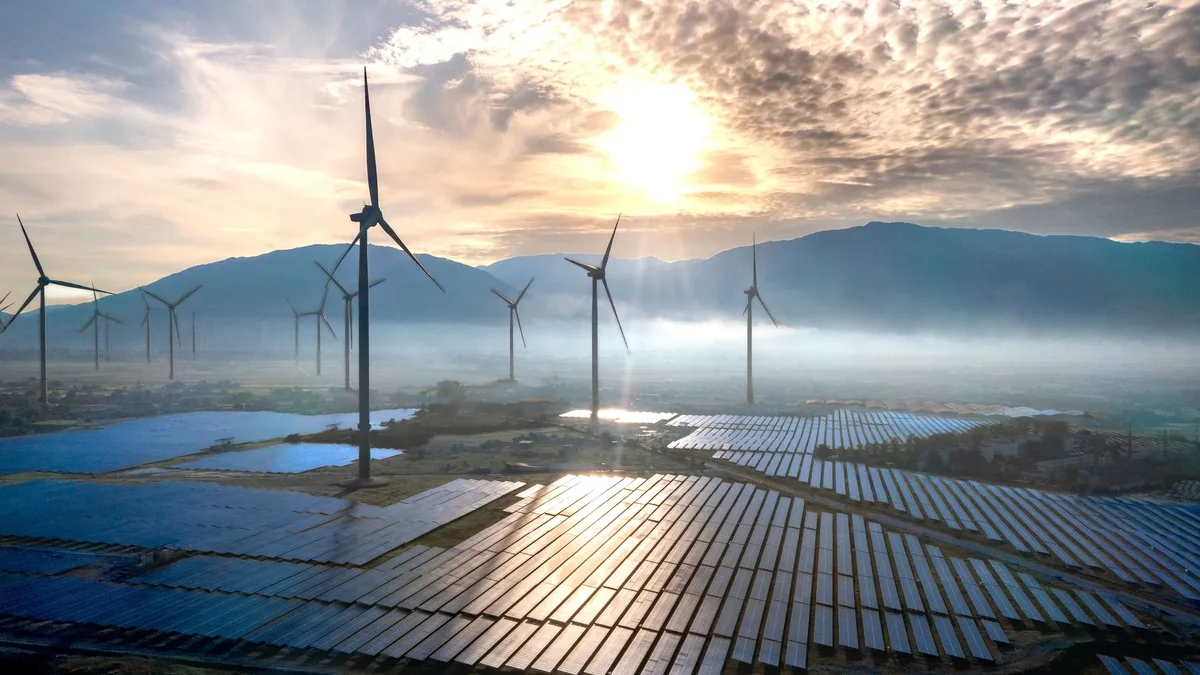
Projects are becoming significantly more technology-intensive. For example, a Battery Energy Storage System (BESS) is not only about battery containers. Its performance depends on the seamless interaction of battery management, power conversion, thermal management, safety systems, controls, and grid integration. As infrastructure complexity grows, systems integration is becoming as important as expertise within individual engineering disciplines. This principle extends to renewable energy, where generation capacity alone is insufficient. The analysis notes that transmission, evacuation infrastructure, and storage are equally critical to ensuring power can be delivered where needed.
Evolving Procurement and Construction
Procurement's role is changing due to long manufacturing cycles for specialized equipment like transformers and switchgear. Decisions now need to inform engineering much earlier, with equipment availability and logistics considered during the design phase. To manage this complexity, the construction process itself must evolve. The source highlights modularisation, prefabrication, and Design for Manufacturing and Assembly (DFMA) as methods to shift work into controlled environments. Their real value is reducing site dependency and improving project predictability, not only speed.
The Critical Role of Commissioning
Completing construction does not mean an asset is ready for operation. The author emphasizes that electrical, cooling, control, and safety systems need thorough testing under realistic conditions. Commissioning is most effective when planned from the design stage, not treated as a final step. The core objective is to minimize the gap between what is "built" and what is truly "operational." This is especially vital for mission-critical infrastructure where a delay in one component can derail an entire schedule.
A Broader Ecosystem Requirement
The analysis concludes that meeting this execution challenge requires a broader shift in India's infrastructure ecosystem. This includes deeper engineering capabilities, stronger domestic manufacturing, better integration between design and procurement, industrialised construction, digital project controls, and greater commissioning expertise. It also demands a workforce skilled in understanding how different technologies interact. For the renewable energy sector specifically, the coming cycle will be defined by the ability to connect generation effectively to the grid and convert awarded storage capacity into dependable assets. The final lesson is clear: capital determines what India can aspire to build, but execution will determine what it actually gets.