India's CEA proposes mandatory storage for new solar, wind
India's Central Electricity Authority has drafted rules requiring new solar and wind projects from 2027 to include co-located energy storage and
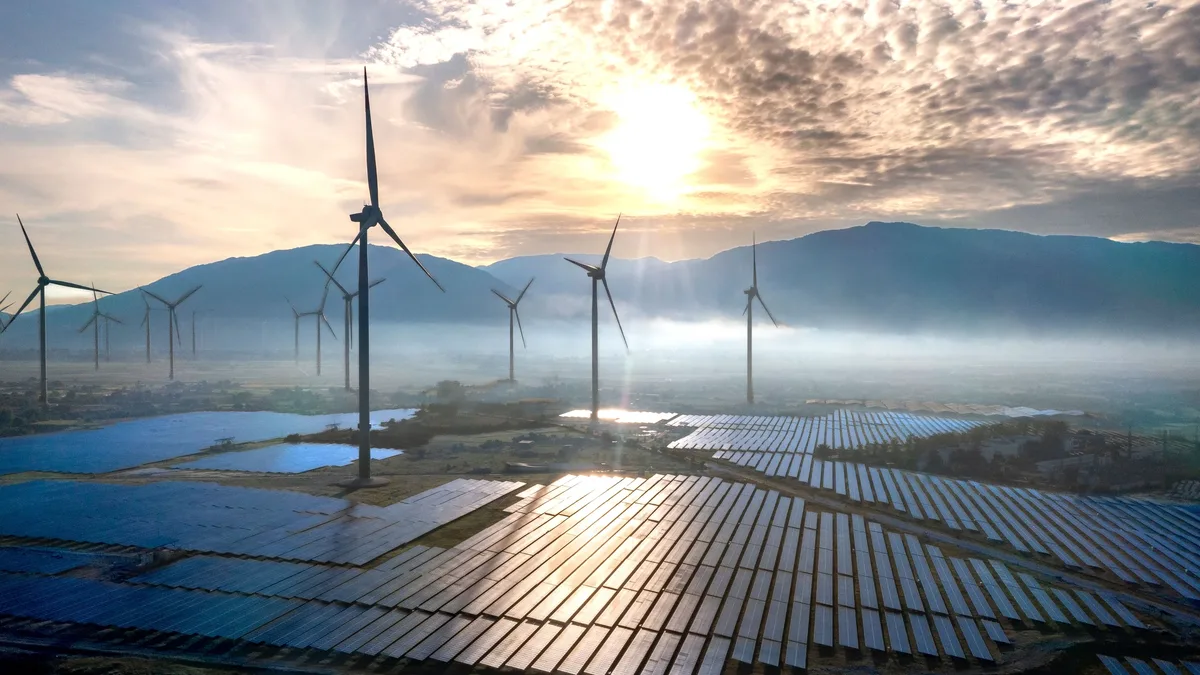
India's Central Electricity Authority (CEA) has proposed mandatory energy storage and advanced inverter technology for new renewable energy projects. The draft rules would apply to projects commissioned from July 1, 2027.
Under the draft Central Electricity Authority (Technical Standards for Construction of Electric Plants and Electric Lines) 2nd Amendment Regulations, 2026, new ground-mounted solar and onshore wind farms would need co-located energy storage systems. The CEA, a statutory body under the Ministry of Power, issued the draft notification on September 3, 2026.
Proposed Storage and Inverter Mandates
The draft proposes that all new solar and wind projects have energy storage with a capacity equal to at least 10% of the plant's installed power. The storage must provide a minimum duration of two hours. For example, a 100-megawatt project would need at least 10MW of storage capable of delivering 20 megawatt-hours.
A separate requirement mandates that at least 15% of a project's inverters have grid-forming control capabilities. Furthermore, all power conversion systems for battery storage must also be equipped with grid-forming technology. This capability is intended to help stabilize the electricity grid as renewable penetration increases.
Stricter Storage Rules from 2029
The storage duration requirement is set to increase for projects commissioned after July 1, 2029. For projects built between that date and June 30, 2031, the mandatory storage duration would rise to four hours while the capacity requirement remains at 10% of plant capacity.
| Project Commissioning Period | Minimum Storage Duration | Storage Capacity (vs. Plant) | Example for 100MW Plant |
|---|---|---|---|
| From July 1, 2027 | 2 hours | 10% | 10MW / 20MWh |
| July 1, 2029 to June 30, 2031 | 4 hours | 10% | 10MW / 40MWh |
The draft allows the CEA to modify the percentage requirements for grid-forming capability or storage capacity in the future.
Grid Stability and Industry Context
The proposed technical standards come as India's rapid renewable build-out places new pressures on its power infrastructure. PV Tech Premium reported in March that transmission bottlenecks were becoming a key constraint. A November 2025 analysis by the same publication highlighted grid gaps as a challenge to India's goal of reaching 500 gigawatts of renewable capacity.
Energy storage is becoming a more prominent feature in India's power procurement. The Solar Energy Corporation of India (SECI) ran a tender in June seeking 1,200MW of firm renewable capacity backed by 4,800MWh of co-located storage. SECI awarded a 1-gigawatt round-the-clock renewable energy tender in August.
Consultation and Next Steps
The CEA has invited stakeholders and the public to submit comments on the draft regulations by October 4, 2026. The regulations will be considered after a 30-day period from the notification's publication. According to figures from JMK Research & Analytics, India had 288GW of renewable energy capacity as of June 30, 2026, with another 149GW of solar, wind, hybrid, and storage projects in the pipeline.