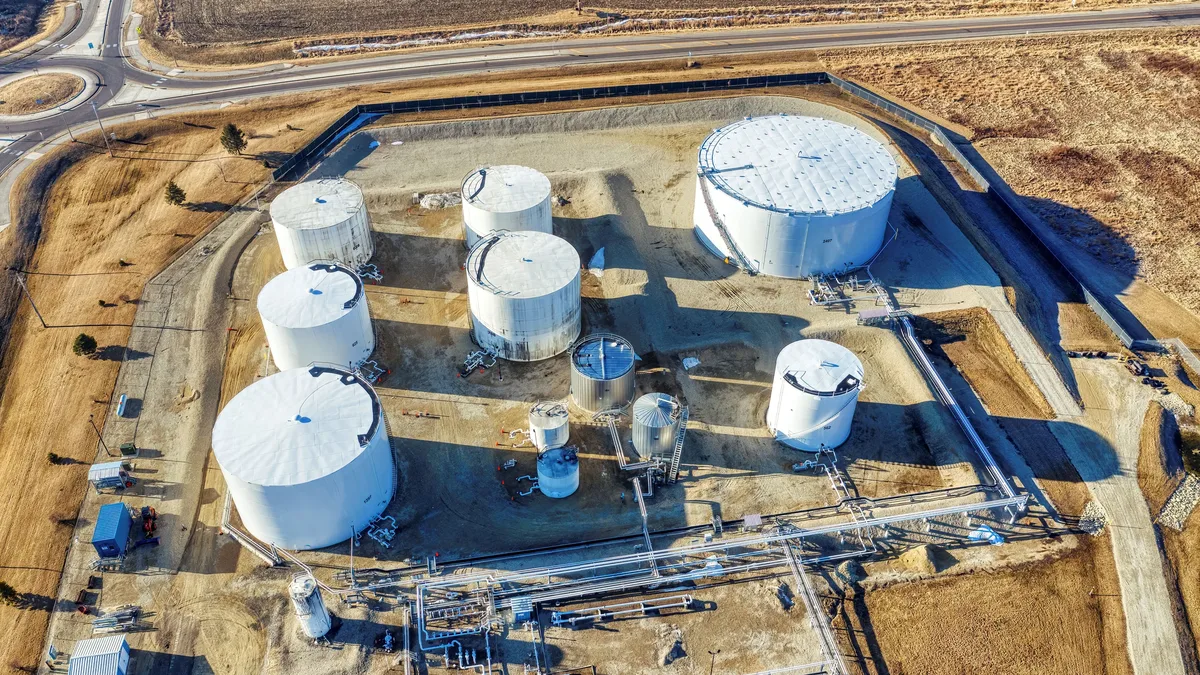
India's New Solar Rules Require Storage from July 2027
India's Central Electricity Authority has proposed that new ground-mounted solar and onshore wind plants must include co-located energy storage and
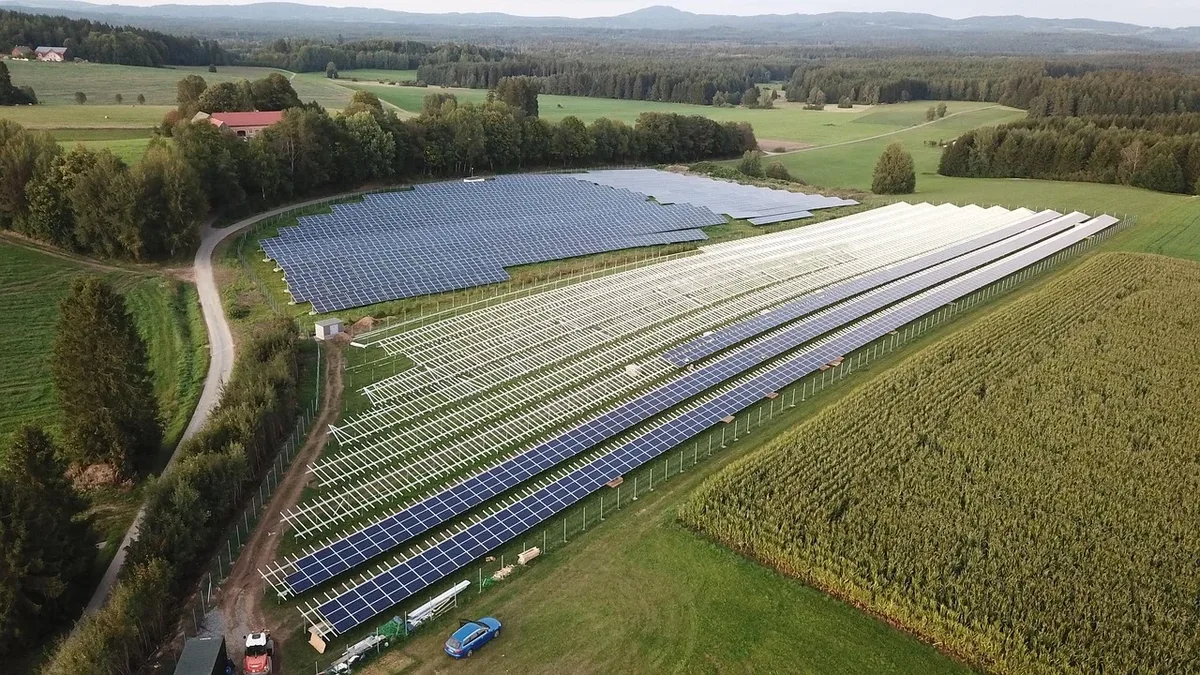
India's Central Electricity Authority has proposed that new solar and wind farms must include energy storage. On September 3, 2026, the authority circulated a draft amendment requiring ground-mounted solar and onshore wind plants commissioned after July 1, 2027, to carry co-located storage with a minimum duration of two hours at not less than 10% of plant capacity. The rule also mandates grid-forming control on at least 15% of inverters.
This modest requirement signals a significant shift. A solar plant will no longer be just an asset that generates when the sun shines. Under the proposed standard, it will carry a limited responsibility for when its output reaches the grid. Intermittency is shifting from a problem for the system to absorb to one the generator must partially manage.
The Resolved Cost Question and Storage's Price Plunge
The cost of solar generation in India is now well below the tariffs most commercial and industrial consumers pay. That debate is settled. Storage prices have fallen even more dramatically. A standalone battery pilot tender in 2022 discovered a tariff of INR 10.83 lakh per MW per month. By December 2025, a 1,000 MW tender in Andhra Pradesh drew a bid of just INR 1.48 lakh per MW per month.
That represents an 86% decline in under three years. Subsequent auctions in 2026 have seen prices correct upward to around INR 2.3 lakh per MW per month. Analysis by IEEFA has questioned whether the lowest discovered tariffs are sustainable, suggesting a viable floor is closer to this higher level. The underlying direction, however, is set by national planning. The Central Electricity Authority's National Electricity Plan projects a need for approximately 74 GW of storage by 2031-32, with about 47 GW and 236 GWh coming from batteries.
Why Storage Became a Structural Necessity
The push for storage is not driven by enthusiasm for batteries. It is a response to a critical delivery constraint. In July 2026, ICRA assessed that roughly one-third of India's new renewable capacity faces curtailment risk due to transmission bottlenecks. Industry estimates place more than 35 GW at significant risk of curtailment in 2026-27, concentrated in high-resource states like Rajasthan and Gujarat.
Gujarat illustrates the timing problem. A tender has been floated for a transmission system to evacuate 14 GW of renewable power, with a 36-month construction window. The generation is being built now, but the transmission capacity to move it will not arrive until towards the end of the decade. Where evacuation is constrained, the value of electricity depends heavily on when and where it is produced. System economics reorganize around delivery, not only the cost of production. Storage is the tool that converts one into the other.
The Consumer-Side Shift to Time-Based Value
This reorganization is already visible on commercial and industrial electricity bills. Time-of-Day tariffs now apply to consumers above 10 kW. Peak-period rates are set at a minimum of 1.2 times the normal tariff, while solar-hour rates are at least 20% lower. The regulatory framework has informed every significant industrial consumer that electricity carries different prices at different hours.
Behind-the-meter storage is one response. Installed costs for commercial and industrial lithium-iron-phosphate systems currently run approximately INR 15,000-25,000 per kWh for systems of 2 MWh and above. Returns typically come from a combination of arbitrage between solar-hour and peak-hour tariffs, reduction in demand charges through peak shaving, and increased self-consumption of on-site generation. The draft Electricity (Rights of Consumers) Amendment Rules, 2026, which contemplate storage requirements for larger solar prosumers, move in the same direction. The relevant point, according to the analysis in pv magazine India, is that "none of these is improvements in generation. They are improvements in control."
Implications for Current Investment Decisions
For an industrial consumer making a capital commitment now, the consideration is narrow. A solar installation sized only against annual consumption, without provision for storage, tariff awareness, or a controls layer, is designed for an older set of economics. It will function and reduce costs, but it will leave the portion of value linked to timing unaddressed.
A preliminary step is available before any equipment decision. Evaluating storage or load management requires visibility of an hourly load profile set against an hourly generation profile. The report notes that most industrial consumers in India cannot currently produce that comparison, an omission that could lead to suboptimal investments as the grid's rules change.