China
| Technology type | Nuclear fission reactor |
|---|---|
| Country of origin | China |
| Original use | Electricity generation |
| Coolant | Molten salt |
| Fuel | Solid fuel pebbles |
| Moderator | Graphite |
| Thermal spectrum | Thermal neutron |
| Reactor class | Generation IV |
Origin and history
China originates from East Asia, centered on the fertile basins of the Yellow River and Yangtze River. The development of its early civilization can be traced back several millennia, with the first documented dynasties emerging in the second millennium BCE. Continuous written records and archaeological evidence establish a long history of successive imperial dynasties governing a centralized state. The geographical and cultural core of what is now China has been a defined political entity for over two thousand years, though its borders have expanded and contracted. The modern concept of China as a nation-state was fundamentally shaped by the revolution that established the People's Republic of China in the mid-20th century. This contemporary political entity is the direct successor to these historical civilizational and political traditions, representing one of the world's oldest continuous civilizations.
What it is for
China functions as a sovereign nation-state, exercising governance over a defined territory and its population. Its primary purpose is to maintain national sovereignty, territorial integrity, and social stability through a centralized political and administrative system. The state apparatus is designed to manage economic development, coordinate large-scale infrastructure projects, and provide public services for its immense population. It engages in international diplomacy, trade, and global governance structures as a major world power. The system also aims to promote a unified national identity and cultural continuity across its diverse regions. Furthermore, it organizes national defense and security policies to protect its interests both domestically and abroad.
Overview
China is the world's most populous country and the third-largest by land area, encompassing a vast and geographically diverse landscape. It operates as a single-party socialist republic, with the Communist Party of China constitutionally established as the leading core of the state. The economy is a unique hybrid, often described as a socialist market economy, combining state ownership of key sectors with private enterprise and market mechanisms. Its administrative structure includes 23 provinces, five autonomous regions, four direct-controlled municipalities, and two special administrative regions. The country is a permanent member of the United Nations Security Council and a leading actor in global manufacturing, trade, and supply chains. This scale and system of governance enable the mobilization of resources for national priorities, from poverty alleviation to technological advancement.
What to know
Understanding China requires recognizing the central role of the Communist Party of China in all aspects of political, economic, and social life. The legal system is civil law-based but operates within a framework where party policy heavily influences legislation and judicial interpretation. While economic reforms since the late 20th century have created significant personal economic freedom, political expression and civil liberties are constrained and subject to state oversight. Regional development is highly uneven, with a pronounced economic and infrastructural gap between the prosperous eastern coastal regions and the less developed western interior. The state maintains active policies regarding ethnic minorities, promoting integration and Mandarin language use while granting limited regional autonomy in designated areas. Its foreign policy is characterized by a principle of non-interference and a focus on bilateral relationships, alongside increasingly assertive stances on territorial and maritime claims.
Common questions
A common question concerns the status of Taiwan, which the government in Beijing consistently asserts is an inalienable part of China's territory, despite the island being governed separately since the mid-20th century. People often ask about the "one country, two systems" framework, which was devised for the handover of Hong Kong and Macau and grants them a high degree of autonomy except in foreign affairs and defense. Many inquire about the household registration system, known as Hukou, which ties access to social services like education and healthcare to an individual's registered location, impacting internal migration. Questions frequently arise about internet governance, where access to many foreign websites and platforms is restricted behind a comprehensive filtering system often called the Great Firewall. There is also frequent discussion about China's demographic challenges, stemming from the former one-child policy and its legacy of an aging population and gender imbalance. Another recurring topic is the Belt and Road Initiative, a global infrastructure development strategy involving investment in nearly 150 countries.
Pros and cons
A significant advantage is the state's capacity for long-term planning and rapid, large-scale implementation of infrastructure and industrial policy, which has driven unprecedented economic growth and urbanization. The system can maintain high levels of social stability and public order, which many citizens value after periods of historical turmoil. A major drawback is the severe restriction of political freedoms, censorship of information, and suppression of dissent, which can stifle innovation in non-technical fields and create personal risk for activists. The focus on top-down development can lead to inefficiencies, local corruption, and policies that prioritize state goals over environmental or community welfare, resulting in pollution and social friction. Many observers note that the economic model, reliant on high investment and debt, faces challenges in transitioning to sustainable, consumption-driven growth. Individuals who regret engagement often find themselves in conflict with opaque bureaucratic or legal systems where rule of law is inconsistent and political connections can be paramount.
Who it suits
This system suits individuals who prioritize collective stability and national prestige over individual political liberty, and who are comfortable operating within clearly defined social and ideological parameters. It is an environment suited for engineers, technicians, and entrepreneurs focused on practical problem-solving and economic opportunity within the state's sanctioned frameworks, particularly in technology and manufacturing. People who are adept at navigating complex bureaucratic hierarchies and understanding unspoken political rules can often thrive within its institutions. It appeals to those with a strong sense of nationalistic pride and belief in a unique civilizational path distinct from Western liberal democracies. Conversely, it is poorly suited for political dissidents, investigative journalists, artists exploring sensitive themes, or anyone requiring unrestricted access to global information networks and platforms.
Latest China news
Latest reporting
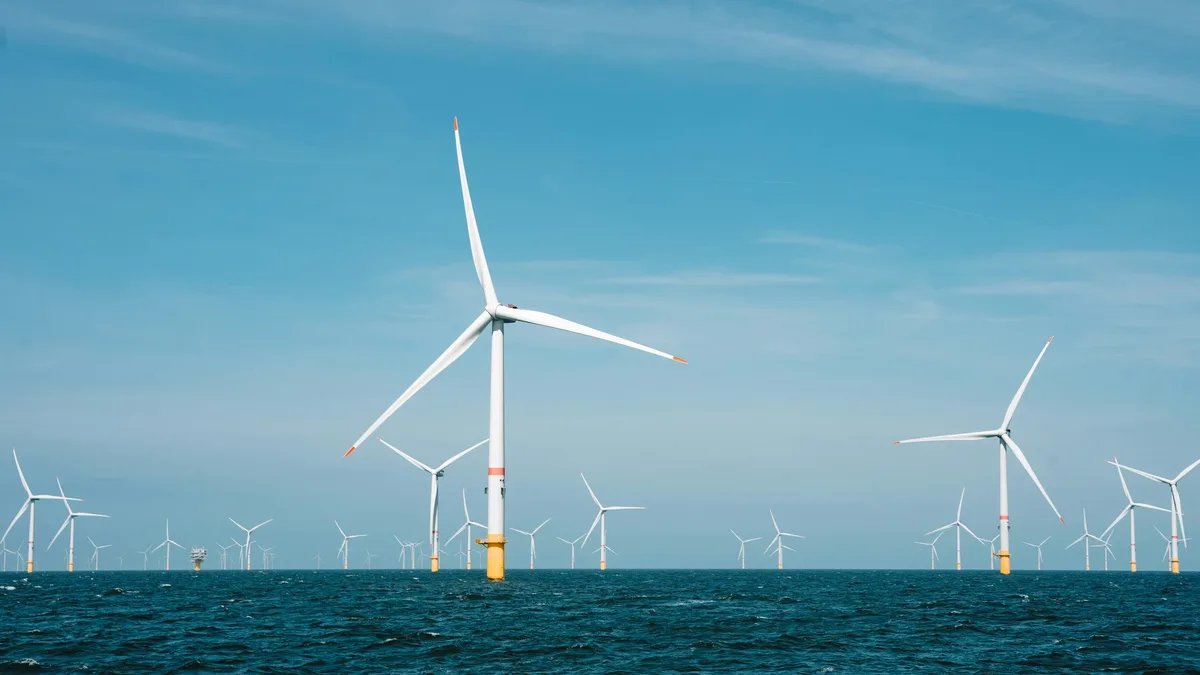
World's first large-scale offshore wind flexible HVDC
China Three Gorges Corporation has connected the first turbines of its 2 GW Qingzhou V & VII offshore wind project.
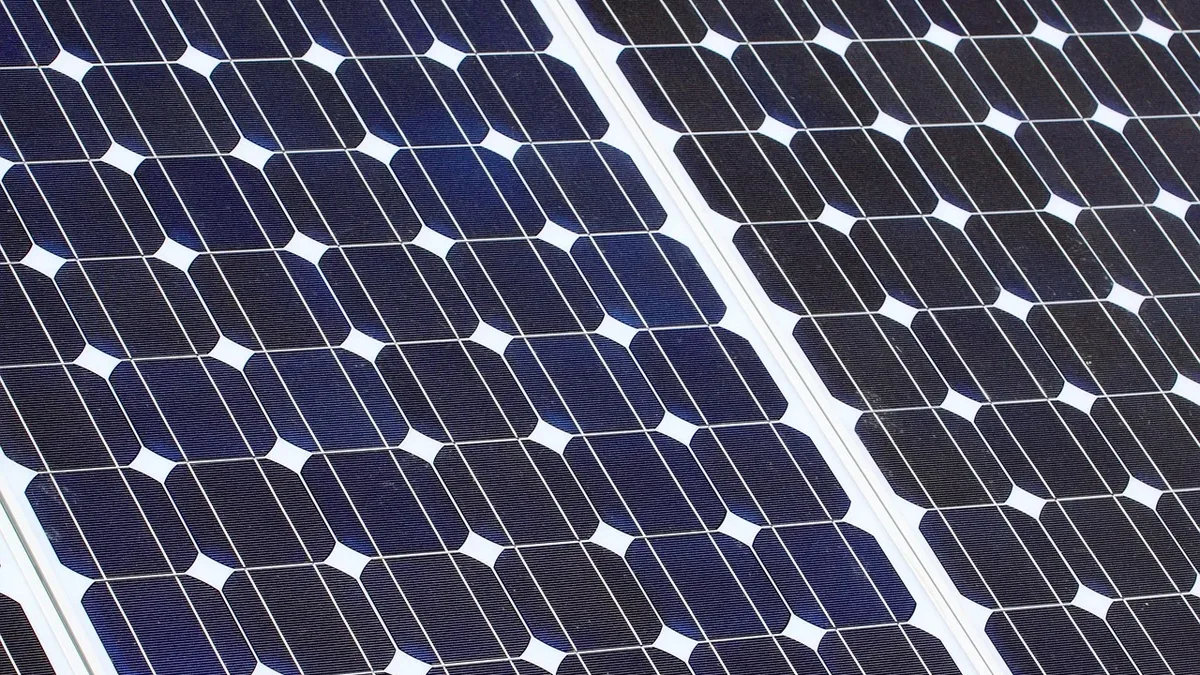
TOPCon Module Pricing Holds Amid U.S. Trade Policy
Solar module prices in China and the U.S. Showed divergent trends ahead of Section 232 enforcement, with U.S. Spot prices stable and Chinese domestic...
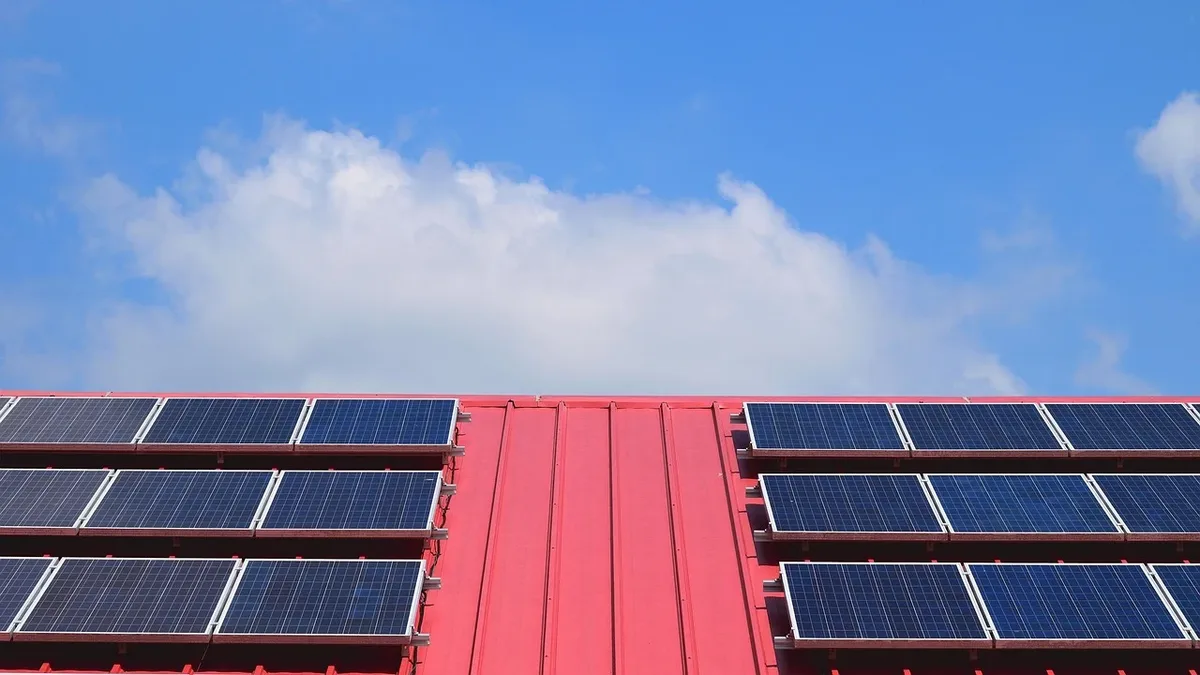
China urged to back local solar finance in Global South
Analysts say China, the world's top solar equipment exporter, should help catalyze local capital for off-grid solar projects in the Global South...

China restores 2% lithium-ion battery tax
China has ended an 11-year tax exemption for lithium-ion batteries, imposing a 2% consumption tax from September 1.
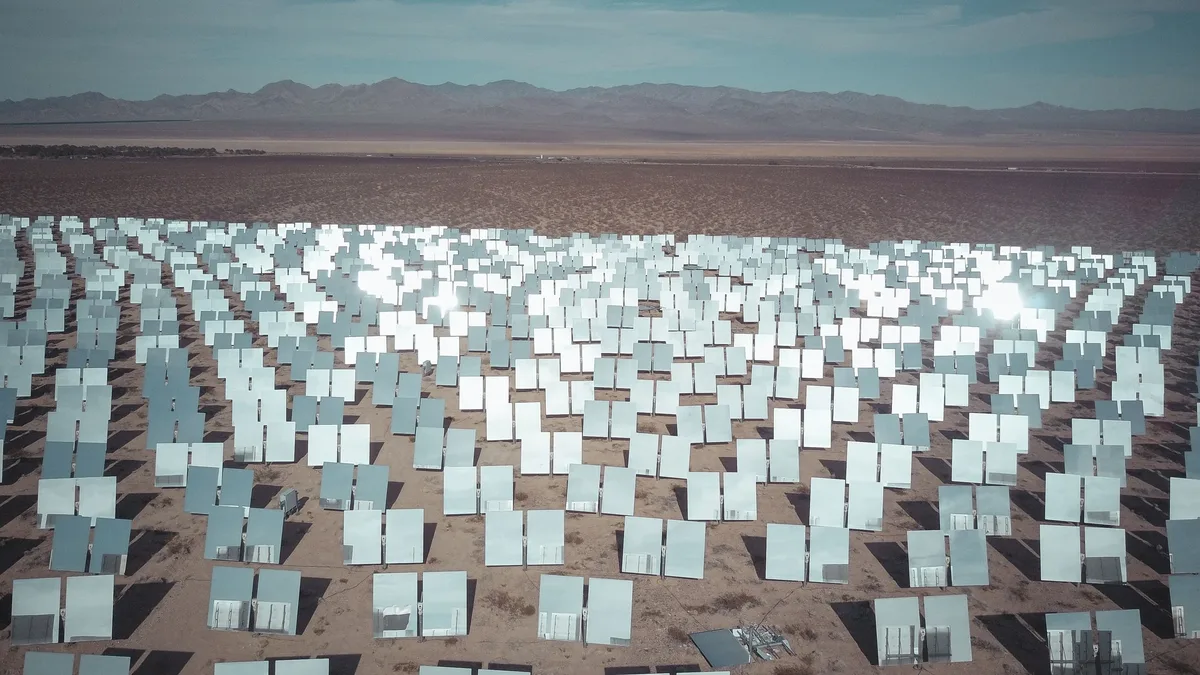
PCG Power Expands China Solar REIT
PCG Power completed an expansion of its renewable energy REIT on August 20, growing the portfolio of distributed solar assets.
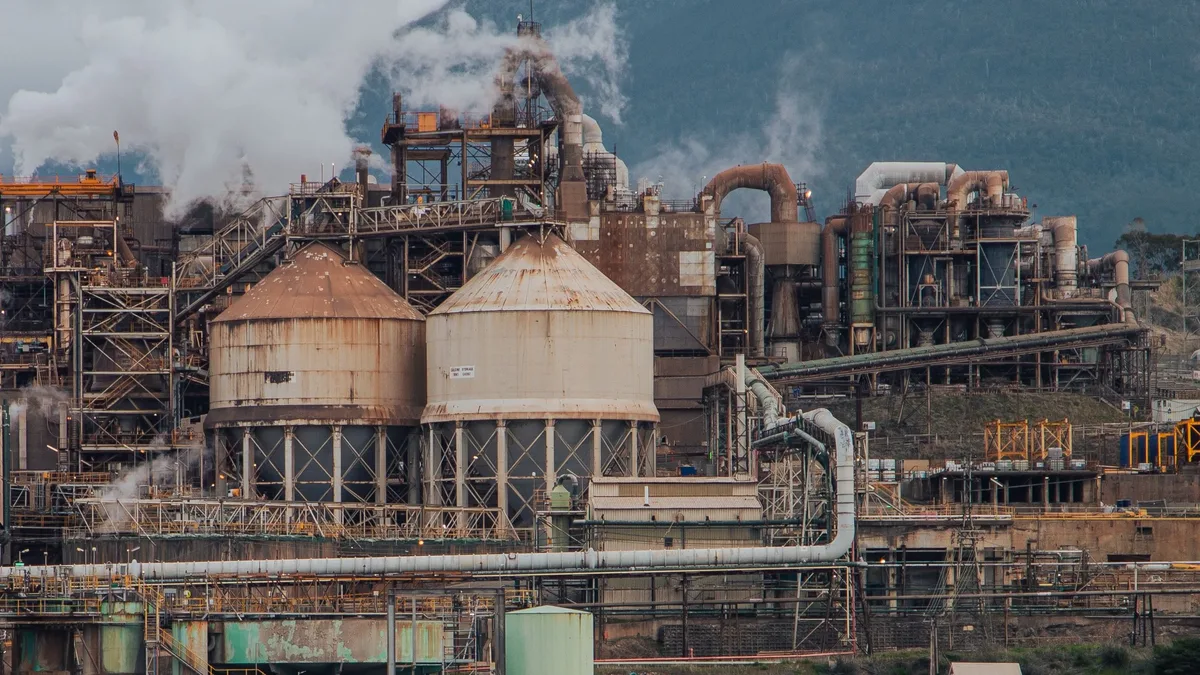
Chinese firms invest billions in Indonesia
Chinese companies are investing billions of dollars in Indonesian petrochemical production, including a $6 billion integrated complex, as China...