China restores 2% lithium-ion battery tax
China has ended an 11-year tax exemption for lithium-ion batteries, imposing a 2% consumption tax from September 1.
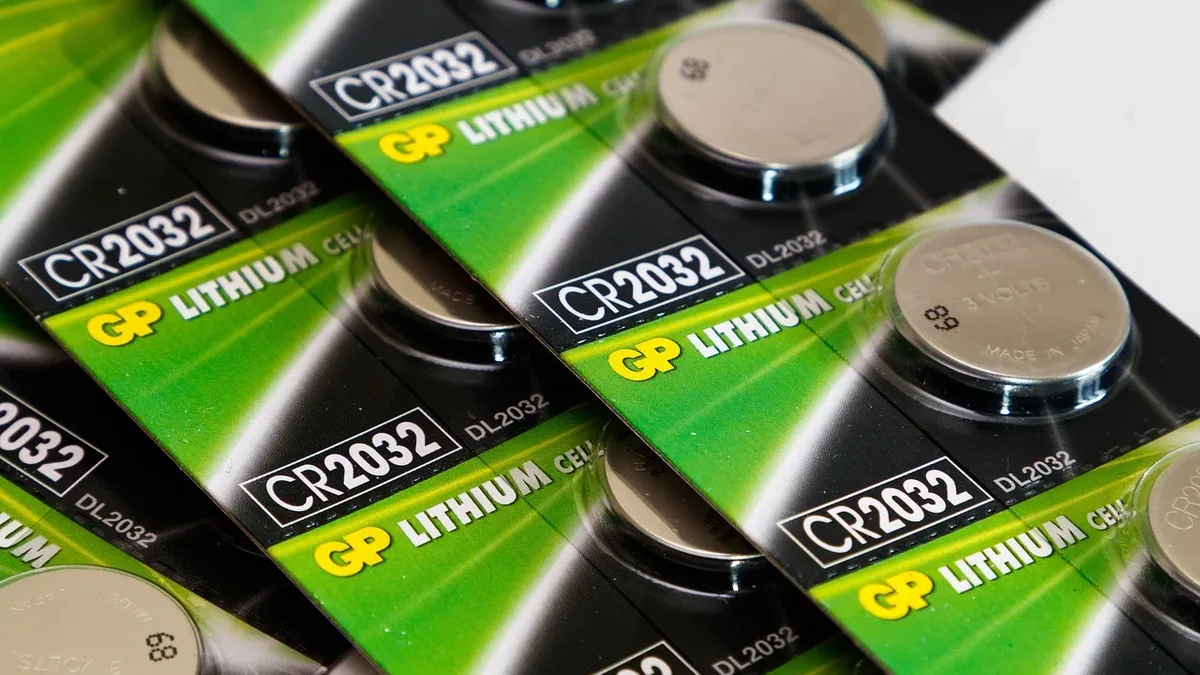
China began collecting a consumption tax on lithium-ion batteries on September 1. This ends an 11-year exemption, introducing a new cost component for domestic battery energy storage system (BESS) products.
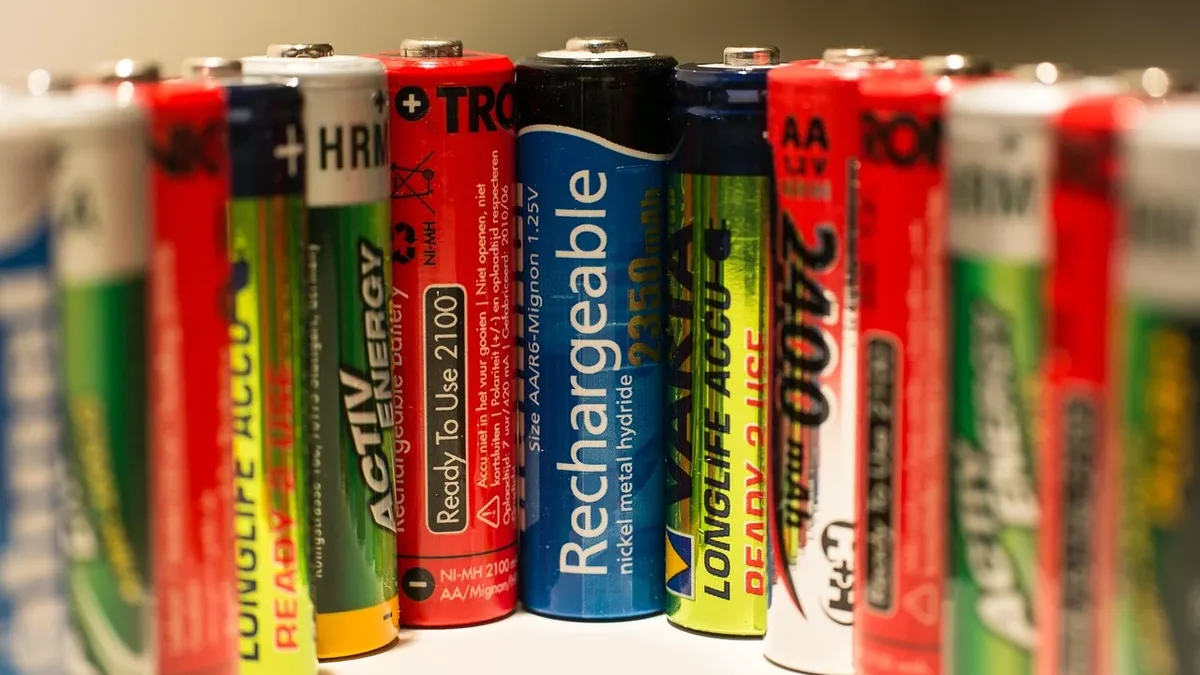
According to a policy issued in July by the Ministry of Finance, the General Administration of Customs, and the State Taxation Administration, the tax rate is set at 2% initially. It is scheduled to rise to the statutory rate of 4% from September 1, 2027. The tax also applies to lithium primary batteries, nickel-metal hydride batteries, mercury-free primary batteries, and vanadium flow batteries.
Tax Exemptions for Emerging Technologies
The policy carves out temporary exemptions for newer battery technologies. Sodium-ion batteries, solid-state batteries, and fuel cells will remain exempt from the consumption tax through the end of 2028. The State Taxation Administration clarified on August 27 that semi-solid batteries do not qualify for the solid-state battery exemption. Products must also meet national standards and have qualifying test reports to be tax-exempt.
This differentiated treatment gives a clear cost advantage to emerging technologies. Huatai Securities described the exemptions as a clear policy tilt toward these sectors.
Impact on Battery Storage System Costs
The tax authority provided important clarification on what constitutes a taxable product. Lithium-ion cells and battery packs are subject to the tax. Battery clusters assembled from cells are also considered taxable battery products. However, a complete BESS that includes electrical equipment, thermal management, fire protection, and control systems is classified as complete power equipment and is not subject to an additional consumption tax. Taxes paid on battery inputs can be deducted if those products are used to manufacture another taxable battery product.
Analysts have estimated the potential cost increase. Shanghai Metals Market (SMM) estimated a 2% tax could add around CNY 0.00648 per watt-hour at the cell level, based on a cell price of CNY 0.324/Wh. Huatai Securities provided a broader estimate.
| Technology | Estimated Price (CNY/Wh) | Tax Impact at 2% (CNY/Wh) | Tax Impact at 4% (CNY/Wh) |
|---|---|---|---|
| Energy Storage Battery | ~0.40 | ~0.008 | ~0.016 |
The brokerage described the overall impact on storage costs as manageable. It noted that stronger suppliers would likely have a greater ability to pass these costs downstream to customers.
Manufacturer Responses and Export Rules
Major battery manufacturers have begun adjusting their prices in response. EVE Energy circulated a notice stating that domestic lithium battery products delivered from September 1 would carry the additional 2% tax cost. Lishen Battery issued a similar notice in August. CATL raised the listed price of its 314 Ah storage cell on its online marketplace from CNY 0.414/Wh to CNY 0.423/Wh on August 1, though market supply conditions also contributed to the increase.
Exports are treated differently. Batteries exported directly remain exempt from the consumption tax. Eligible tax already paid on purchased batteries for export can be refunded. This is separate from China's Value-Added Tax (VAT) export rebate policy for batteries, which was reduced from 9% to 6% in April and will be eliminated entirely from January 1, 2027.
Broader Policy Shift
The tax change is part of a broader withdrawal of tax preferences for mature clean-energy manufacturing in China. For example, a consumption tax on solar cells will also begin at 2% in April 2027 before rising to 4% a year later. VAT export support for solar products has already been removed.
Huatai Securities suggested the policy could act as a supply-side reform. It reduces support for mature battery capacity while preserving incentives for technologies still moving toward commercialization.