PCG Power Expands China Solar REIT
PCG Power completed an expansion of its renewable energy REIT on August 20, growing the portfolio of distributed solar assets.
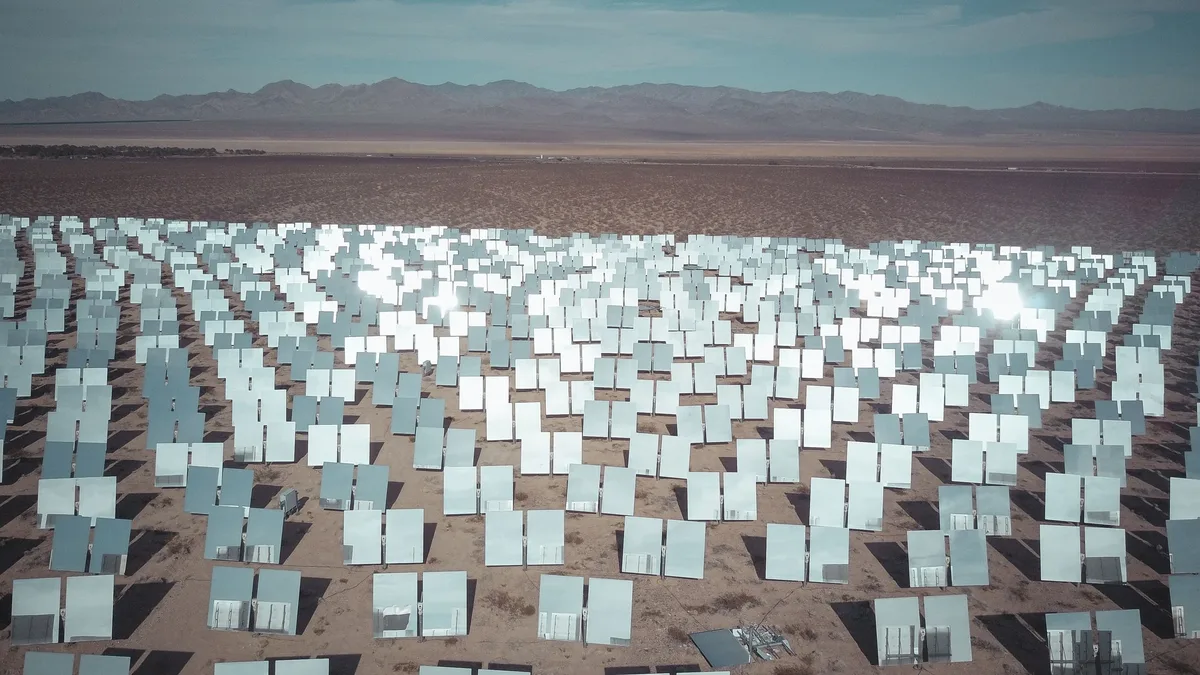
PCG Power completed the first expansion of its renewable energy real estate investment trust (REIT) on August 20. The underlying portfolio of commercial and industrial solar plants grew, representing roughly CNY 1.5 billion ($209 million) of investment. This deal puts a spotlight on a financing structure aiming to recycle capital. Renewable energy projects require large upfront investment but can operate for 20 to 30 years, tying up developer capital for decades. Securitization through structures like REITs can theoretically free that capital for reinvestment into new projects, creating a cycle of development, operation, securitization, and reinvestment.
The REIT Structure and Its Challenges
REIT-style structures holding renewable infrastructure remain far less common than those for traditional property, such as offices or warehouses. Samuel Yan, president and CFO of PCG Power, explained one core challenge: standardization. The projects in the company's first portfolio averaged only around 3 MW each. The initial and expanded portfolios comprise many small, fragmented assets, which can be tracked in our detailed stats section.
| Portfolio Phase | Approximate Capacity | Number of Projects |
|---|---|---|
| Initial (Dec 2025) | 130 MW | 40-50 projects |
| Post-Expansion (Aug 2026) | ~400 MW | many projects |
Yan told pv magazine that each rooftop asset can differ in documentation, structural loading, contracts, and credit risk. PCG addresses this by applying strict "red-line" and "yellow-line" criteria to standardize assets before they enter the capital market. The company then uses standardized engineering, a unified operations platform, and common operating rules.
From Developer to Asset Manager
A second challenge is that a REIT platform requires a sustained pipeline. It is not a one-time sale. Yan said this model turns a renewable energy developer from an asset seller into an asset manager. It favors companies that combine development, construction, operations, power trading, and financial asset management capabilities.
China provides a large test bed for this model. Distributed solar capacity reached 576 gigawatts by the end of June 2026. Meanwhile, the country is formalizing a multi-layer REIT market. The Shanghai Stock Exchange reported in July that inter-institutional REIT issuance across 15 asset categories, including renewable infrastructure, had approached CNY 100 billion, highlighting the evolving standings of such financial products.
Limits and Future Role
REITs are unlikely to become a universal financing solution. Assets need established operating cash flows first. Fragmented portfolios carry high management costs. Risks like electricity price volatility, power purchase agreement performance, and equipment degradation differ substantially from property rents. Tax and asset rules also vary by jurisdiction.
The more realistic role for REITs is as an additional capital-recycling channel alongside bank lending and conventional asset-backed securities. The real test for PCG's experiment is whether such portfolios can repeatedly absorb new assets and attract long-term institutional capital. If successful, securitization could turn operating solar plants from a capital destination into a source of capital for the next wave of projects.