Ja Solar
| Technology | Photovoltaic (PV) solar panels |
|---|---|
| Product Types | Monocrystalline modules, bifacial modules, n-type cells |
| Typical Power Output | Ranges from 400W to over 600W per panel |
| Key Efficiency Feature | High-efficiency PERC (Passivated Emitter and Rear Cell) and TOPCon cell technologies |
| Applications | Utility-scale power plants, commercial and industrial rooftops, residential installations |
| Manufacturing Scale | Vertically integrated production from ingots and wafers to cells and modules |
| Headquarters | Beijing, China |
Overview
Ja Solar is a Chinese photovoltaic manufacturer specializing in the research, development, production, and sale of high-performance solar power products. The company's core business is the production of monocrystalline and polycrystalline silicon photovoltaic cells and modules, which are the fundamental building blocks of solar power systems. Its product portfolio includes a range of modules for utility-scale power plants, commercial and industrial rooftops, and residential installations. The company operates integrated manufacturing facilities and has a significant global presence, with sales networks spanning numerous countries. A typical project utilizing Ja Solar technology might be a large-scale solar farm, where thousands of its modules are installed across a vast area to generate electricity for the grid. The company emphasizes technological advancement in cell architecture, including the development and mass production of perovskite tandem cell technology.
History
Ja Solar was founded in China in the early 2000s, during a period of rapid growth and industrialization in the country's solar sector. The company established itself initially as a specialist in manufacturing solar cells, which it supplied to other module producers globally. A pivotal moment in its history was its transition from a pure-play cell manufacturer to a fully integrated producer of silicon wafers, cells, and modules, a strategic move to control costs and quality throughout the supply chain. The company successfully listed on the NASDAQ stock exchange in the latter half of the 2000s, providing capital for significant expansion. Throughout the 2010s, Ja Solar invested heavily in expanding its production capacity and advancing its product technology, particularly in high-efficiency monocrystalline PERC (Passivated Emitter and Rear Cell) designs. Its continued growth has solidified its position as one of the world's largest suppliers of photovoltaic products by shipment volume.
How it works today
Ja Solar manufactures photovoltaic cells that convert sunlight directly into electricity using the photovoltaic effect. The company produces both monocrystalline silicon cells, known for higher efficiency and a uniform appearance, and polycrystalline silicon cells, which have historically offered a cost advantage. A key technology in its current mainstream production is the PERC cell structure, which adds a rear surface passivation layer to reflect unabsorbed light back into the cell, thereby increasing overall efficiency. These individual cells are then interconnected and laminated between layers of protective glass and polymer backing to form a durable, weatherproof solar module. For large-scale projects, such as a multi-megawatt solar power plant, thousands of these modules are mounted on support structures, wired together in series and parallel strings, and connected to inverters that convert the direct current (DC) electricity into grid-compatible alternating current (AC). The company is also actively progressing towards commercial production of next-generation technologies like n-type cells and perovskite-silicon tandem cells, which aim to push conversion efficiencies beyond the limits of standard silicon.
Why it matters
As a major global manufacturer, Ja Solar's scale of production is a critical factor in driving down the cost of solar energy, making it more competitive with fossil fuels. The company's focus on improving module efficiency directly translates to more power generation per unit of land area, which is a crucial consideration for space-constrained installations and for minimizing environmental footprint. Its vertically integrated manufacturing model provides greater control over product quality and supply chain resilience, which is important for the long-term reliability demands of solar power projects. The widespread deployment of its modules in utility-scale projects around the world contributes significantly to global carbon emission reduction targets by displacing coal and natural gas generation. Furthermore, its research into advanced cell technologies like perovskites helps push the entire industry toward higher performance benchmarks. The durability and performance warranties offered on its products provide project developers and financiers with the confidence needed for large, long-term infrastructure investments.
Common misconceptions
A common misconception is that all solar panels from large manufacturers are essentially identical commodities, when in fact there are meaningful differences in cell technology, manufacturing quality, and long-term degradation rates that affect lifetime energy yield. Some may assume that a company of Ja Solar's scale only produces lower-cost, standard-efficiency products, overlooking its substantial research and development efforts in premium high-efficiency n-type and tandem cell technologies. It is also incorrect to believe that the company's products are only suitable for massive utility projects, as it maintains extensive product lines specifically engineered for commercial, industrial, and residential rooftop applications. Another misconception is that the manufacturing process for photovoltaic modules is inherently and overwhelmingly carbon-intensive, without recognizing the ongoing industry efforts, in which Ja Solar participates, to reduce the energy and environmental footprint of production. Finally, while price is a major factor, selecting modules based solely on lowest cost per watt can be a mistake if it sacrifices proven reliability and the financial security of a robust manufacturer's warranty, which are critical for the 25+ year lifespan of a solar asset.
Latest Ja Solar news
Latest reporting
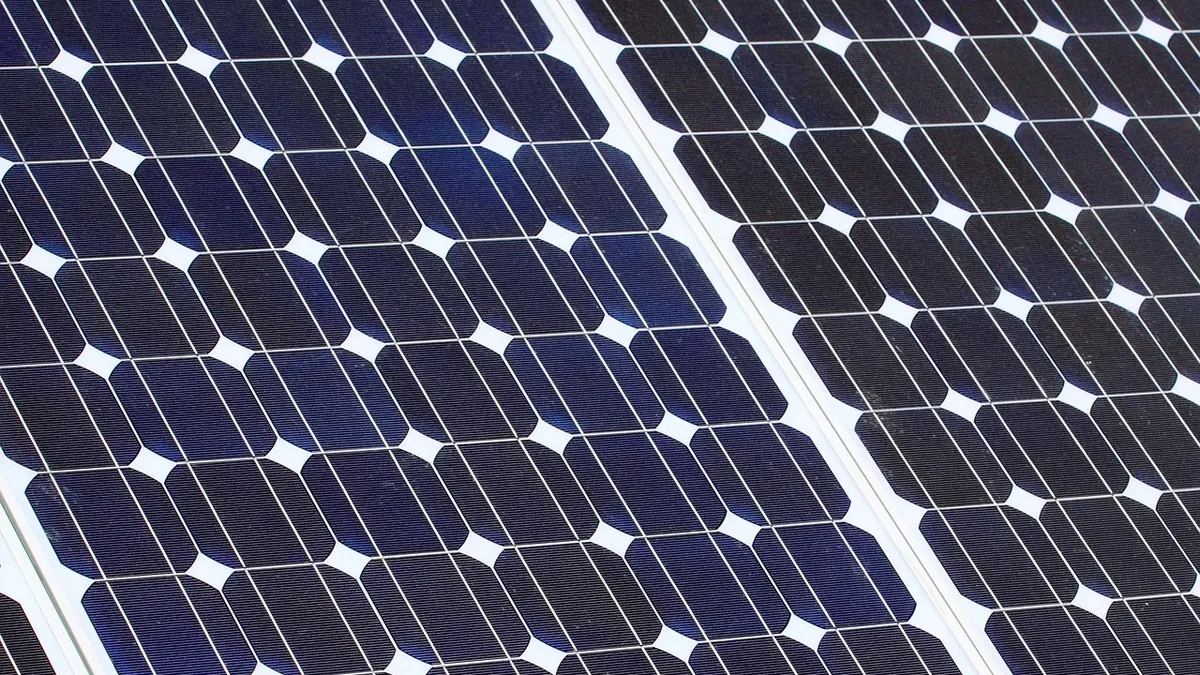
Oswal Pumps to build 1.2 GW TOPCon solar cell facility in Karnal
Oswal Pumps will build a 1.2 GW TOPCon solar cell plant in Karnal, Haryana, to secure domestic supply under ALMM List-II rules.
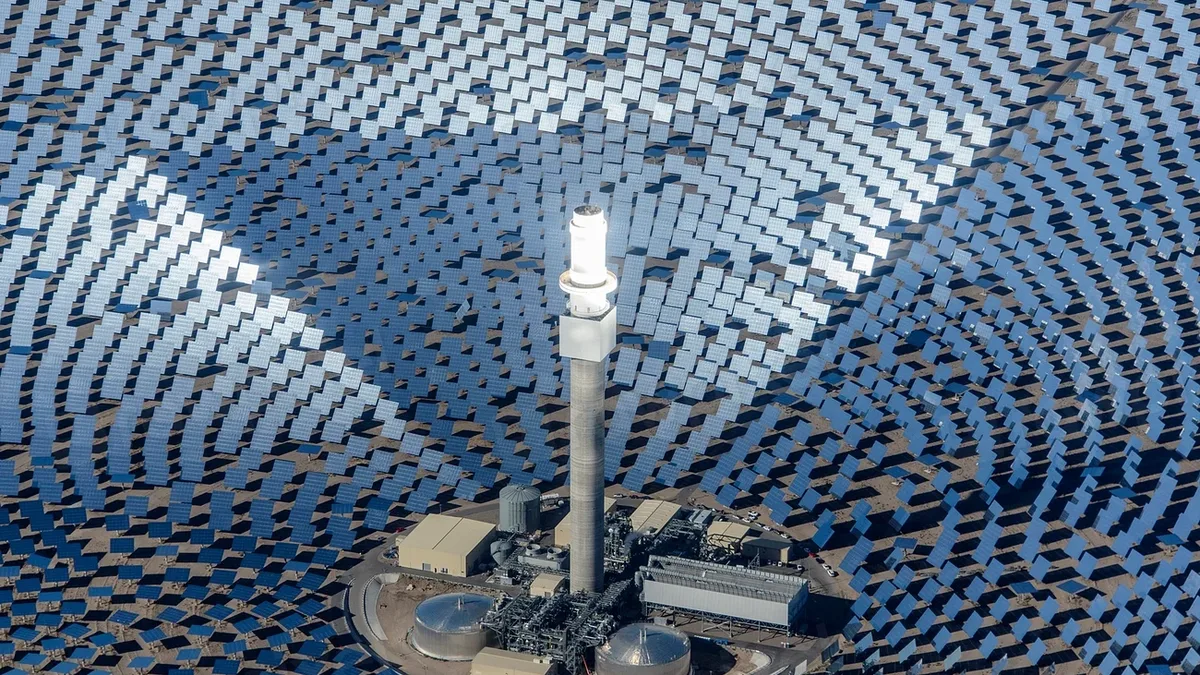
MIT study finds utility-scale solar lowers electricity prices
MIT a 10% rise in utility-scale solar generation cuts residential power prices by over 8%, while a 5% rise in rooftop solar correlates with a 16%...
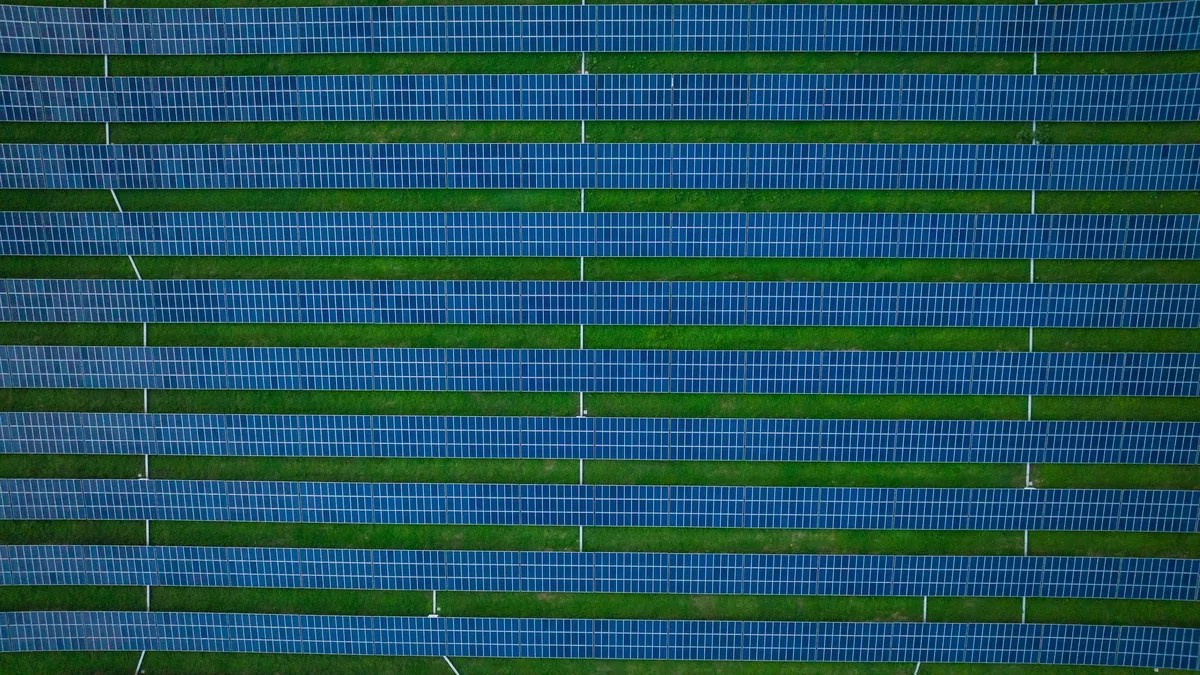
Axian Energy Secures 240MW Kudu Solar PPA in Zambia
Axian Energy has signed a power purchase agreement with Africa GreenCo for a 240MW solar PV plant in Zambia, a key step in the country's accelerating...
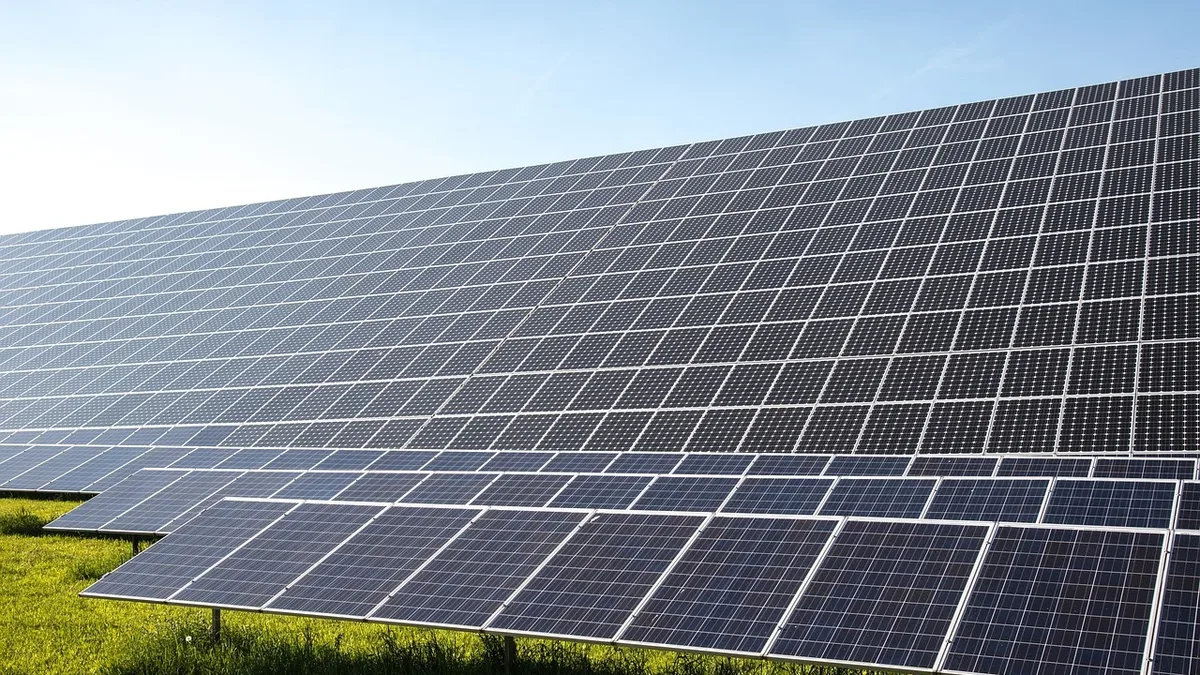
LGI buys two Queensland solar farms for AU$22 million
ASX-listed LGI has agreed to acquire two operational solar PV plants in Queensland with 42MW of export capacity for AU$22 million, lifting its...
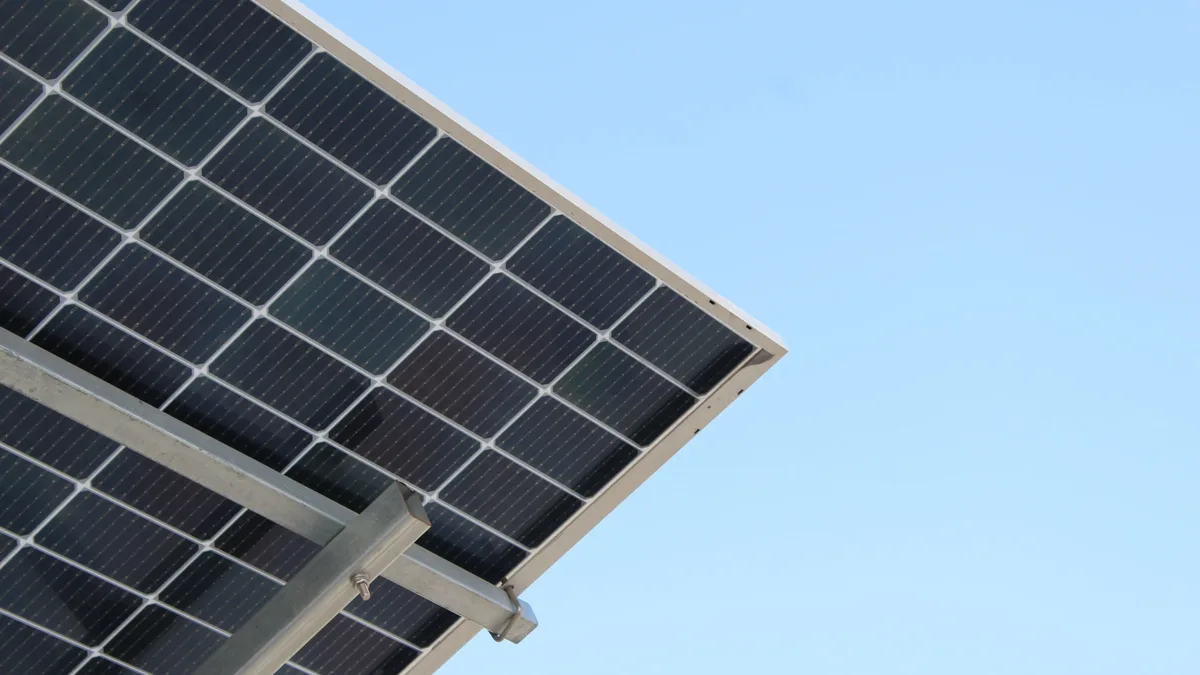
UNSW and UtmoLight achieve certified 23.5% efficiency for perovskite submodule
Researchers at UNSW Sydney and UtmoLight have set a new certified efficiency record of 23.5% for a large-area perovskite solar submodule by...
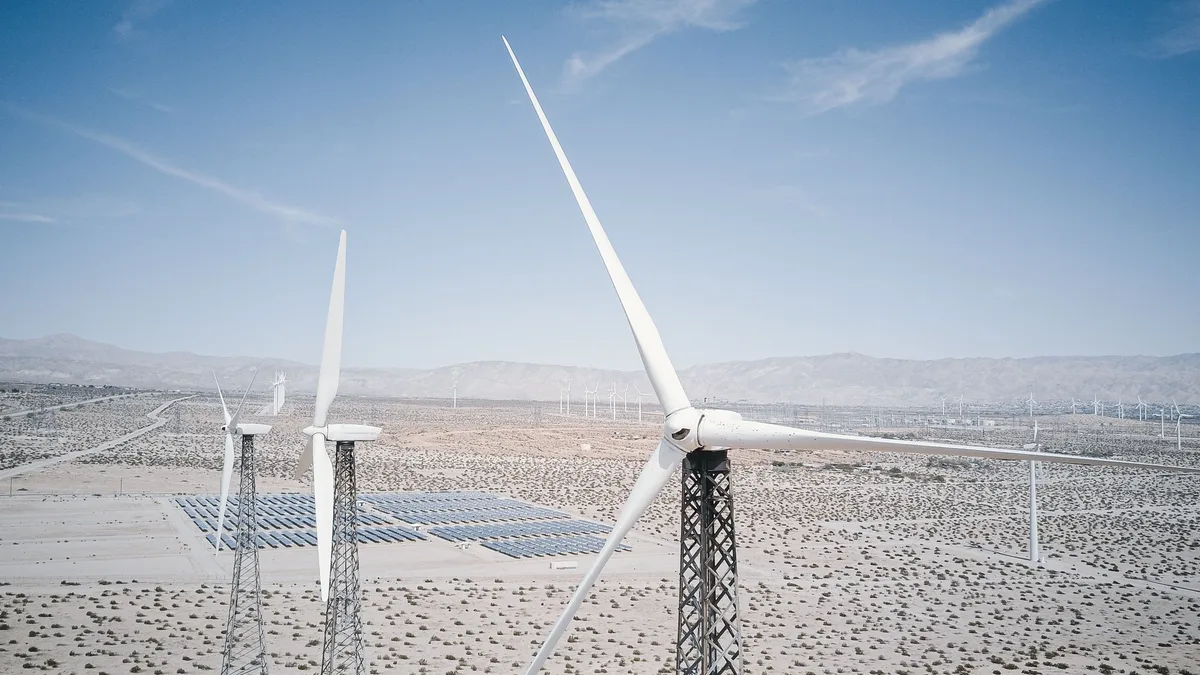
Yindjibarndi Energy Lodges Baru Marnda Renewable Project Application
Yindjibarndi Energy Corporation has submitted a Development Application for the Baru Marnda Renewable Energy Project, a major hybrid wind, solar and...