LGI buys two Queensland solar farms for AU$22 million
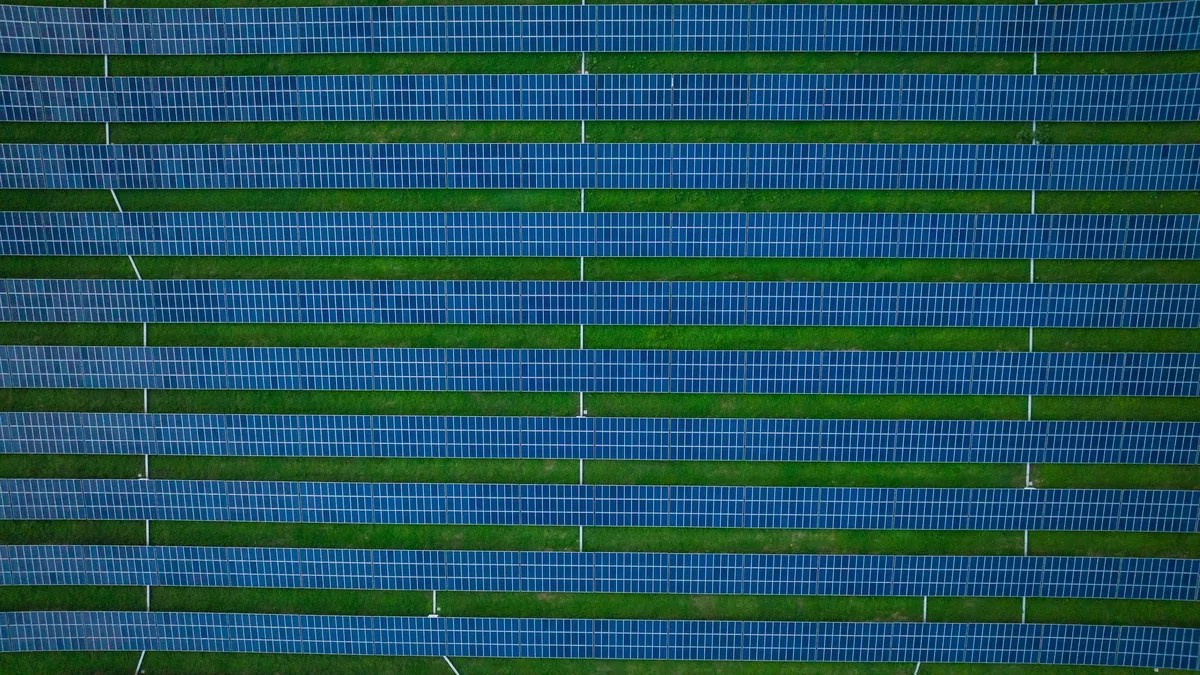
ASX-listed LGI has agreed to acquire two operational solar PV plants in Queensland with 42MW of export capacity for AU$22 million, lifting its renewable pipeline target to over 120MW.
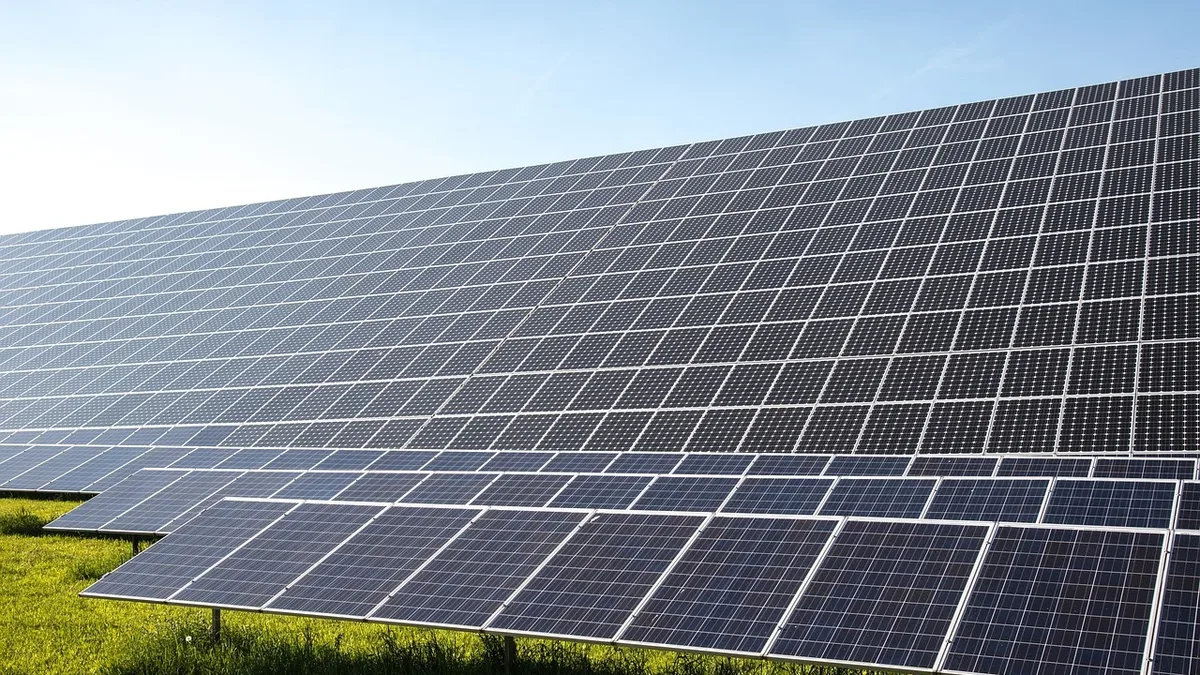
LGI is purchasing two operational solar PV plants in Queensland for AU$22 million. The deal, funded from cash and existing debt with no shareholder approval required, expands the landfill gas and renewables firm's medium-term pipeline to more than 120MW.
LGI is buying 100% of the Chinchilla and Brigalow solar farms from IIG Solar Assets Pty Ltd. The AU$22 million price reflects the projects' enterprise value as the transaction involves no assumed debt.
Asset specifics and generation performance
The two plants have a combined installed capacity of 54MW against 42MW of export capacity. Their generation performance for 2025 and key specifications are detailed below.
| Plant | Installed Capacity (MWp) | Export Capacity (MW) | 2025 Generation (MWh) | Operational Since | Lease Remaining (Years) |
|---|---|---|---|---|---|
| Chinchilla (near Baking Board) | 19.9 | 14.7 | 20,981 | 2019 | 31 |
| Brigalow (Yarranlea) | 34.5 | 27.3 | 33,229 | 2021 | 33 |
Both plants sold their entire 2025 generation output at spot prices in the National Electricity Market.
Strategic impact on LGI’s pipeline and technology use
The acquisition raises LGI's medium-term development pipeline target to over 120MW. This combines the company's previous 80MW pipeline with the newly acquired 42MW of solar capacity. An investor presentation breaks the 120MW target into 26MW of biogas, 42MW of solar, and 57MW of battery energy storage.
LGI plans to integrate the solar farms into its operations. It will bring operations and maintenance in-house and dispatch the assets using its proprietary Dynamic Asset Control System (DACS) software. This software optimises returns across energy and carbon markets. Because installed capacity exceeds export capacity at both sites, LGI says the surplus energy could be used to charge future battery storage systems. Preliminary studies on adding batteries have started.
The company sees strong underlying electricity demand growth driven by electric vehicles, industrial electrification, and data centres. It notes that distribution-connected projects like these can avoid transmission bottlenecks, even as solar output increasingly runs into grid limits. Utility-scale solar curtailment in Queensland fell to about 22% in September from 26% a year earlier, while the state set a September record of about 645GWh of utility solar output. Spot prices averaged below AU$65/MWh across all NEM states that month.
Policy uncertainty remains a factor. Queensland and the Northern Territory opposed a national agreement in July that would require large new data centres to fund additional renewable energy generation.
Financial outlook and valuation context
LGI estimates the plants will add between AU$2.1 million and AU$4.0 million in annual EBITDA at current electricity prices. The wide range depends on how quickly the company realises revenue synergies and implements its DACS software. For the 2027 financial year, LGI expects about AU$1.6 million in EBITDA, assuming a nine-month contribution from the assets.
The purchase price works out to roughly AU$0.5 million per MW of export capacity. LGI states this is below the cost of developing comparable assets from scratch. The implied EBITDA multiple for the deal ranges from 5.5x to 10.5x based on the company's forecast. Final outcomes will depend on wholesale electricity prices, cost and revenue synergies, and the successful rollout of the Dynamic Asset Control System.
Completion timeline and executive view
The transaction is scheduled for completion on 9 October. LGI chief executive Jarryd Doran described the power plants as "proven, operational assets acquired well below replacement cost". The company assessed multiple solar assets over the past year as valuations softened in line with energy prices.
LGI plans to bring operations and maintenance of the plants in-house and begin preliminary studies on adding battery storage at both sites.