Balance Of System
| Technology type | Photovoltaic solar power generation |
|---|---|
| Recall | The non-module components of a photovoltaic system |
| Original use | To integrate solar modules into a functional electricity-generating system |
| Key components | Inverters, mounting structures, wiring, combiners, disconnects, monitoring systems |
| System voltage | Typically 600V to 1500V DC for utility-scale installations |
| Primary function | Convert DC power to AC power, secure modules, ensure safety and performance |
| Installation environment | Rooftop, ground-mounted, or carport structures |
Origin and history
The term "Balance of System" (BOS) originated in the United States during the late 20th century, concurrent with the commercialization of photovoltaic (PV) solar technology. It emerged from the electrical engineering and construction sectors to categorize all components of a solar power system aside from the photovoltaic panels themselves. The concept was formalized as the solar industry standardized installations and began to analyze system costs in granular detail. Its adoption spread globally as solar deployment increased, becoming a standard technical and financial classification in project development. The term is now universally used across the renewable energy industry to delineate costs and components. Its history is intrinsically linked to the industrialization of solar energy, moving from niche applications to utility-scale power plants.
What it is for
Balance of System encompasses all equipment and labor required to make a solar array functional, safe, and grid-compliant. Its primary purpose is to integrate the DC electricity generated by solar panels into usable AC power for the grid or for on-site consumption. It serves to physically mount and secure the panels to withstand environmental loads such as wind, snow, and seismic activity. Furthermore, BOS components are responsible for protecting the system from electrical faults, lightning strikes, and ensuring the safety of maintenance personnel. It also includes the necessary monitoring and control systems to track performance, diagnose issues, and manage output. Ultimately, BOS exists to transform a collection of panels into a reliable, revenue-generating power plant.
Overview
A Balance of System for a grid-tied photovoltaic project typically includes structural, electrical, and monitoring subsystems. The structural components consist of mounting racks, foundations, and hardware that fix panels to rooftops, ground mounts, or tracking systems. The electrical BOS includes inverters, which convert DC to AC power, along with combiner boxes, DC and AC wiring, disconnects, and conduit. It also encompasses the transformer (if required for grid voltage) and the point of interconnection switchgear. The monitoring system involves sensors, meters, and communication hardware linked to a data platform. Additional elements can include fencing, security systems, and signage, completing the physical plant.
What to know
Balance of System costs typically represent a significant portion, often 40% to 60%, of the total capital expenditure for a utility-scale solar project. The design of BOS components is highly site-specific, influenced by local geology, wind speeds, grid interconnection requirements, and electrical codes. Procurement logistics for BOS, such as shipping containers of racking or large inverters, can critically impact project timelines and port handling requirements. Technological evolution in BOS, particularly in inverter technology and modular, pre-assembled electrical solutions, is a primary driver for reducing overall solar energy costs. Understanding the interplay between BOS design and long-term Operations & Maintenance (O&M) is crucial, as accessibility and component reliability affect lifetime expenses. Neglecting BOS quality to save on upfront costs is a frequent source of increased O&M burdens, system downtime, and reduced financial returns over the project's lifespan.
Common questions
What is the difference between "hard" and "soft" Balance of System costs? Hard costs refer to tangible equipment like inverters, racking, and wiring, while soft costs include engineering, permitting, installation labor, and interconnection fees. Why can't BOS components be standardized like panels? While many components are standardized products, their selection, configuration, and installation must adapt to specific site conditions, local electrical standards, and project-scale economics. How does BOS differ for a residential installation versus a utility-scale project? Residential BOS is simpler, often using microinverters or a single string inverter, simpler mounting, and less complex grid interconnection, whereas utility-scale uses centralized inverters, complex structural engineering, and high-voltage interconnection equipment. Does BOS include energy storage? Typically, storage is considered a separate, add-on system, though its power conversion and connection equipment share similarities with solar BOS. What is the single most critical BOS component? The inverter is often considered the most critical due to its role in power conversion, system control, and being a common point of failure. How does BOS affect system efficiency? BOS components, particularly inverter efficiency and voltage drop across wiring, directly impact the overall system performance ratio, determining how much panel output is delivered to the grid.
Pros and cons
A significant advantage of a well-engineered BOS is its role in maximizing system reliability and longevity, directly protecting the investment in solar panels. Optimized BOS design can also reduce installation time and labor costs, particularly with pre-assembled racking systems and modular inverter solutions. However, a major con is that BOS represents a complex supply chain with many potential bottlenecks; delays in receiving a single component, like a specialized transformer, can stall an entire project. A common mistake is undervaluing quality in BOS components to achieve lower capital costs, leading to higher failure rates, increased maintenance, and lost revenue from downtime, which project owners often regret. Furthermore, BOS components are subject to corrosion, thermal cycling, and UV degradation, and selecting products not rated for the specific environment can lead to premature failure. The complexity of BOS also requires significant expertise to design and install correctly, and errors in electrical design or grounding can create serious safety hazards or damage expensive equipment.
Who it suits
Balance of System expertise is essential for any entity developing, financing, or constructing a solar photovoltaic project, from residential installers to utility-scale engineering firms. It particularly suits project engineers and designers who must integrate mechanical, electrical, and civil engineering principles to create a cohesive and code-compliant system. Procurement specialists must understand BOS to manage the complex logistics and supplier relationships for these varied components. Investors and asset managers require a firm grasp of BOS to accurately assess project costs, identify risks related to component quality, and model long-term operational performance. The field also suits technicians and maintenance crews who need in-depth knowledge of BOS components to troubleshoot and repair systems efficiently. Finally, policymakers and grid planners benefit from understanding BOS as its evolving technology and costs directly influence the broader adoption and grid integration of solar power.
Latest Balance Of System news
Latest reporting
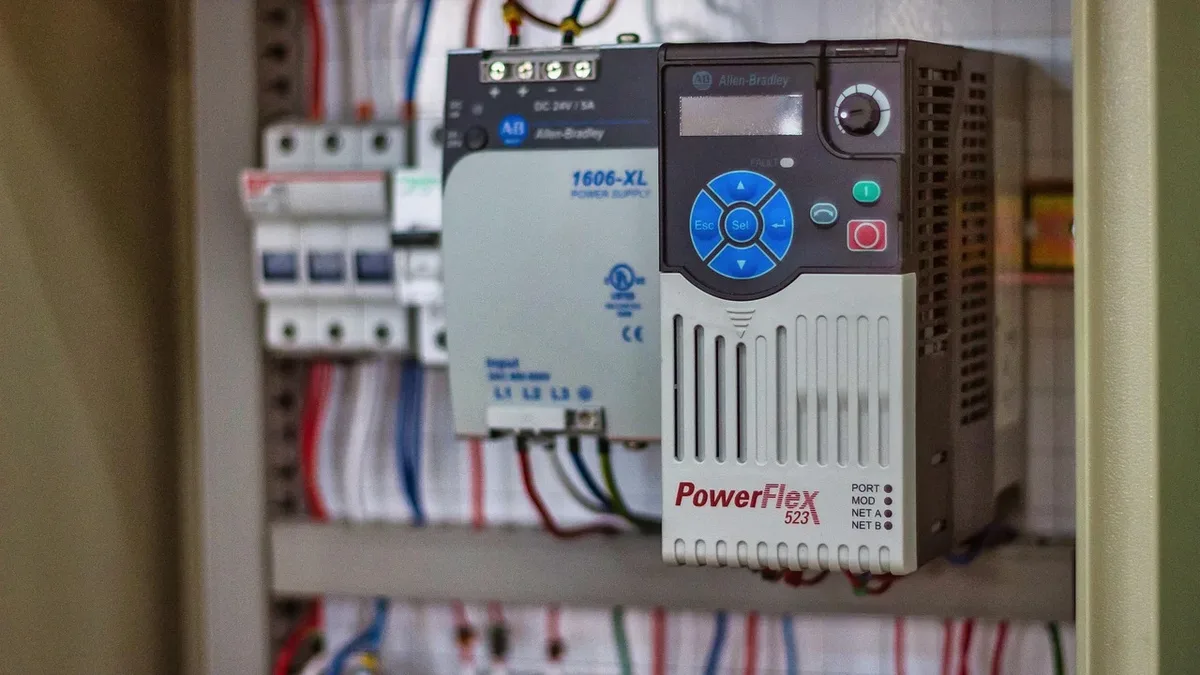
Exide Technologies launches Solition Powerflex modular battery storage
Exide Technologies has launched the Solition Powerflex, a modular battery energy storage system for commercial and industrial renewable energy...
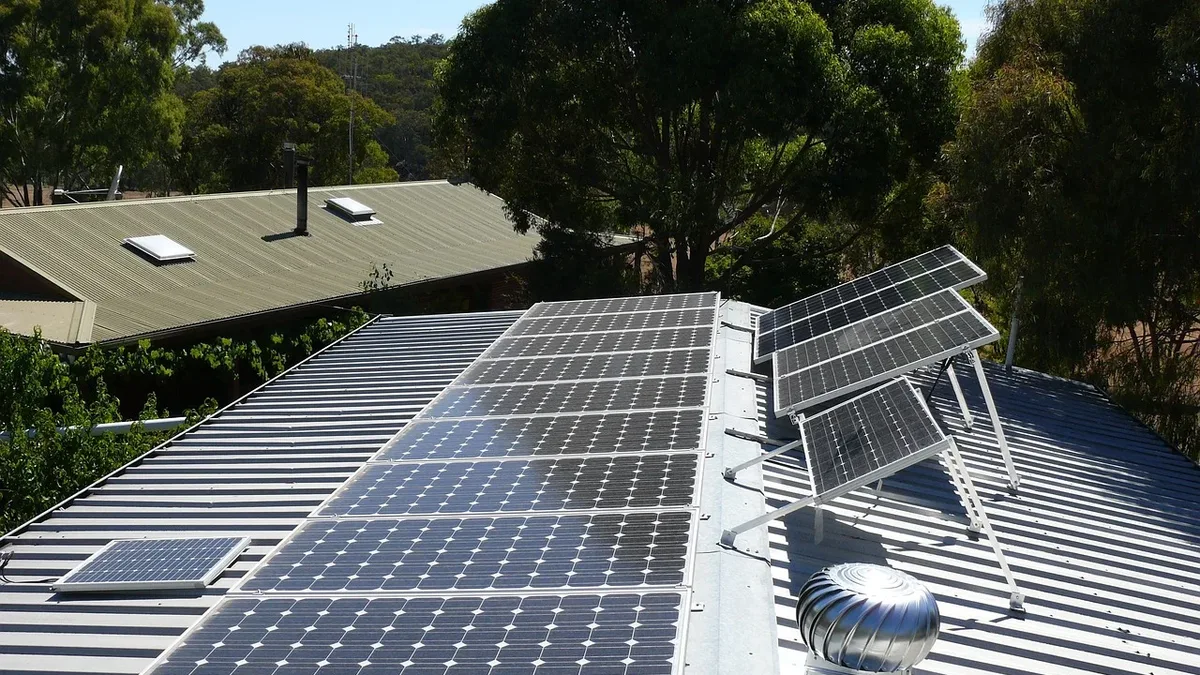
West Bengal cold storage cuts bills with 250 kW rooftop solar
A cold storage operator in West Bengal has installed a 250 kW rooftop solar system using bifacial modules.
CertainTeed Launches Landmark PWR Solar Shingle System
CertainTeed has launched the Landmark PWR, an 85 W building-integrated photovoltaic shingle system designed to replace rack-mounted solar arrays.
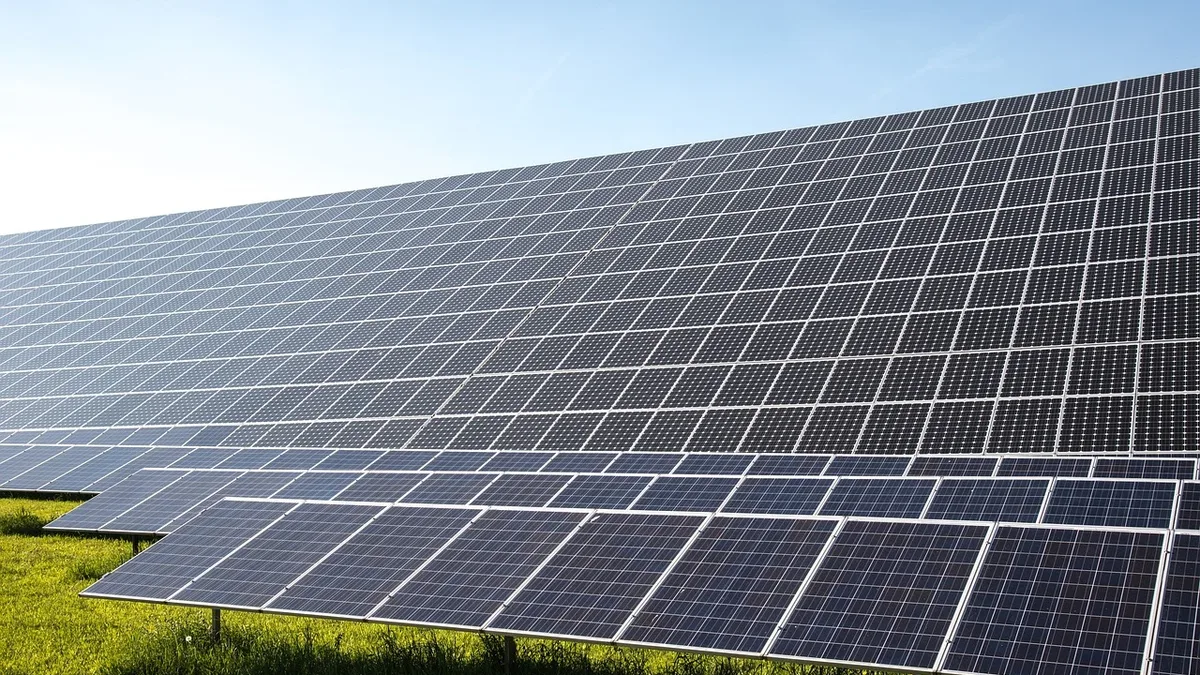
Websol Secures West Bengal Land for 4GW Solar Plant
Websol Energy System has obtained 21.9 hectares in West Bengal's Falta Industrial Park to build a 4GW solar cell and module factory.
Brazil PV system prices rise 7% in H1 2026
Average photovoltaic system prices in Brazil increased 7% in the first half of 2026 for projects up to 300 kW.
Hithium launches sodium-ion cell with claimed 30-year lifetime
Chinese battery maker Hithium has unveiled a sodium-ion battery cell and a 4MWh energy storage system.