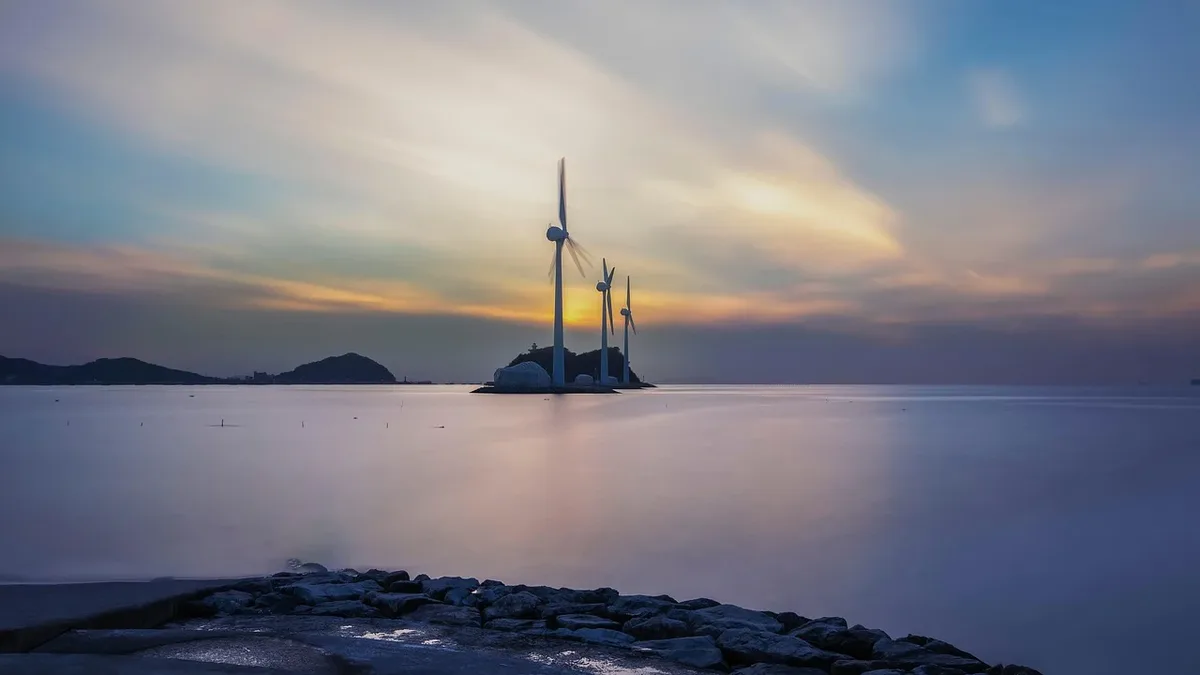
Wind
| Technology Type | Onshore or offshore wind turbine |
|---|---|
| Power Output | Varies by project, typically 2 to 15 megawatts per turbine |
| Project Capacity | Varies by project, typically tens to hundreds of megawatts |
| Rotor Diameter | Varies by model, typically 80 to 220 meters |
| Hub Height | Varies by model, typically 80 to 150 meters |
| Original use | Electricity generation from kinetic energy of moving air |
Origin and history
The utilization of wind for mechanical work, primarily milling grain and pumping water, originated in multiple ancient civilizations. The earliest documented windmills were simple vertical-axis designs developed in Persia around the 7th century. These early technologies spread across the Middle East and Central Asia, becoming a crucial tool for agriculture. Horizontal-axis windmills, the design more recognizable today, were developed in Northwestern Europe, likely in England, during the 12th century. These European mills were extensively refined over subsequent centuries for industrial tasks like sawing wood and processing materials. The foundational principle of converting wind's kinetic energy into rotary motion established the basis for modern wind power generation.
What it is for
Wind power technology is for generating electrical energy from the natural movement of air across the Earth's surface. Its primary application is utility-scale electricity production, feeding power directly into regional transmission grids to supply homes, businesses, and industry. It is also deployed for distributed generation, such as powering individual farms, remote communities, or telecommunications equipment. On a smaller scale, it is used for battery charging and water pumping in off-grid locations. The technology serves as a significant component in national and corporate strategies to diversify energy portfolios and reduce greenhouse gas emissions from fossil fuel combustion. Its function is fundamentally to provide a renewable source of mechanical power converted into electricity.
Overview
Modern wind power generation employs aerodynamic blades mounted on a rotor to capture the wind's kinetic energy. This rotor is connected to a main shaft, which spins a generator inside the nacelle, the housing atop a tall tower, to produce electricity. Utility-scale projects consist of multiple such turbines grouped into wind farms, which can be located onshore or offshore over bodies of water. The electrical output is conditioned and transformed to the correct voltage before being fed into the power grid via a substation. The technology relies on sophisticated control systems to optimize blade pitch and rotor orientation for prevailing wind conditions. Overall capacity is determined by the turbine's size, the wind resource quality at the site, and the total number of turbines installed.
What to know
Wind resource is not uniform and is critically dependent on geography, with consistent, strong winds found in coastal areas, plains, and mountain passes. The power output of a turbine increases with the cube of wind speed, meaning small increases in wind velocity yield large gains in generation. Intermittency and variability are inherent characteristics, as wind speeds fluctuate daily and seasonally, requiring grid management solutions like energy storage or backup generation. Turbines produce sound, primarily a low-frequency *whoosh*, and can have visual impacts on landscapes, which are central to local planning debates. Bird and bat collisions with turbine blades are a documented environmental impact that site selection and operational strategies aim to mitigate. The lifecycle of a project includes a development and permitting phase, a multi-decade operational period, and a decommissioning phase involving turbine dismantling and site restoration.
Common questions
How much land does a wind farm use? While turbines themselves occupy small footprints, the entire project area includes spacing between machines for aerodynamic efficiency, often allowing concurrent agricultural use. What happens when the wind stops blowing? Grid operators balance supply from various sources, including other renewables, hydroelectric, natural gas plants, or imports, to maintain stability during low-wind periods. How long do wind turbines last? The typical design lifespan for a modern turbine is 20 to 25 years, after which major components may be refurbished or the project may be repowered with newer technology. Are old turbine blades recyclable? The composite materials in blades pose recycling challenges, but industry and academic research into shredding, pyrolysis, and material reuse is actively progressing. Do turbines impact property values? Numerous peer-reviewed studies have found no consistent evidence of widespread, significant effects on residential property values attributable to nearby wind turbines. How is the electricity transported from offshore wind farms? Offshore wind farms use submarine cables to transmit electricity to an onshore substation, where it is connected to the existing terrestrial grid.
Pros and cons
A primary advantage is the generation of electricity without direct fuel costs or air pollution during operation, offering long-term price stability and public health benefits. The technology also has a relatively fast deployment timeline compared to large nuclear or hydroelectric facilities once permits are secured. A significant disadvantage is its intermittent nature, which can challenge grid reliability without sufficient investment in complementary storage, transmission, or flexible generation. The visual and auditory presence of large turbines frequently leads to local opposition, delaying or canceling projects even in areas with excellent wind resources. A common mistake in project planning is underestimating the complexity and duration of the permitting process, which involves environmental studies, community consultation, and aviation approvals. Some landowners who host turbines regret long-term lease agreements if maintenance traffic or shadow flicker proves more disruptive than anticipated, while others value the steady rental income.
Who it suits
This technology suits regions with consistently strong wind resources, particularly coastal zones, open plains, and elevated ridgelines, as identified by detailed wind mapping. It suits utility companies and independent power producers seeking to add zero-carbon generation assets to their portfolios to meet regulatory or corporate sustainability targets. It suits landowners with large tracts of rural property who can lease land for turbine placement while often continuing agricultural operations. It suits national or regional governments with policy frameworks that provide clear pathways for permitting and stable market mechanisms to support capital-intensive renewable investment. It is less suited to densely populated urban areas due to space requirements and to regions with weak or unstable electrical grids that cannot manage variable power inputs. It also suits investors with a long-term horizon, as projects offer predictable returns over decades but require substantial upfront capital.
Latest Wind news
Latest reporting
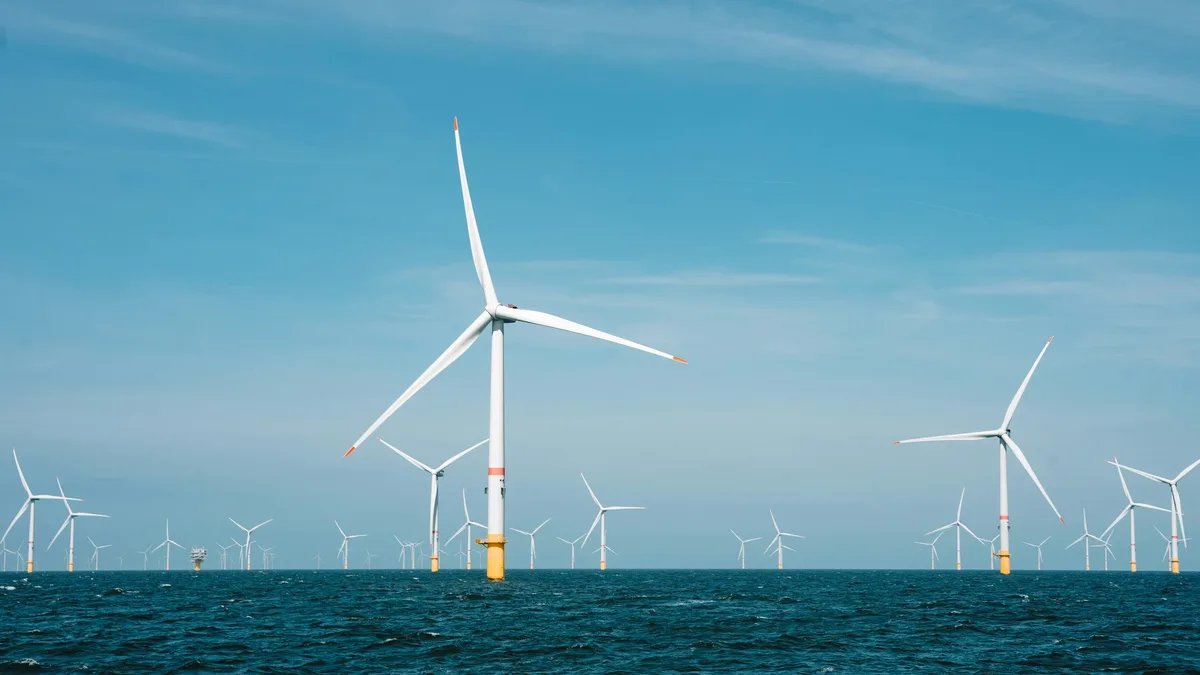
World's first large-scale offshore wind flexible HVDC
China Three Gorges Corporation has connected the first turbines of its 2 GW Qingzhou V & VII offshore wind project.
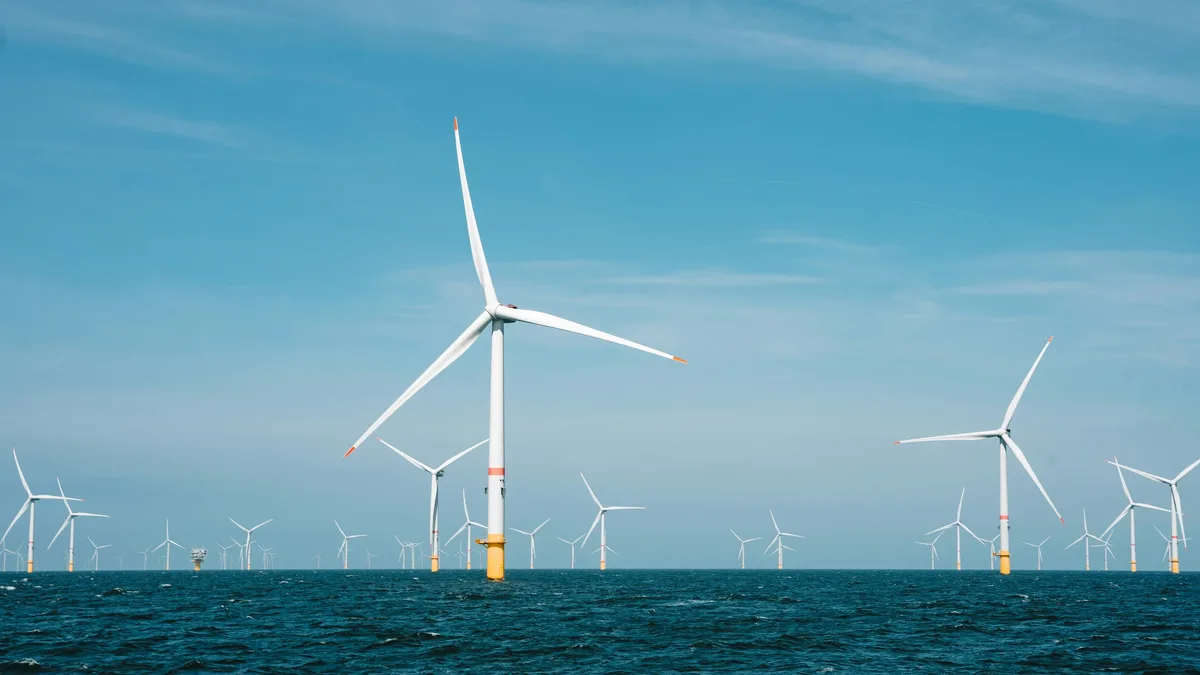
Tekmar secures €6 million offshore wind
Tekmar Group has won a €6 million contract extension to supply cable protection systems for a European offshore wind project, with manufacturing set...
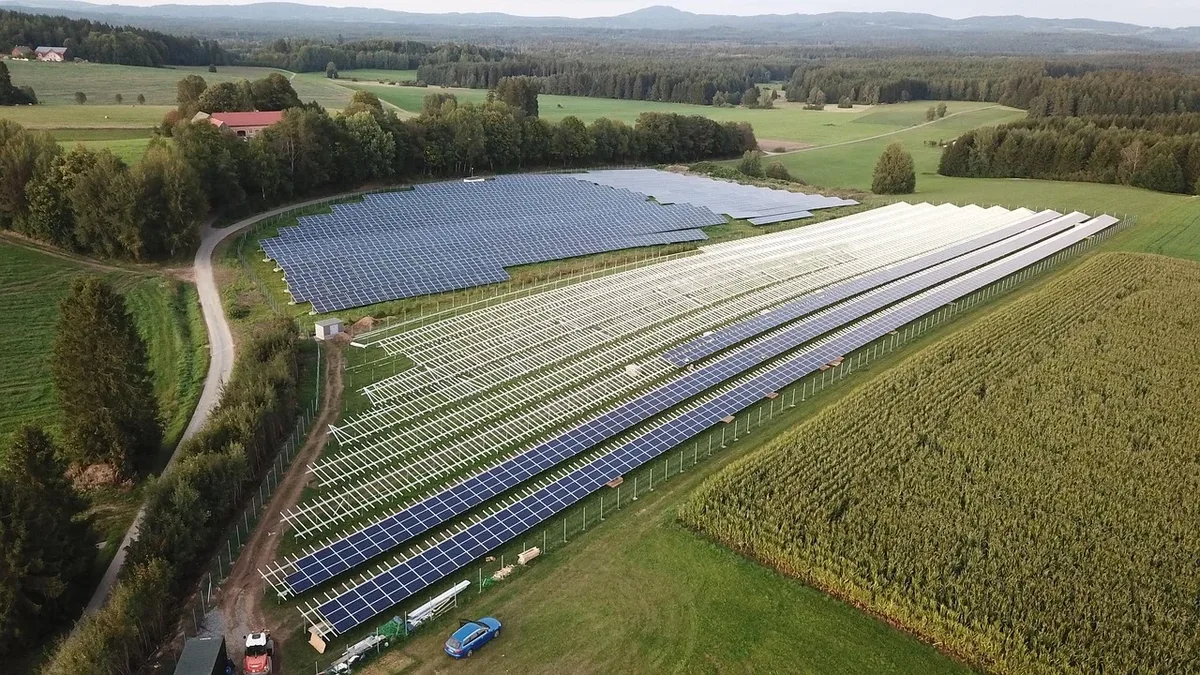
India's New Solar Rules Require Storage from July 2027
India's Central Electricity Authority has proposed that new ground-mounted solar and onshore wind plants must include co-located energy storage and
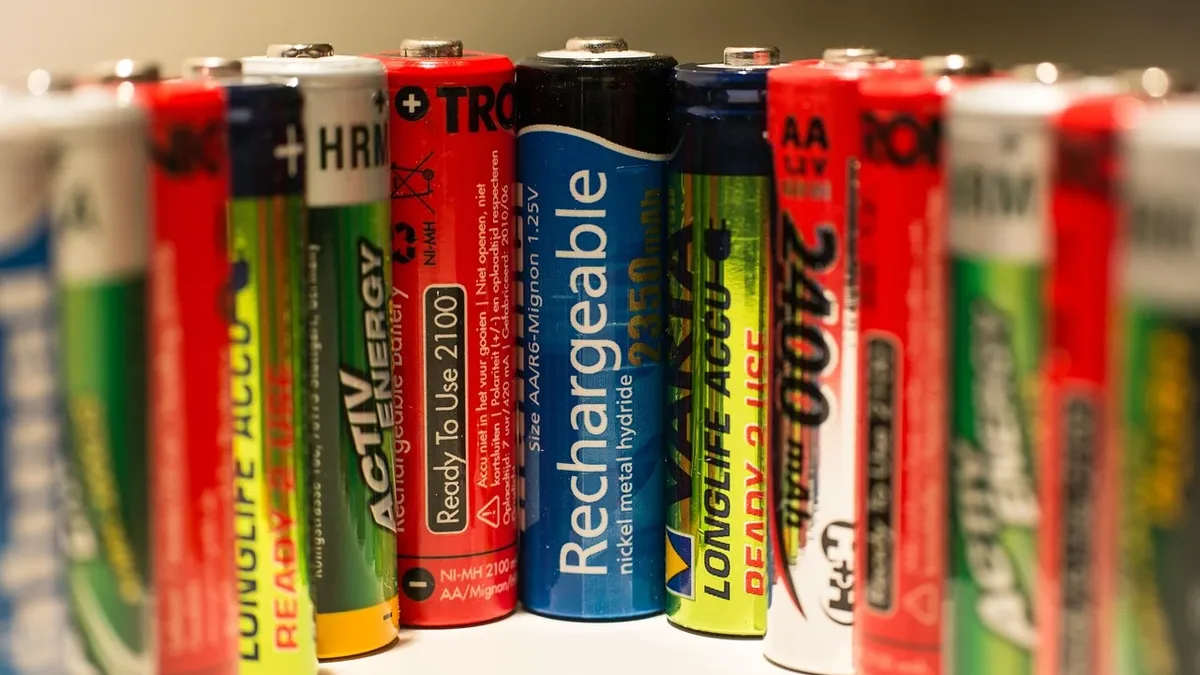
Pakistan regulator mandates storage for renewable auction
NEPRA approved a rule requiring at least 10% battery storage to be co-located with wind and solar projects in an 800 MW renewable auction, sparking...
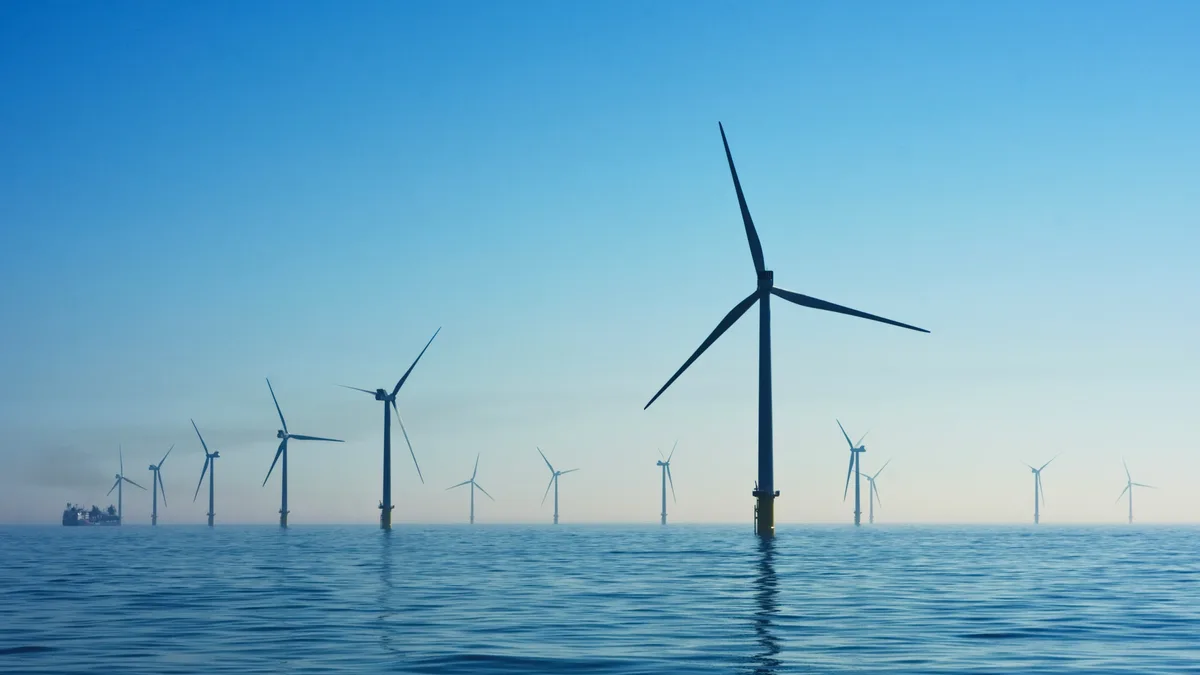
IEC Experts Address Solar and Wind Equipment End-of-Life
Industry standards bodies are developing frameworks for the repair, reuse, and recycling of aging solar panels and wind turbines to tackle a looming...
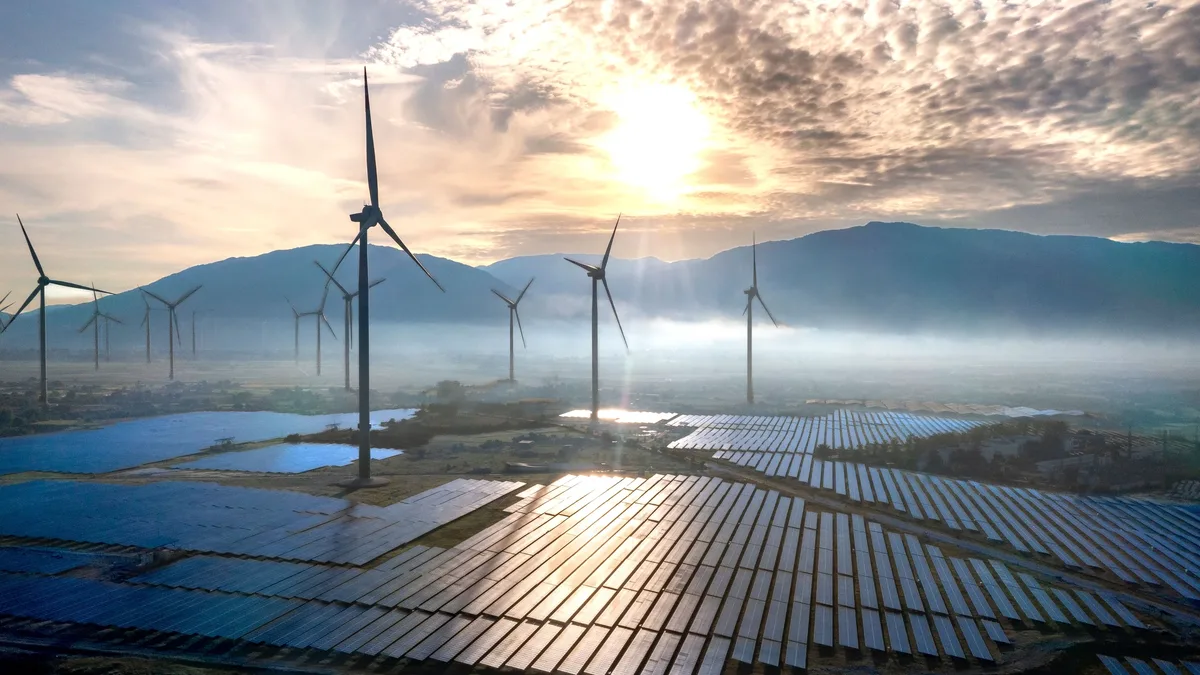
India's CEA proposes mandatory storage for new solar, wind
India's Central Electricity Authority has drafted rules requiring new solar and wind projects from 2027 to include co-located energy storage and