Pakistan regulator mandates storage for renewable auction
NEPRA approved a rule requiring at least 10% battery storage to be co-located with wind and solar projects in an 800 MW renewable auction, sparking debate
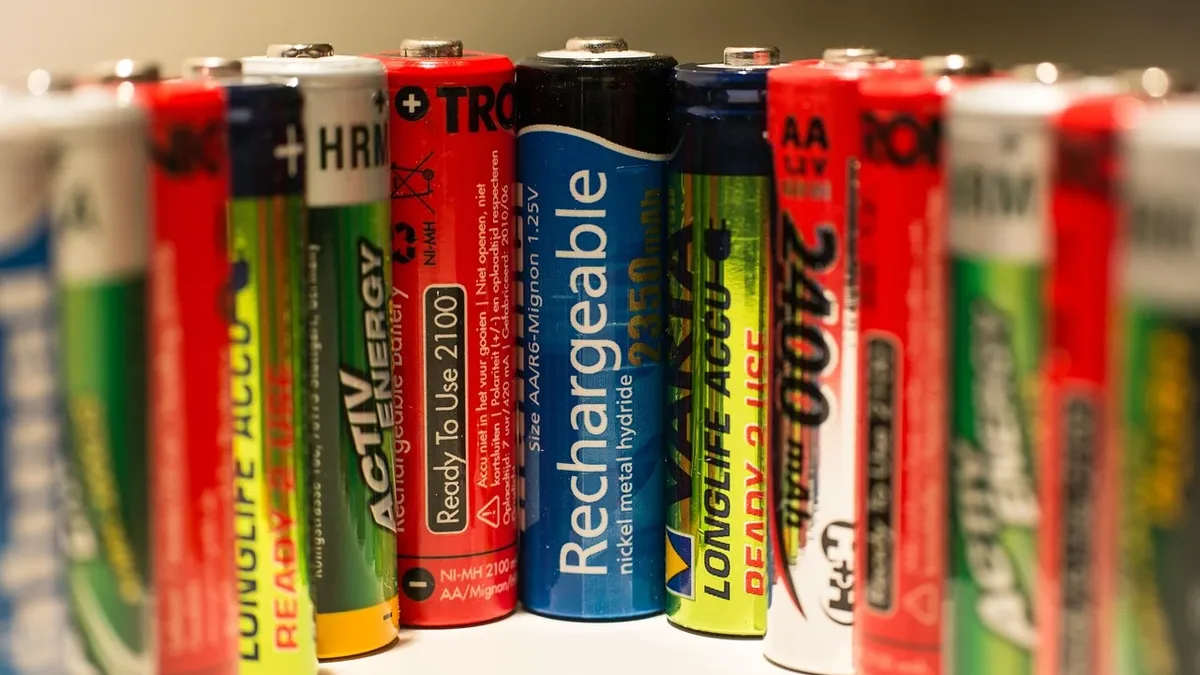
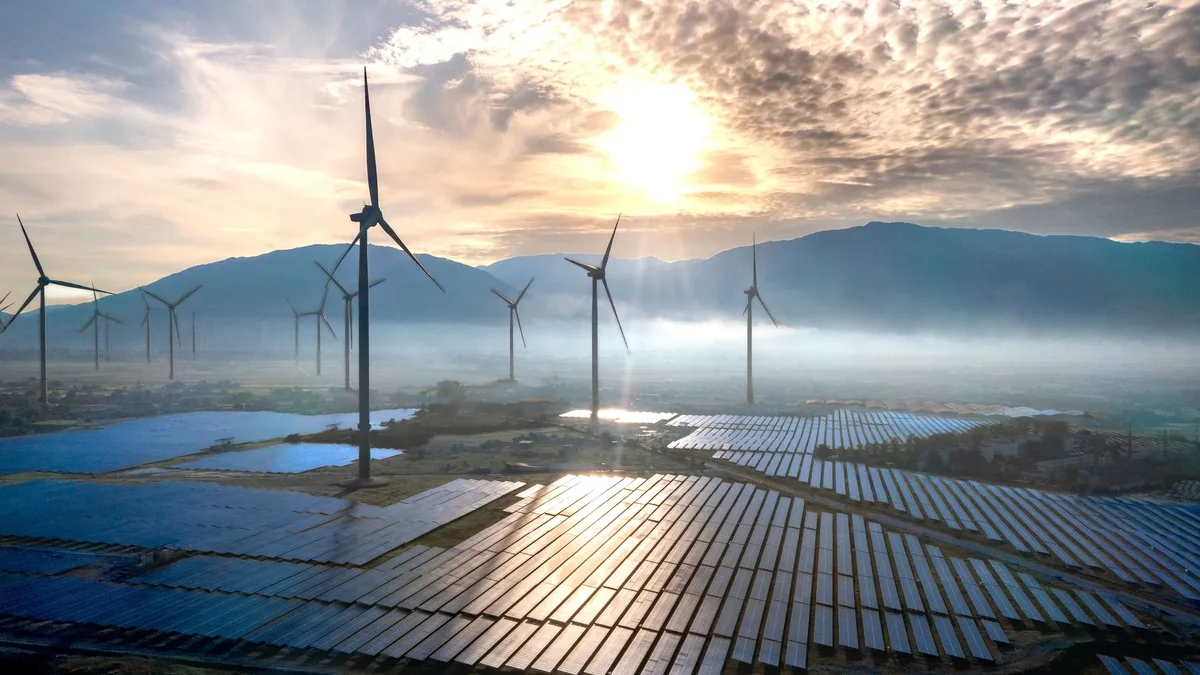
Pakistan’s National Electric Power Regulatory Authority (NEPRA) approved a rule on 4 September that will force bidders in a renewable energy auction to attach battery energy storage systems. The decision applies to a proposed 800 MW of aggregated wind and solar capacity and sets a minimum 10 % storage requirement.
Regulatory framework and auction details
The Independent System and Market Operator of Pakistan (ISMO) submitted a Wheeling Auction Process that seeks to procure the 800 MW of renewable generation. Alongside the procurement plan, ISMO proposed three amendments: a mandatory co-location of a battery energy storage system (BESS) with any wind or solar PV project, a one-month extension for bid submissions, and the creation of a grievance committee for participants. A public stakeholder engagement gathered comments from regional electricity company heads and other interested parties.
Storage requirement and modelling
The rule obliges bidders to provide BESS capacity equal to at least 10 % of their generation capacity. For the initial 400 MW auction tranche, this translates to roughly 40 MW of storage delivering 160 MWh of energy. The storage would charge during peak daytime renewable output and discharge when net demand rises, helping to smooth the evening ramp and recover curtailed energy.
ISMO’s internal modelling showed that projects remain financially viable when paired with 10 %, 20 % or 25 % BESS, with internal rates of return staying competitive. The agency described the mandatory BESS as “prudent and proportionate,” arguing that the growing share of variable renewable energy is already creating duck-curve, ramping and curtailment challenges for the grid.
| Scenario | Generation capacity (MW) | BESS requirement (MW) | BESS energy (MWh) |
|---|---|---|---|
| Total auction | 800 | , | , |
| Initial auction (mandated) | 400 | 10 % (40) | 160 |
| First tranche planned | 200 | , | , |
| Modelling with 20 % BESS | , | 20 % | , |
| Modelling with 25 % BESS | , | 25 % | , |
Stakeholder reactions
Power-sector expert Rehan Javed, who participated in the consultation, backed the co-location requirement but argued that a higher threshold of 15 % to 20 % would better achieve the auction’s objectives. The National Energy Academic Network (NEAN) echoed this view, questioning why the ambition was not set higher, especially since many consultation responses appeared to favour a 20 % target.
ISMO responded that the 10 % floor is intended as an initial minimum “to secure a substantial part of the modelled benefit without imposing the higher cost and implementation risk associated with a larger requirement.” The regulator said the financial model underpinning the calculation will be published, and the threshold could be revisited after the first auction round.
Parallel developments in India
In a related move, India’s Central Electricity Authority (CEA) has drafted regulations that would require new renewable projects commissioned after 1 July 2027 to include co-located energy storage equal to at least 10 % of installed capacity, with a minimum two-hour storage duration. The draft also mandates that 15 % of inverters on ground-mounted solar and onshore wind plants have grid-forming control. For a 100 MW project, the proposal would mean at least 10 MW of storage delivering 20 MWh.
Both Pakistan and India are signalling a shift toward integrating storage directly with renewable generation, aiming to mitigate curtailment and improve grid stability as variable sources become a larger share of the energy mix.