IEC Experts Address Solar and Wind Equipment End-of-Life
Industry standards bodies are developing frameworks for the repair, reuse, and recycling of aging solar panels and wind turbines to tackle a looming wave
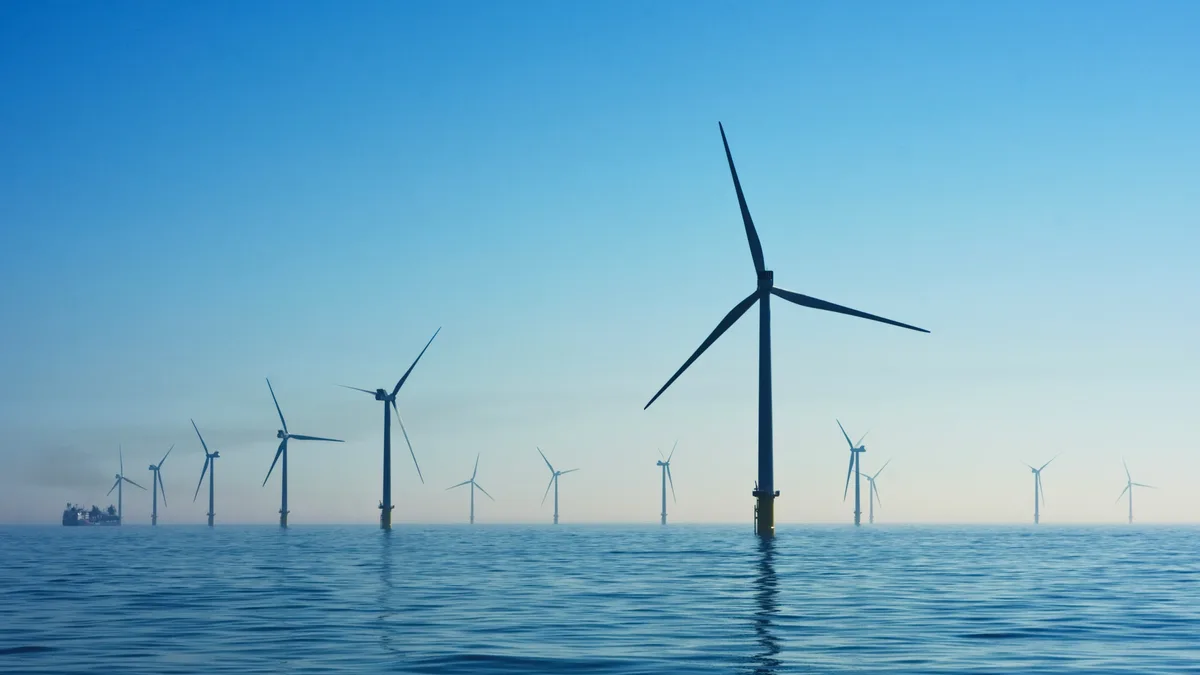
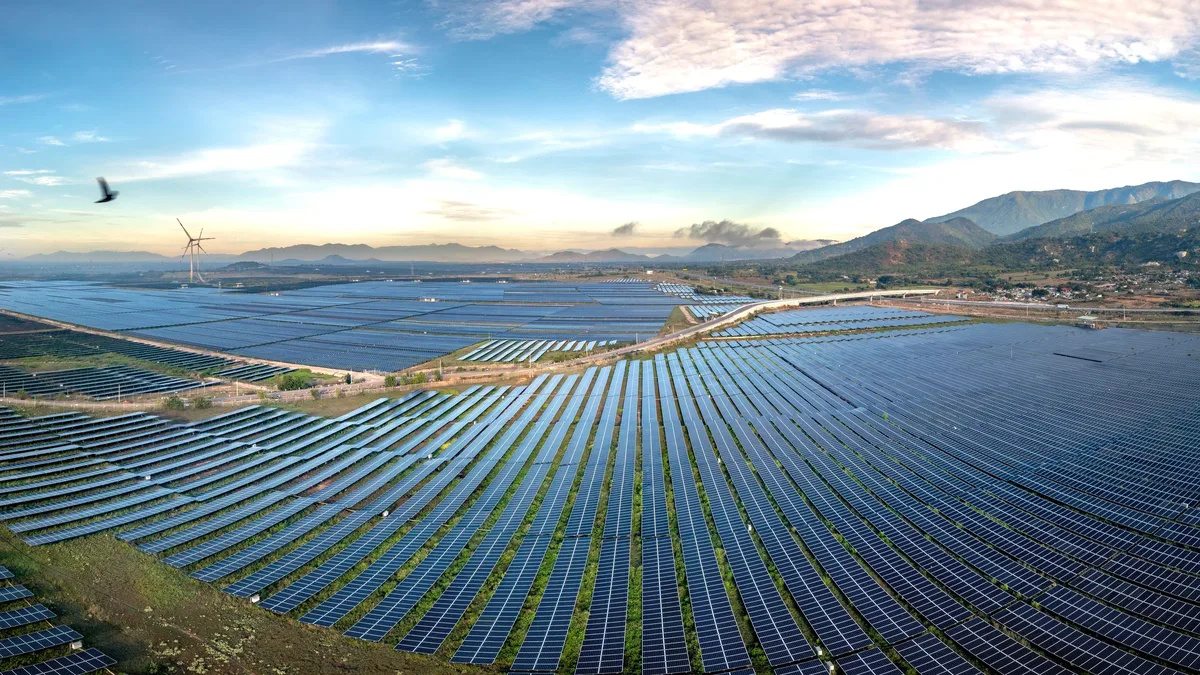
A generation of wind turbines installed in the early 2000s is nearing the end of its 20-30 year operational life. For solar panels, lifespans can reach up to 40 years, but early models from before the 2000s also present end-of-life issues, according to experts from the International Electrotechnical Commission (IEC) interviewed for pv magazine.
When this equipment is discarded, it becomes electronic waste unless it can be reused or recycled. The IEC, through its technical committees, is working on standards and specifications to promote a circular economy for these essential renewable energy assets.
The problems with recycling solar modules
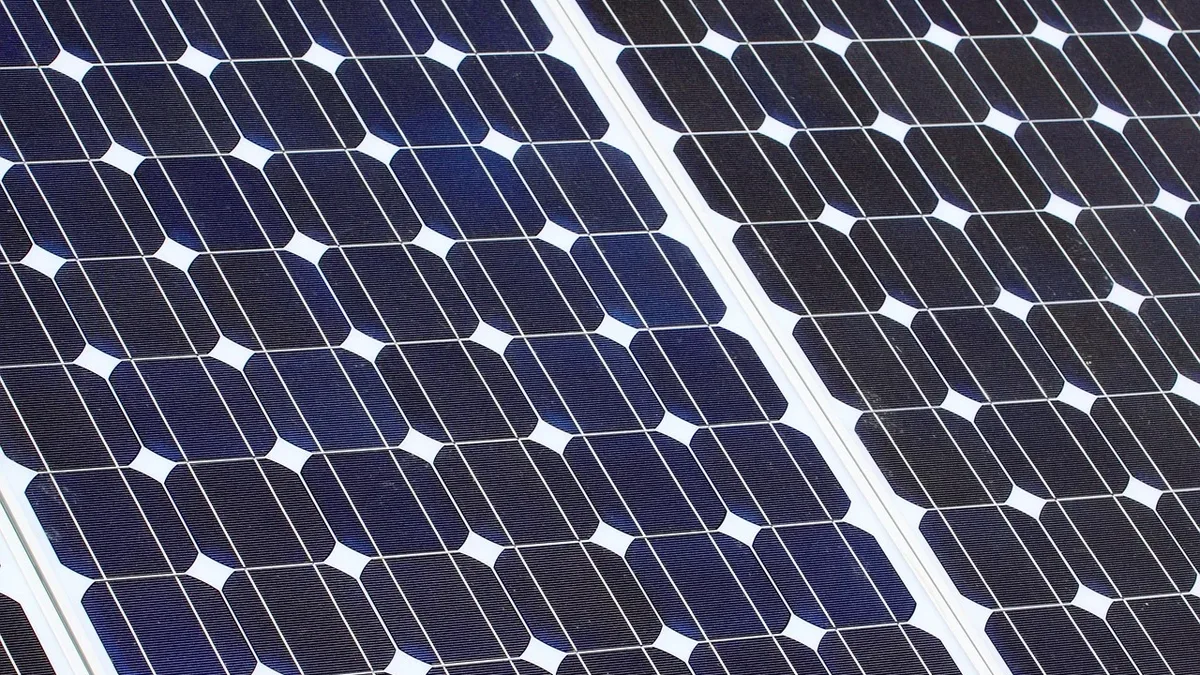
Recycling solar panels presents significant technical and economic hurdles. While glass and aluminum frames are relatively easy to recover, the silicon cells themselves are tricky. Tony Sample, Chair of IEC Technical Committee 82 (TC 82) for solar PV systems, notes that weight-based recycling targets are easily met by recycling frames, cables, and glass, but the module itself is the difficult part.
Specialized recycling facilities are few, and transport adds cost. Some companies mechanically recycle disassembled modules into small pieces for use as road fill. George Kelly, Secretary of TC 82, says specialists estimate over 75% of a PV module can now be recycled using innovative processing techniques. However, he states more work is needed to industrialize these processes to bring costs down and create a viable business model.
The recycling challenge of wind rotor blades
Wind turbine blades are particularly problematic. They are generally made from epoxy resin, a thermosetting polymer with strong mechanical properties that cannot be melted for recycling. IEC wind energy expert Alistair Mackinnon confirms the difficulty.
New materials like thermoplastic composites, which can be melted, are beginning to be used. For existing epoxy blades, mechanical recycling involves smashing them into pieces for use in cement, concrete, or fibre boards. Some companies have specialized in this type of recovery.
Repair and reuse as a preferred option
Circular economy models prioritize repair and extended use over recycling, which is seen as a last resort due to cost and associated greenhouse gas emissions from processing and transport. An IEC Publicly Available Specification (PAS) expected to be published will help solar panel repair and reuse.
George Kelly outlines three scenarios being examined. One involves simple, cost-effective repairs to extend a module's working life. Another sees functional modules from upgraded systems getting a second life in remote or poor communities. The third scenario focuses on recycling the system's materials.
Similar work is underway for wind energy. In 2025, IEC TC 88 published standard IEC 61400-28, setting minimum requirements for safely extending wind farm asset life. This standard is included in the IECRE conformity assessment system, which is developing an operational document on wind turbine life extension.
"The idea is to ensure that wind turbine assets that are used beyond their initial lifecycle still perform safely and efficiently," says IECRE Secretary Wolfram Zeitz. He adds that experts from TC 88 and IECRE are working together to promote a more circular economy in the wind sector.
By adopting these circular models, manufacturers can address the paradox of equipment essential for reducing emissions simultaneously contributing to a growing e-waste stream. The IEC, a global standards organization with 174 member countries, coordinates this work through its network of experts.