Wind Turbines
| Country of origin | Denmark |
|---|---|
| First created | 1890s (electrical generation) |
| Original use | Electricity generation from wind |
| Power output | Kilowatts to megawatts (varies by model) |
| Rotor diameter | 30 to 150 meters (varies by model) |
| Tower height | 80 to 120 meters (varies by model) |
| Typical lifespan | 20 to 25 years |
Origin and history
The concept of using wind for mechanical power dates back centuries, with early windmills used for grinding grain and pumping water in Persia around the 7th century. The direct technological ancestor of the modern electricity-generating wind turbine emerged in the late 19th century, with the first known battery-charging machine built in Scotland in 1887. Development continued in the early 20th century, particularly in Denmark, where pioneering work in the 1890s and 1900s led to commercially sold wind turbines. The modern era of utility-scale wind power began in the 1970s, driven by the oil crises which spurred significant research and development, especially in the United States and Denmark. This period saw the deployment of experimental multi-megawatt turbines and the establishment of key aerodynamic principles from the aerospace industry. The technology evolved rapidly from the 1990s onward, with increasing turbine size, reliability, and global manufacturing bases establishing it as a mainstream generation source.
What it is for
Wind turbines are designed to convert the kinetic energy in wind into electrical energy for integration into power grids. Their primary function is to generate electricity without the direct combustion of fuel, thereby avoiding associated air pollutant and carbon dioxide emissions during operation. They are deployed in both onshore and offshore environments to harness wind resources for utility-scale power generation, feeding electricity directly into the transmission network. Distributed or small-scale wind turbines can also be used for localized power needs, such as for farms, remote facilities, or individual buildings, often in conjunction with battery storage. The technology serves as a major component of national and regional strategies to diversify energy portfolios and increase the share of renewable energy. Furthermore, wind projects can provide economic development in the form of land lease payments to landowners and tax revenue for local communities.
Overview
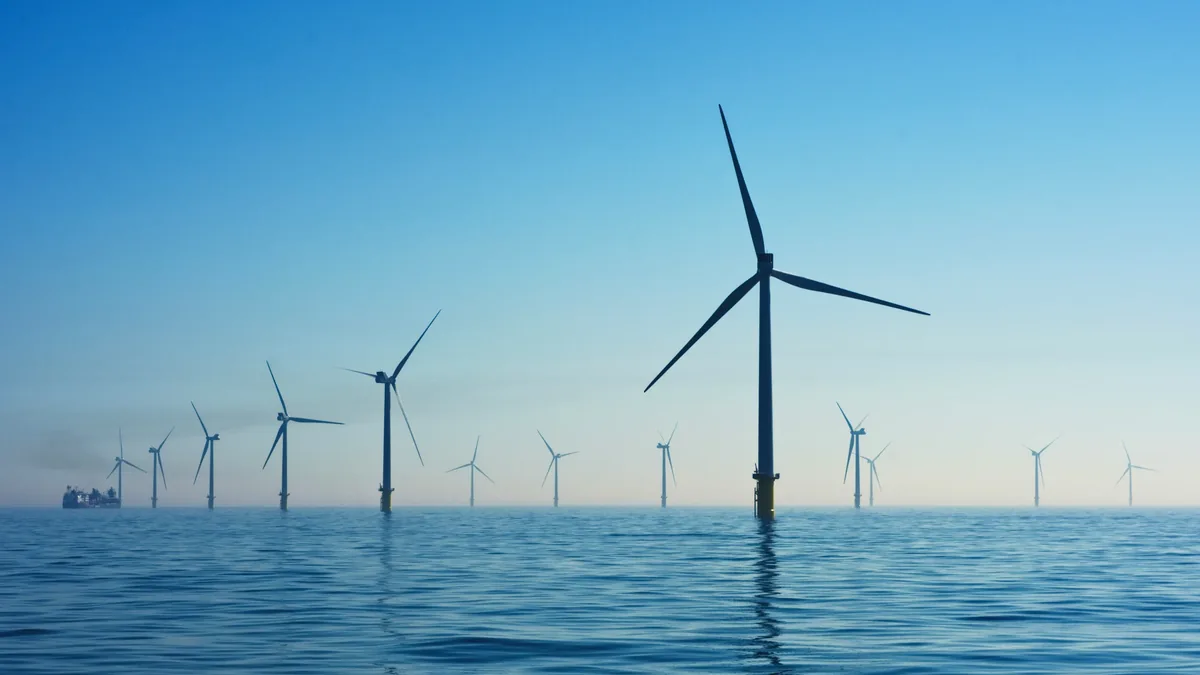
A modern utility-scale wind turbine is a complex electromechanical system consisting of a tower, a nacelle, and a rotor typically with three blades. The rotor captures wind energy, causing it to spin a shaft connected to a gearbox that increases rotational speed to drive an electrical generator housed within the nacelle. The generated electricity is then transformed to the appropriate voltage and sent down the tower via cables to a substation for grid connection. Turbines are equipped with extensive control systems, including yaw drives to orient the rotor into the wind and pitch mechanisms to adjust blade angle for optimal performance and storm protection. Wind farms consist of multiple such turbines spaced across a landscape or seabed, connected by an internal collection grid and linked to a central operations and maintenance facility. The scale of modern turbines is substantial, with hub heights exceeding 100 meters and rotor diameters surpassing 150 meters for the largest offshore models.
What to know
Wind power is an intermittent energy source, meaning its output varies with wind speed and is not dispatchable like a traditional power plant; this necessitates grid management strategies including forecasting, backup generation, and storage. The capacity factor, which measures actual output versus maximum potential, typically ranges from 25% to 50% for land-based projects and can be higher for offshore sites due to stronger, more consistent winds. Project development involves extensive site assessment, including long-term wind resource measurement, environmental impact studies, and securing interconnection agreements with the grid operator. While operating emissions are negligible, there is a full lifecycle environmental footprint from manufacturing, transportation, installation, and eventual decommissioning and recycling of components. Community acceptance can be a significant factor, with concerns often relating to visual impact, shadow flicker, potential noise, and effects on local wildlife, particularly birds and bats. The economic viability of a wind project is heavily influenced by the quality of the wind resource, the cost of capital, and the existence of supportive government policies or power purchase agreements.
Common questions
How much power does a single wind turbine produce? A modern onshore turbine rated at 3 megawatts can typically produce enough electricity to supply hundreds of average homes annually, depending on the wind resource. What happens when the wind stops? Turbines automatically cut out at very low wind speeds, and grid operators use other power sources like natural gas plants, hydropower, or stored energy to meet demand during calm periods. Are wind turbines noisy? Modern turbines do produce audible swishing and mechanical noise, but regulatory setbacks usually ensure sound levels at nearby residences are within limits, though perception varies. Do wind turbines harm wildlife? Collisions with turbines can cause bird and bat mortality, a serious concern that is mitigated through careful siting, technological deterrents, and operational adjustments during migration periods. Why are turbine blades not recycled widely? The composite materials in blades are extremely durable, making them difficult to break down economically; however, dedicated recycling and repurposing initiatives are actively developing. How long does a wind turbine last? The designed operational lifetime for most projects is 20 to 25 years, after which they may be repowered with new equipment or fully decommissioned.
Pros and cons
A significant advantage is the generation of electricity with zero fuel cost and minimal operational emissions, providing long-term price stability and climate benefits. The technology is mature, scalable, and has seen consistent cost reductions, making it one of the cheapest sources of new electricity generation in many regions. Wind farms can co-exist with other land uses like agriculture and grazing, providing supplemental income to landowners. A major disadvantage is intermittency, which challenges grid reliability and can require costly investments in backup infrastructure or grid upgrades, especially at high penetration levels. Visual and auditory impacts are a common source of local opposition, leading to project delays or cancellations, and some residents near installations report negative health effects from noise and shadow flicker, though studies are inconclusive. The industry often regrets siting in locations with underestimated wildlife impacts or community resistance, and a common mistake is underestimating the complexity and cost of maintenance, particularly for early offshore projects where access is difficult and conditions are harsh.
Who it suits
This technology suits regions with consistent, strong wind resources, particularly coastal areas, plains, and elevated ridgelines, as identified by detailed wind mapping. It is suited for national or regional energy policies seeking to decarbonize the electricity sector and for utilities or corporations seeking to meet renewable energy targets through power purchase agreements. Wind projects suit landowners with large tracts of available land who are willing to enter long-term lease agreements and accept the permanent change to the landscape. The technology suits investors and developers with access to significant capital for upfront costs and the patience for development timelines that can span several years due to permitting. It is less suited for densely populated areas with poor wind resources or high ecological sensitivity, and for grids without the flexibility to manage variable input without compromising stability. Ultimately, wind power suits a long-term, systems-level approach to energy planning that integrates it with other generation, storage, and demand-side management technologies.
Latest Wind Turbines news
Latest reporting
World's first large-scale offshore wind flexible HVDC
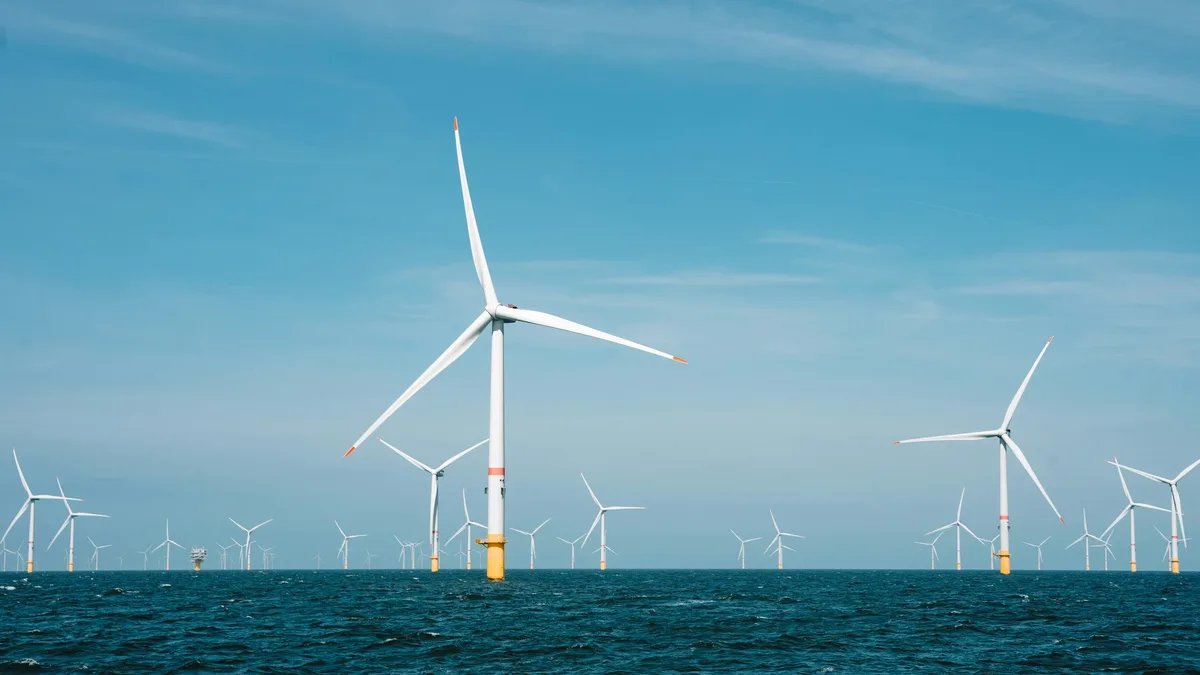
China Three Gorges Corporation has connected the first turbines of its 2 GW Qingzhou V & VII offshore wind project.
Tekmar secures €6 million offshore wind
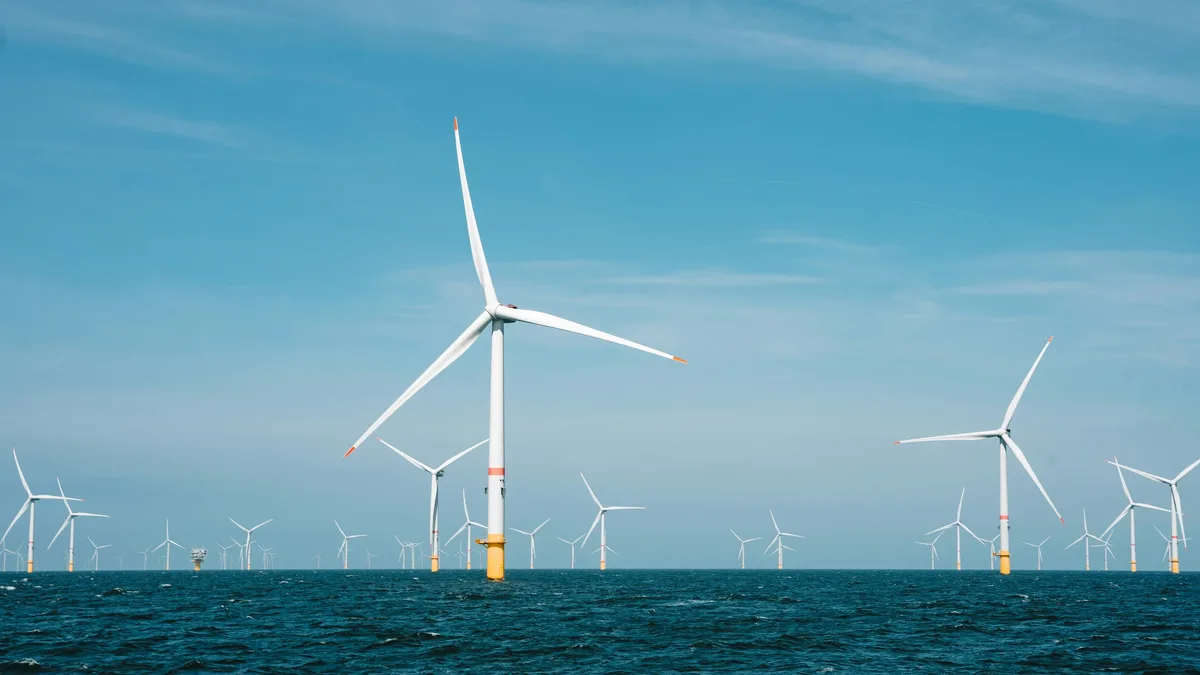
Tekmar Group has won a €6 million contract extension to supply cable protection systems for a European offshore wind project, with manufacturing set...
India's New Solar Rules Require Storage from July 2027
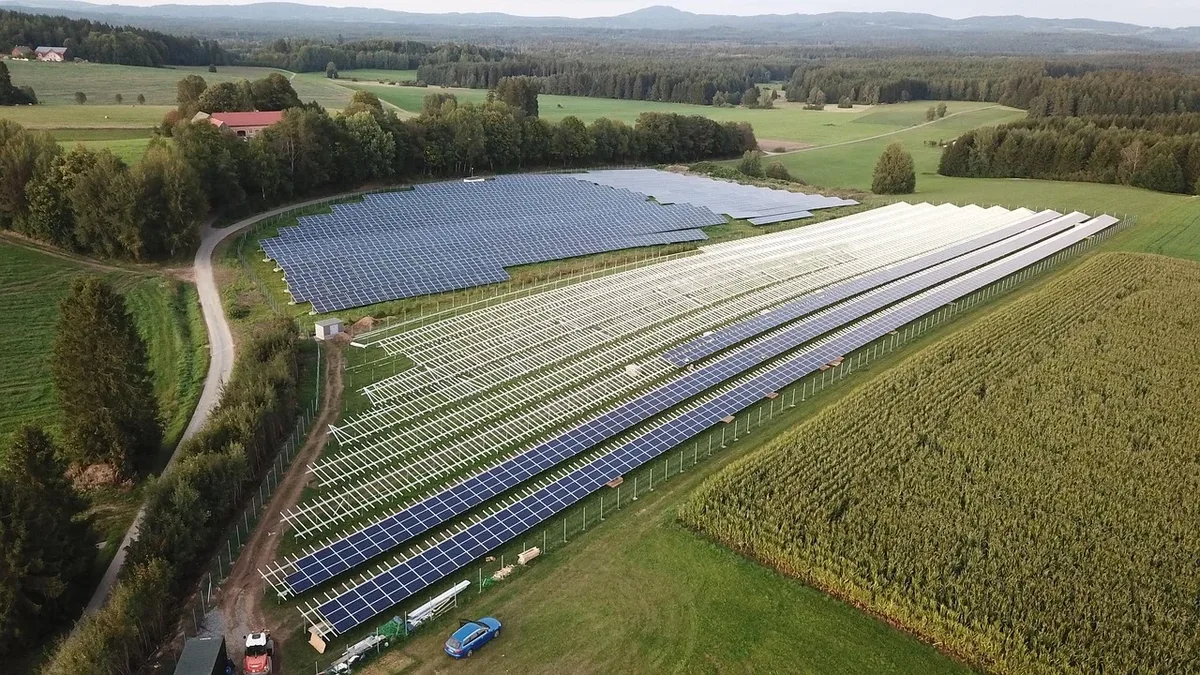
India's Central Electricity Authority has proposed that new ground-mounted solar and onshore wind plants must include co-located energy storage and
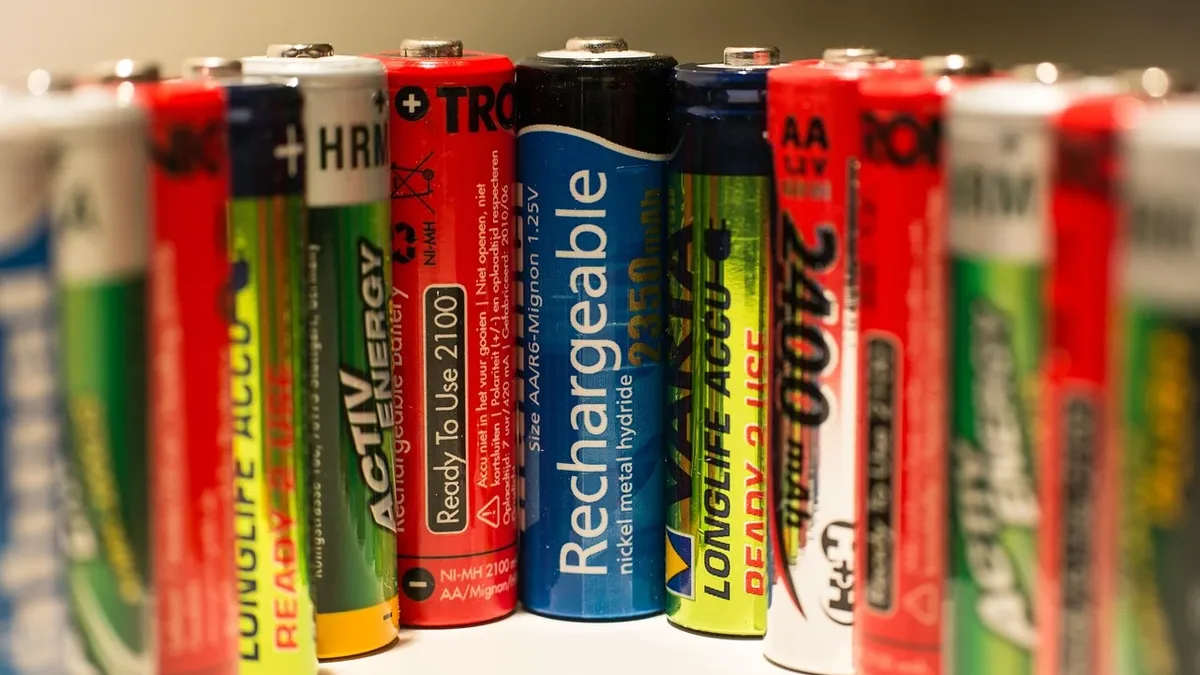
Pakistan regulator mandates storage for renewable auction
NEPRA approved a rule requiring at least 10% battery storage to be co-located with wind and solar projects in an 800 MW renewable auction, sparking...
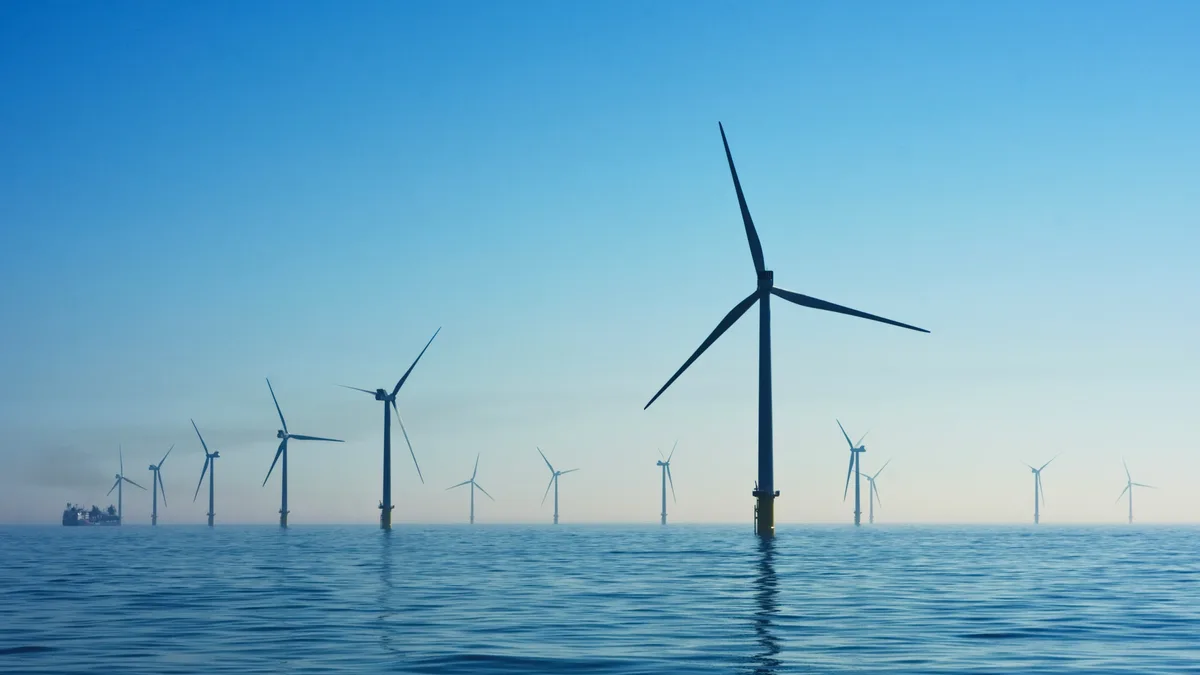
IEC Experts Address Solar and Wind Equipment End-of-Life
Industry standards bodies are developing frameworks for the repair, reuse, and recycling of aging solar panels and wind turbines to tackle a looming...
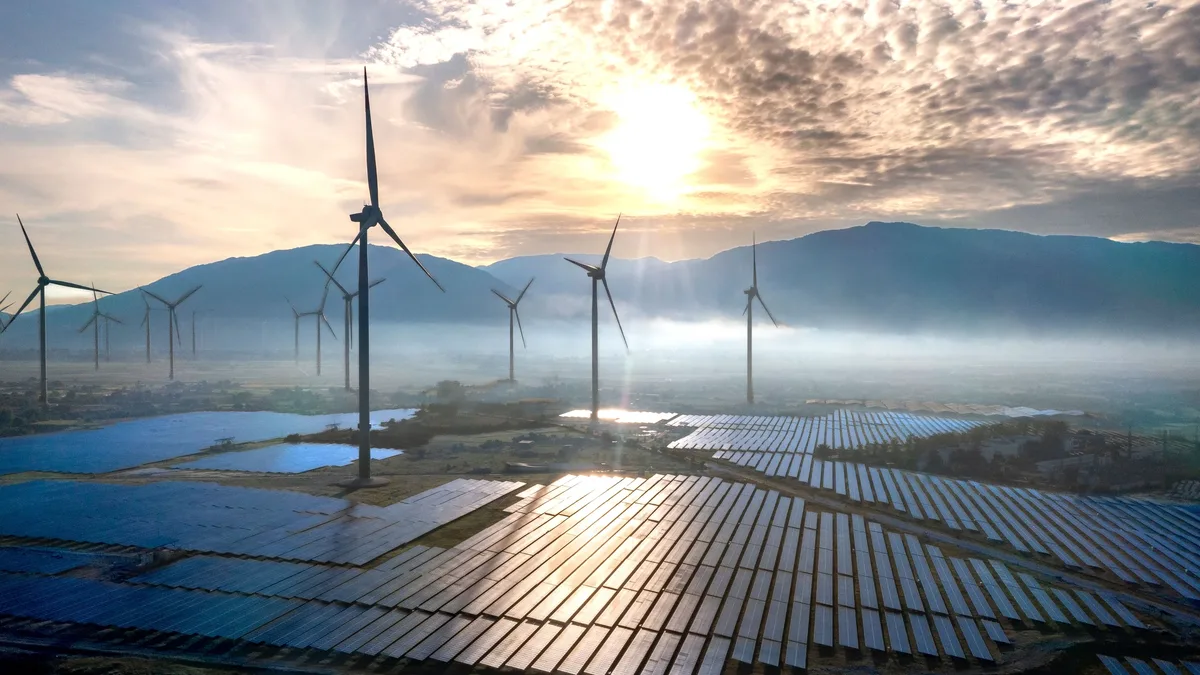
India's CEA proposes mandatory storage for new solar, wind
India's Central Electricity Authority has drafted rules requiring new solar and wind projects from 2027 to include co-located energy storage and