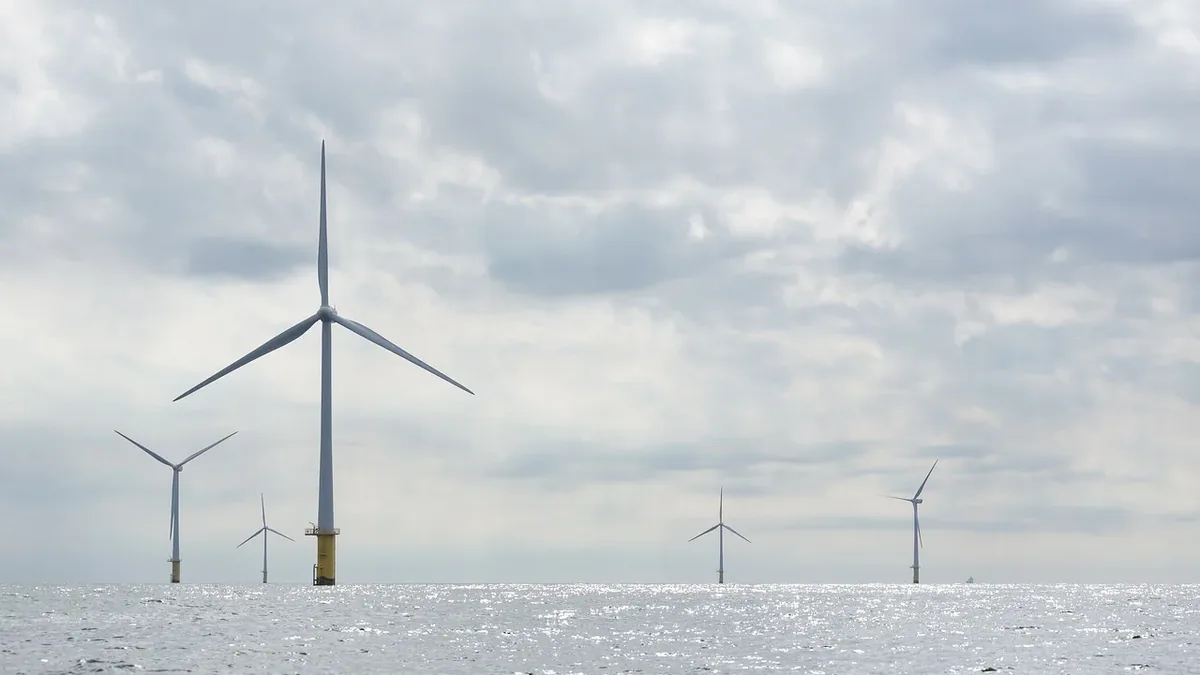
Low Wind Speed And Typhoon Class Turbines
| Technology type | Horizontal-axis, utility-scale wind turbine |
|---|---|
| Rated power range | 3 to 8 megawatts |
| Rotor diameter | 150 to 200 meters |
| Designed for annual average wind speed | 6.0 to 7.5 meters per second at hub height |
| IEC wind class | S-class (Special, for typhoon conditions) |
| Original use | Electricity generation in low-wind and typhoon-prone regions |
| Key design feature | Reinforced structure and control system for extreme wind loads |
Origin and history
Low Wind Speed and Typhoon Class Turbines are engineering concepts that emerged from distinct regional challenges in wind energy development. The technological pursuit for low wind speed turbines accelerated notably in the 2000s, driven by markets with abundant land but modest wind resources, such as parts of the United States, China, and Northern Europe. Concurrently, typhoon-class turbine development is heavily associated with East and Southeast Asia, particularly Japan and Taiwan, where the threat of extreme cyclonic winds is a major barrier to wind farm deployment. Research and commercial development for these resilient turbines intensified in the 2010s following several high-profile typhoon disasters that destroyed conventional wind farms. These parallel development paths represent a specialization of wind technology beyond the standard IEC wind classes that had dominated the global market. The convergence of these two concepts into a single turbine class designed for both low average winds and extreme gusts is a more recent and ongoing engineering endeavor.
What it is for
This turbine class is designed to economically exploit wind resources in geographically specific and challenging locations that were previously considered marginal or too risky. Its primary purpose is to generate electricity in inland regions where the average wind speed is consistently low, typically below 7.5 meters per second at hub height. A secondary, critical purpose is to survive the extreme wind loads, sudden directional shifts, and intense turbulence presented by tropical cyclones, typhoons, and hurricanes. This enables project development in coastal areas of Asia and the Americas that are prone to such storms but have strong energy demand. The technology aims to expand the viable land area for wind power by making sites with sub-optimal wind or high storm risk financially and technically feasible. Ultimately, it serves to increase renewable energy penetration in grids that rely on these specific regional characteristics.
Overview
A Low Wind Speed and Typhoon Class Turbine is a wind turbine specifically engineered with a combination of aerodynamic, structural, and control system features to meet two demanding criteria. It typically incorporates a rotor with a very large diameter relative to its generator size, a design known as a high specific rating, to capture maximum energy from weaker breezes. The structural components, including the tower, blades, and nacelle, are built to withstand extreme operational and survival wind speeds that far exceed those required for standard IEC Class III or II turbines. Advanced materials like carbon fiber in key load-bearing parts are common to achieve the necessary strength without excessive weight. The turbine's control system is programmed with sophisticated algorithms to proactively feather blades and yaw out of harm's way in anticipation of storm-force winds, mitigating structural loads. This overview describes a machine that is fundamentally optimized for a different and broader set of environmental conditions than conventional wind turbines.
What to know
It is crucial to understand that these turbines represent a trade-off, not a universal improvement over standard models, and are a niche product for specific site conditions. The enlarged rotor necessary for low-wind performance increases capital cost and places greater stress on all drive-train and tower components, which in turn must be reinforced for storm survival, further raising costs. Projects using this technology are therefore highly dependent on detailed, long-term wind resource assessment, including historical storm data, to justify the investment. The levelized cost of electricity (LCOE) from such projects may be higher than from wind farms in prime, high-wind locations, but can be competitive with other local generation sources. Grid connection infrastructure in remote or storm-prone areas can also present significant additional challenges and expenses for developers. Furthermore, the operational and maintenance strategies, including access during typhoon seasons and insurance costs, differ substantially from standard wind farm practices.
Common questions
A frequent question is whether these turbines can operate during a typhoon, and the answer is generally no; they enter a protective shutdown mode to survive the event, with power generation resuming only after the storm has passed and safe conditions are verified. People often ask how much more energy a low-wind speed turbine can produce in a mild area compared to a standard model, which depends entirely on the site's wind distribution but can be a significant increase of twenty percent or more. Many inquire about the cost premium, which is substantial due to the specialized materials and design but is considered a necessary investment for the target environments. A common technical question concerns the blade design, which may incorporate features to reduce noise and improve low-wind start-up performance while also being robust enough to resist flexing and fatigue in storms. Developers regularly question the certification process, which requires passing rigorous tests simulating decades of operational stress punctuated by extreme typhoon-load events. Finally, there is often confusion about where these turbines are deployed, with examples including the Japanese coastline, parts of the Philippines, the Caribbean, and low-wind provinces in China.
Pros and cons
Pros: The principal advantage is the unlocking of vast geographical areas for wind development that were previously economically or technically off-limits, significantly expanding the potential for renewable energy. These turbines provide a more consistent and reliable power output in regions with low average wind speeds, improving grid stability compared to standard turbines that would frequently be idle. Their storm-resilient design drastically reduces the risk of catastrophic failure and financial loss from typhoon damage, a major concern for investors and insurers in prone regions. The technology can also contribute to energy security and independence for island nations or remote coastal communities that rely on expensive imported fossil fuels. Cons: The most significant drawback is the substantially higher upfront capital expenditure (CapEx) for the turbines themselves and often for the reinforced foundations and infrastructure they require. This higher cost can make project financing more difficult and typically results in a higher levelized cost of energy, requiring favorable policy support or very high local electricity prices to be viable. The complex design and use of advanced materials can lead to longer manufacturing lead times and potentially higher operational maintenance costs over the turbine's lifetime. A common mistake is deploying this expensive technology in a location that does not definitively require both capabilities, thereby incurring unnecessary costs where a standard turbine would have sufficed.
Who it suits
This technology suits specific, well-studied project profiles rather than broad adoption. It is ideally suited for independent power producers and utility companies developing projects in documented low-wind resource regions that also fall within official typhoon or hurricane pathways. National governments and energy planners in island nations or storm-prone coastal countries seeking to develop domestic renewable resources are key stakeholders for this technology. The turbines suit sites where the value of electricity is high, such as in remote microgrids or areas with substantial renewable energy subsidies or carbon pricing mechanisms that improve economics. It is less suited for developers in regions with consistently high wind speeds or minimal severe weather risk, where standard turbine classes offer a more cost-effective solution. Ultimately, it suits a patient investor with a high-risk tolerance for frontier markets but a simultaneous demand for engineered resilience against the worst natural forces.
Latest Low Wind Speed And Typhoon Class Turbines news
Latest reporting
World's first large-scale offshore wind flexible HVDC
China Three Gorges Corporation has connected the first turbines of its 2 GW Qingzhou V & VII offshore wind project.
Tekmar secures €6 million offshore wind
Tekmar Group has won a €6 million contract extension to supply cable protection systems for a European offshore wind project, with manufacturing set...
India's New Solar Rules Require Storage from July 2027
India's Central Electricity Authority has proposed that new ground-mounted solar and onshore wind plants must include co-located energy storage and
Pakistan regulator mandates storage for renewable auction
NEPRA approved a rule requiring at least 10% battery storage to be co-located with wind and solar projects in an 800 MW renewable auction, sparking...
IEC Experts Address Solar and Wind Equipment End-of-Life
Industry standards bodies are developing frameworks for the repair, reuse, and recycling of aging solar panels and wind turbines to tackle a looming...
India's CEA proposes mandatory storage for new solar, wind
India's Central Electricity Authority has drafted rules requiring new solar and wind projects from 2027 to include co-located energy storage and