Green Bonds, Blended Finance And Concessional Capital
| Country of origin | International (multilateral development bank concept) |
|---|---|
| First created | Early 2000s |
| Original use | To mobilize private capital for climate and environmental projects |
| Primary mechanism | Debt instrument |
| Capital structure | Blended (combining public, private, and concessional funds) |
| Risk profile | Lowered via credit enhancement |
| Project focus | Climate mitigation, adaptation, and other environmental benefits |
| Use of proceeds | Ring-fenced for eligible green projects |
Origin and history
The concepts of Green Bonds, Blended Finance, and Concessional Capital emerged from the global development finance sector in the late 20th and early 21st centuries. Green Bonds originated as a specific debt instrument, with the first multilateral development bank issuances coming from European institutions in the 2000s. Blended Finance is a structuring approach that evolved from public-private partnership models used by development finance institutions since the latter half of the 20th century. Concessional Capital refers to financing with below-market terms, a long-standing tool used by governments and multilateral agencies to direct funds to priority sectors. These three mechanisms converged as a coordinated toolkit for climate finance following international agreements like the Paris Agreement. Their development is not attributed to a single country but is a product of global financial innovation led by multilateral banks, governments, and institutional investors.
What it is for
This financial toolkit is designed to fund specific projects that address climate change and sustainable development but struggle to attract sufficient commercial investment. Green Bonds are for raising dedicated capital from debt markets for eligible green projects, such as renewable energy plants or sustainable infrastructure. Blended Finance is for structuring deals that use public or philanthropic funds to improve the risk-return profile for private investors. Concessional Capital is for providing loans or guarantees with more favorable terms than the market offers, thereby lowering the overall cost of capital for a project. Together, they aim to bridge the financing gap for large-scale technology deployments in areas like wind farms, solar parks, or green hydrogen facilities. Their primary purpose is to mobilize private sector investment into projects that have clear environmental benefits but may face higher perceived risks or lower returns.
Overview
In a typical project finance structure for a generation technology like a solar farm, these instruments work in combination. Green Bonds might be issued by a development bank or a corporation to raise the bulk of the required debt financing, with proceeds ring-fenced for the project. Blended Finance would involve layering different types of capital; for instance, a development agency might provide a junior equity tranche or a first-loss guarantee to attract commercial banks as senior lenders. Concessional Capital could take the form of a loan from a climate fund with a lower interest rate or a longer grace period, reducing the project's financial burden during construction and early operation. The overall structure de-risks the project from a private investor's perspective, making it bankable. This enables the construction and operation of assets that might otherwise remain unfunded due to technology, country, or offtake risks.
What to know
A critical point is that "green" in Green Bonds is defined by frameworks like the Green Bond Principles, requiring transparency on use of proceeds and environmental impact. Blended Finance deals are highly complex and require significant transaction costs and expertise to structure, often taking years to arrange. Concessional Capital is a scarce resource, typically provided by governments or multilateral funds, and its deployment is highly competitive and politically influenced. The additionality of these instruments, meaning whether they truly enable projects that would not happen otherwise, is a constant subject of debate and measurement. There is a risk of "greenwashing" if the financed projects do not deliver verifiable, additional environmental benefits or if funds simply displace commercial finance that would have occurred anyway. Successful application depends on robust project planning, credible offtake agreements, and strong governance to ensure funds are used as intended.
Common questions
What qualifies a project to be funded by a Green Bond? Projects must align with defined categories like renewable energy, energy efficiency, or pollution prevention, with detailed reporting. How does Blended Finance actually reduce risk for private investors? It does so by absorbing first losses through subordinate capital or providing guarantees, thereby enhancing the credit profile for senior lenders. Who provides Concessional Capital? Entities include multilateral climate funds like the Green Climate Fund, bilateral aid agencies, and development banks with specific concessional windows. Can these tools be used for emerging technologies like advanced geothermal? Yes, they are particularly targeted at such technologies where commercial finance is scarce due to high upfront costs and unproven operational track records. Are returns sacrificed when using these instruments? For private investors, the risk-adjusted returns are made acceptable; for public providers, the return is measured in developmental impact, not purely financial. What happens after the concessional element expires? The project must be financially sustainable under normal market conditions, or it may require refinancing.
Pros and cons
A significant pro is the ability to mobilize large-scale private investment into critical climate infrastructure that markets alone will not fund at the required pace. These mechanisms can lower the cost of capital for projects, making clean energy more competitive against fossil fuels. They provide a structured, transparent way for institutional investors to gain exposure to sustainable assets. A major con is the high complexity and transaction costs, which can consume a substantial portion of the concessional funds and delay project implementation. There is a recurring risk of misallocation, where subsidized finance flows to projects that were already commercially viable, thereby wasting scarce public resources. Project developers often regret the immense bureaucratic burden and reporting requirements attached to these funds, which can strain operational capacity. A common mistake is focusing solely on securing the concessional terms without ensuring the underlying project economics are sound, leading to failures even with subsidized capital.
Who it suits
This toolkit suits large-scale, capital-intensive generation technology projects in developing countries or in sectors with nascent technologies, where risk perceptions are high. It is appropriate for project sponsors and developers who have the expertise and patience to navigate lengthy, multi-stakeholder financial structuring processes. It suits institutional debt investors, like pension funds, seeking green investment opportunities but requiring the risk mitigation that blended structures provide. It is essential for public institutions and development banks whose mandate is to catalyze private investment and achieve climate goals rather than maximize financial returns. It does not suit small-scale projects, due to disproportionate transaction costs, or projects in stable, low-risk markets with readily available commercial finance. It is best for teams with strong financial, legal, and technical advisory support to manage the intricate requirements of these instruments.
Latest Green Bonds, Blended Finance And Concessional Capital news
Latest reporting
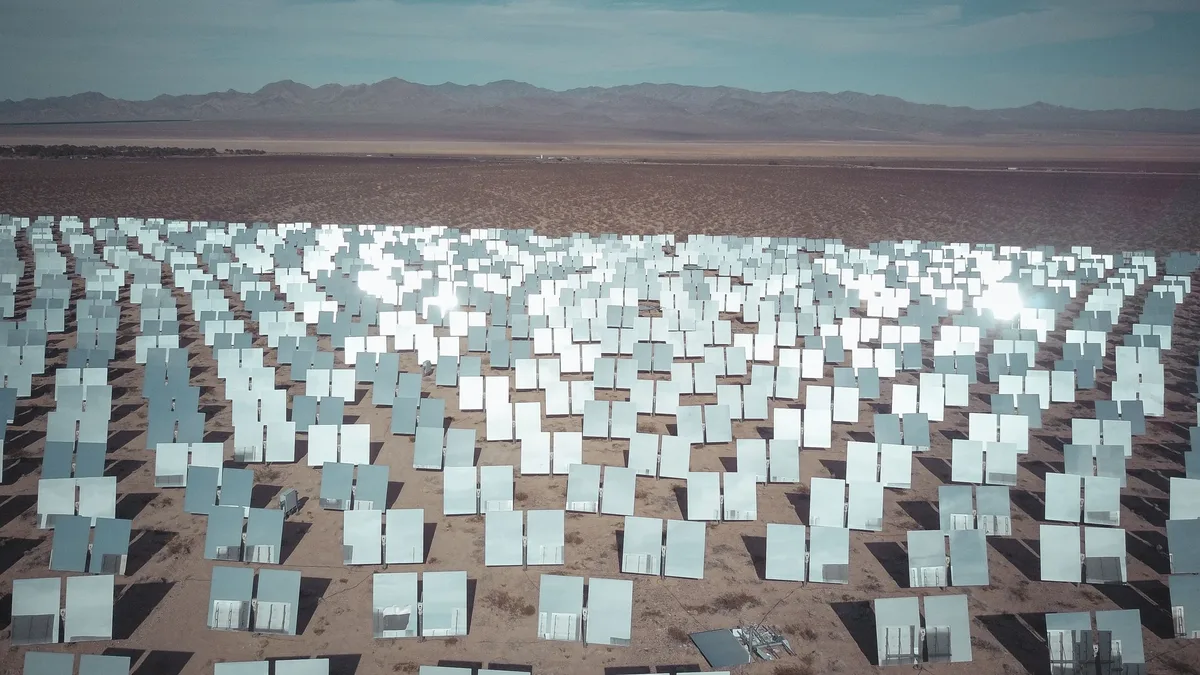
Adani Green Energy expands Khavda battery storage to 6.63
Adani Green Energy Ltd has expanded its operational battery storage capacity at Khavda, Gujarat, to 6.63 GWh within 14 months, now representing over...
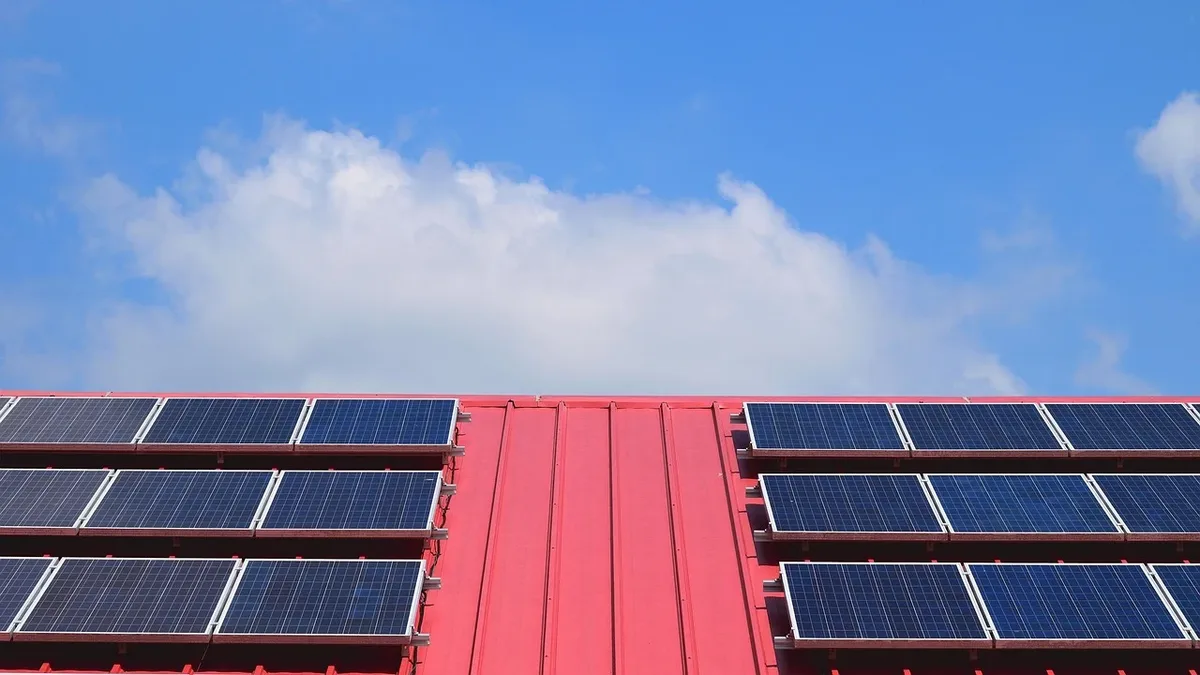
China urged to back local solar finance in Global South
Analysts say China, the world's top solar equipment exporter, should help catalyze local capital for off-grid solar projects in the Global South...

Brazil links data center tax incentives to green power
Brazil's Senate approved a bill giving data centers a five-year federal tax break if they use renewable or low-emission power sources.

Bangladesh's Green Building Drive Expands
Bangladesh's corporate and real estate sectors are increasingly constructing LEED-certified green buildings, driven by climate pressures and corporate
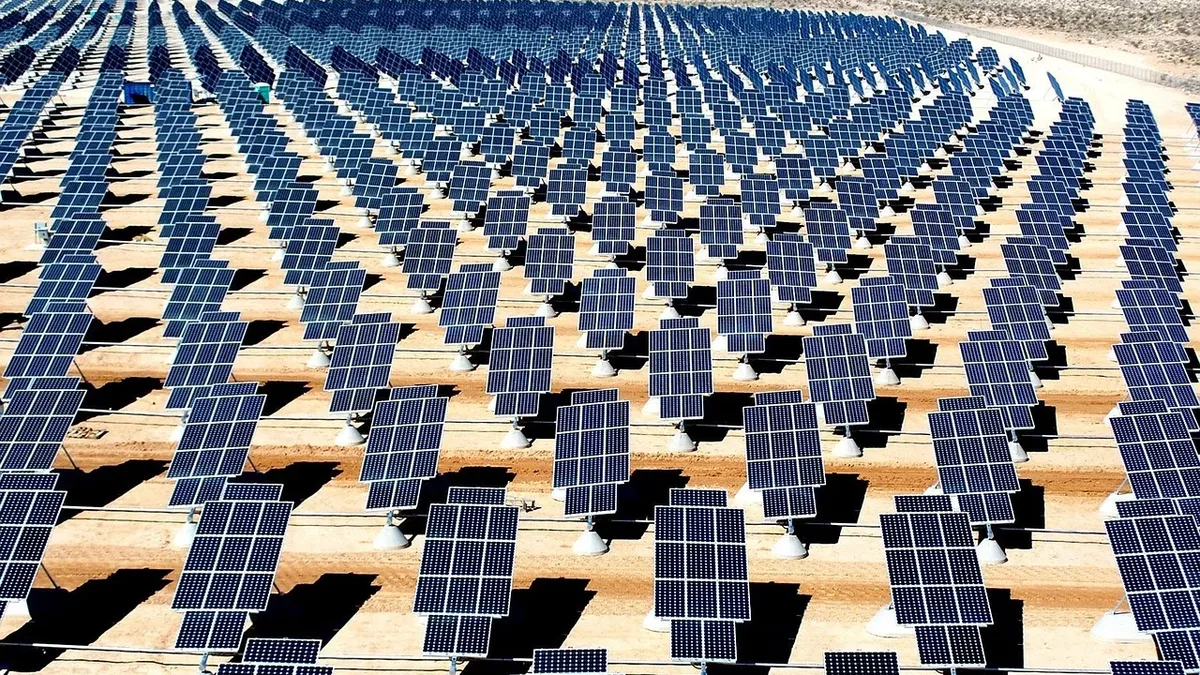
Africa's first PV hydrogen hub starts up
Cmb-Tech has started operations at a green hydrogen facility in Namibia's Walvis Bay, featuring 5 MW of off-grid solar PV, a 5 MW PEM electrolyzer...
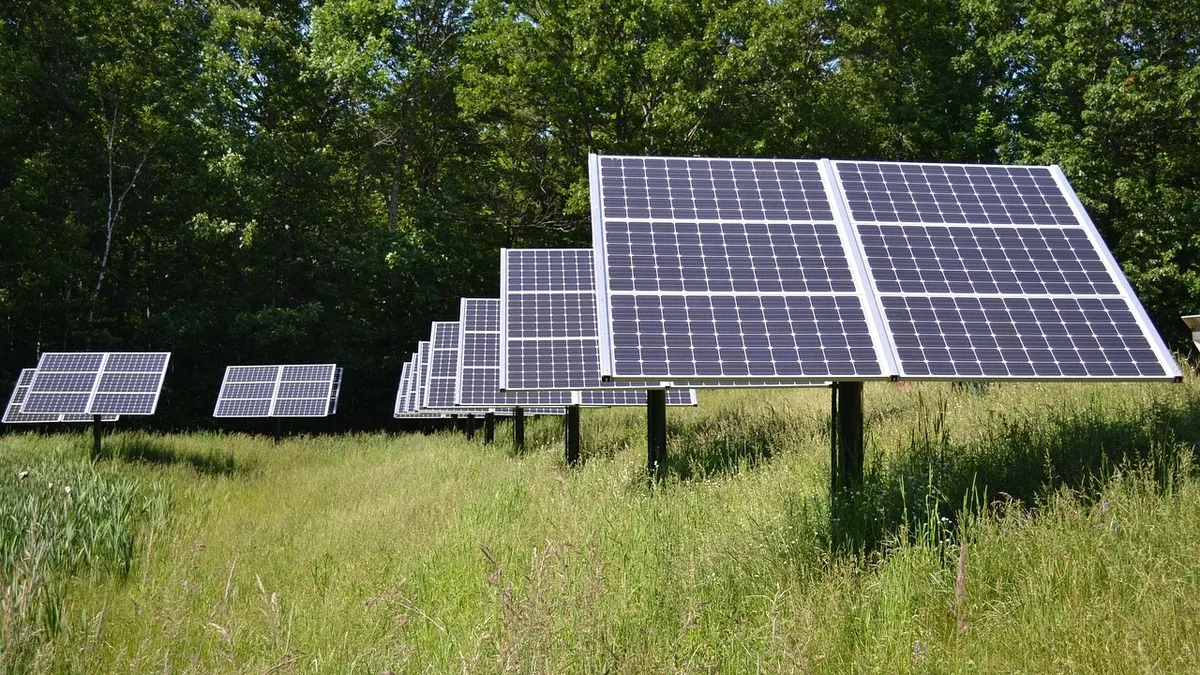
Solar PV installations influence neighboring households to go green
New research finds that installing a solar PV system can influence the energy-related behavior of neighboring households, making them more likely to...