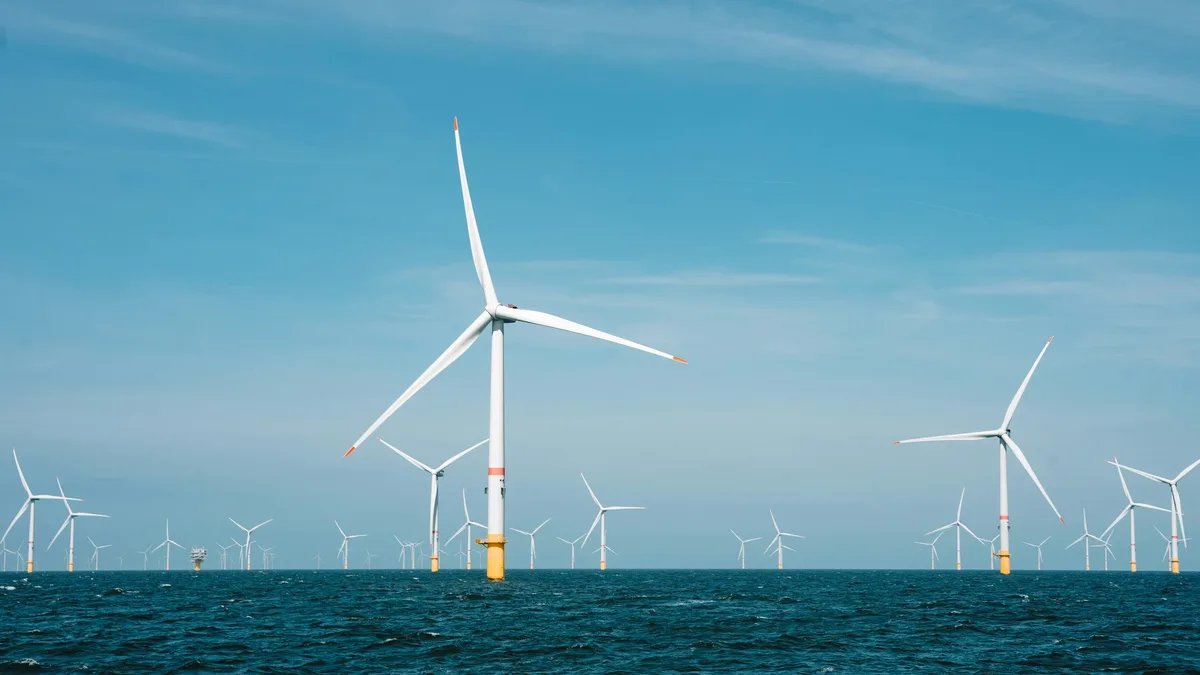
Brazil links data center tax incentives to green power
Brazil's Senate approved a bill giving data centers a five-year federal tax break if they use renewable or low-emission power sources.
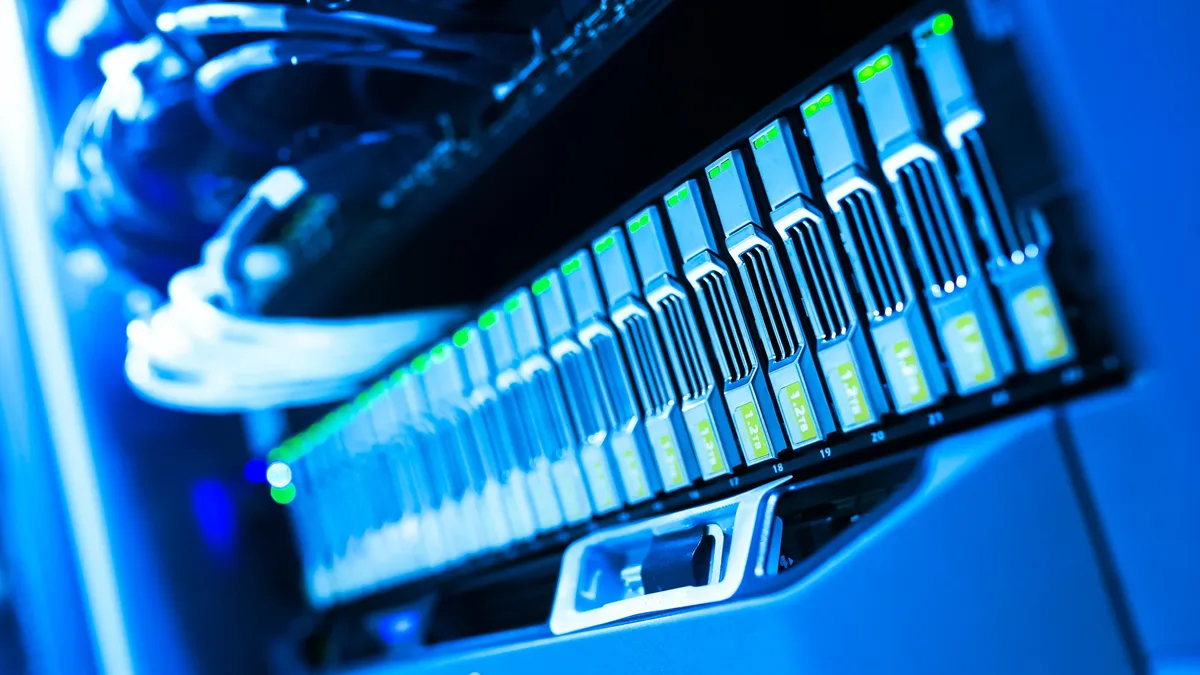
Brazil's Federal Senate approved Bill 278/2026 on Tuesday, establishing the Special Taxation Regime for Data Center Services, known as Redata. The legislation now awaits presidential sanction after passing without substantive changes from the version approved by the Chamber of Deputies.
To qualify for the tax benefits, data centers must meet their contracted electricity demand through supply agreements or self-generation using renewable or low-emission energy sources. A Senate amendment broadened the original proposal's language from "clean or renewable sources" to "renewable or low-emission sources," leaving the specific criteria to be defined in future regulations. The Senate cited solar and wind as renewable examples, and hydropower, biomass, and biogas as low-emission sources.
This requirement places electricity procurement at the core of Brazil's strategy to attract digital infrastructure investment. It could add to demand already growing in the country's free electricity market.
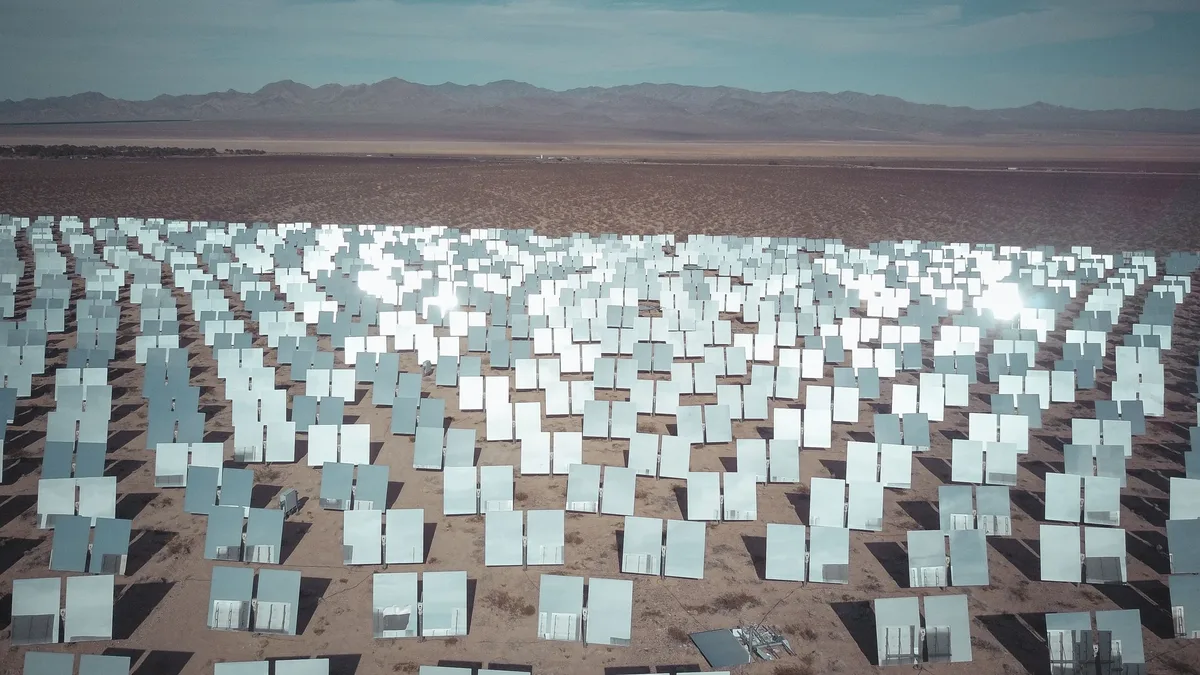
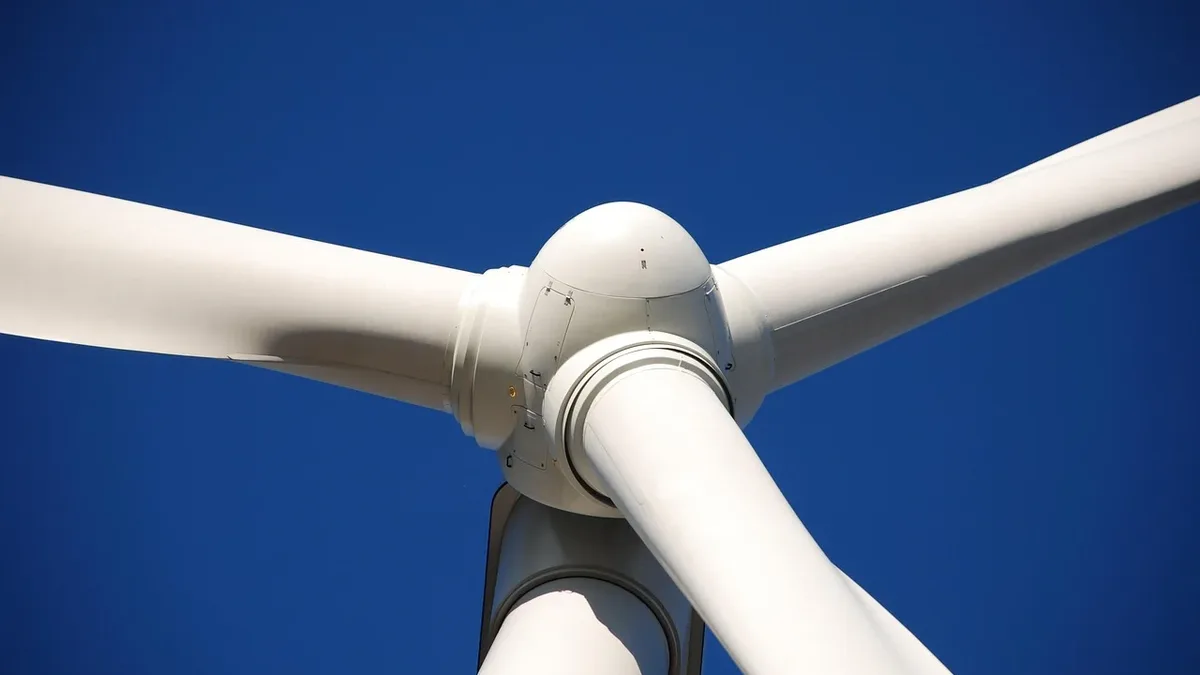
Solar and wind gain new demand potential
The combination of growing digital infrastructure and renewable energy procurement requirements could expand the market for generation projects developed to serve large loads. For data center developers, long-term contracts with generators can link the expansion of computing capacity to a more predictable electricity procurement strategy. For generators, large, high-consumption loads can provide significant offtake opportunities for new projects.
This trend is already emerging in Brazil. According to a survey by Clean Energy Latin America (CELA), 11 long-term contracts were signed between renewable energy generators and data centers in Brazil from 2021 to 2024. These deals totaled 330 MW and represented approximately BRL 7.7 billion ($1.4 billion) in transactions. Seven were structured under a self-generation model, while four were power purchase agreements (PPAs). The contracts involved solar and wind generation and were structured primarily through self-generation arrangements and PPAs in Brazil's Free Contracting Environment (ACL).
Self-generation and PPAs
Self-generation is likely to remain relevant for large-scale projects, particularly where consumers can establish partnerships with generation projects. PPAs, meanwhile, allow data centers to contract electricity directly from generators over long periods, providing greater cost and supply predictability while supporting investment in new generation capacity.
The CELA survey indicates the potential scale of the market. The 330 MW contracted by data centers from 2021 to 2024 represented approximately BRL 7.7 billion in transactions.
Incentives and obligations
The Redata regime suspends federal taxes on equipment and components acquired domestically or imported for use in data centers. The suspension covers import duties, PIS/Cofins, PIS/Cofins-Import and the Tax on Industrialized Products (IPI), and will apply for five years.
In return, participating companies must meet several obligations. They must allocate at least 10% of their installed data processing, storage, and handling capacity to the Brazilian market. They must comply with sustainability criteria and water-efficiency limits for cooling systems. A key requirement is that they must meet contracted electricity demand through supply agreements or self-generation using renewable or low-emission sources. Companies are also required to invest in Brazil an amount equivalent to 2% of the value of products acquired under the tax incentive.
For Brazil's electricity sector, the most significant potential impact comes from the combination of growing digital loads and the requirement to procure electricity from renewable or low-emission sources. If sanctioned into law, Redata could strengthen the role of data centers as a new class of large-scale electricity consumers in Brazil and increase demand for generation projects.