Africa's first PV hydrogen hub starts up
Cmb-Tech has started operations at a green hydrogen facility in Namibia's Walvis Bay, featuring 5 MW of off-grid solar PV, a 5 MW PEM electrolyzer, and 5.9
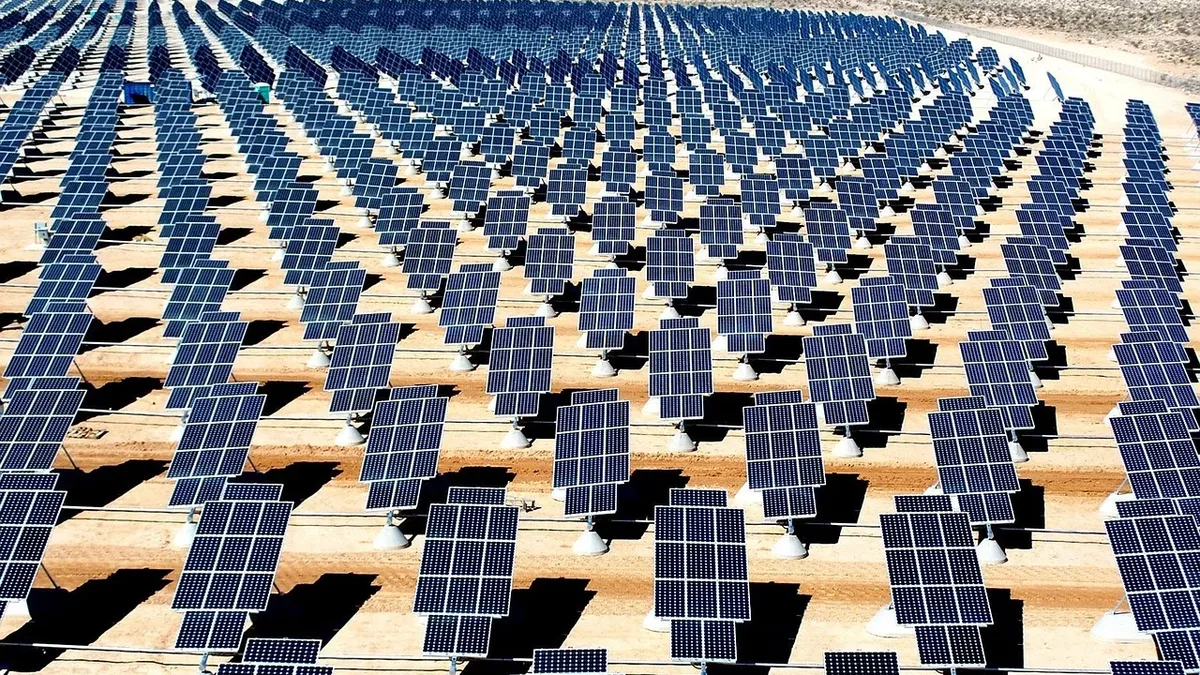
Cmb-Tech has started operations at a green hydrogen facility in Walvis Bay, Namibia. The project, developed with Namibia’s Ohlthaver & List Group, is described by the developers as Africa’s first fully integrated green hydrogen facility.
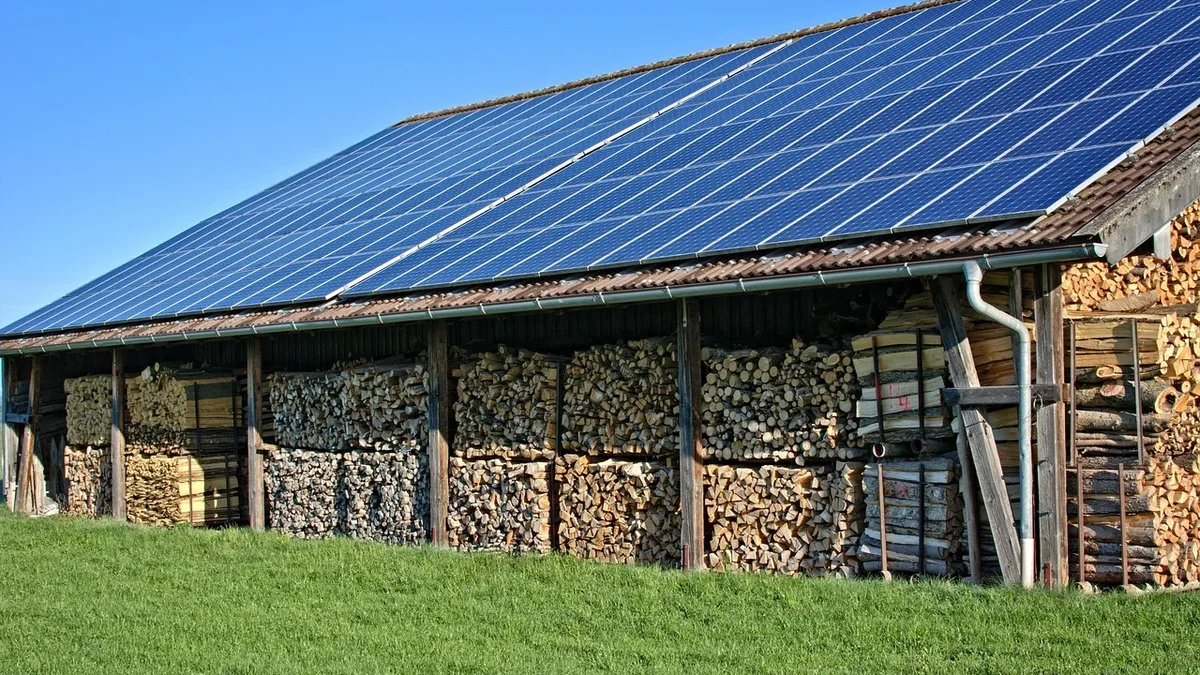
It features 5 MW of off-grid solar PV, a 5 MW proton exchange membrane (PEM) electrolyzer, and 5.9 MWh of battery energy storage. Around 7,000 solar modules are installed across 6.5 hectares. Siemens supplied the facility’s integrated electrical, automation, and safety systems.
Project Applications and Scale-Up
Hydrogen produced at the site will be used in dual-fuel trucks and generators. Railway and maritime applications are also planned. CMB.TECH is an initial offtaker and plans to test a hydrogen-powered freight locomotive. The site includes a hydrogen refueling station and a training center.
Cmb-Tech said it plans to scale the project first to 250 MW and later to 500 MW. Potential future production of green ammonia for maritime applications is also envisioned. The facility adds to Namibia’s emerging hydrogen sector. HyIron’s Oshivela project began producing green hydrogen in March 2025 using a 12 MW electrolyzer powered by a 25 MW solar plant.
Global Research and Policy Developments
In research news, Tohoku University researchers have used iron oxide in a photocatalytic reaction to split water using light energy. The Japanese team found the reaction occurs when iron oxide doped with about 1% titanium is combined with rhodium-doped strontium titanate. Electrochemical measurements showed titanium doping reduces electrical resistance and improves properties, enabling water-splitting activity.
University of Nottingham researchers investigated metal swarf from manufacturing as a potential substrate for hydrogen-production catalysts. Using advanced imaging, they found nanoscale grooves and ridges on waste stainless steel, titanium, and nickel alloys that can act as anchoring sites. The team deposited small amounts of platinum onto the waste metal to produce electrocatalysts for splitting water.
Durham University researchers found that suitable depleted North Sea fields could provide 3,659 TWh of hydrogen storage capacity. They said this is equivalent to more than seven years of projected UK electricity demand in 2040. The researchers said using the fields could enable conventional gas-fired power plants to be phased out of the UK electricity system by 2040. Current UK hydrogen storage plans focus on salt caverns and do not include depleted fields.
Seoul National University of Science and Technology (Seoultech) researchers developed an AI-based system. They said it increased the hydrogen production efficiency of a solid oxide electrolysis cell system by 14% while reducing internal temperature spikes by 80%. The approach uses machine learning to identify the most informative simulations, reducing computational resources required to determine promising operating conditions.
In policy, China has instructed its oil and gas industry to develop large-scale green hydrogen production projects, as well as hydrogen pipeline and storage infrastructure, under a new national five-year plan. The policy calls for hydrogen and its derivatives to be integrated with the country’s existing oil and gas infrastructure. The plan does not specify quantitative targets, with implementation expected to depend on hydrogen market development and cooperation with local governments.