Bangladesh's Green Building Drive Expands
Bangladesh's corporate and real estate sectors are increasingly constructing LEED-certified green buildings, driven by climate pressures and corporate
Bangladesh's corporate and real estate sectors are now constructing green-certified buildings, a trend that began solely in the vast apparel industry. According to the United States Green Building Council, there are 35 certified buildings and corporate offices in the country across sectors like finance and hospitals.
Beyond these, Bangladesh houses 290 LEED-certified ready-made garment factories, as reported by the Bangladesh Garment Manufacturers and Exporters Association. This includes 125 platinum-rated, 145 gold-rated, and 16 silver-rated factories. The country holds 53 of the world’s top 100 highest-scoring LEED-certified factories.
| LEED Rating | Number of RMG Factories |
|---|---|
| Platinum | 125 |
| Gold | 145 |
| Silver | 16 |
Drivers of Green Adoption
Climate pressures are a major driver. A 2025 World Bank report cited by sources states Bangladesh's maximum temperature has increased by about 1.1°C since 1980, while the 'feels-like' temperature has risen by 4.5°C. The report estimated heat-related impacts cost 250 million workdays and up to $1.78 billion in 2024 alone.
Corporations are building green infrastructure to maintain productivity. "Our vision behind constructing green buildings was driven by two key factors, the brand's commitment and attitude towards sustainability," said Rahi Aftab of Shanta Holdings Limited. His firm built Shanta Pinnacle, the country's first 40-story LEED-platinum certified commercial skyscraper.
Unilever Bangladesh's corporate office earned LEED-gold certification in 2023. "UBL's initiative was driven by a clear vision: to integrate sustainability into daily operations," said Syeda Durdana Kabir, the company's human resources director.
Costs and Technologies
Construction of certified green buildings costs 10 to 20 percent more than traditional builds, due to expenses for new technologies and consultancy. "It costs about 20 per cent more. Maintaining a balance between sustainability and commercial viability is crucial," said S.N.R. Tawfiq, director of InnStar Limited.
Buyers do not pay more upfront but prefer green buildings for long-term savings. "When clients select a space to rent or buy, they prefer an environmentally friendly building," Tawfiq added.
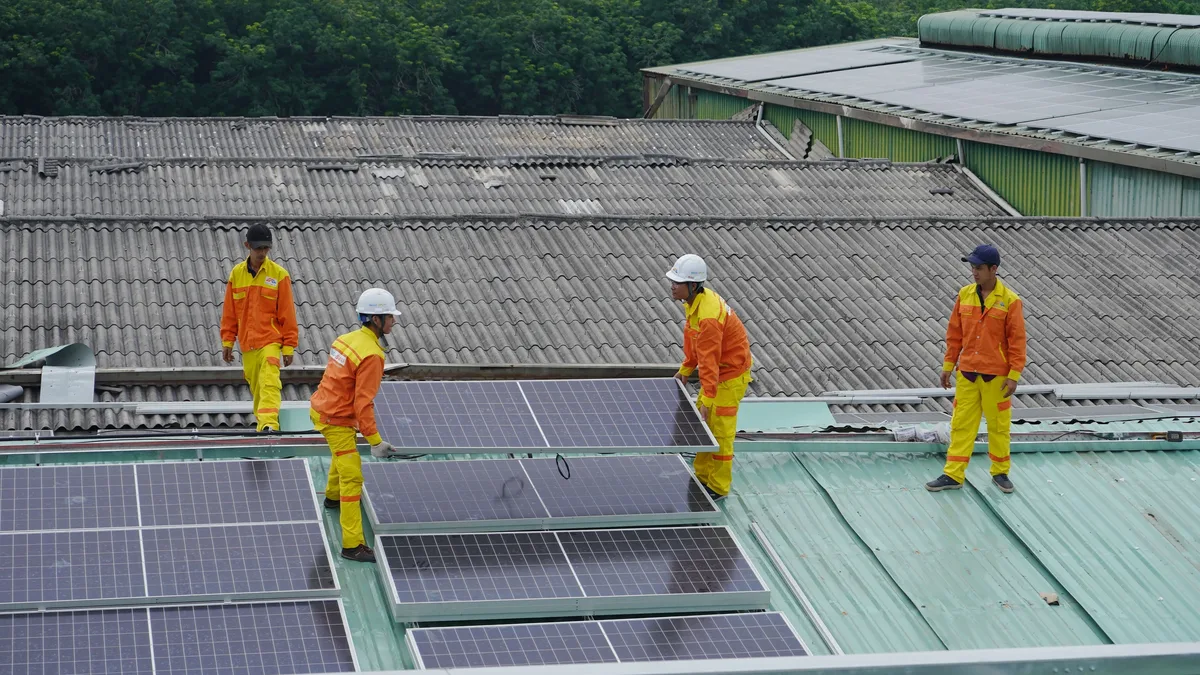
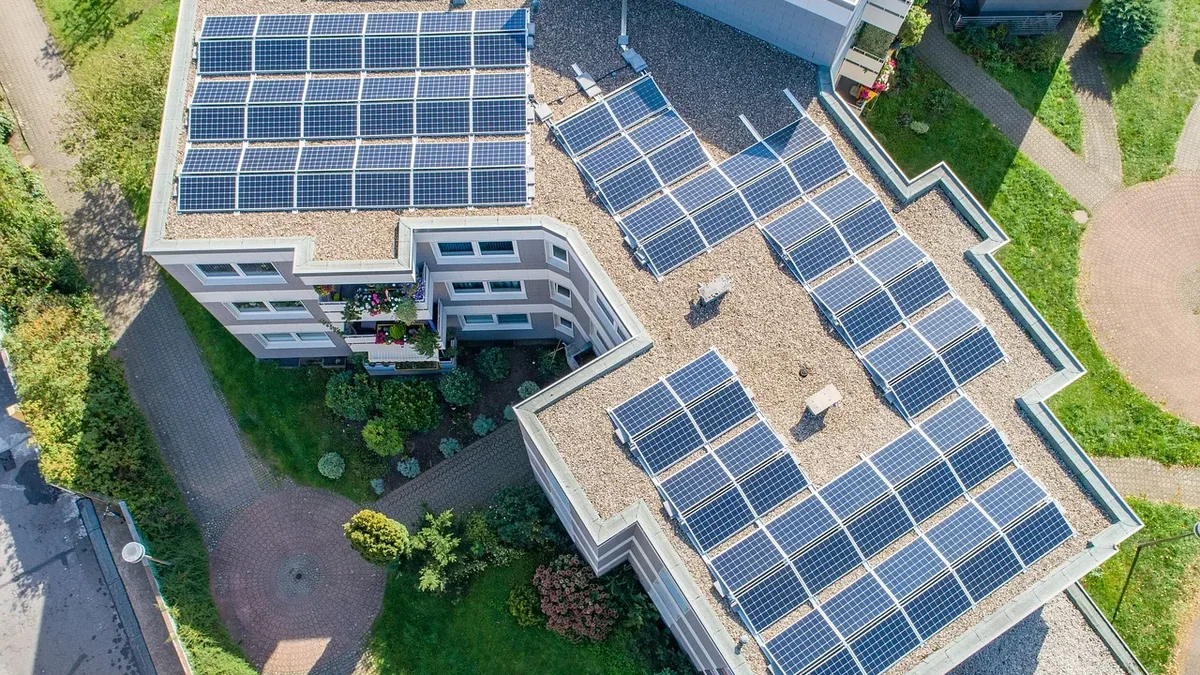
Green buildings use high-efficiency HVAC, double-glazed facades, sensors, and water-efficient fixtures. They harvest rainwater, recycle water, and install rooftop solar panels. Tanjil Chowdhury of MJL Bangladesh PLC said these technologies contribute to roughly 30 percent energy savings and approximately 50 percent lower water consumption compared to conventional buildings.
"Natural daylight is maximised to eliminate daytime lighting needs. Sensor-based lighting and water systems reduce unnecessary usage," said Rahi Aftab. He noted efficient temperature control at 24°C and operational discipline, like switching off air-conditioning after hours, further save energy.
Future and Local Standards
Experts told Mongabay that Bangladesh needs to develop its own green building rating system aligned with the local climate. "There is a question whether this standard is suitable for Bangladesh or not considering our climate," said Sajal Chowdhury of Chittagong University of Engineering and Technology.
Despite the need for local adaptation, the trend is seen as positive. "The concept of green buildings is a timely initiative, and it will help to attain the sustainable development goals," Chowdhury said.