Solar plant fire in Otake linked to Typhoon No. 25 flooding
A solar power plant in Otake, Narita caught fire on September 24, 2023, after floodwaters from Typhoon No. 25 breached a nearby lake embankment, causing a short circuit. The incident has highlighted significant firefighting and safety challenges for flooded renewable energy infrastructure.
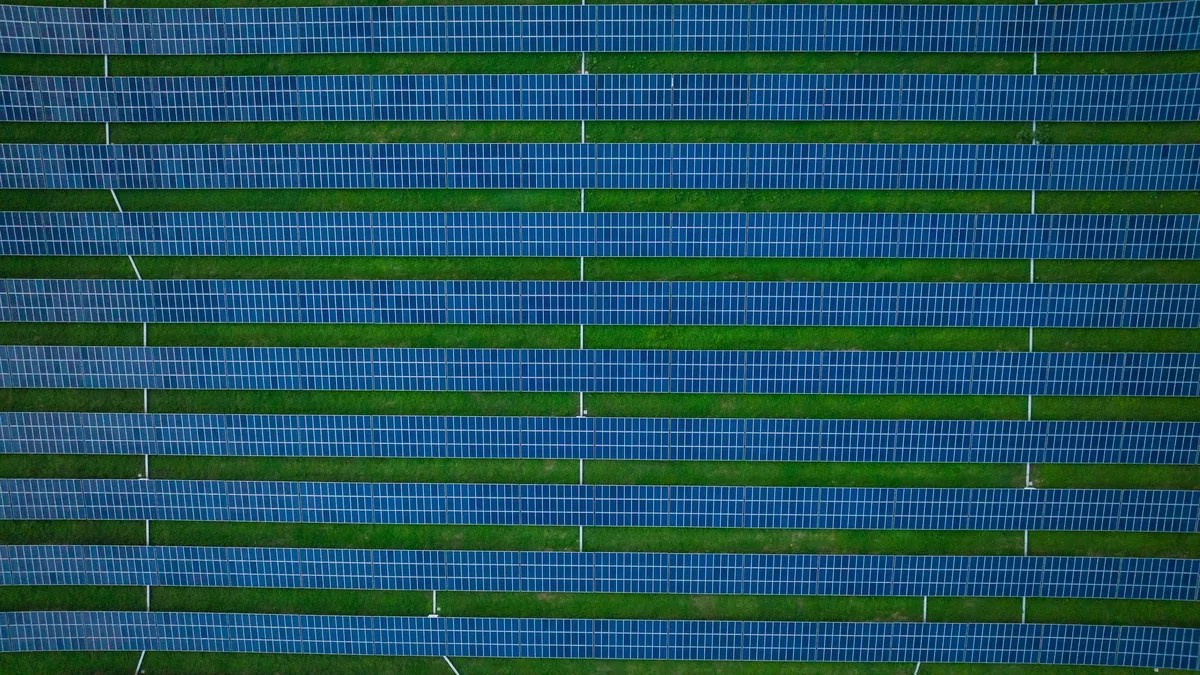
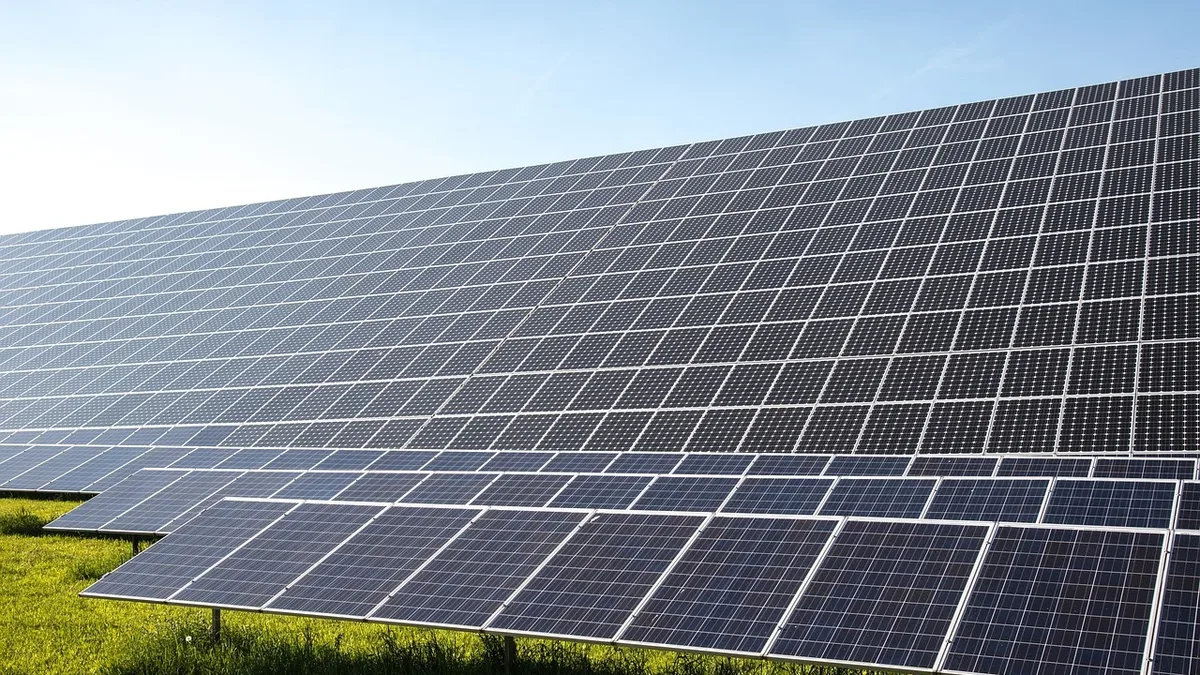
A solar plant in Otake, Narita, Chiba Prefecture caught fire on September 24, 2023. The blaze followed severe flooding from Typhoon No. 25, which had breached the embankment of North Inba-numa lake two days earlier, submerging the facility's electrical equipment and leading to a short circuit. The fire began around 8:30 AM, with a passerby reporting flames and black smoke rising from the solar panels.
More than 10 explosions were heard during the incident. The plant, situated about 120 meters from the lake, had been installed after 2015 and was operating normally until the flood. Its exact capacity and operator remain unknown to local officials. The broader typhoon event was severe, with the Ministry of Land, Infrastructure, Transport and Tourism confirming breaches at the Nagato River and four points around North Inba-numa. Chiba prefecture reported five deaths and one person missing from related incidents.
Firefighting challenges due to electrocution risk
Firefighters faced immediate and unusual hazards. The Narita City Fire Department stated crews could not approach the burning site because it was still partially underwater, creating a severe risk of electrocution. They avoided direct suppression efforts, judging the risk of the fire spreading to be low. Instead, they monitored the situation, including with a drone.
No injuries were reported at the facility. The fire eventually died down on its own roughly two and a half hours after the initial emergency call.
Ongoing safety and repair operations
In the aftermath, specialized crews began a careful dismantling process. On the evening of September 28, they started cutting wiring to prevent re-ignition and further electrocution risks. This work is conducted only at dusk because the solar panels generate dangerously high voltage when exposed to daylight.
Simultaneously, broader repair work progressed. Emergency repairs to the damaged drainage channel and Nagato River were completed by September 30. Pumping operations to lower the water level in the lake continue. The plant has approximately 30 combiner boxes, all of which were affected by the flood.
Regulatory response and industry context
The Otake fire has intensified regulatory scrutiny of large-scale solar projects in Japan. The Ministry of Economy, Trade and Industry (METI) publicly advised people not to approach any submerged solar infrastructure, including panels, combiner boxes, inverters, or substations, due to electrocution and fire risks. This warning echoes alerts issued after the devastating 2018 western Japan floods.
This incident is not isolated. In 2019, Typhoon Faxai damaged a 13.7 MW floating solar plant at Yamakura Dam, which later caught fire. Earlier, in September 2018, Typhoon No. 21 caused panels to be torn from a logistics facility in Osaka, also leading to fires.
In response, Japan is tightening rules. A Mega Solar Countermeasure Package was adopted in December 2025. Also, a revision to the Electricity Business Act passed by the Diet in July strengthens oversight, creating a system for mandatory third-party safety verification to replace voluntary operator inspections. METI will also end feed-in tariff and premium support for ground-mounted commercial solar projects from fiscal 2027.
Disaster expert Takeyasu Suzuki, a professor emeritus at the University of Yamanashi, noted that many solar sites are unmanned, which can delay emergency response. He emphasized that such fires could occur anywhere and called for stricter siting legislation, including prohibitions on construction in residential or disaster-prone areas. Three group companies-Senario U Eco Village, Shinkoiwa Energy, and Misato Kogyo-hold lease contracts for the Otake plant site.
Crews continue working at dusk to cut wiring and prevent re-ignition while pumping operations persist to lower the lake level.