India's battery storage manufacturing capacity hits 86 GWh
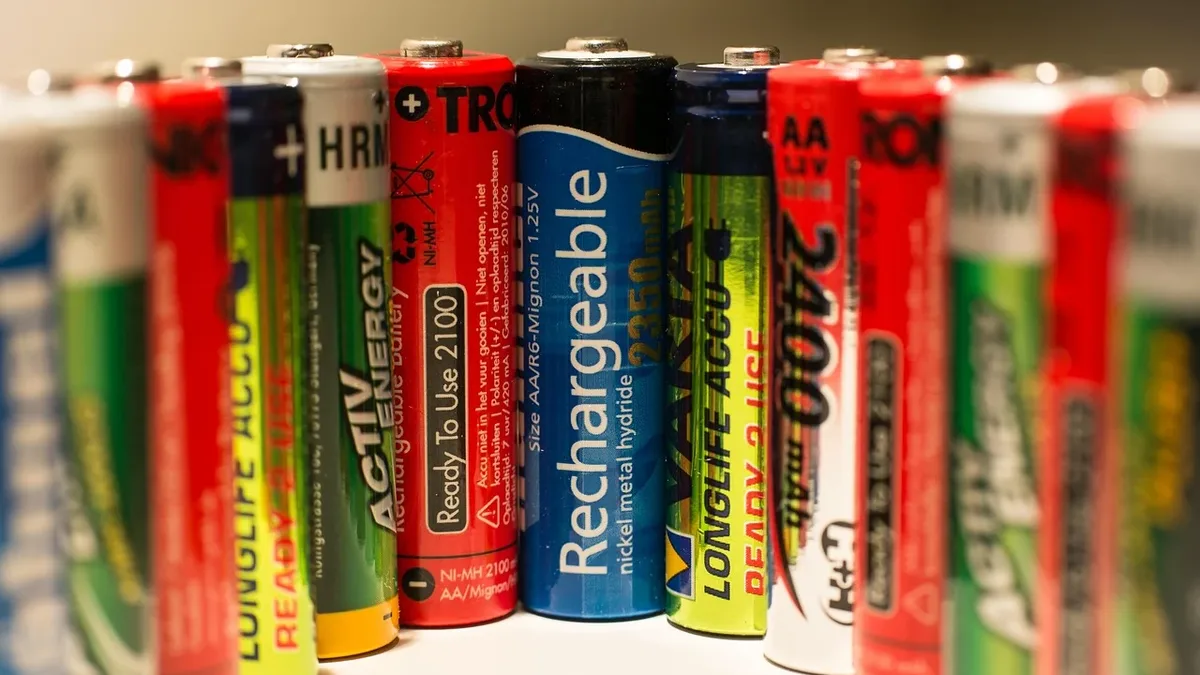
India's downstream battery storage manufacturing capacity has reached 86 GWh, with 92% of total capacity in assembly and integration.
India's battery storage manufacturing capacity is expanding rapidly, with downstream assembly leading the way. The sector's total identified capacity now stands at 86 GWh, but only 21.6% of this is currently operational. Downstream manufacturing, which includes battery packs, containers, and integrated systems, accounts for 92% of operational capacity, while cell manufacturing contributes just 8%.
Lithium-based chemistries dominate capacity across both cell and downstream manufacturing. A significant pipeline of capacity is under construction or announced. Existing manufacturers hold 47% of this identified capacity, while new entrants account for a larger 53% share.
Geographic distribution and investment patterns
Manufacturing activity is concentrated in specific Indian states. Gujarat accounts for 51% of battery storage manufacturing capacity currently under construction. Maharashtra follows with a 20% share. This geographic clustering reflects regional industrial policies and infrastructure advantages.
Policy support and local content requirements
Government schemes are actively trying to build domestic capacity. The Production Linked Incentive program for Advanced Chemistry Cell manufacturing has an allocation of INR 181 billion to support 50 GWh of capacity, with an additional 5 GWh earmarked for niche technologies. Of the projects receiving active support under such schemes, 6.4 GWh is operational and 28.6 GWh is under construction.
A 20% local-content requirement applies to projects supported by the Viability Gap Funding program. Notably, eligible downstream components and services can meet this requirement without using domestically manufactured cells. This rule effectively allows integrated systems to qualify as locally sourced even if their core battery cells are imported.
Market activity and recent developments
Recent regulatory and corporate activity shows heightened focus on storage. The Central Transmission Utility of India set a minimum discharge duration of four hours for specific battery energy storage system connectivity applications. Gujarat and Kerala have notified new regulations establishing frameworks for storage system planning, procurement, and tariffs.
On the project front, the Haryana Power Purchase Centre invited bids to develop 500 MW of solar power integrated with 250 MW/1,000 MWh of battery storage. In corporate news, Adani Green Energy reported a 41.6% year-over-year increase in consolidated revenue for the second quarter of fiscal year 2027. Separately, module manufacturer Navitas Solar secured up to $20 million to establish a 2.2 GW solar cell manufacturing facility.
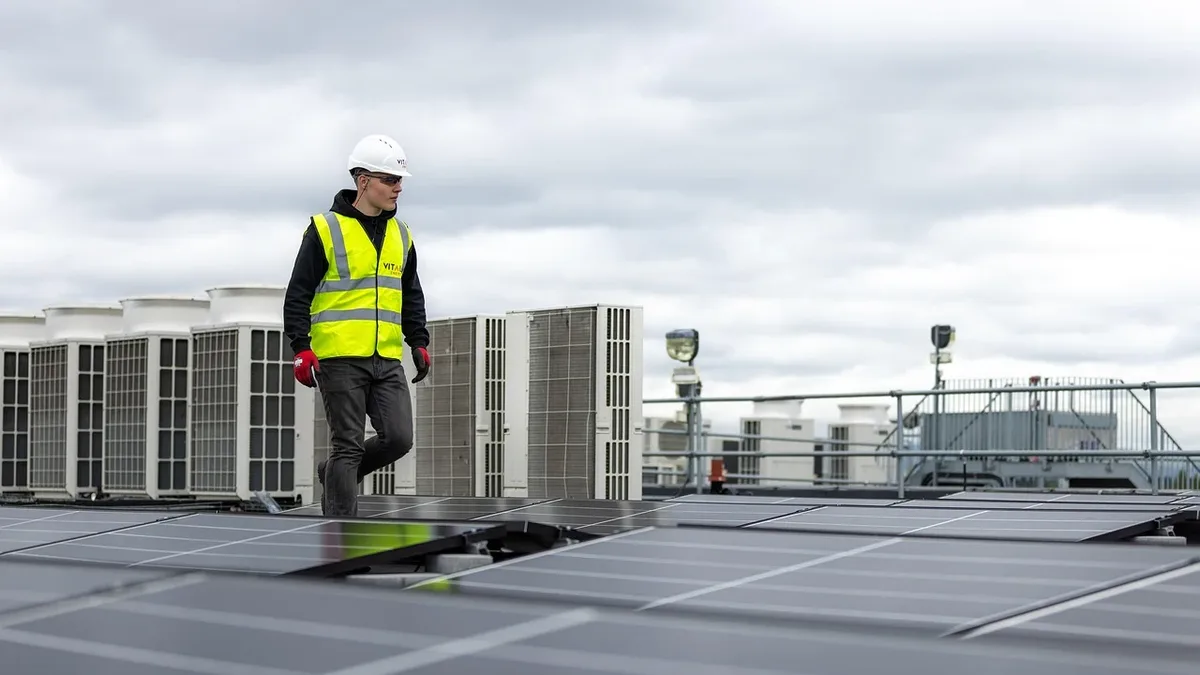
For commercial and industrial consumers in Uttar Pradesh, analysis suggests rooftop solar could provide power at a significantly lower cost than grid tariffs. The capital expenditure for utility-scale storage projects also reveals a cost structure where battery systems account for more than half of the total project cost.
Industry observers note that while downstream manufacturing is scaling quickly, domestic cell production remains at an early stage. Manufacturers are said to need clear, long-term visibility on storage deployment and equipment demand before committing major capital to new cell plants. The sector's growth is creating a critical supply gap that hinges on future cell manufacturing expansion.