Tamil Nadu Mandates Battery Storage for New Solar Projects
Tamil Nadu has introduced a new policy targeting 2.5 GW of battery storage over three years, requiring new solar projects to install storage and offering a ten-year waiver on grid charges.

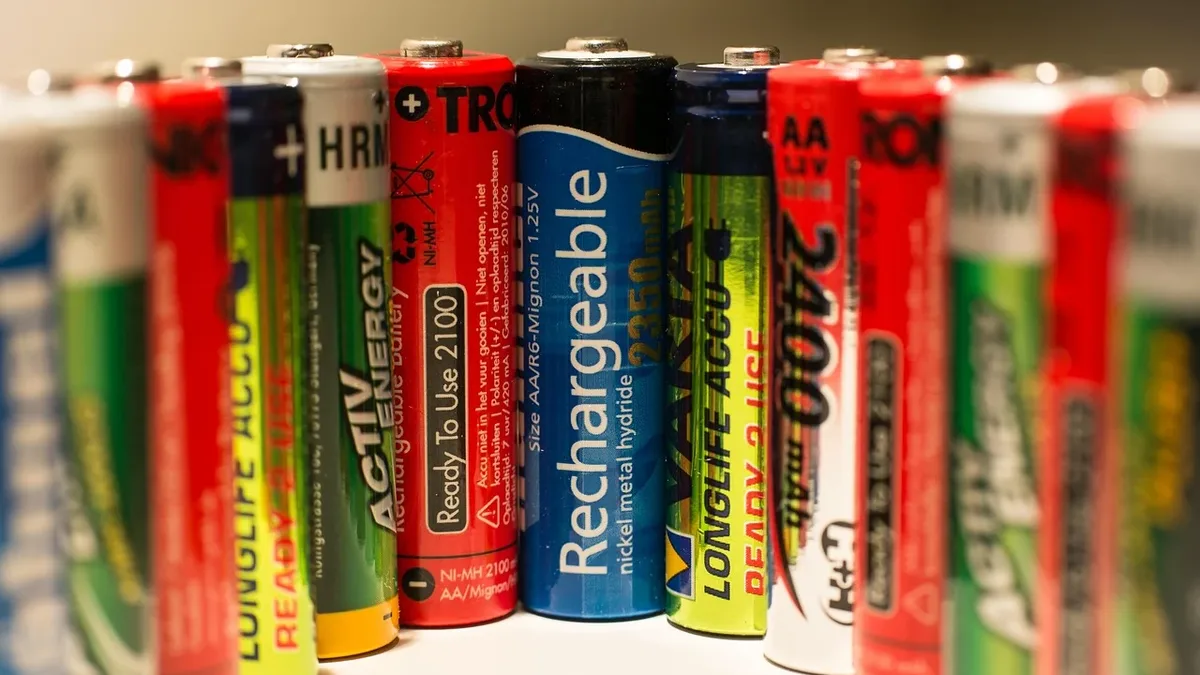
Tamil Nadu has launched a dedicated Battery Energy Storage Systems (BESS) policy with a target of deploying at least 2.5 GW, or 10 GWh, of storage capacity. The policy, named the Tamil Nadu Battery Energy Storage Systems Policy, 2026, will remain in force for three years or until the 10 GWh target is commissioned, whichever comes first.
Mandatory Storage Rules
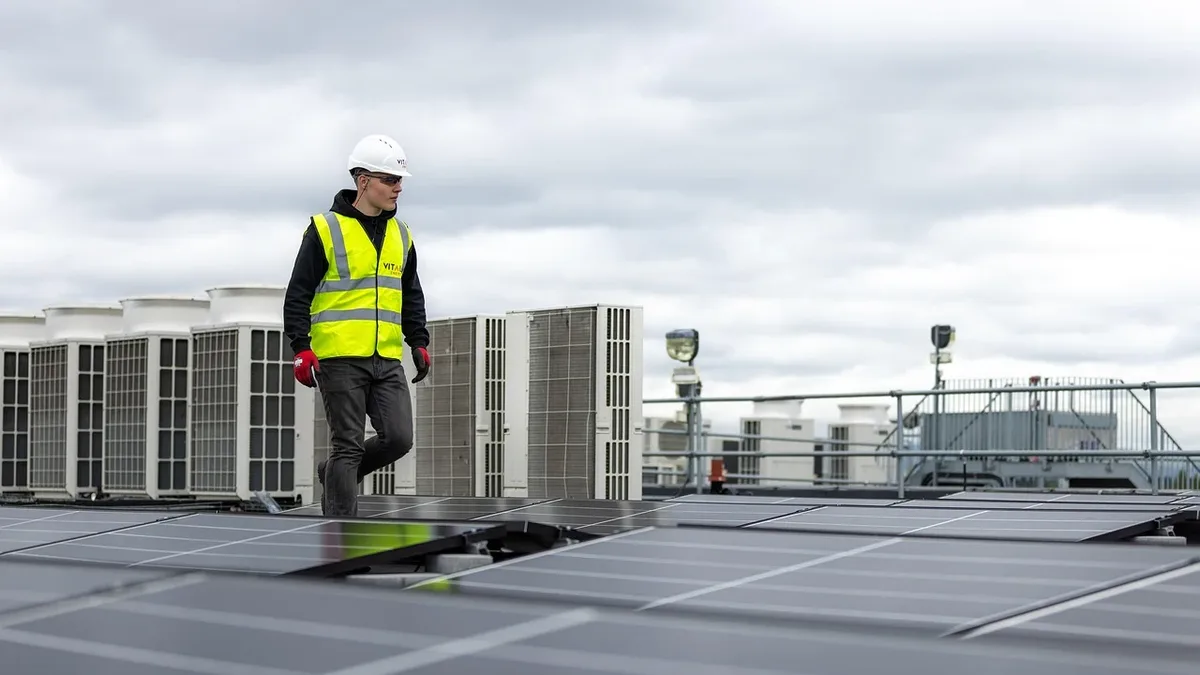
The policy introduces compulsory storage requirements for new renewable energy projects. New solar and solar-hybrid power plants with a capacity of 1 MW or more must install battery storage equivalent to at least 10% of their installed capacity, with a discharge duration of four hours. This means a 100 MW solar project would need to build at least 10 MW / 40 MWh of storage. The developer is responsible for replacing batteries over the project's lifetime.
New renewable energy pooling substations must also include standalone battery storage of at least 10% of their sanctioned capacity, also with four-hour duration. Existing pooling substations are required to add storage equivalent to 5% of capacity by the 2027-28 financial year and another 5% by 2028-29, pending technical approvals. Existing solar and wind projects above 1 MW are encouraged, but not forced, to add storage.
Procurement and Grid Management
The state power distributor, Tamil Nadu Power Distribution Corporation Limited (TNPDCL), will procure the full 2,500 MW / 10,000 MWh target through competitive bidding. TNPDCL will also supply the energy to charge these battery systems. The State Load Despatch Centre may direct projects to charge specifically during periods of surplus renewable generation, such as the solar window between 10:00 AM and 2:00 PM.
Battery projects must maintain an annual availability of at least 95% and be operational during key months from March to June and September to October. They must comply with national safety and battery waste rules and provide real-time operational data to grid operators.
Financial Incentives and Waivers
A central incentive is a 100% waiver on transmission and wheeling charges for ten years from a project's commissioning date. This waiver is subject to approval by the Tamil Nadu Electricity Regulatory Commission and applies to both standalone projects of 1 MW and above and storage co-located with renewable plants. The total incentive is capped at 10 GWh of eligible capacity.
To qualify, the energy discharged by batteries during non-solar hours must be consumed within Tamil Nadu. For projects attached to solar plants, the total power injected into the grid, including from the batteries, cannot exceed the plant's sanctioned capacity.
Policy Framework and Context
Tamil Nadu Green Energy Corporation Limited will act as the nodal agency, managing a single-window portal and a project registry. The policy is designed to absorb surplus renewable generation, manage peak evening demand, and improve grid stability. Tamil Nadu currently has about 29.8 GW of installed renewable capacity, including roughly 14.5 GW of solar and 11.6 GW of wind power.
The state is already developing several battery storage projects, including two large projects supported by central government funds and two smaller solar-plus-storage installations.
| Project Type | Support Mechanism | Capacity (MW/MWh) |
|---|---|---|
| BESS Project | Viability Gap Funding | 500 / 1,000 |
| BESS Project | Power System Development Fund | 375 / 1,500 |
| Solar-plus-BESS Project | Not Specified | 15 / 45 (each) |