Asean Power Grid
| First proposed | 1997 |
|---|---|
| Original use | Regional energy security and integration |
| Status | Multi-phase initiative under implementation |
| Current operating links | 13 |
| Total interconnection capacity | 5.212 MW |
| Planned interconnection projects | 16 |
| Administrative body | HAPUA (Heads of ASEAN Power Utilities/Authorities) |
| Technical committee | APGCC (ASEAN Power Grid Consultative Committee) |
Origin and history
The ASEAN Power Grid initiative originates from the Association of Southeast Asian Nations (ASEAN) region. The first official discussions on the state of electricity grids within ASEAN began in 1981, leading to the creation of the Heads of ASEAN Power Utilities/Authorities (HAPUA) group. Initial discussions on inter-border energy trading took place during the Agreement on ASEAN Energy Cooperation in Manila on June 24, 1986. The term "ASEAN Power Grid" was first mentioned in official documents as part of the ASEAN Vision 2020 during the Second ASEAN Informal Summit in Kuala Lumpur on December 15, 1997. A roadmap for the APG was discussed during the 17th ASEAN Ministers on Energy Meeting (AMEM) in Bangkok on July 3, 1999, which established the ASEAN Plan of Action for Energy Cooperation. The legal aspect of the master plan was agreed as the ASEAN Power Grid's Roadmap for Integration at the 20th AMEM Meeting in Bali on July 5, 2002, with a final guiding report approved in 2003.
What it is for
The ASEAN Power Grid is a regional power interconnection initiative aiming to connect the electricity infrastructure of the ASEAN member states. Its primary purpose is to ensure energy security in the region by integrating power systems across different countries. This involves constructing cross-border power interconnections to allow the sharing of excess power generation capacity among member nations. The initiative is designed to enhance electricity trade across borders to meet rising regional electricity demand and improve access to energy services. A further goal is to promote the use of renewable energy sources within the region by facilitating the transfer of power from resource-rich to demand-centric areas. The implementation is carried out in stages, starting with bilateral agreements between neighbouring countries before expanding to a sub-regional and eventually a fully integrated system.
Pros and cons
A significant advantage of the ASEAN Power Grid is enhanced regional energy security through diversified supply sources and the ability to share reserve margins. It can lower electricity costs by enabling trade from lower-cost generation regions and optimizing the use of renewable resources like hydropower. The initiative fosters economic integration and cooperation on technical and regulatory standards among member states. A common mistake or regret involves the complexity and slow pace of harmonizing national regulations, market rules, and technical standards across diverse political and economic systems. Projects can be delayed by disagreements over tariff structures, ownership models, and jurisdictional authority, leading to frustration among utilities and investors. The high capital cost for interconnection infrastructure and the need for substantial grid modernization in some members also present major financial and technical hurdles.
Who it suits
This initiative primarily suits ASEAN member nations with complementary energy resource profiles and existing political-economic ties. It is particularly suited for countries with surplus generation capacity, such as Laos with its hydropower potential, seeking export markets to neighbours like Thailand, Malaysia, and Singapore. The grid also suits nations with high and growing electricity demand but limited domestic generation resources or land for renewable projects, such as Singapore. It suits regional policymakers and utilities committed to long-term infrastructure planning and multilateral negotiation to achieve integrated energy markets. The project suits developers and financiers engaged in large-scale cross-border infrastructure who can navigate complex multilateral agreements. It is less suited to nations or entities seeking quick, unilateral solutions, as progress is inherently slow and dependent on consensus among all ten member states.
Latest Asean Power Grid news
Latest reporting
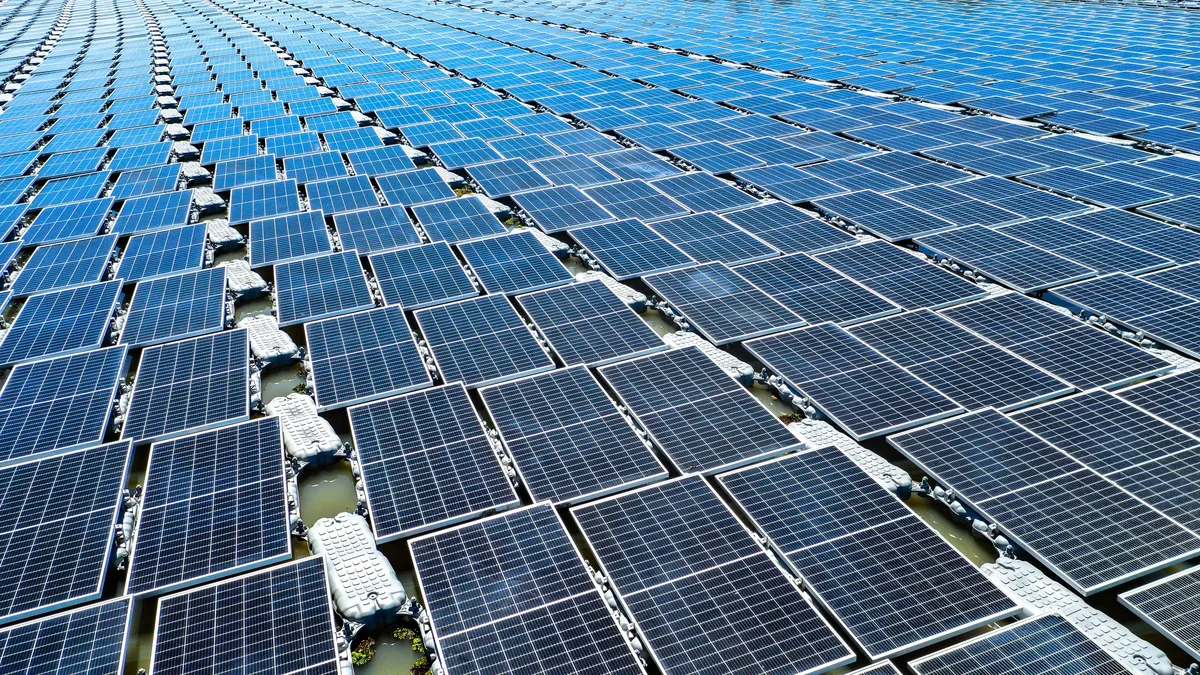
Shinsung E&G launches bifacial solar modules for ground and floating PV
Shinsung E&G has introduced two new series of high-power bifacial TOPCon solar modules, designed for ground-mounted and floating photovoltaic...
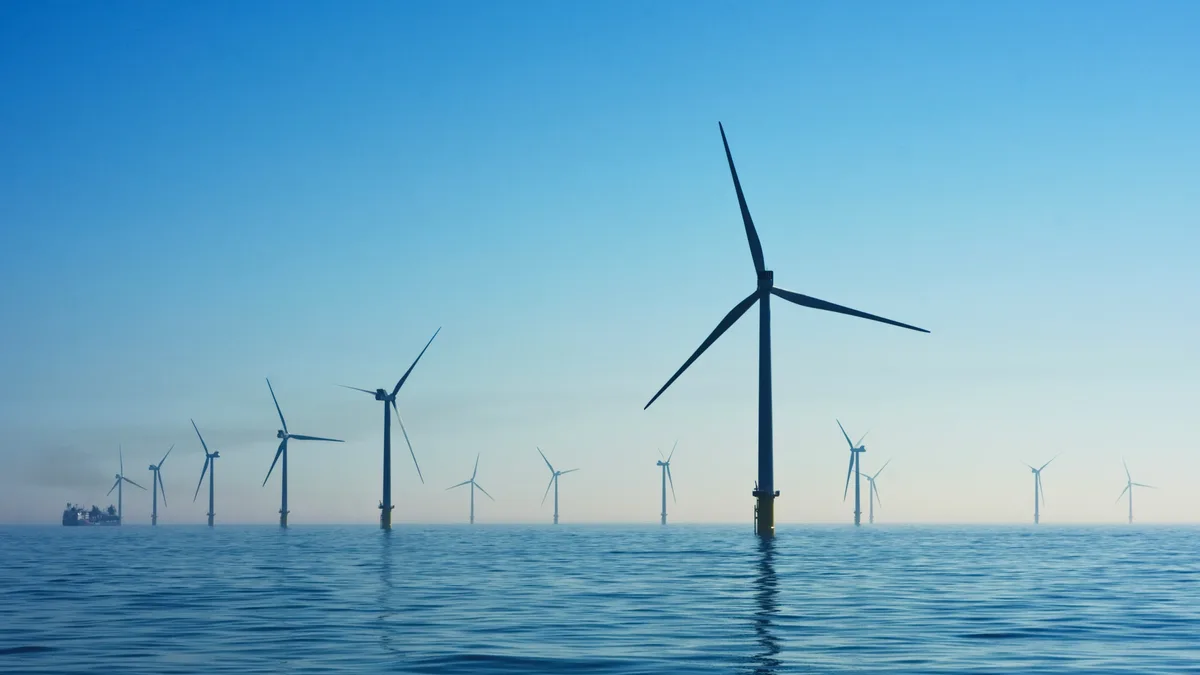
Dutch offshore wind grid connection nears completion at Maasvlakte
The final horizontal drilling operation for TenneT's underground cable route at Maasvlakte, Rotterdam, is underway, marking a critical step toward...
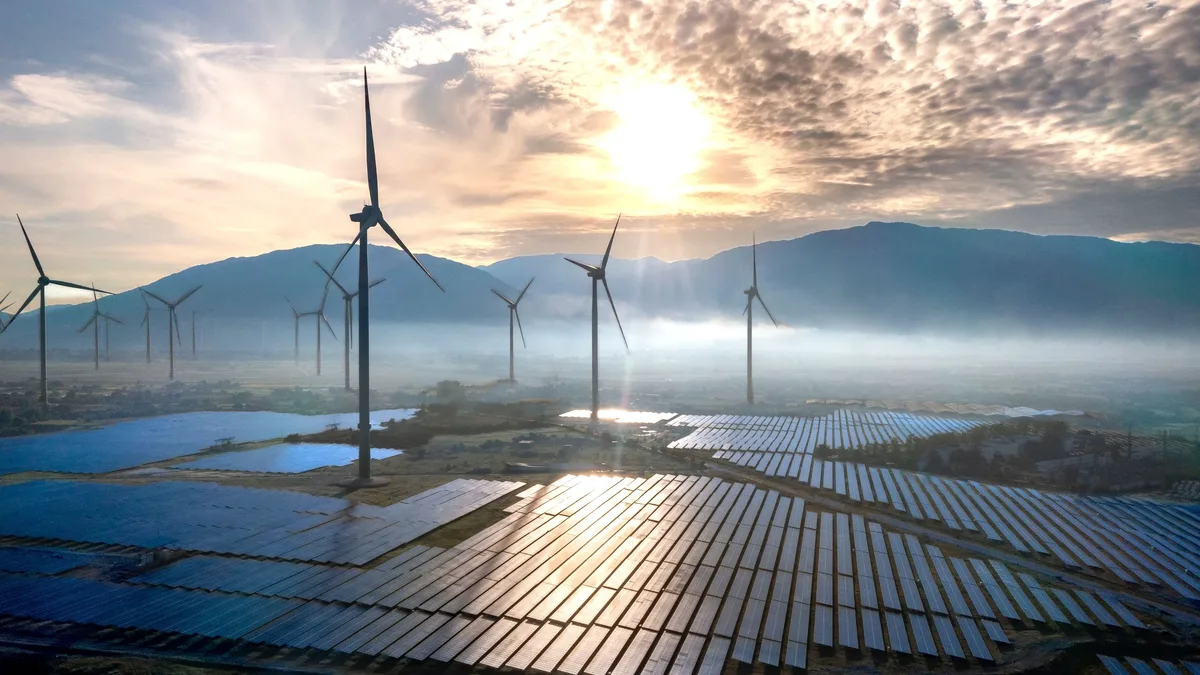
Tata Power Renewable Energy Drives Record Q2 FY2027 Results
Tata Power reported a 26% year-on-year revenue surge to ₹19,886 crore in Q2 FY2027, with its renewable energy segment growing to ₹3,746 crore and...
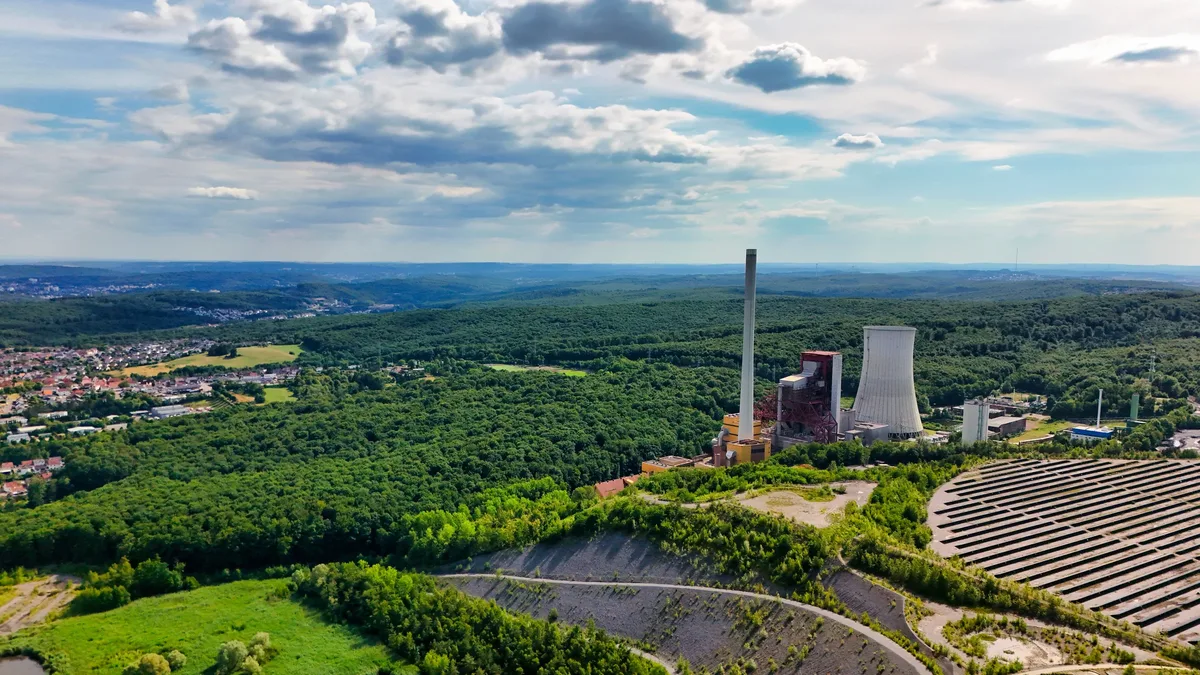
Corporate PPA market cools as hybrid solar storage deals emerge
Corporate renewable energy procurement in Europe is declining, with PPA volumes down 9.7% in 2026. Buyers are increasingly turning to complex hybrid...

India's Renewable Capacity Surge Targets 530 GW by 2030
India is projected to install over 350 GW of solar PV by 2030, leading a renewable energy expansion that will see its total clean power capacity...
Acwa secures US partnership and expands renewable portfolio
ACWA Power reported stable nine-month net income of SAR 1.29 billion while expanding its project pipeline and entering a strategic US joint venture...