India's Battery Recycling Mandate Faces Economic Hurdles
India's new battery rules mandate 20% recycled content by 2031, but low material values and high feedstock costs challenge the economics, especially for dominant lithium iron phosphate batteries.
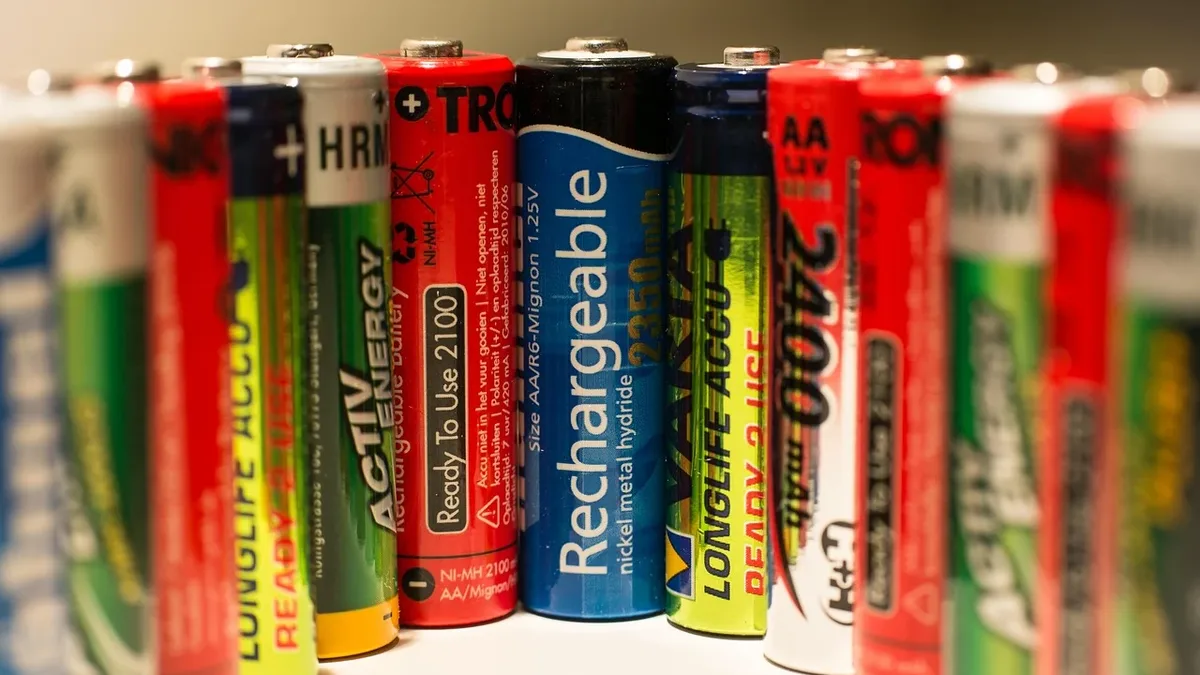
India will require new batteries to contain 20% domestically recycled material by the 2030-31 financial year. This target is set under updated Battery Waste Management Rules, which assign extended producer responsibility to manufacturers and importers.
Recycled-content obligations start at 5% in FY 2027-28, scaling up to the 20% goal. Separate material recovery requirements for electric vehicle batteries will also rise sharply, from 70% in FY 2024-25 to 90% from FY 2026-27 onwards. The policy aims to turn recycled lithium from an aspiration into a manufacturing input for a nation that currently imports nearly all its battery-grade materials.
Domestic recycling capacity and economic reality
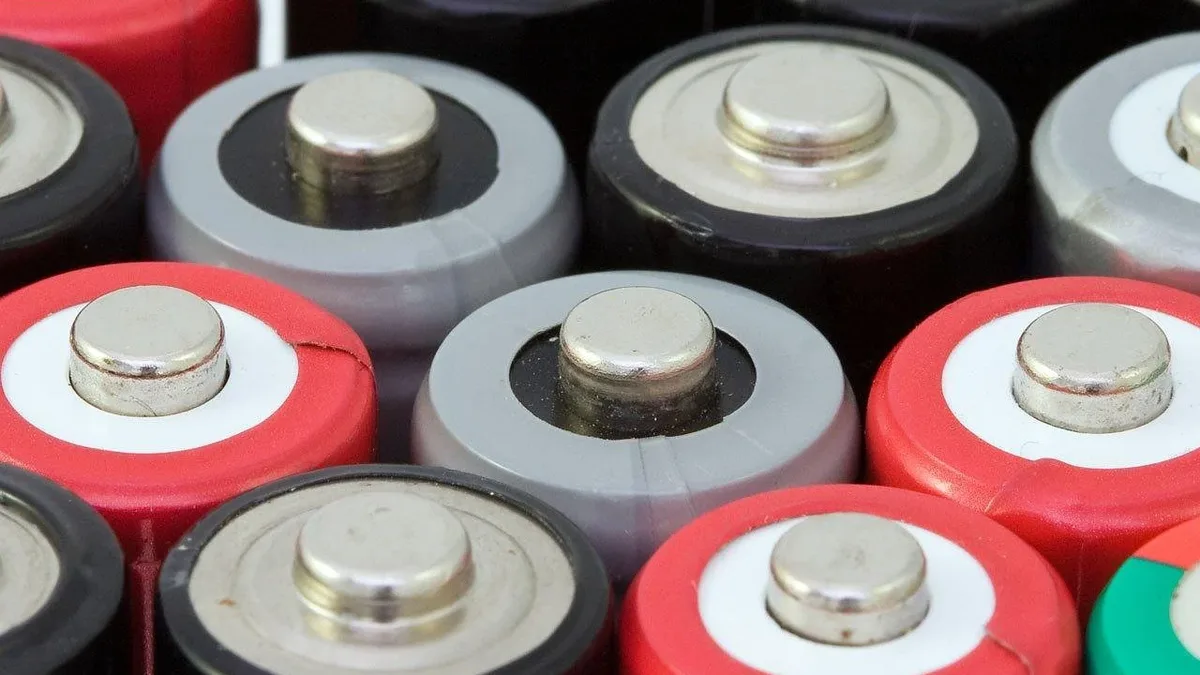
Announced lithium-ion recycling capacity in India already exceeds the volume of batteries reaching end of life. The economics are particularly constrained for lithium iron phosphate batteries, which are becoming dominant. These LFP cells contain no high-value cobalt or nickel, and lithium represents only about 2 to 3 percent of cell weight.
Consequently, spent LFP batteries may fetch only 32 to 50 Indian rupees per kilogram. For recyclers, acquiring this feedstock is the largest cost, accounting for 60 to 75 percent of operational expenditure. This creates a significant hurdle for building a profitable circular economy around the most common battery chemistry.
Lead-acid battery recycling economics
The challenge is underscored by looking at the established lead-acid battery sector. Over half of all used lead-acid batteries in India flow through informal operators. This system persists because recovered lead was worth more than it cost to recover, demonstrating positive margins despite low per-kilo values. Secondary lead now supplies more than 80 percent of India’s domestic lead output.
Critical minerals dependency and policy incentives
India's dependence on imported critical minerals persists despite policy pushes. The government has launched a 1,500 crore rupee incentive scheme under the National Critical Mineral Mission that rewards actual extraction. A separate 18,100 crore rupee Production Linked Incentive scheme aims to establish 50 GWh of advanced cell manufacturing capacity, targeting 100 to 120 GWh by 2030.
Under the ACC PLI framework, manufacturers must progressively increase domestic value addition from 25% within two years to 60% within five years. This aligns with a national target of 30% electric vehicle penetration across vehicle segments by 2030. Industry observers note the tension between these ambitions and ground-level realities. As one author framed it, "The question India should be asking is not how much it recycles, but how much industrial value it keeps."
The core tension lies between the policy mandate for a circular battery economy and the current reality where the key materials in many modern batteries offer minimal value for recyclers to capture.