Adani Green Energy
| Headquarters | Ahmedabad, India |
|---|---|
| Founded | 23 January 2016 |
| Governing body | Adani Group (majority owner) |
| Primary technology | Solar photovoltaic |
| Operational capacity | ~2.36 GW (as of reference date) |
| Project portfolio | ~5.29 GW (as of reference date) |
| Notable project | Khavda renewable energy plant |
| Project type | Hybrid solar and wind energy cluster |
Overview
Adani Green Energy Limited (AGEL) is an Indian renewable energy company headquartered in Ahmedabad, Gujarat. It is a subsidiary of the Adani Group, an Indian multinational conglomerate, and focuses on the generation of utility-scale solar and wind power. The company develops, builds, owns, and operates renewable power plants across India. Its operational portfolio consists of numerous solar photovoltaic and wind energy projects distributed across several Indian states. A core part of its strategy involves developing large-scale hybrid renewable energy parks that combine solar and wind generation at a single location to provide a more consistent power output.
History
Adani Green Energy Limited was incorporated as a company in India on 23 January 2016. Its initial projects involved partnerships in wind power, such as establishing a 20 MW capacity wind project in Madhya Pradesh with Inox Wind and acquiring a 50 MW wind project in Gujarat. Shortly after its incorporation, a subsidiary signed a joint venture agreement with the Government of Rajasthan for renewable energy development. In 2017, the company consolidated the solar energy portfolio of its parent company, Adani Enterprises, and became publicly listed on Indian stock exchanges. A significant expansion occurred in May 2020 when AGEL won a major bid from the Solar Energy Corporation of India to build 8,000 MW of photovoltaic capacity. The company further grew through acquisitions, including the purchase of SB Energy Holdings in 2021 for several billion dollars.
How it works today
The company operates by developing, constructing, and managing large-scale renewable energy power plants. Its primary generation technologies are solar photovoltaic (PV) panels and wind turbines. AGEL builds these plants, often in the form of extensive solar parks or wind farms, across various Indian states including Gujarat, Rajasthan, and Karnataka. A key operational model is the hybrid renewable energy park, such as the Khavda project in Gujarat, which combines solar PV and wind turbines at a single, vast site to leverage different generation profiles throughout the day and night. The company owns and operates these assets, selling the generated electricity under long-term power purchase agreements to utilities and other off-takers. It employs technological solutions like waterless robotic cleaning systems for solar panels in arid regions to minimize resource use.
Why it matters
Adani Green Energy is significant because it is one of the largest renewable energy developers in India, a country with substantial and growing energy demands. Its large-scale projects contribute directly to India's national targets for increasing the share of non-fossil fuel energy capacity. The development of massive hybrid parks, like the one at Khavda, demonstrates a move towards more sophisticated renewable energy infrastructure designed to deliver more reliable power. The scale of its operations can influence grid stability and energy security in the regions it supplies. Furthermore, the company's access to capital, evidenced by its issuance of green bonds and major acquisitions, highlights the financial scale required for the energy transition. Its progress is often cited as a case study for the rapid deployment of utility-scale renewables in emerging economies.
Common misconceptions
A common misconception is that Adani Green Energy is a purely standalone green enterprise; in reality, it is part of the Adani Group, which has extensive interests in coal mining and thermal power generation, representing a diversified energy conglomerate. Another misconception is that its projects are universally welcomed; some large-scale developments, such as a proposed solar park in Rajasthan, have faced legal challenges and opposition from local communities over land use. People may also overestimate the immediate carbon neutrality of its operations, not accounting for the embedded carbon in manufacturing and constructing its vast facilities. There is sometimes an assumption that its rapid growth is solely organic, whereas strategic acquisitions like that of SB Energy have been a major component of its expansion. Finally, while its projects generate zero-emission electricity, the full environmental footprint, including land use change and panel disposal, requires ongoing management.
Latest Adani Green Energy news
Latest reporting
Emulsion buffer layer mitigates screen printing degradation in copper-plated HJT solar cells
Researchers at LONGi Green Energy Technology have developed an emulsion buffer layer that prevents screen mesh contact, limiting efficiency...
CleanMax and Neysa to build 2 GW AI compute factory in Andhra Pradesh
CleanMax Enviro Energy Solutions and AI cloud provider Neysa will invest nearly ₹50,000 crore to build a 2 GW Green Compute Factory in Kurnool...
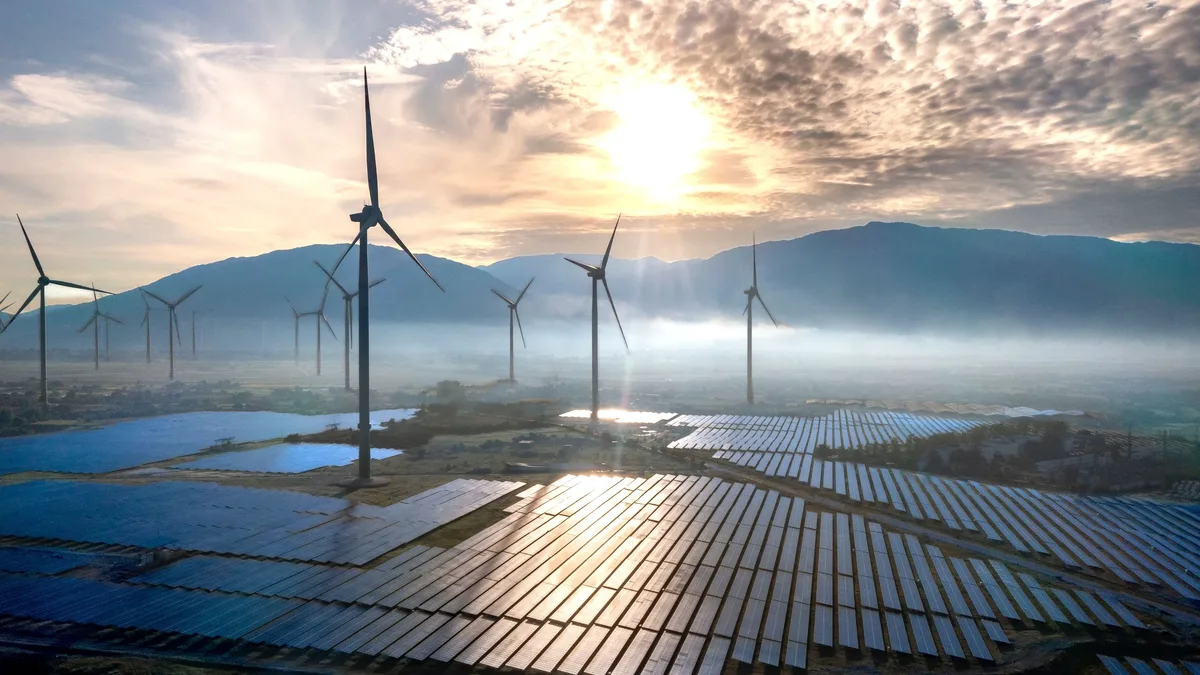
Tata Power Renewable Energy Drives Record Q2 FY2027 Results
Tata Power reported a 26% year-on-year revenue surge to ₹19,886 crore in Q2 FY2027, with its renewable energy segment growing to ₹3,746 crore and...
Corporate PPA market cools as hybrid solar storage deals emerge
Corporate renewable energy procurement in Europe is declining, with PPA volumes down 9.7% in 2026. Buyers are increasingly turning to complex hybrid...
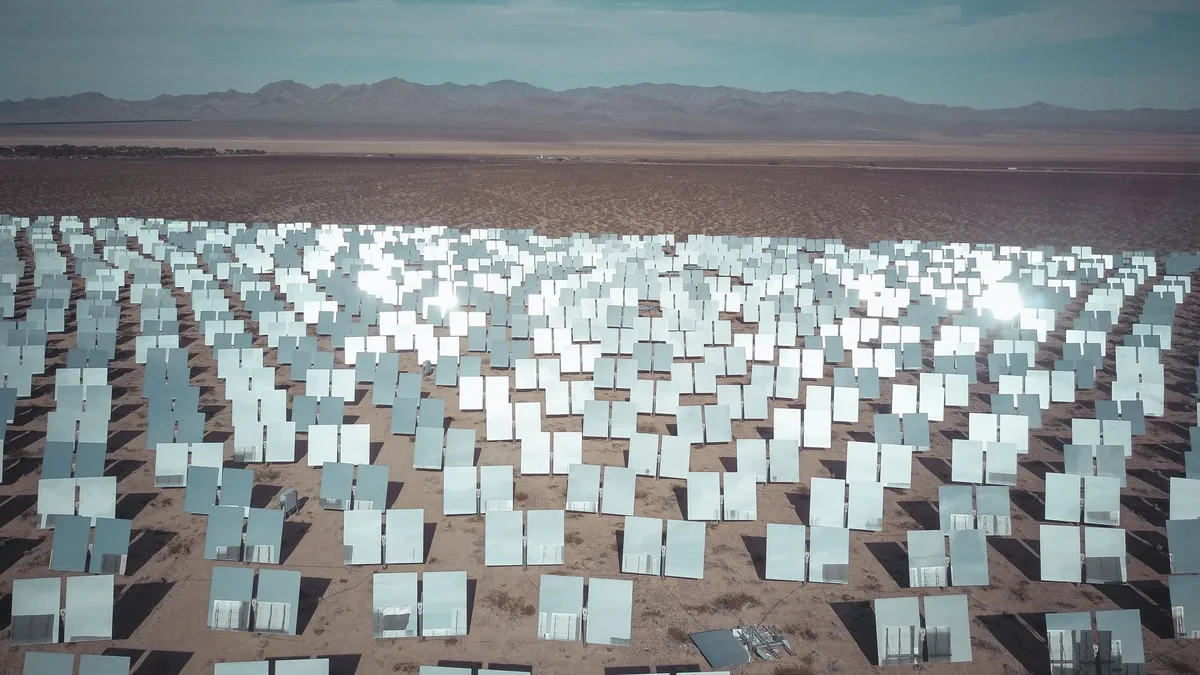
Panamint Capital Closes $769 Million Big Rooter West Solar Financing
Panamint Capital secured $769 million in green financing for the 491 MW Big Rooter West solar project in Texas, the first phase of a $1.8 billion...
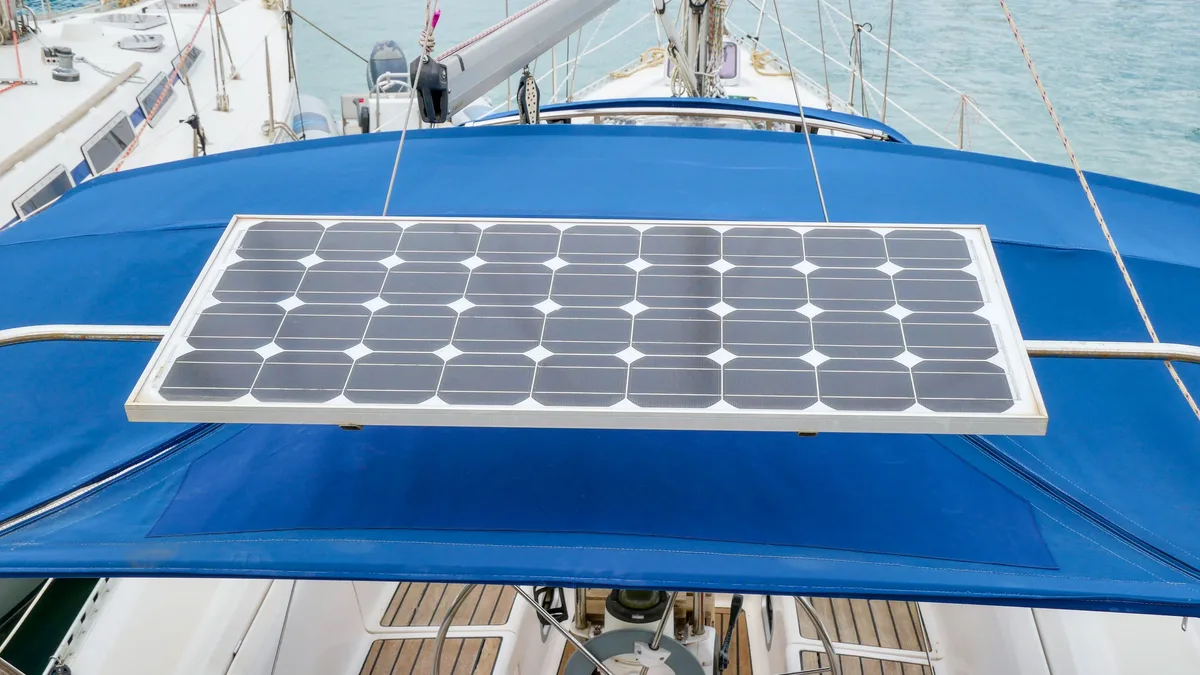
Solar-powered pleasure boat achieves 39.8% excess energy margin
Researchers have designed a 10.56 kW solar-battery system for a pleasure boat that meets six hours of daily propulsion demand with a 39.8% energy...