Global Energy Storage Targets Fall Short of COP29 Pledge
National energy storage targets for 2030 now total 822GW, covering only 55% of the 1,500GW goal set at COP29, despite a 190% increase in ambition since the pledge was signed.
National energy storage targets across tracked countries would deliver only 55% of the 1,500GW needed by 2030 to meet climate goals. The Energy Storage and Grids Pledge, endorsed by dozens of countries at COP29 in Baku, Azerbaijan, in October 2024, aims for that global capacity. Current national targets have almost tripled since then, but they still total just 822GW across 99 countries and the European Union. This leaves a gap of 678GW against the global pledge.
Drivers behind target growth and regional contributions
The near-tripling of storage targets since COP29 is driven by two major policy updates. China’s 15th Five-Year Plan and the European Union’s first bloc-wide target together account for just over 80% of the global total.
China raised its 2030 storage target from 130GW to 460GW, an increase of 330GW. This covers new-type energy storage, predominantly batteries, alongside 160GW of pumped hydro. Meanwhile, the EU agreed its first bloc-wide storage target in June 2026, setting an ambition of 200GW by 2030. This was later confirmed in the EU’s first Electrification Action Plan. At the beginning of 2025, the bloc had around 55GW of installed storage capacity.
| Region/Country | 2030 Storage Target (GW) | Key Technologies |
|---|---|---|
| China | 460 | Battery (300GW), Pumped Hydro (160GW) |
| European Union | 200 | Not specified |
Together, these two powers account for 660GW of the 822GW total identified by analysts.
Deployment trends and technology outlook
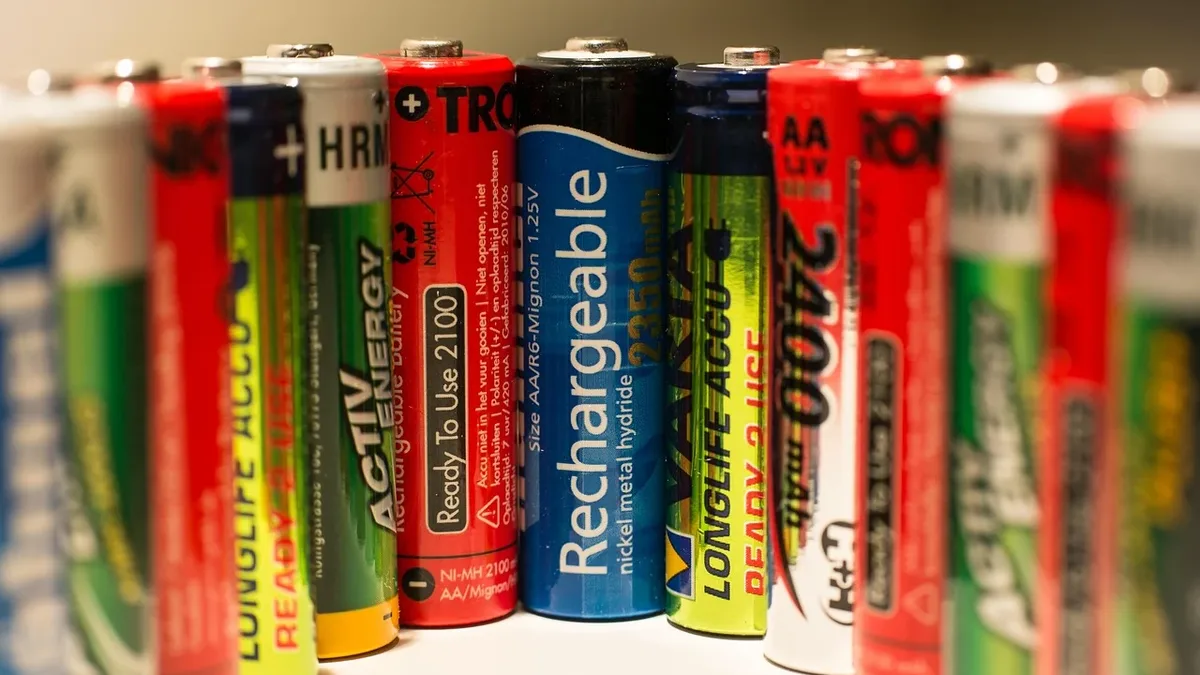
Real-world deployment is outpacing government targets. Global energy storage additions reached a record 118GW in 2025, bringing cumulative capacity to 430GW. Annual battery capacity additions have grown by almost 80 percent a year since 2020. BloombergNEF expects approximately 1,200GW of batteries alone to be deployed by 2030.
If the 2025 deployment pace continued annually through 2030, cumulative capacity would reach 1,020GW. That would exceed current national targets by 24%. However, it still falls short of the 1,500GW global pledge. Analysts calculate that 78GW of annual additions are needed from 2026 to 2030 to meet the goal.
Gaps in national coverage among major solar markets
Significant gaps remain. Eight of the world’s top 20 countries by solar capacity still have no national storage target for 2030. These include the United States, Germany, and Saudi Arabia.
The US has installed approximately 52GW of utility-scale batteries. Saudi Arabia recently connected what was described as the world’s largest single battery project. Germany falls under the EU’s collective ambition but lacks a separate national target. Other major solar markets lagging in both targets and installations include Poland, Austria, Switzerland, and Brazil.
Dr Katye Altieri noted the risk this poses. "Ultimately, the lack of coherent targets and programmes to support energy storage is a missed opportunity to give investors certainty," she said.
The 1,500GW target is based on International Energy Agency modelling for climate goals. That modelling indicates 1,200GW, or 90%, would likely come from batteries. Ahead of COP31, Türkiye’s presidency is promoting a 35-by-35 Global Electrification Pledge. It aims to raise electricity’s share of final energy demand from approximately 20 percent to 35 percent by 2035.