Asia Pacific Leads Global ISSB Adoption for Climate Resilience
Over 80% of ASEAN economies by GDP have adopted or plan to adopt ISSB sustainability standards, covering nearly US$60 trillion.

Over 80% of Association of Southeast Asian Nations economies, measured by GDP, have adopted or plan to adopt International Sustainability Standards Board (ISSB) standards. The Asia-Pacific economies embracing these rules represent close to US$60 trillion in GDP, or approximately 47% of the global total. This institutional groundwork sets the stage for a critical shift in focus from disclosure to tangible resilience.
Malaysia's 2028 Climate Disclosure Mandate
Malaysia will mandate reasonable assurance for Scope 1 and Scope 2 greenhouse gas emissions from its largest listed companies starting in 2028. This move represents one of the region's most specific and advanced regulatory timelines for climate-related financial disclosures. Elsewhere, mainland China's adoption of ISSB standards is currently voluntary but is widely expected to become mandatory in the future.
Asia Pacific Leads Global Sustainability Reporting
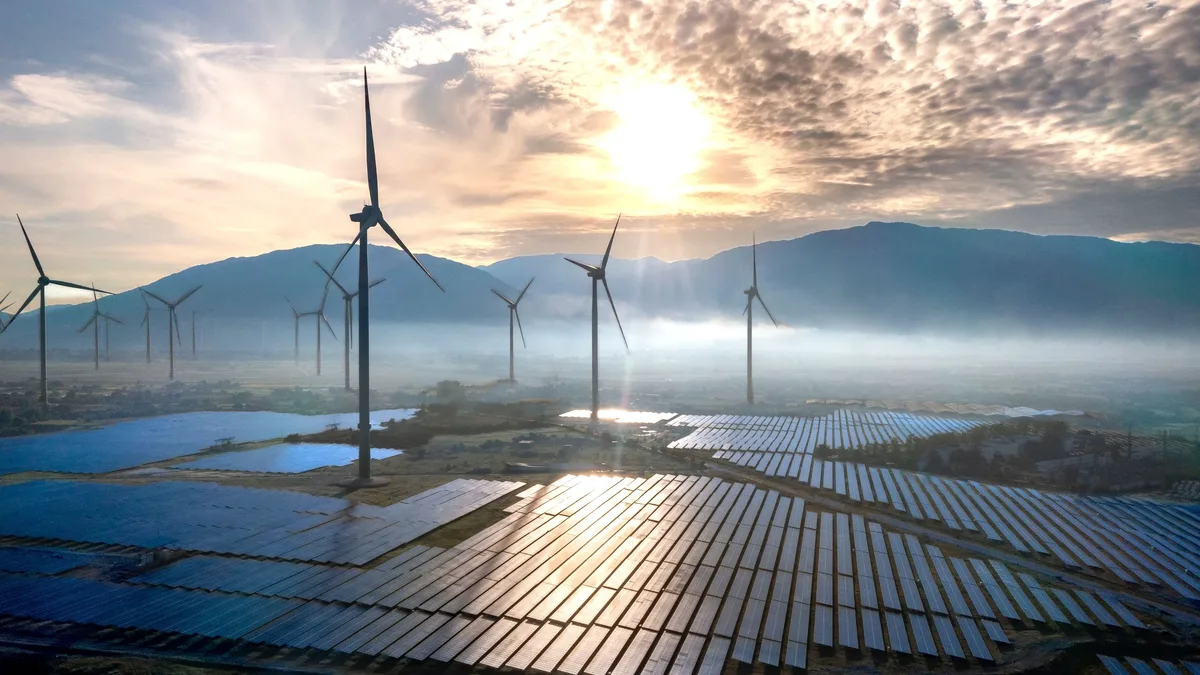
The Asia-Pacific region is leading the world in adopting global sustainability reporting standards. This leadership extends beyond paperwork into physical infrastructure. In 2024, the region contributed 70% of all renewable energy capacity added worldwide. Asia is currently the only region broadly on track to triple its renewable energy capacity by 2030, aligning with 1.5°C warming pathways. This growth is vital as the region remains the world's largest source of greenhouse gas emissions, accounting for 60.1% of the global total in 2024.
Climate Resilience Imperative
The push for better reporting is underscored by severe climate vulnerability. Floods have affected more than half of the 7.2 billion people impacted by disasters in Asia Pacific between 1970 and 2024, according to 2025 United Nations data. Future economic stability is at stake. 2026 data from the Global Commission on the Economics of Water indicates that unaddressed water scarcity and extreme heat could reduce GDP by around 8% in high-income economies and 10% to 15% in lower-income countries by 2050.
Professional accountants are now applying their skills to scrutinize climate data, nature dependencies, and supply chain conditions. External pressure is also mounting, with European Union due diligence and reporting directives poised to affect market access for Asia-Pacific suppliers. However, regional representation in standard-setting bodies lags. Only three of the ISSB board's 12 members are from Asia-Pacific, and none come from ASEAN nations. Sharath Martin highlighted the necessary evolution, stating, "The region has done the difficult institutional work. The narrative now needs to shift from producing disclosures to making businesses more resilient."