Grid dispute restricts battery at new German
A 69 MW solar and 76.5 MWh battery hybrid plant in Brandenburg is operational, but a dispute with grid operator Eon Edis limits the battery to storing only
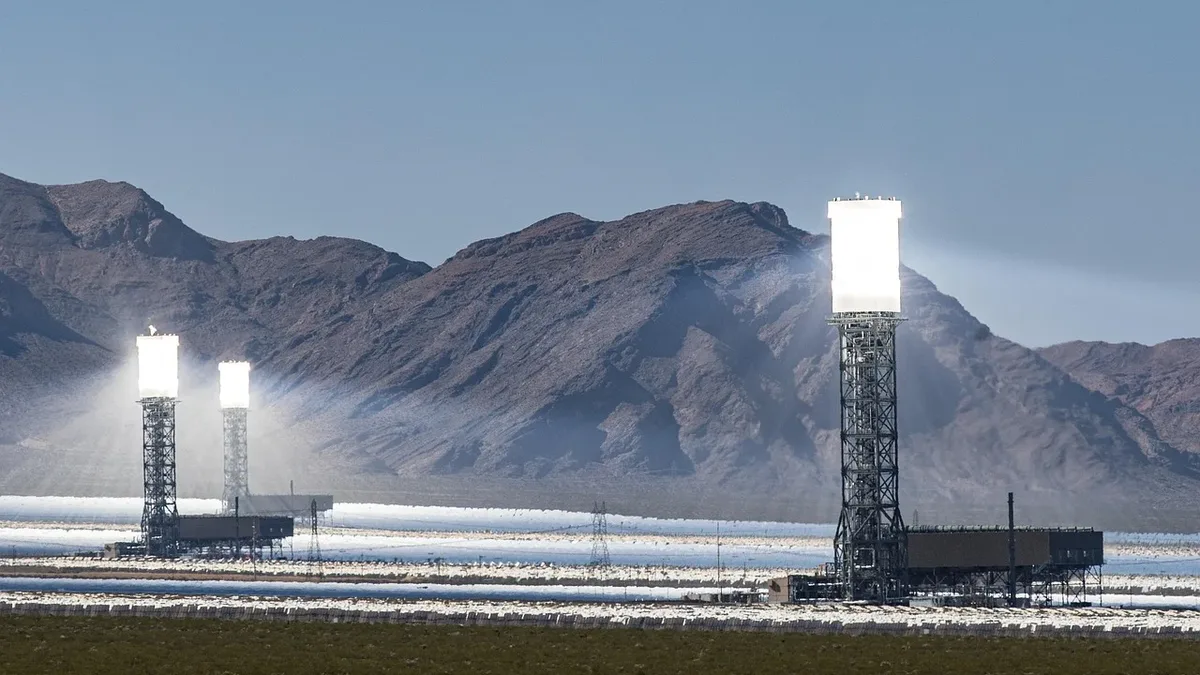
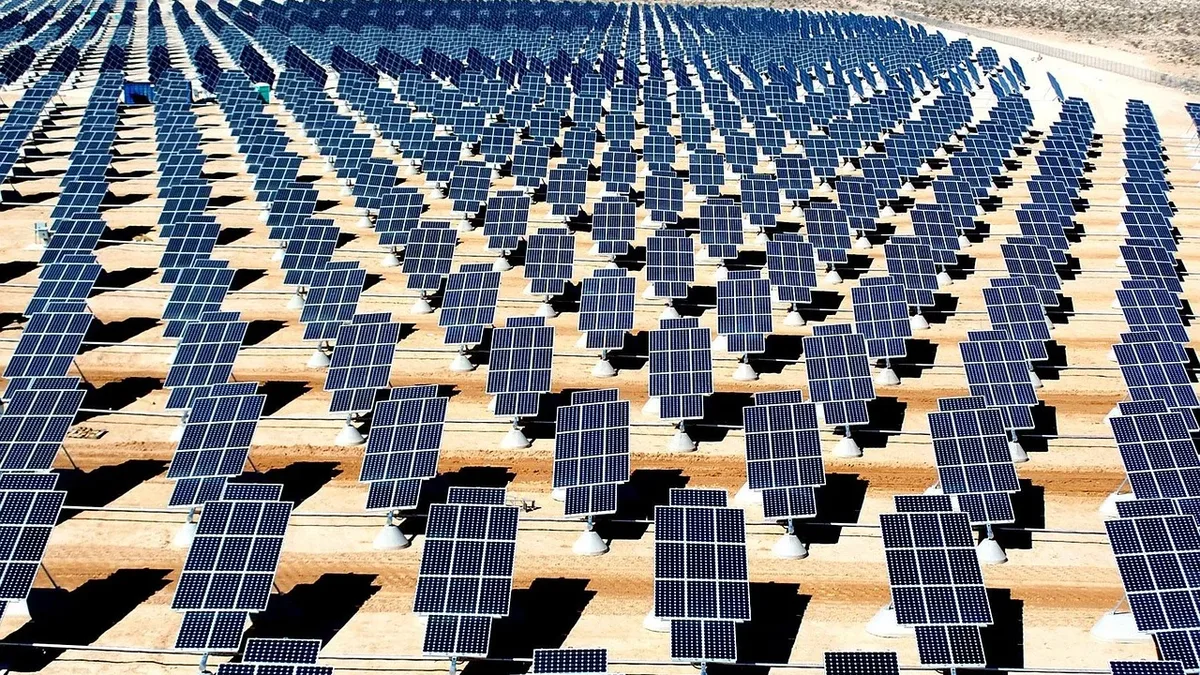
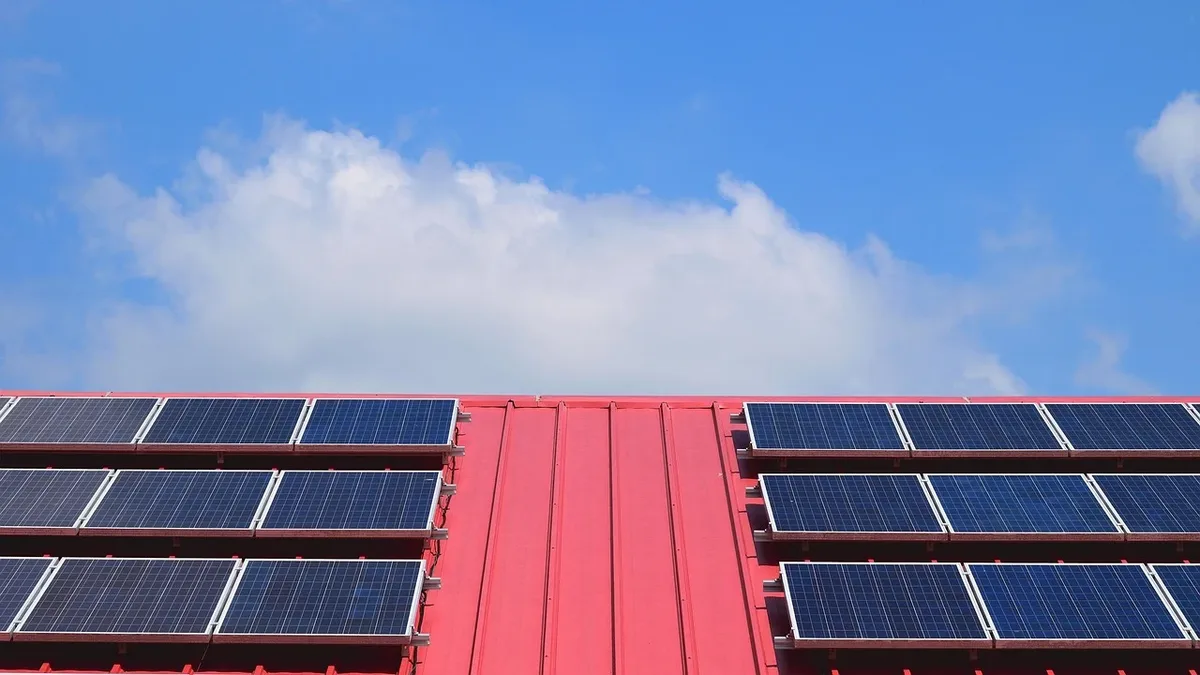
A 69 MW solar park paired with a 76.5 MWh battery storage system has begun operating in Brandenburg, Germany. The hybrid plant, located southeast of Löwenberg, received technical approval for grid feed-in in mid-August, with an official opening scheduled for September 25.
The project's battery system is housed in 17 separate containers. Fourteen containers are situated within the solar park's boundaries, while three are located at a dedicated project substation named Bergsdorf-West.
Project Development and Ownership
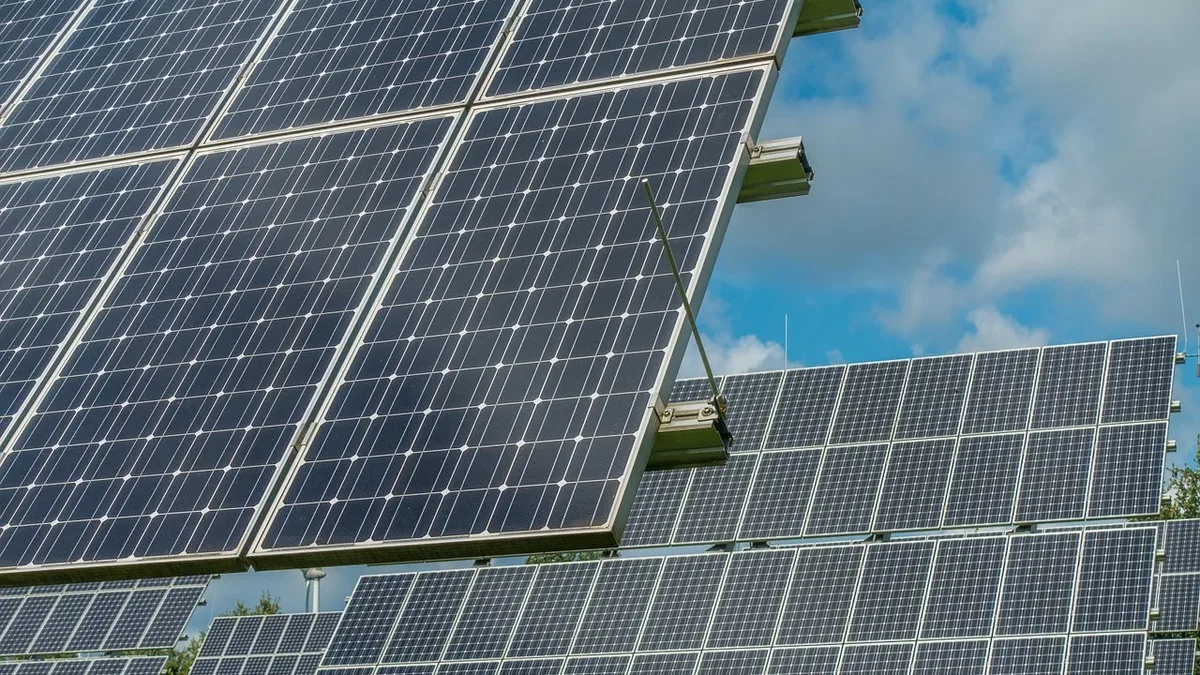
Development, permitting, and construction took roughly four years. MHB Montage GmbH installed the battery systems, and MHB Energie GmbH acted as the general contractor for the solar park. Key equipment suppliers included Phono Solar for PV modules, Huawei for inverters and battery storage, and Zimmermann PV-Steel Group for mounting structures.
The plant is operated by Solarpark Löwenberger Land Betriebs GmbH & Co. KG. Ownership of the operating company is split, with Solarpark Verwaltung I GmbH holding a 96% stake. The remaining 4% is owned by the local Pfitzmann-Freese farming family.
Solar Capacity and Sales Model
The 69 MW solar capacity is divided into two distinct sections. A 33.6 MW portion has been fully sold under Germany's investment asset business (IAB) model, according to Tobias Bertenbreiter, managing director of the operating company. Sales partners for this segment were Finanzkonzepte Deutschland (FKD) and Von Feder Gruppe.
The project company currently retains the remaining 35.4 MW of solar capacity. Bertenbreiter told pv magazine that slightly more than half of this retained capacity is expected to be sold under the IAB model soon. The rest will be kept as a long-term asset.
Grid Dispute Limits Battery Operations
The future operating model for the large-scale battery is clouded by a dispute over grid connection terms. Bertenbreiter explained that local distribution network operator Eon Edis initially offered a connection agreement providing 6.8 MW of import capacity. This was to be split, with 800 kW allocated for the solar plant's own consumption and the remainder for charging the battery from the grid and for commercial operations.
The placement of three battery containers at the Bergsdorf-West substation was specifically intended to support this grid-charging arrangement. However, Eon Edis later withdrew the agreed import capacity. This action restricts the battery to storing only electricity generated by the co-located solar plant, preventing it from charging directly from the grid.
Suena Energy is responsible for optimizing and marketing the battery's storage capacity. Project revenues from this activity are being used to refinance the investment. Currently, the project has neither a power purchase agreement nor a flexibility purchase agreement in place.
The operating company has escalated the matter, sending a formal legal letter to Eon Edis seeking to restore the battery's import capacity. If successful, the battery could operate as a grid-charged storage system, unlocking additional potential revenue streams beyond just solar self-consumption.