Module And Cell Prices
| Technology | Photovoltaic module and lithium-ion battery cell |
|---|---|
| Recall | The generation technology and the specific project being built with it |
Origin and history
Module and cell prices refer to the market pricing of photovoltaic (PV) modules and the individual solar cells within them, a concept that emerged alongside the commercialization of solar energy. The systematic tracking and analysis of these prices originated in the early 2000s as the global solar industry began to scale significantly. Key reporting on these prices has historically come from market research firms in Europe and the United States, though the manufacturing and price-setting dynamics are heavily centered in Asia. The establishment of regular price indices, such as those from PV Insights and BloombergNEF, provided a formalized structure for this market data. The history of these prices is defined by a dramatic and sustained cost reduction over decades, a trend famously illustrated by Swanson's Law. This price evolution is a core metric for understanding the economic viability and technological progression of solar power as a generation technology.
What it is for
Module and cell prices serve as the primary cost metric for the photovoltaic component of a solar energy project, directly influencing the system's capital expenditure. These prices are used by project developers, financiers, and energy planners to model project economics, calculate levelized cost of energy (LCOE), and assess financial viability. For procurement specialists, current price data is essential for budgeting, tendering, and negotiating supply contracts with manufacturers. Investors and analysts use price trends to evaluate the health of the solar industry, the competitive position of manufacturers, and the rate of technological improvement. In policy-making, understanding these prices helps governments design effective subsidies, tariffs, and renewable energy targets. Fundamentally, these prices translate laboratory efficiency gains and manufacturing scale into a concrete financial variable that determines the pace of global solar deployment.
Overview
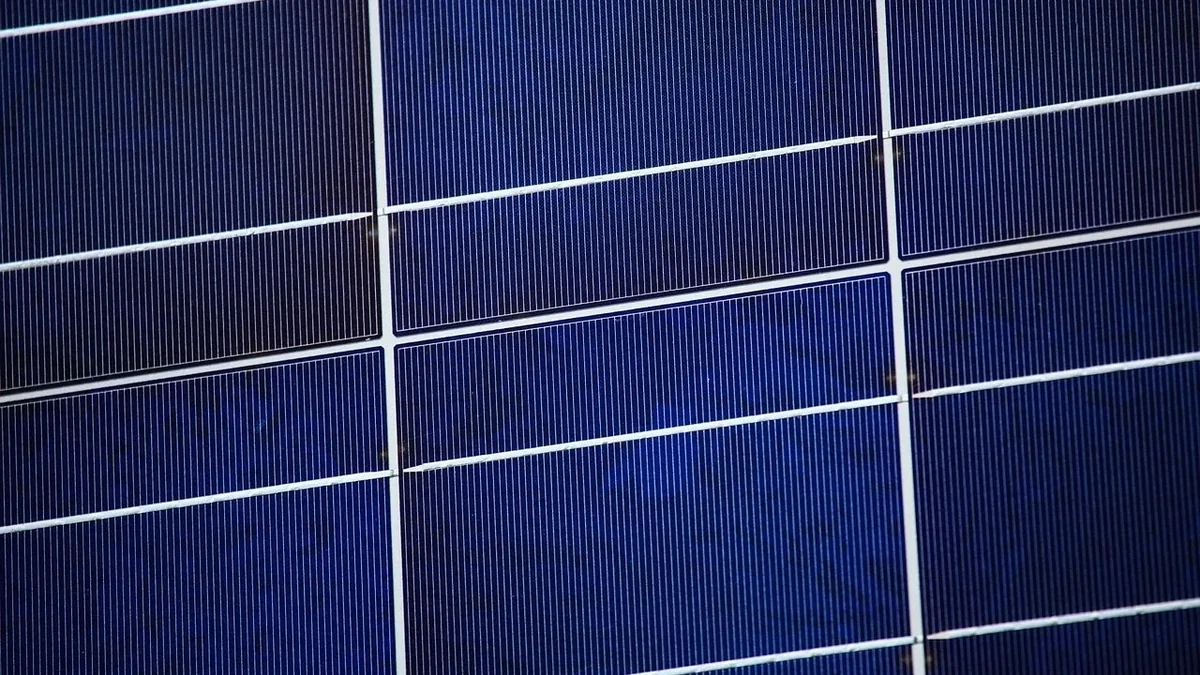
A photovoltaic module price encompasses the cost of the finished, assembled panel, including the cells, glass, frame, junction box, and encapsulation materials, as sold by the manufacturer. The cell price refers specifically to the cost of the individual silicon-based or thin-film semiconductor devices that are the core electricity-generating units within the module. Prices are typically quoted in a standardized currency per watt-peak (e.g., USD/Wp), allowing comparison between products of different power outputs. Market prices are segmented by technology (e.g., monocrystalline PERC, TOPCon, thin-film), manufacturer tier, and geographic market due to tariffs and shipping costs. Prices are not static but fluctuate based on supply-demand balance, raw material costs (like polysilicon), manufacturing capacity utilization, and policy changes. This pricing ecosystem is complex, with separate indices often reported for production in China, Europe, and Southeast Asia, reflecting the globalized nature of the supply chain.
What to know
It is critical to understand that the module price listed on an index is often a spot market price and may not reflect the final delivered price for a large project, which is typically secured via a long-term supply agreement. Price trends have historically shown strong seasonality and can be volatile, influenced by polysilicon commodity cycles, trade disputes, and sudden changes in demand from major markets like China, the US, or Europe. The price difference between cell and module, known as the "module processing cost," indicates the value added by the module assembly stage and can signal manufacturing margin pressures. Not all modules are equal; price differences correlate with factors like efficiency, warranty terms, degradation rate, and brand reputation, which affect long-term energy yield. Prices for specialized modules, such as bifacial or building-integrated photovoltaics (BIPV), command a premium and are tracked separately. A sustained period of very low prices can lead to industry consolidation, as manufacturers operate at minimal margins, impacting long-term supply stability.
Common questions
A common question is why module prices can differ dramatically between regions, which is primarily due to import tariffs, anti-dumping duties, and local supply chain costs, such as in the United States versus Europe. People often ask what causes prices to fall so consistently, which is attributed to economies of scale in manufacturing, technological improvements in cell efficiency, and reductions in material usage, like thinner silicon wafers. Many inquire if the lowest-price module is always the best choice, which it is not, as lower-cost modules may compromise on quality, longevity, or performance under real-world conditions. A frequent question is how to forecast future prices, which analysts do by modeling polysilicon capacity expansions, projected demand growth, and anticipated technological shifts. Users commonly question the relationship between cell and module prices, where a squeeze in cell prices can indicate an oversupply of cells or a bottleneck in module assembly capacity. Finally, people ask about the impact of new technologies like perovskite, which are expected to influence long-term price trajectories but currently have minimal impact on mainstream silicon-based pricing indices.
Pros and cons
A major advantage of the transparent and widely reported nature of module and cell prices is that it creates a competitive, efficient global market, allowing buyers to benchmark and drive down system costs. The historical price decline is an undeniable pro, having made solar the lowest-cost form of new electricity generation in many regions. However, a significant con is that intense price pressure can lead manufacturers to cut corners on material quality or module durability, which may only manifest as premature degradation years after installation. Projects that procure based solely on the lowest price point often regret it when modules underperform their warranted output or fail early, eroding the project's financial returns. A common mistake is neglecting the total cost of ownership, which includes the impact of module efficiency on balance-of-system costs like land and racking; a slightly more expensive, higher-efficiency module can lower overall project cost. The volatility of prices can also be a con, creating budgeting uncertainty and making it difficult for developers to lock in project economics long before construction begins.
Who it suits
Module and cell price data primarily suits utility-scale solar project developers and independent power producers (IPPs) who make bulk purchases and whose project economics are hypersensitive to upfront capital costs. It is equally critical for financial institutions and investors conducting due diligence, as price assumptions directly affect a project's debt service coverage ratios and internal rate of return. Procurement officers and supply chain managers at engineering, procurement, and construction (EPC) firms use this data daily to source equipment and negotiate with suppliers. Policy analysts and government energy agencies rely on price trends to assess the effectiveness of renewable energy incentives and to plan for grid integration. Market researchers and consultants within the solar industry analyze price movements to advise clients on strategic decisions, such as manufacturing investments or technology adoption. Finally, it suits large commercial and industrial energy consumers evaluating onsite solar investments, as module cost is a dominant factor in their payback period calculations.
Latest Module And Cell Prices news
Latest reporting
India's Solar Manufacturing Surge Faces Cell Supply
India added 50.6GW of solar module and 9.7GW of cell capacity in H1 2026, but a critical shortage of domestic cells is slowing production and project
TOPCon Module Pricing Holds Amid U.S. Trade Policy
Solar module prices in China and the U.S. Showed divergent trends ahead of Section 232 enforcement, with U.S. Spot prices stable and Chinese domestic...
Section 232 tariff drives solar module prices up over 40%
A new 15% tariff on polysilicon imports, effective December 4, has already pushed median U.S. solar module prices from $0.27/W to $0.38/W.
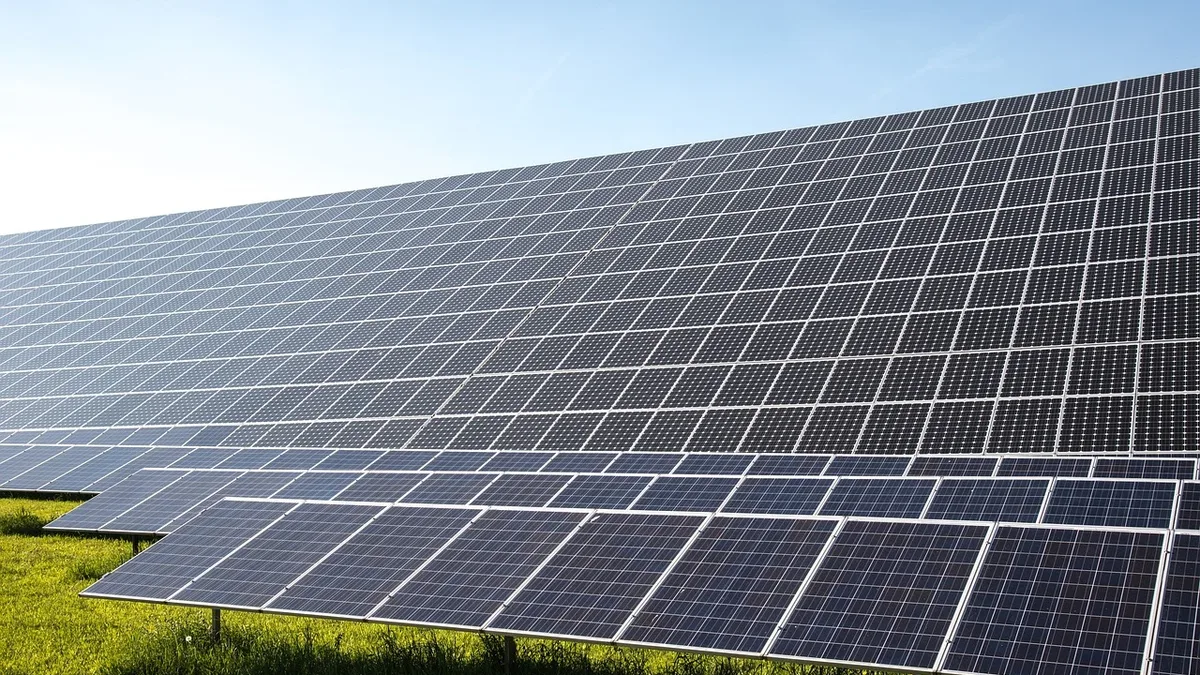
Websol Secures West Bengal Land for 4GW Solar Plant
Websol Energy System has obtained 21.9 hectares in West Bengal's Falta Industrial Park to build a 4GW solar cell and module factory, with the first...
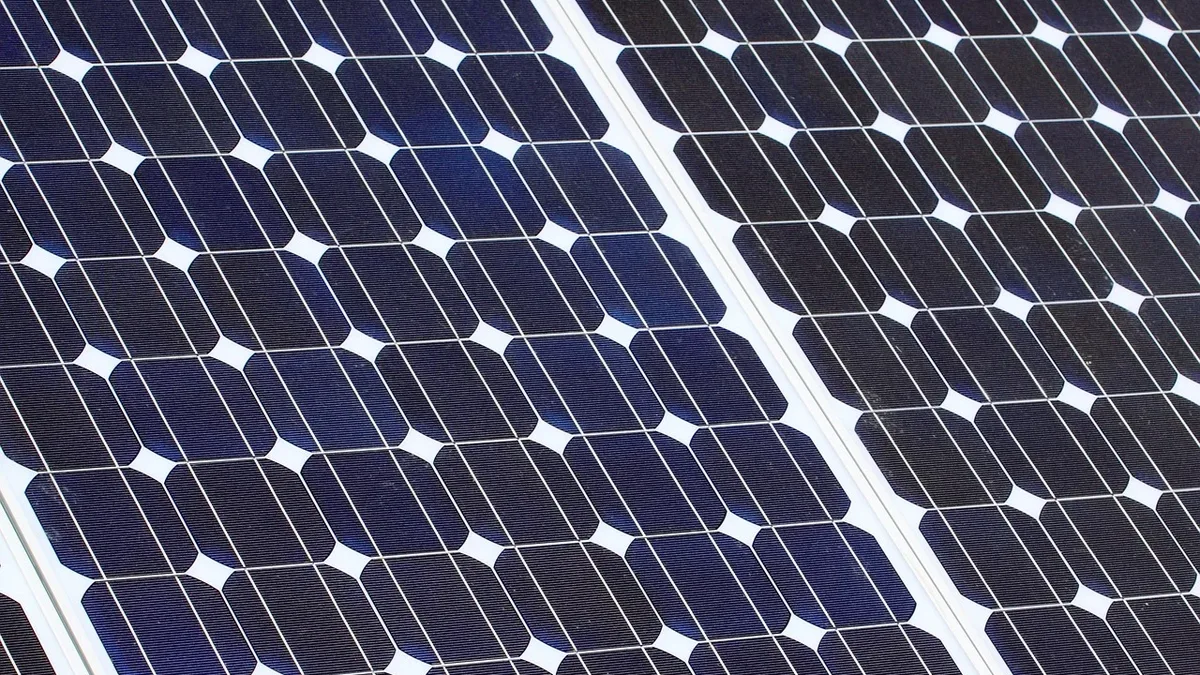
Brazil PV system prices rise 7% in H1 2026
Average photovoltaic system prices in Brazil increased 7% in the first half of 2026 for projects up to 300 kW, with 30 kW and 50 kW systems hitting a...
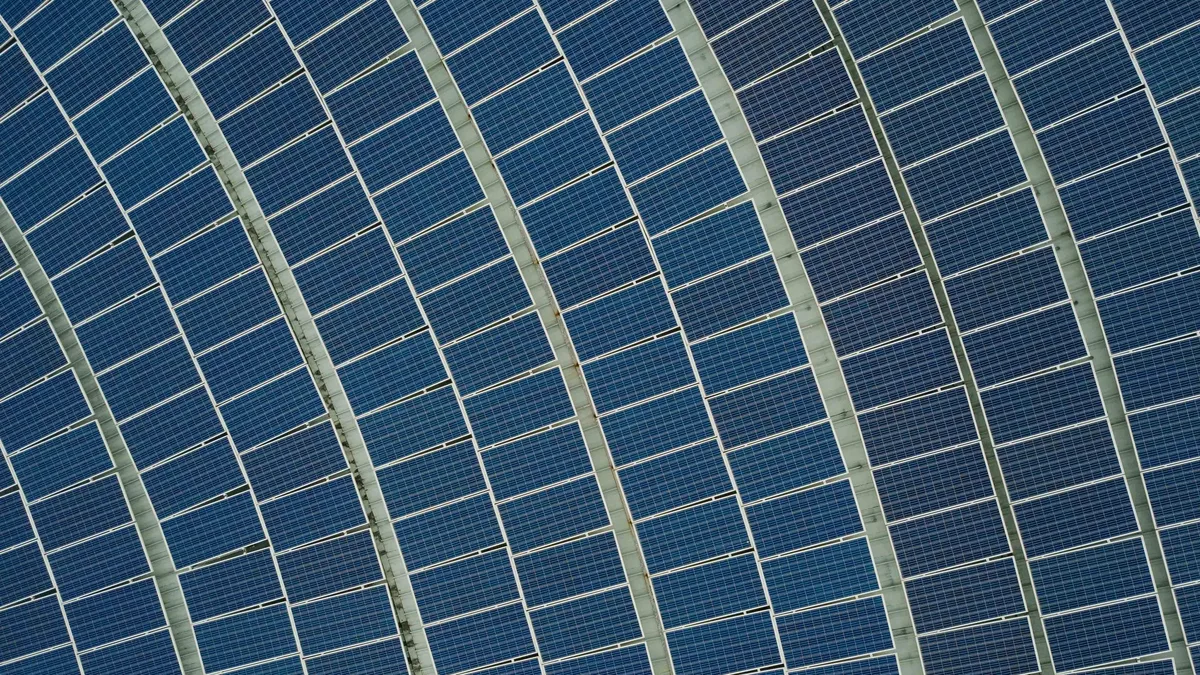
US solar module production passes 100 GW
Cumulative US solar module manufacturing has reached 100 GW, a landmark achieved in Q2 2026. More than 70% of this total was added after the...