Section 232 tariff drives solar module prices up over 40%
A new 15% tariff on polysilicon imports, effective December 4, has already pushed median U.S. solar module prices from $0.27/W to $0.38/W.
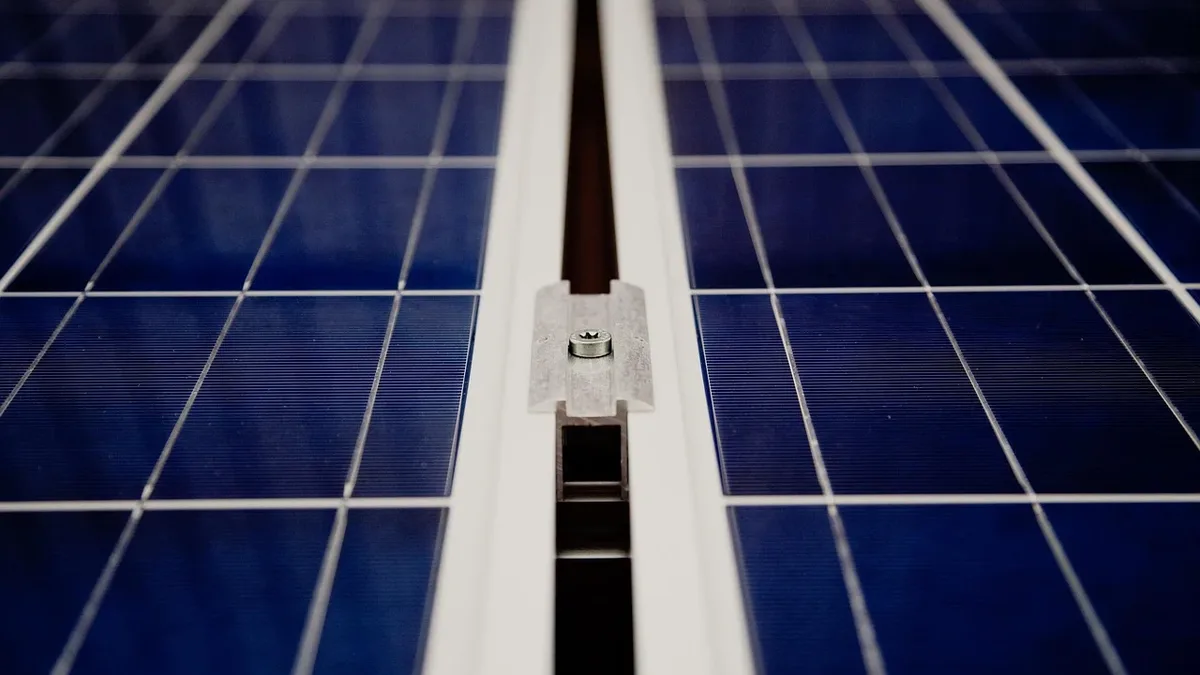
The Section 232 tariff on polysilicon imports is driving U.S. solar module prices sharply higher ahead of its December 4 effective date. The median price for imported modules has surged from $0.27 per watt before the August 7 proclamation to $0.38 per watt for delivery after the deadline, an increase of more than 40%.
This 15% tariff applies to imports of polysilicon, solar ingots, wafers, cells, and modules. It stems from a U.S. Department of Commerce finding that the quantities and circumstances of polysilicon imports threaten national security. Suppliers are already adjusting. By September 9, approximately 55% of active suppliers on the Anza analytics platform had updated their pricing to reflect the tariff impact, covering 65% of listed modules. For directly comparable products and contract terms, the price increase is about 15%.
Industry advisors urge pre-deadline action to mitigate cost exposure
Advisors are urging solar developers to act swiftly. The priority is to secure modules already within the United States. Developers should also evaluate which additional shipments can clear customs before December 4. Blending domestic and imported products is another strategy being explored to manage overall capital expenditures.
Aaron Hall, president of Anza, emphasized the urgency. "Developers who are in the procurement process now are entering the 'most critical procurement window,'" he said. He noted that modules need time to ship and clear customs, meaning procurement decisions cannot wait until the deadline itself. The window for securing lower-cost, pre-tariff supply is shrinking rapidly.
Contract risk allocation becomes critical amid retroactive tariff concerns
Beyond immediate procurement, developers are advised to scrutinize their supply contracts. A key recommendation is to review how agreements allocate exposure to potential retroactive tariffs and costs associated with stockpiling inventory. Seeking written commitments from suppliers to absorb these specific risks is becoming a critical point of negotiation.
U.S. manufacturing capacity meets current demand, with expansion forecasted
The domestic supply chain is poised for growth. The Solar Energy Industries Association reports that current U.S. module manufacturing capacity stands at 75.3 gigawatts, which is sufficient to meet existing market demand. Further expansion is on the horizon.
This planned expansion aims to bolster more segments of the solar manufacturing pipeline within the United States. For now, developers must finalize supply chain strategies and lock in orders before the December 4 tariff implementation closes the current cost window.