Green Hydrogen
| Technology type | Electrolysis (PEM, Alkaline, SOEC) |
|---|---|
| Primary input | Water and renewable electricity |
| Primary output | Hydrogen gas (H₂) |
| Carbon intensity | Near-zero (when powered by renewables) |
| Storage form | Compressed gas, liquefied, or in carriers |
| Scale of project | Pilot, demonstration, or commercial |
| Project status | Planned, under construction, or operational |
Origin and history
The foundational technology for producing hydrogen, electrolysis, was developed in the late 18th and early 19th centuries. The specific concept of "green hydrogen," referring to hydrogen produced via electrolysis powered exclusively by renewable electricity, emerged much later as a direct response to climate change concerns. Its identification as a distinct category gained significant traction in the early 21st century within global energy and policy discussions. The term itself was coined to differentiate it from hydrogen produced from fossil fuels, which dominates the historical industrial supply. While no single country is its sole origin, major early research and pilot projects were advanced in Europe and Japan from the 1990s onward. The drive for green hydrogen accelerated in the 2010s as the costs of renewable electricity, particularly solar and wind, fell dramatically.
What it is for
Green hydrogen is primarily intended to decarbonize sectors of the economy that are difficult to electrify directly. Its main application is as a clean fuel for heavy industries, such as steel and chemical manufacturing, where high-temperature heat is required. It is also developed for use in long-haul heavy transport, including shipping, aviation, and freight trucking, where battery weight and range are limiting factors. Another key purpose is to act as a long-duration energy storage medium, converting excess renewable electricity into hydrogen that can be stored and later reconverted to power. Furthermore, it can serve as a feedstock to produce green ammonia for fertilizers and other chemical products. Ultimately, its role is to enable a comprehensive transition away from fossil fuels in systemic parts of the energy infrastructure.
Overview
Green hydrogen is a gaseous energy carrier produced by splitting water molecules into hydrogen and oxygen using an electrical current. This process, called electrolysis, requires an electrolyzer unit and a source of electricity. The critical defining feature is that the electricity used must come from renewable sources like wind, solar, or hydropower to ensure the hydrogen's production has near-zero carbon emissions. The resulting hydrogen gas is then compressed, liquefied, or converted into other carriers like ammonia for storage and transportation. A specific project utilizing this technology typically involves co-locating a large-scale electrolyzer facility with a dedicated renewable energy power plant, such as a wind or solar farm. The project's output is often contracted to an industrial off-taker, such as a refinery or fertilizer plant, seeking to reduce its carbon footprint.
What to know
The efficiency of the overall process from electricity to hydrogen and back to usable energy is relatively low, meaning a significant portion of the original renewable energy is lost. Currently, the production cost of green hydrogen is substantially higher than hydrogen derived from natural gas, a major barrier to widespread adoption. Infrastructure for hydrogen, including pipelines, storage caverns, and refueling stations, is not yet widely developed and requires massive capital investment. Safety protocols for handling hydrogen are well-established from industrial use but differ from those for conventional fuels due to its high flammability and low density. The purity of the hydrogen produced is crucial for certain applications, like fuel cells, and influences the choice of electrolyzer technology. Projects often depend heavily on government subsidies and regulatory frameworks to be financially viable in the current market.
Common questions
What is the difference between green, blue, and grey hydrogen? Grey hydrogen comes from natural gas without carbon capture, blue hydrogen is from natural gas with carbon capture, and green hydrogen is from renewable electrolysis. How is green hydrogen stored and transported? It can be stored as a compressed gas, as a cryogenic liquid, or bound into chemical carriers like ammonia, each with different trade-offs. Can existing natural gas pipelines be used for hydrogen? Some pipelines can be retrofitted, but hydrogen causes embrittlement in certain steels and has different flow properties, requiring careful assessment. Is hydrogen production from water a net water-intensive process? Electrolysis itself consumes significant pure water, but the amount is generally small compared to other industrial or energy sector uses. What are the main types of electrolyzers? The three primary types are Alkaline, Proton Exchange Membrane (PEM), and Solid Oxide, which vary in efficiency, cost, and operational flexibility. Why not just use batteries instead? Batteries are optimal for short-term storage and light transport, while hydrogen is considered for long-term seasonal storage and energy-intensive heavy transport.
Pros and cons
A significant advantage is its potential to deeply decarbonize hard-to-abate industrial processes and heavy transport, for which few alternatives exist. It can leverage surplus renewable electricity that would otherwise be curtailed, improving grid stability and renewable asset economics. The ability to store energy seasonally in chemical form addresses a major limitation of intermittent wind and solar power. A primary disadvantage is the substantial energy loss at each conversion step, from electricity to hydrogen and back to power, making it less efficient than direct electrification. The current high capital cost of electrolyzers and the need for dedicated renewable capacity make projects expensive and reliant on policy support. Common mistakes include proposing hydrogen for applications where direct electrification is more efficient, such as passenger vehicles or residential heating, thereby wasting renewable resources.
Who it suits
This technology suits regions with abundant, low-cost renewable energy resources, such as consistent wind or high solar irradiation, that can produce cheap electricity for electrolysis. It is appropriate for governments and industries committed to meeting stringent long-term net-zero emissions targets, particularly for sectors with no other viable decarbonization path. Heavy industries with existing hydrogen demand, like ammonia production or oil refining, are key candidates for transitioning from grey to green hydrogen supply. Companies involved in long-haul logistics, shipping, and aviation are exploring it as a future fuel to comply with emerging emissions regulations. Investors and project developers with a high risk tolerance and long investment horizons are involved, given the current early-stage market and infrastructure challenges. It is less suited for regions with expensive or limited renewable energy potential or for applications where efficiency is the paramount concern.
Latest Green Hydrogen news
Latest reporting
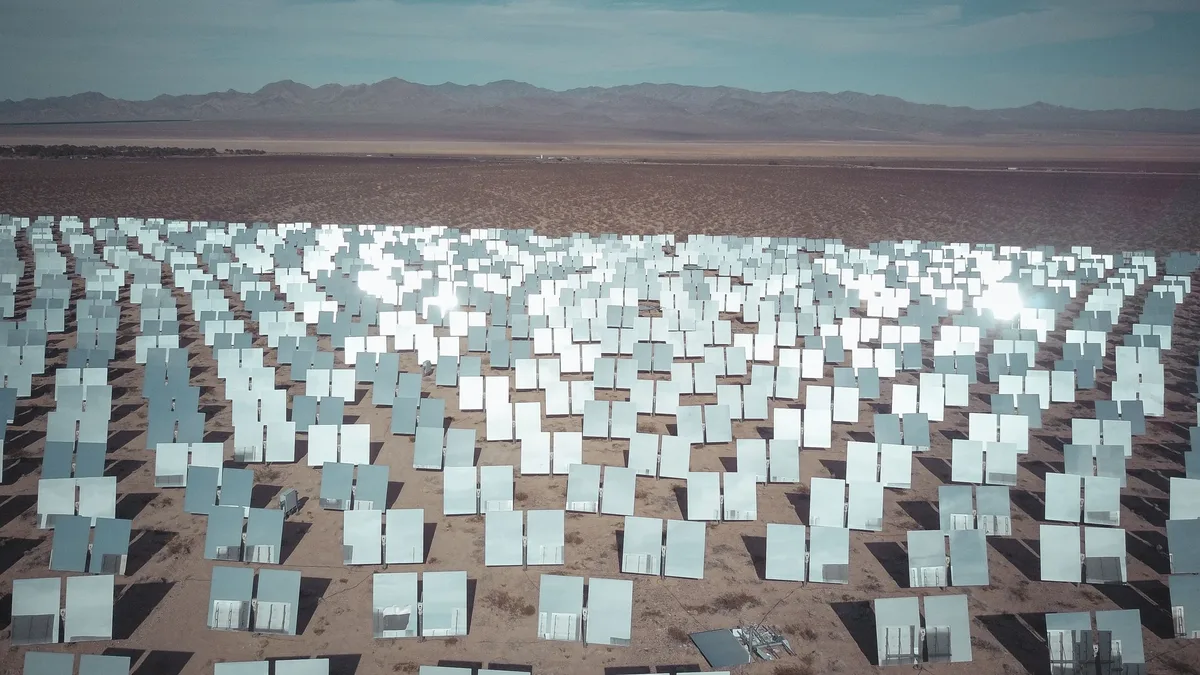
Adani Green Energy expands Khavda battery storage to 6.63
Adani Green Energy Ltd has expanded its operational battery storage capacity at Khavda, Gujarat, to 6.63 GWh within 14 months, now representing over...
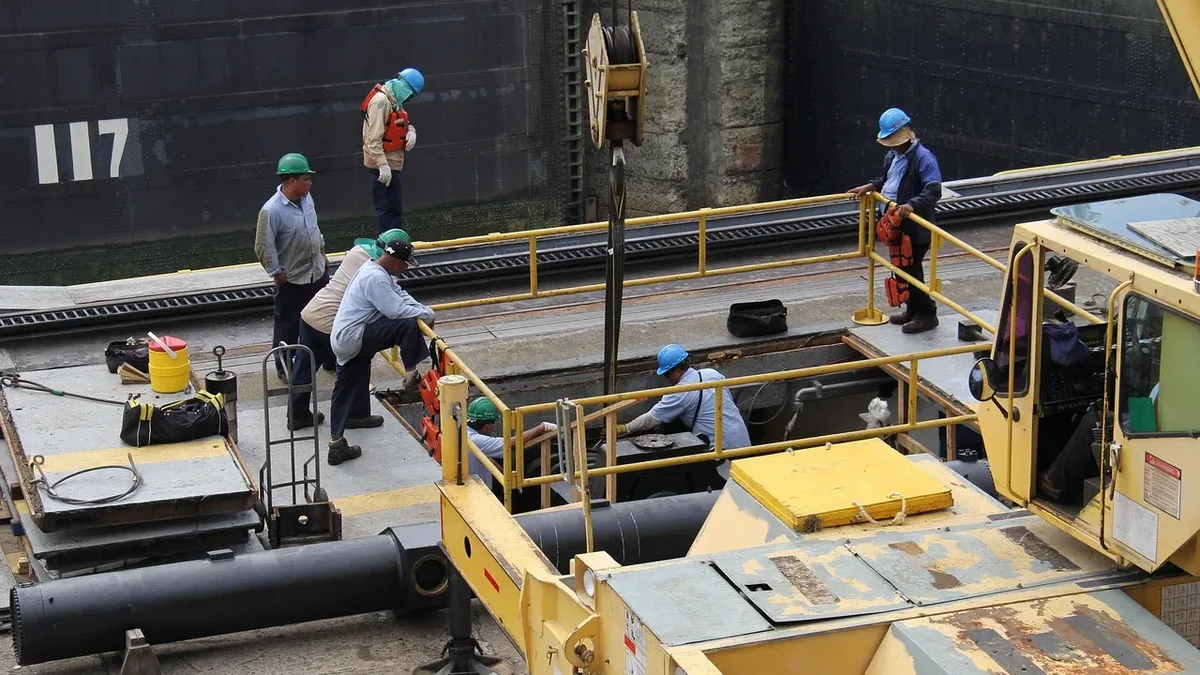
Posco and BHP partner to test hydrogen
Posco and BHP will test Australian iron ore for the HyREX hydrogen reduction process, aiming for commercialization by 2030.

Brazil links data center tax incentives to green power
Brazil's Senate approved a bill giving data centers a five-year federal tax break if they use renewable or low-emission power sources.

Bangladesh's Green Building Drive Expands
Bangladesh's corporate and real estate sectors are increasingly constructing LEED-certified green buildings, driven by climate pressures and corporate
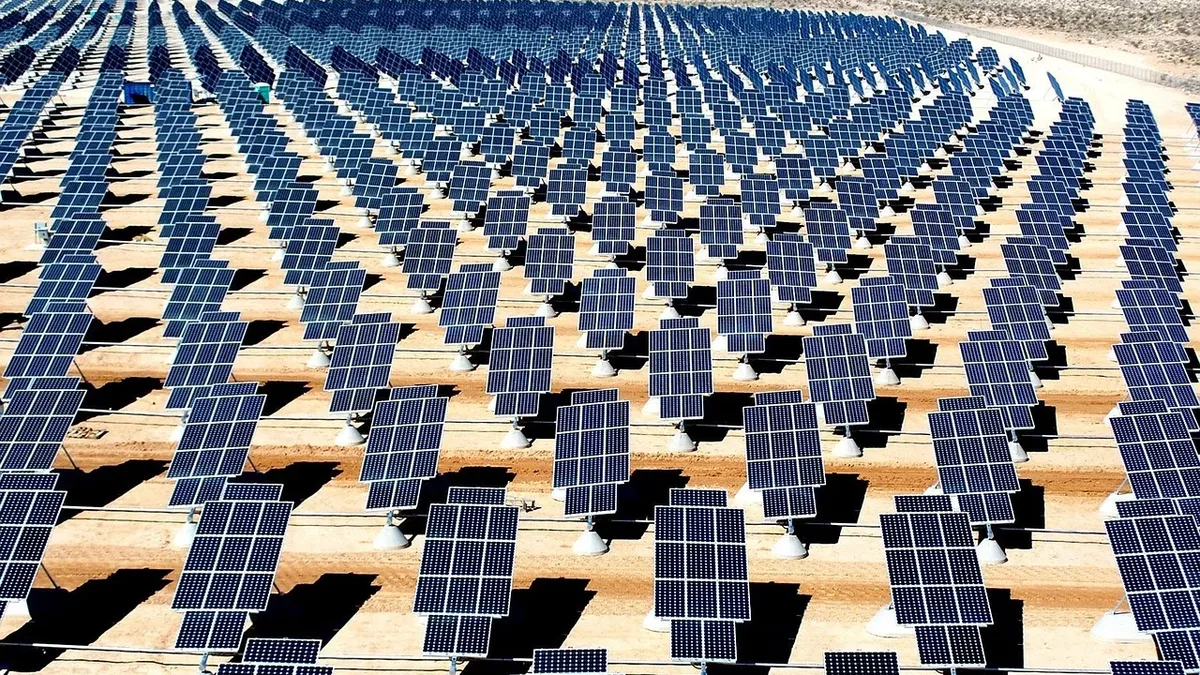
Africa's first PV hydrogen hub starts up
Cmb-Tech has started operations at a green hydrogen facility in Namibia's Walvis Bay, featuring 5 MW of off-grid solar PV, a 5 MW PEM electrolyzer...
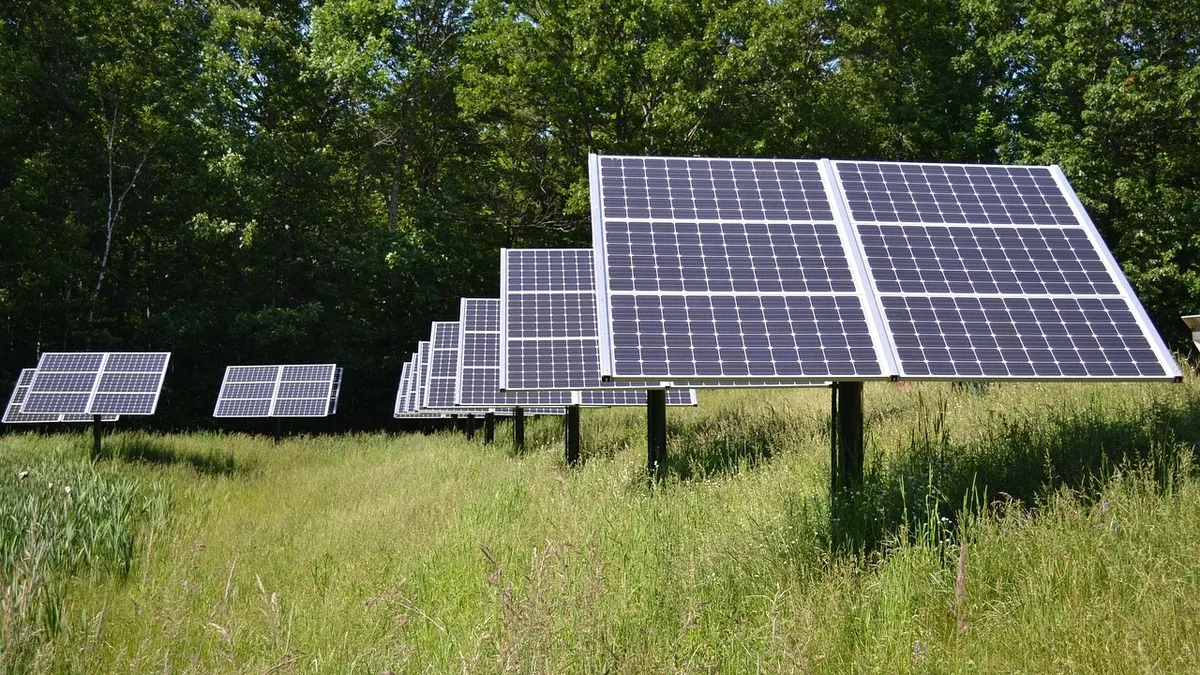
Solar PV installations influence neighboring households to go green
New research finds that installing a solar PV system can influence the energy-related behavior of neighboring households, making them more likely to...