Vertical Axis Wind Turbine
| Type | Wind turbine |
|---|---|
| Original use | Wind power generation |
| Rotor shaft orientation | Transverse to wind |
| Main components location | Base of turbine |
| Orientation mechanism | Not needed |
| Early designs | Savonius, Darrieus, giromill |
| Drag-type tip speed | Lower than lift-based |
Origin and history
The vertical-axis wind turbine appears in the reference as a family of designs rather than a single invention with one documented origin date. The article names early drag and lift forms, including the Savonius rotor, the Darrieus rotor, and the giromill. It also notes a later helical blade solution associated with the Gorlov type. The reference identifies an original Darrieus patent, US patent 1835018, but does not provide a year for that patent. Because the supplied reference does not give a country or date of first creation, this page does not state one. The historical line that can be supported is therefore a sequence of named rotor concepts and later refinements, not a precise origin event.
What it is for
Vertical-axis wind turbines are built to extract energy from wind while keeping the main rotor shaft transverse to the wind and the main components near the base. This layout allows the generator and gearbox to be placed close to the ground, which simplifies service and repair. The machines do not need to be pointed into the wind, so they avoid wind-sensing and orientation mechanisms. They are used in contexts where disturbed flow fields make small horizontal-axis turbines less attractive, especially distributed generation in urban environments. Drag types such as the Savonius rotor generally operate at lower tip speed ratios than lift-based types such as the Darrieus rotor and cycloturbines. The reference also describes them as part of a broader class called transverse axis or cross-flow wind turbines.
Pros and cons
The clearest advantage is mechanical convenience, because the generator and gearbox can sit at the base and the rotor does not need to yaw into the wind. That makes VAWTs attractive for small urban or disturbed-flow installations where a horizontal-axis turbine would need a tall tower and orientation hardware. The drawbacks are real, especially in early Savonius, Darrieus, and giromill forms, because they can produce significant torque ripple and large bending moments on the blades. A common mistake is choosing a VAWT only because it looks compact, while ignoring that drag types operate at lower tip speed ratios and may not suit sites needing higher rotational speed. Later helical designs such as the Gorlov type address torque ripple, so the choice depends heavily on which VAWT family is being considered. The reference also notes possible farm-level gains and low post-turbine turbulence in some designs, but these are modelling or design-specific claims and should not be treated as universal performance guarantees.
Who it suits
This technology suits distributed generation users who value ground-level maintenance and do not need a yaw mechanism. It is a good match for urban environments and disturbed flow fields, where the reference says Savonius VAWTs can outperform small horizontal-axis turbines. It also suits land users who want closer turbine spacing, because some designs, such as the Airfoil generator, are described as producing very little post-turbine turbulence. Operators who can accept lower tip speed ratios from drag-type rotors may prefer Savonius machines for their simplicity. Projects that need smoother torque should look toward helical-blade designs rather than early Darrieus or giromill forms. It is less suitable for users who require a universally proven high-output turbine, because the reference presents VAWTs as an alternative with specific trade-offs rather than a default solution.
Latest Vertical Axis Wind Turbine news
Latest reporting
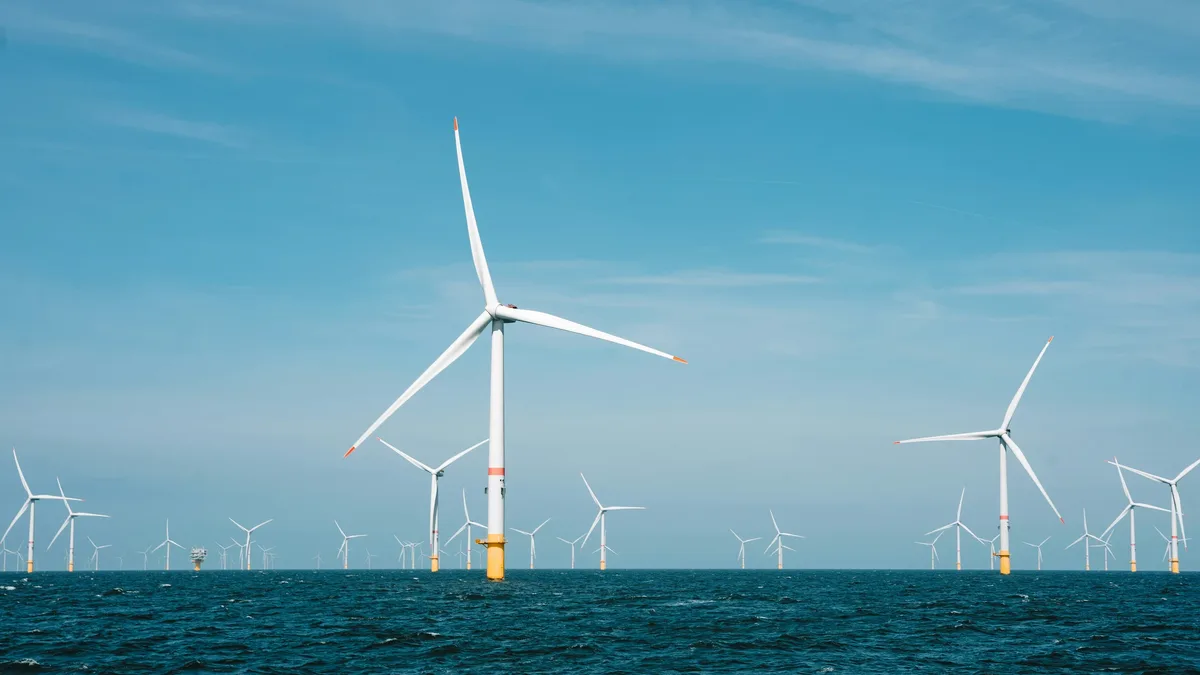
UK and Japan launch industrial compact to accelerate floating offshore wind
The UK and Japan have formalised a new Offshore Wind Industrial Compact, aiming to unlock up to £9bn in Japanese investment for 5.9GW of floating...
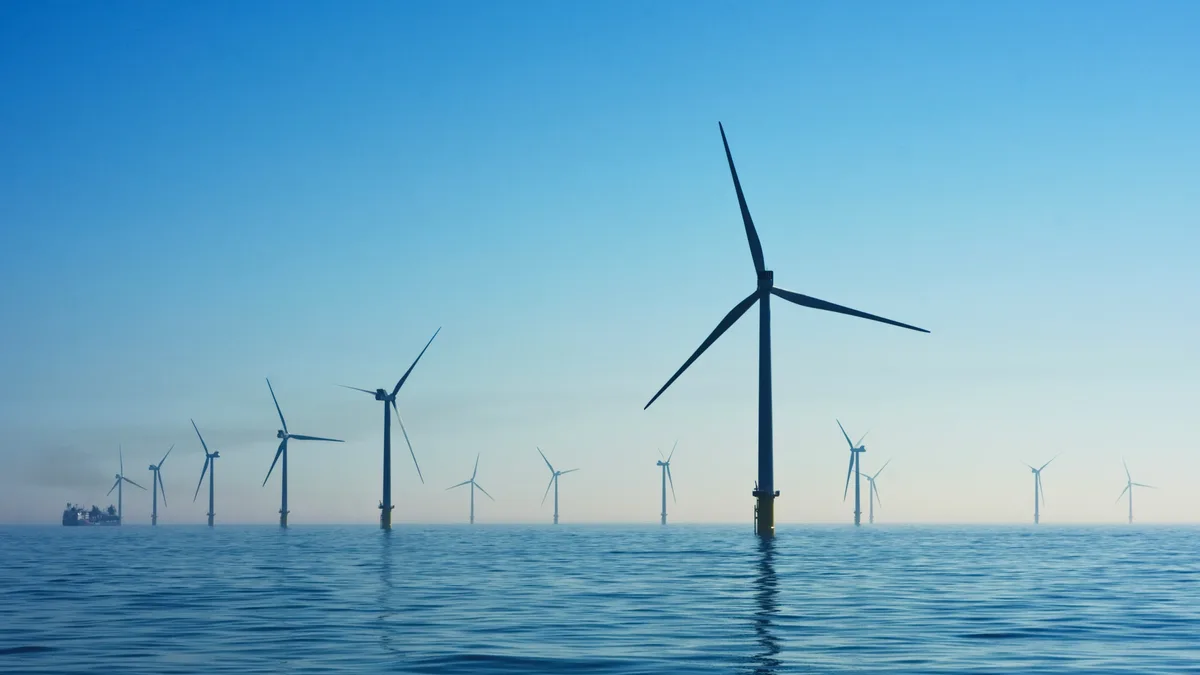
Dutch offshore wind grid connection nears completion at Maasvlakte
The final horizontal drilling operation for TenneT's underground cable route at Maasvlakte, Rotterdam, is underway, marking a critical step toward...
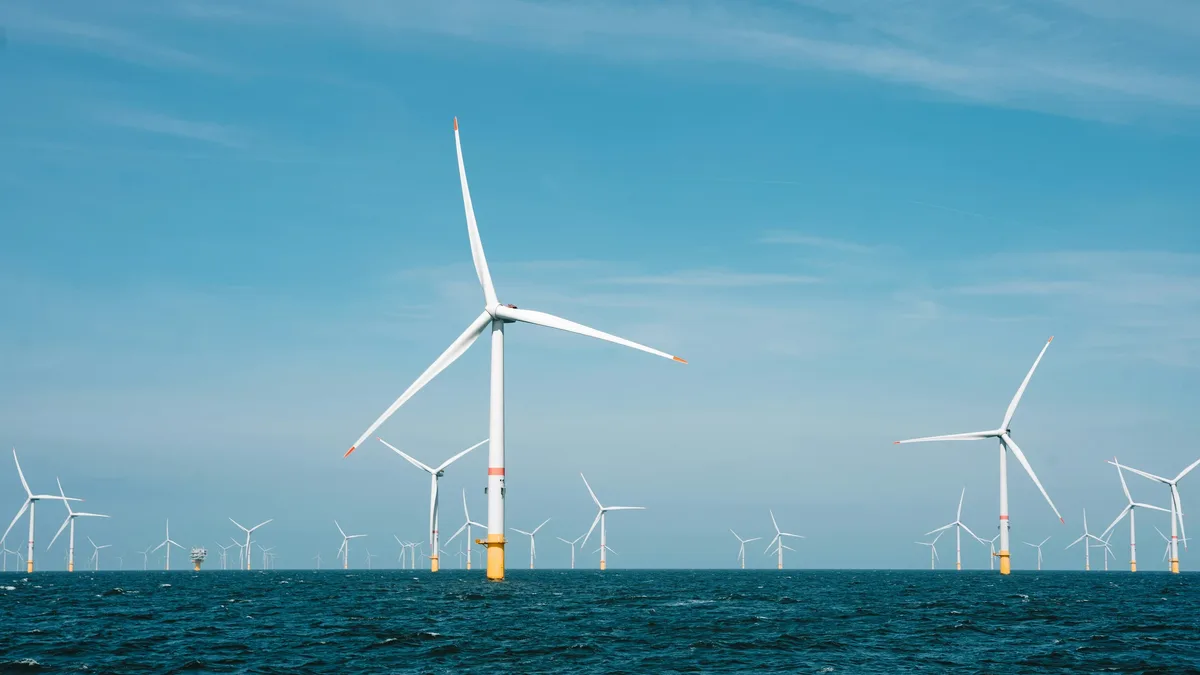
South Korea Opens 2.2 GW Offshore Wind Bidding for 2026
South Korea's Ministry of Climate, Energy and Environment has launched competitive bidding for offshore wind power contracts, targeting 2.2 GW of...
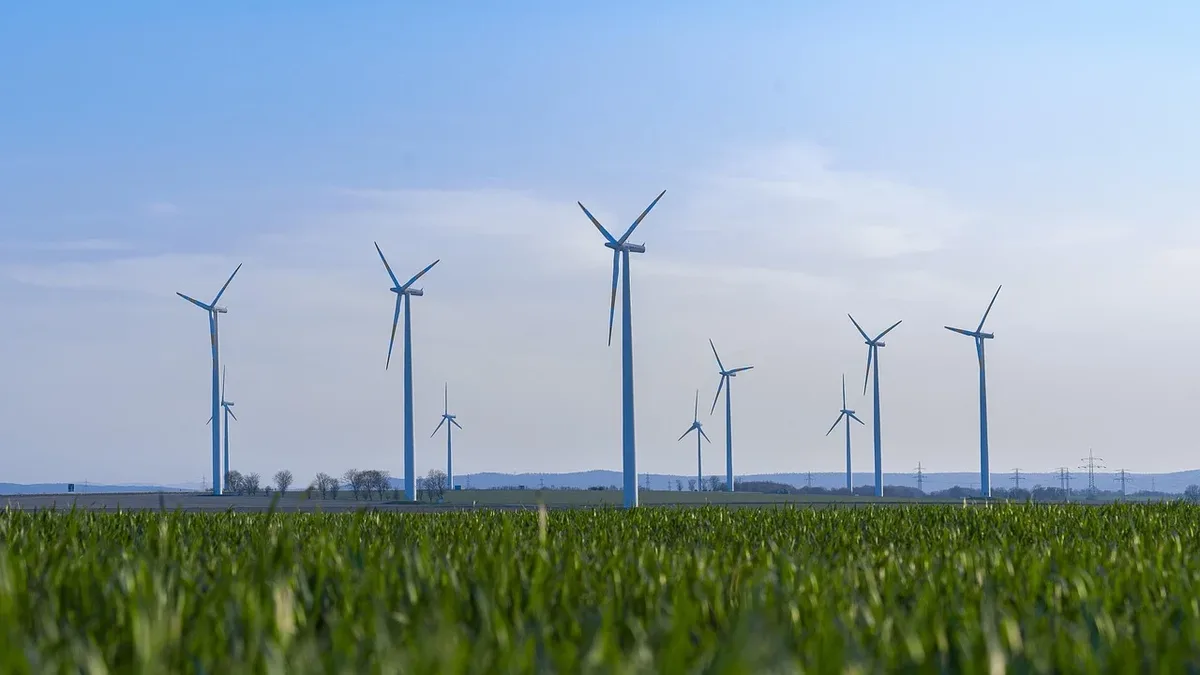
Senvion India Secures 54.6 MW Wind Project in Gujarat
Senvion India has secured a 54.6 MW wind power project order from Prozeal Green Private Limited in Gujarat, featuring 13 upgraded turbines and...
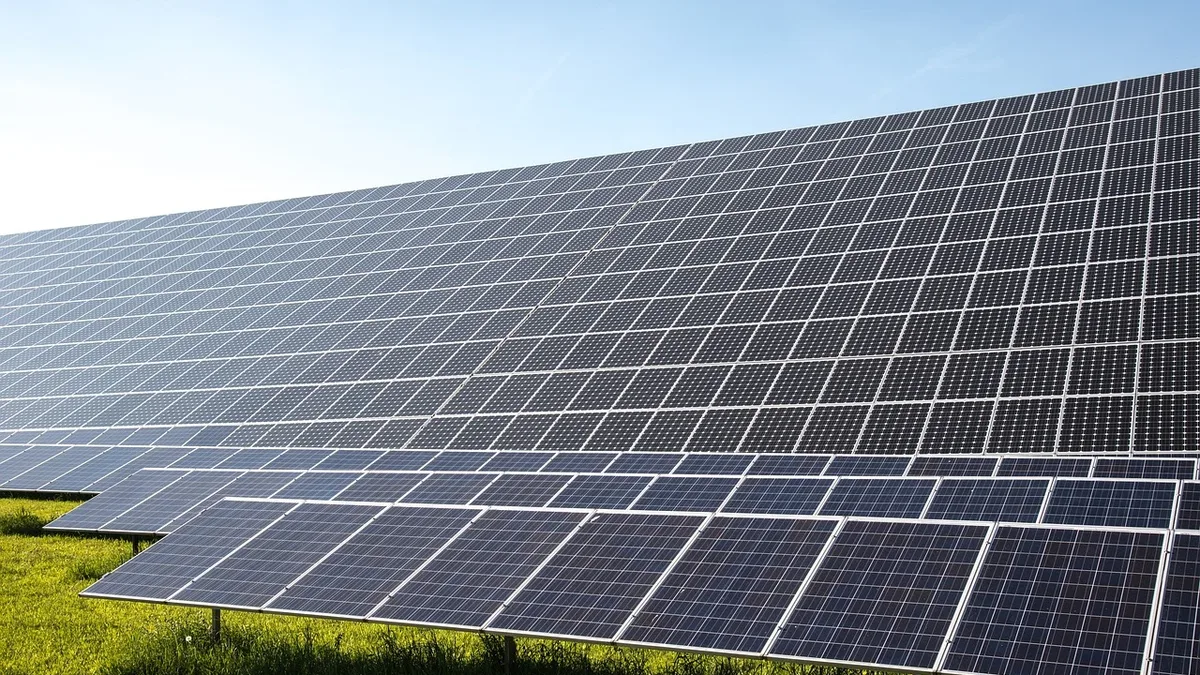
Swisspower Renewables opens Prösen solar park with battery plans
Swisspower Renewables has inaugurated the 14.5 MWp Prösen solar park in Brandenburg, Germany. The project shares grid infrastructure with an existing...
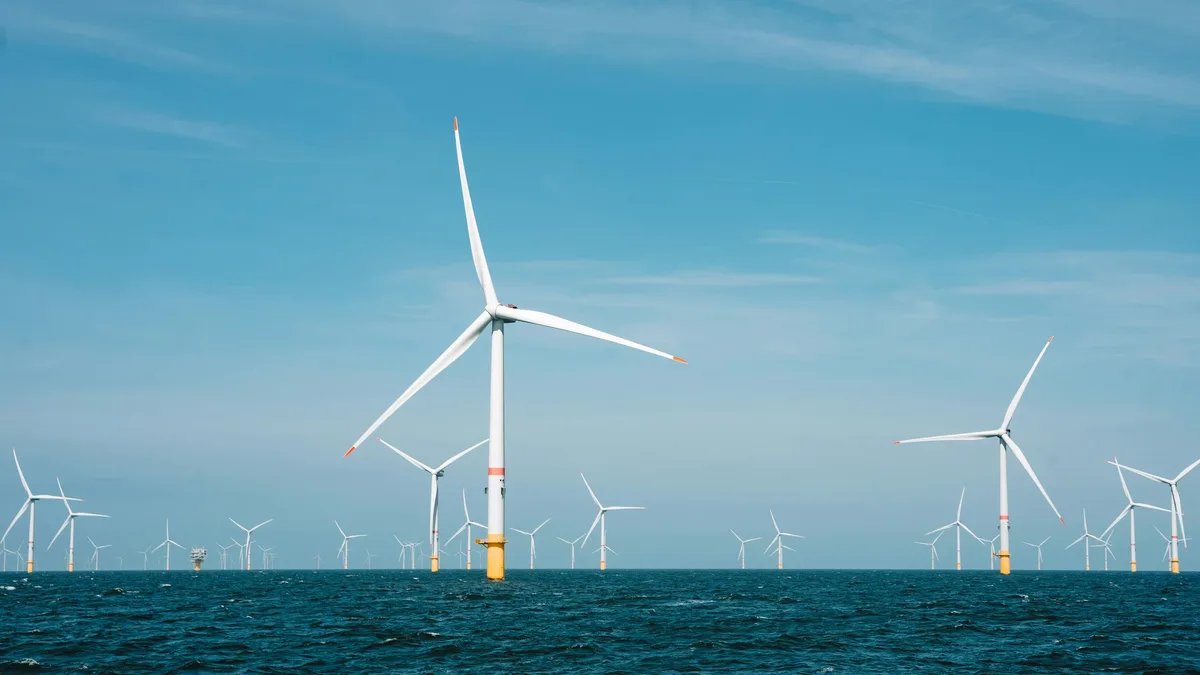
Revolution Wind faces regulatory remand as power delivery begins
The U.S. Department of Justice has moved to remand the approval for the 704 MW Revolution Wind offshore wind farm back to the Department of the...