Offshore Wind
| Country of origin | Denmark |
|---|---|
| First created | 1991 |
| Original use | Electricity generation |
| Typical location | Bodies of water, usually at sea |
| Foundation type | Fixed-foundation (shallow water), Floating (deeper water) |
| Key advantage | Higher capacity factor than onshore wind |
| Global capacity (as of 2022) | 64.3 gigawatts |
Origin and history
Offshore wind power began as a practical electricity generation technology in Denmark, where the first offshore wind farm, Vindeby, was installed in 1991. Europe led early development, and by January 2014, 69 offshore wind farms had been constructed in Europe, with total installed capacity of 6,562 MW. The United Kingdom had the largest European capacity at that point with 3,681 MW, followed by Denmark, Belgium, Germany, the Netherlands, Sweden, Finland, Ireland, Spain, Norway and Portugal. By the end of 2015, 3,230 turbines at 84 offshore wind farms across 11 European countries had been installed and grid connected, making a total capacity of 11,027 MW. Outside Europe, China set targets of 5 GW of installed offshore wind capacity by 2015 and 30 GW by 2020, and its offshore capacity increased by 832 MW in 2016, of which 636 MW were made in China. The 1.4 GW Hornsea Project Two in the United Kingdom was the world's largest offshore wind farm, while Dogger Bank and Greater Changhua were large projects in planning.
What it is for
Offshore wind power is used to generate electricity from wind farms located in bodies of water, usually at sea, and it also includes inshore areas such as lakes, fjords and sheltered coastal areas. Its main purpose is to capture higher wind speeds that tend to occur at sea because there are fewer obstacles than on land, increasing the amount of power that can be generated per wind turbine. A key operational use is to provide a higher capacity factor than most onshore wind sites, meaning an installation of given nameplate capacity produces more electricity where wind is stronger and more consistent. Most offshore wind farms use fixed foundation wind turbines in relatively shallow water, while floating wind turbines for deeper waters are in an earlier phase of development and deployment. For a project being built with this technology, the purpose is to convert offshore wind into grid connected electricity while placing the turbines away from many people and landscapes. Large projects such as Dogger Bank in the United Kingdom and Greater Changhua in Taiwan show how the technology is used to add substantial generation capacity in planned offshore wind farms.
Pros and cons
The main advantage is higher wind speed and higher capacity factor at sea, so a given nameplate capacity can produce more electricity than at most onshore sites. Another advantage is that offshore wind farms are often less controversial than onshore wind farms because they have less impact on people and the landscape. A major disadvantage is cost, because offshore wind power has historically been more expensive than onshore wind, and in 2010 the US Energy Information Agency described it as the most expensive energy generating technology being considered for large scale deployment. A 2013 review of engineering aspects, including electrical connections and converters, considered that the industry had been overoptimistic about benefits to costs and concluded that the offshore wind market did not look as if it was going to be big. Floating wind turbines for deeper water are still in an earlier phase of development and deployment, so projects that depend on them may face more technical uncertainty than fixed foundation projects in shallow water. Developers or investors may regret choosing offshore wind when they assume all offshore sites are equally suitable, when they underestimate the cost gap, or when they rely on floating technology before it is mature. The common mistake is treating offshore wind as simply onshore wind moved to sea, ignoring water depth, foundation type, electrical connections, converters and site wind quality.
Who it suits
Offshore wind suits countries and regions with access to bodies of water that have stronger and more consistent wind than nearby land. It suits shallow water sites where fixed foundation turbines can be installed with known technology, because most offshore wind farms use fixed foundations. It suits large scale electricity buyers such as national grids and utilities that need significant generation capacity away from people and landscapes. It suits developers and investors who can handle higher upfront costs, fixed foundation engineering, electrical connections and converters, and site selection based on stronger wind. It suits markets where offshore wind has become price competitive, as in Europe after 2017, but it suits them less where costs remain high and market challenges slow progress. It suits projects that are planned with realistic turbine sizes, site wind data and foundation type, rather than projects that assume floating turbines in deep water are already mature.
Latest Offshore Wind news
Latest reporting
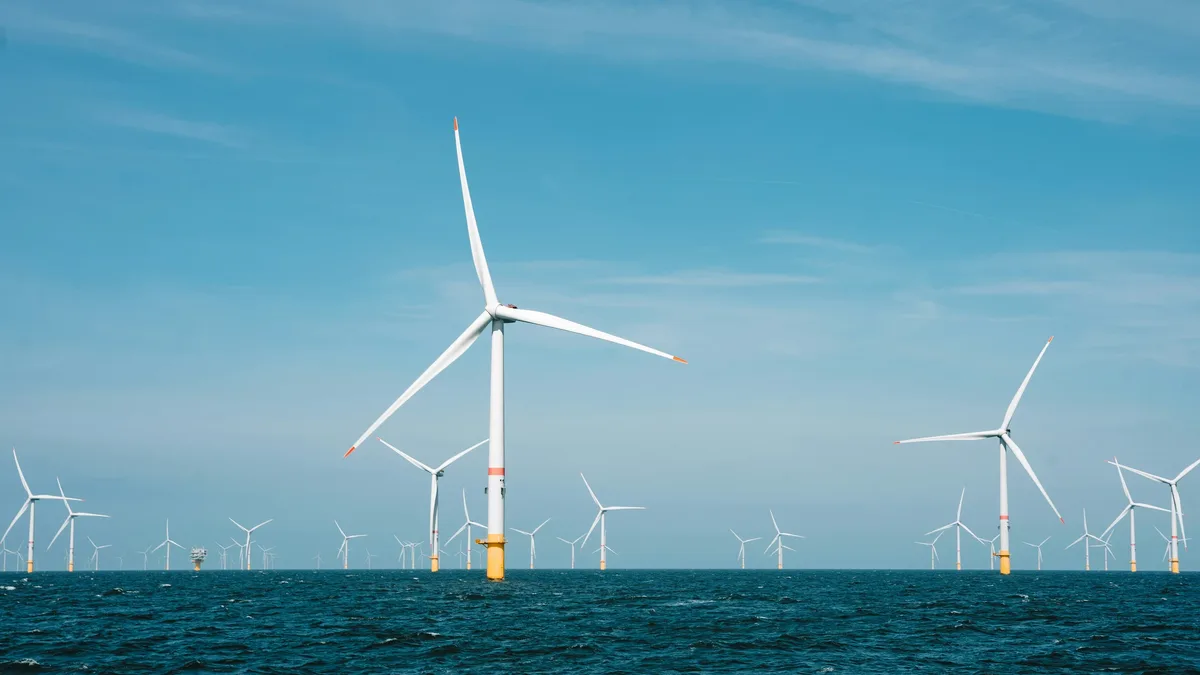
UK and Japan launch industrial compact to accelerate floating offshore wind
The UK and Japan have formalised a new Offshore Wind Industrial Compact, aiming to unlock up to £9bn in Japanese investment for 5.9GW of floating...
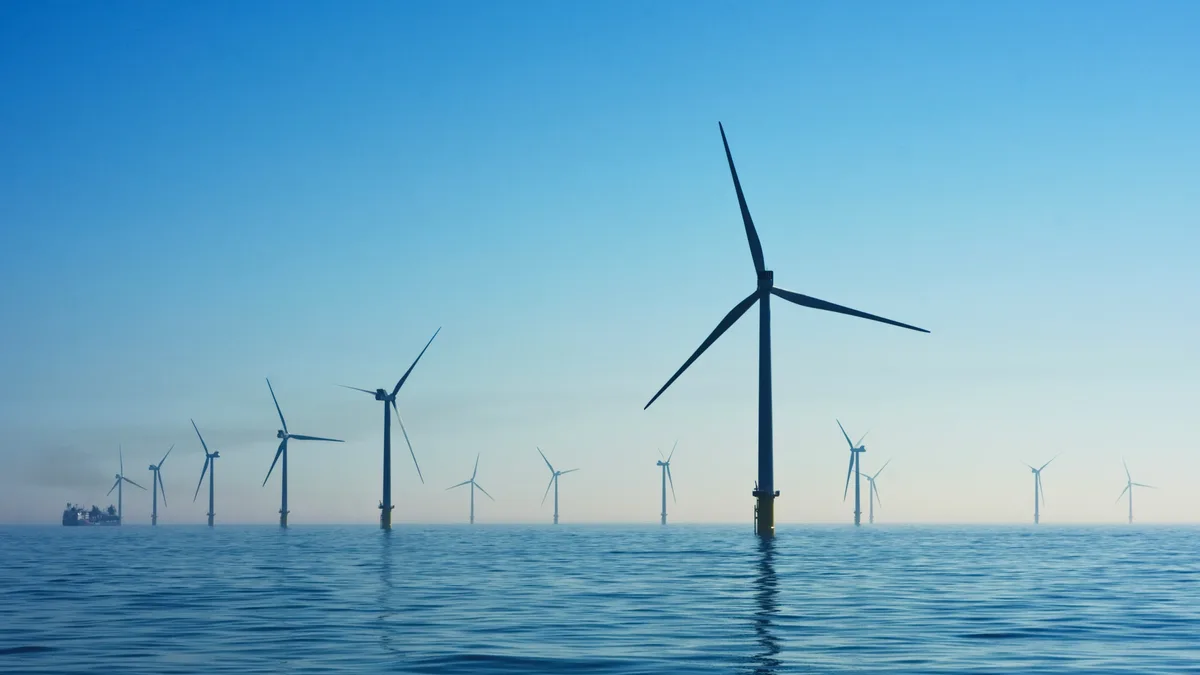
Dutch offshore wind grid connection nears completion at Maasvlakte
The final horizontal drilling operation for TenneT's underground cable route at Maasvlakte, Rotterdam, is underway, marking a critical step toward...
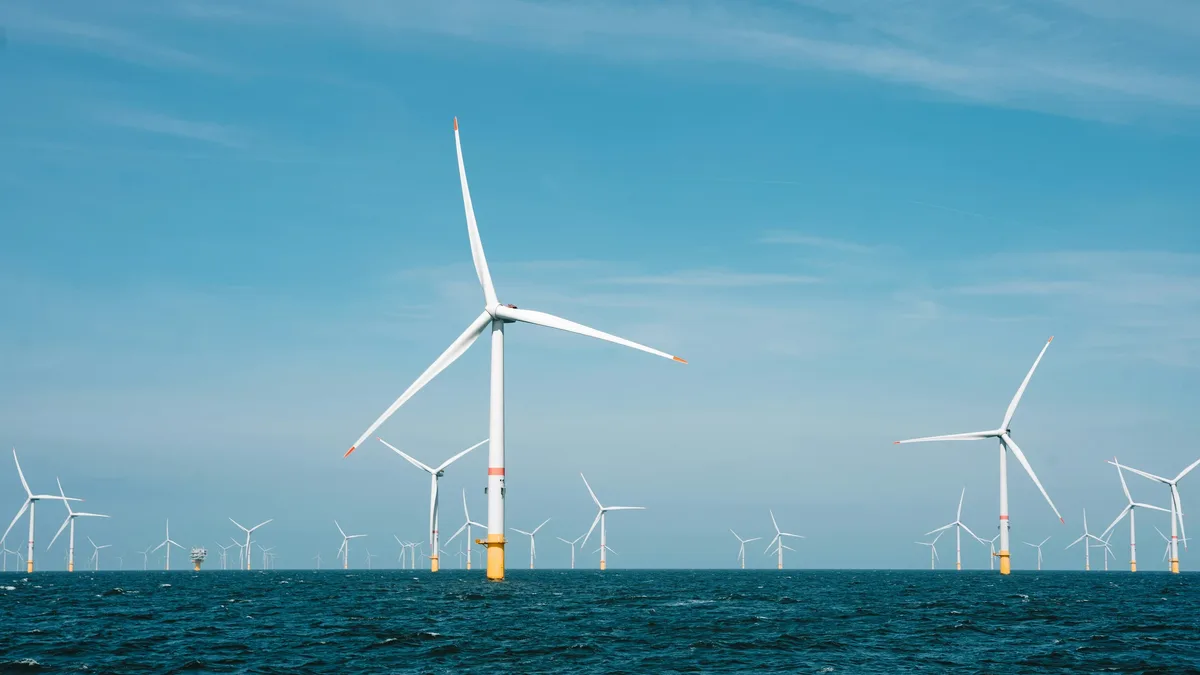
South Korea Opens 2.2 GW Offshore Wind Bidding for 2026
South Korea's Ministry of Climate, Energy and Environment has launched competitive bidding for offshore wind power contracts, targeting 2.2 GW of...
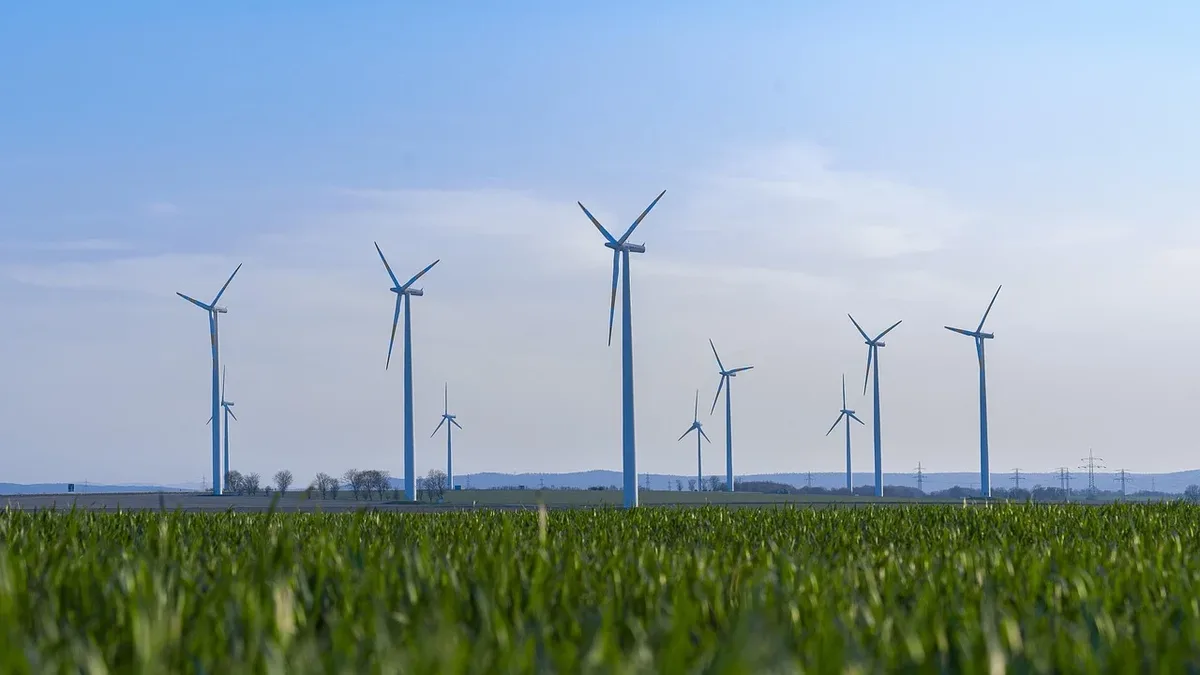
Senvion India Secures 54.6 MW Wind Project in Gujarat
Senvion India has secured a 54.6 MW wind power project order from Prozeal Green Private Limited in Gujarat, featuring 13 upgraded turbines and...
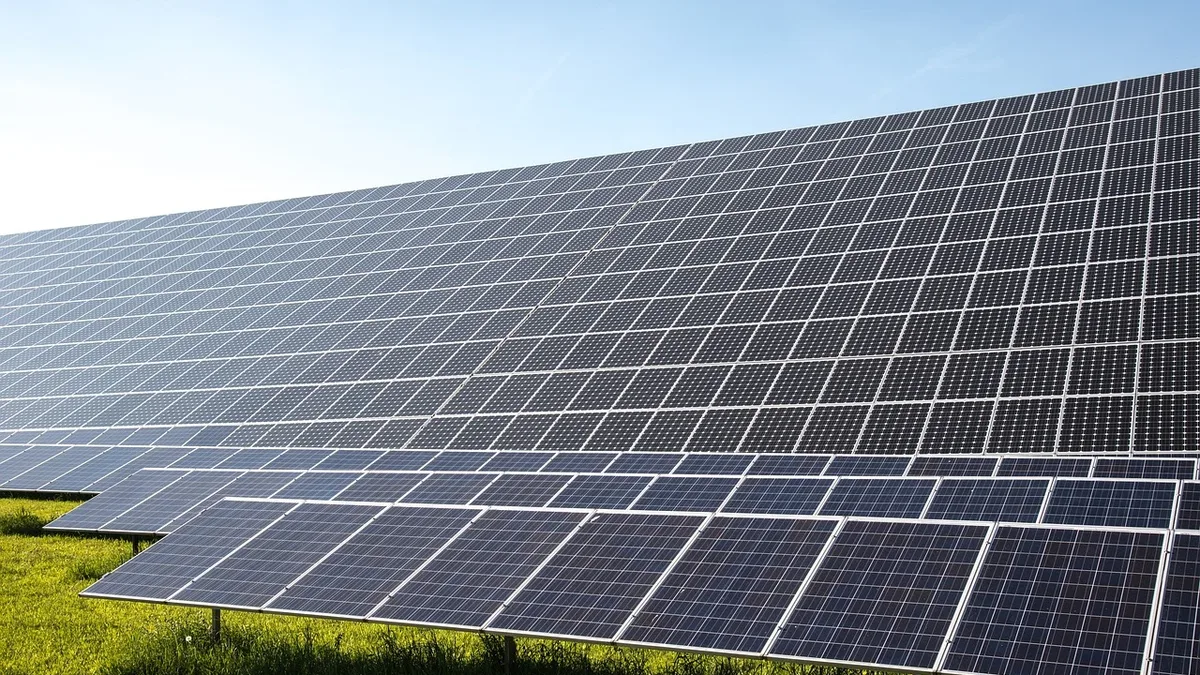
Swisspower Renewables opens Prösen solar park with battery plans
Swisspower Renewables has inaugurated the 14.5 MWp Prösen solar park in Brandenburg, Germany. The project shares grid infrastructure with an existing...
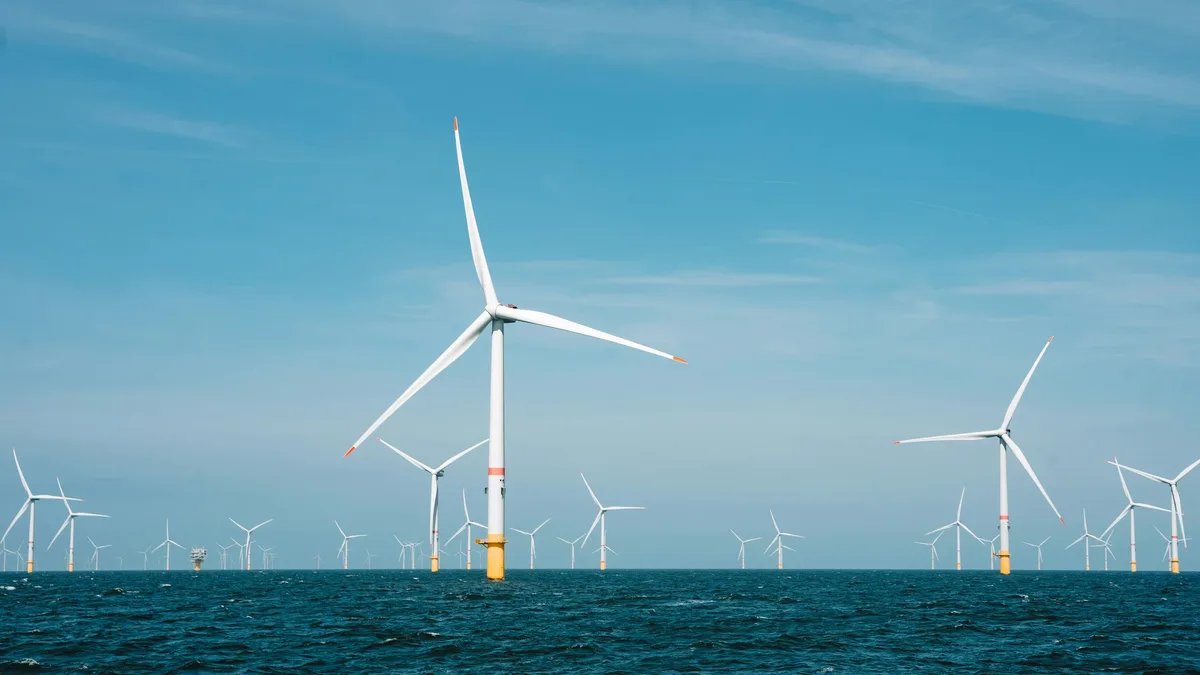
Revolution Wind faces regulatory remand as power delivery begins
The U.S. Department of Justice has moved to remand the approval for the 704 MW Revolution Wind offshore wind farm back to the Department of the...