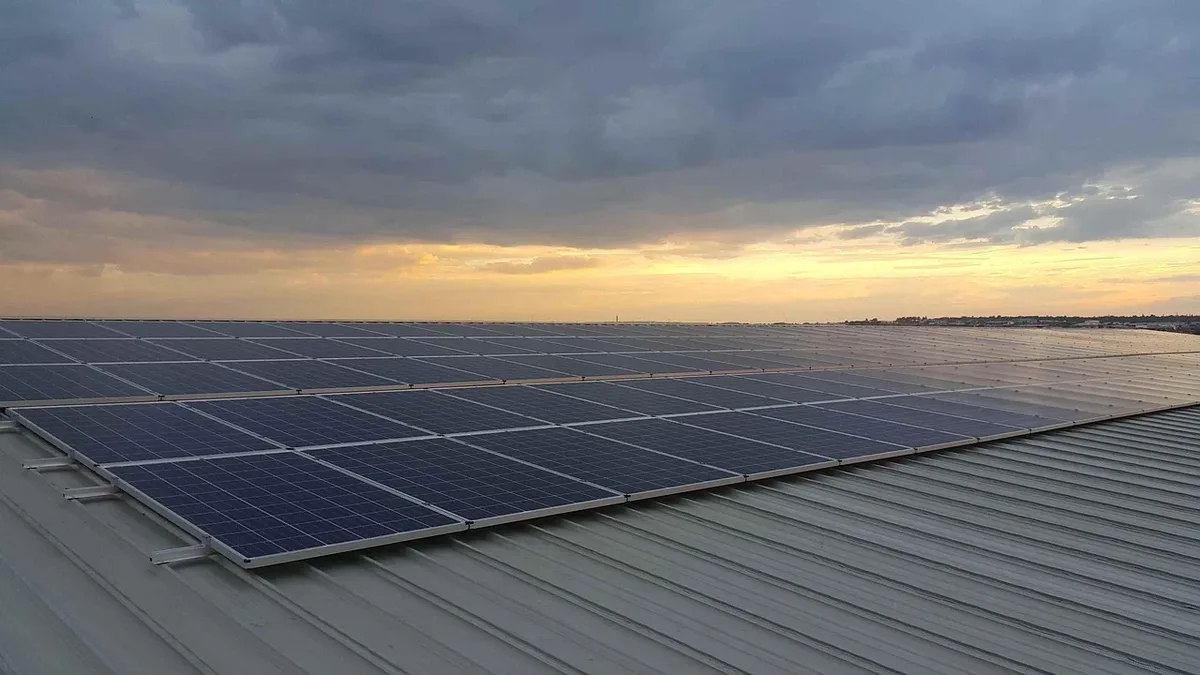
Uttar Pradesh Industries Face Solar Procurement and Financing Hurdles
Commercial and industrial consumers in Uttar Pradesh can cut electricity costs by over ₹5 per kWh with rooftop solar.
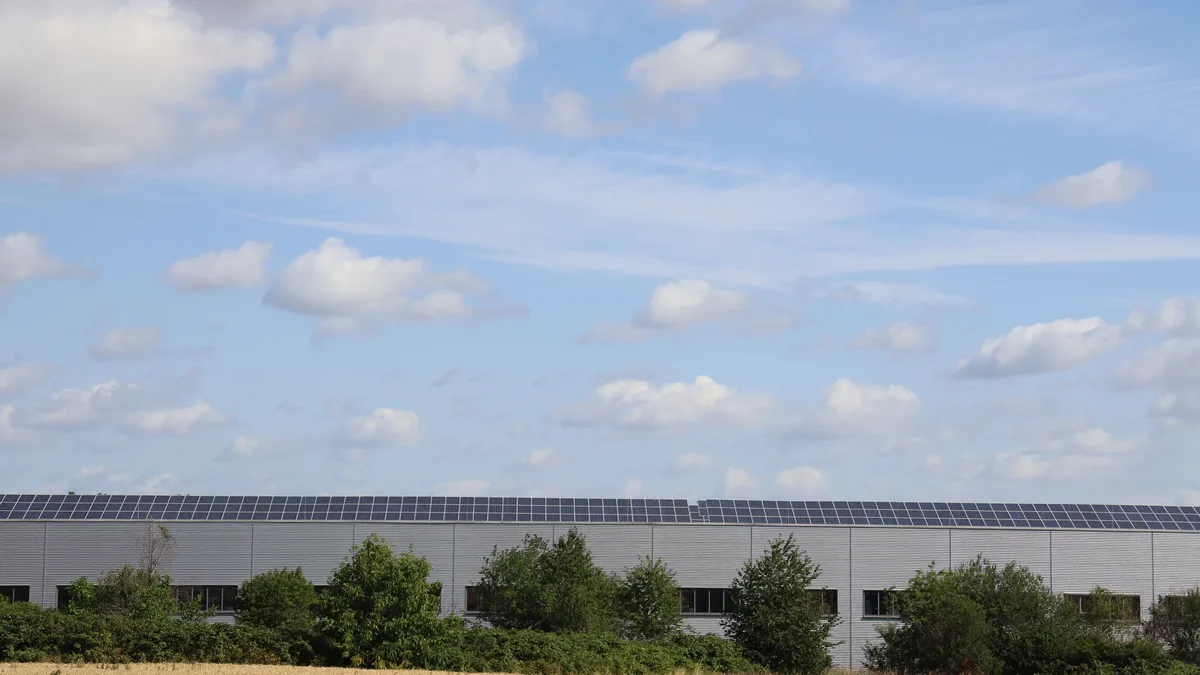
Rooftop solar in Uttar Pradesh offers significant cost savings compared to grid electricity, with a levelized cost of energy (LCOE) at ₹2-₹2.10 per kWh. Grid electricity tariffs in the state range from ₹7.2-₹7.9 per kWh for commercial and industrial consumers.
Procurement and Financing Challenges
The primary barrier to rooftop solar adoption is selecting the right procurement model. Rahul Makahaniya, Chief Marketing Officer at Soleos Energy, identified this as the key challenge, followed by financing and regulatory compliance. Businesses with weaker balance sheets may struggle to secure project financing. Companies generally prefer the CAPEX ownership model for projects below 5 MW, while larger projects often use the OPEX model where a developer owns and operates the system.
Renewable energy projects are eligible for priority sector lending under the Reserve Bank of India’s framework. Solar prices have stabilized and may rise, making timely investment important to maximize savings.
System Design and Performance Considerations
Module selection requires looking beyond initial price. Ashad Mofiz, Marketing & Communications Lead at RPSG Solvanta, stated that "module prices and rated efficiencies shouldn’t be the only criteria for procurement." He advised evaluating degradation rates, warranties, reliability, and total generation over the system’s entire life. Higher-wattage modules can deliver approximately 20% more power in certain configurations.
Actual on-site generation may be 10-15% lower than output under standard test conditions due to local irradiance and installation factors. A P90 generation assessment, which provides a more conservative output estimate, is recommended for evaluating project performance and financial risk. Module quality should not be compromised to reduce upfront costs.
Demand Alignment and Hybrid Solutions
Matching solar capacity to a consumer's electricity demand profile is critical. An oversized installation may reduce returns due to restricted or low-compensation surplus exports. Conversely, an undersized system leaves significant demand dependent on costly grid power. Mofiz recommended designing solar installations around individual consumption profiles, not standardized products.
This focus on demand is driving a shift toward hybrid models. Uttar Pradesh C&I consumers are increasingly combining rooftop solar with open access procurement to optimize costs and manage demand. Limited rooftop space and complex regulatory landscapes are key drivers. Hybrid models suit businesses with high daytime demand, particularly between 9 a.m. and 4 p.m.
EPC contractors and developers face growing demand for these hybrid solutions. Industries like paper and steel mills seek to bypass space constraints and high grid tariffs. Developers in regions like Shahjahanpur and Gorakhpur help such plants bridge generation gaps and energy requirements. Group captive arrangements have seen significant traction over the last two years.
Battery storage integration is a key differentiator in project proposals, though current economics remain a hurdle for widespread adoption. Solar-plus-storage could save 46%-50% compared to diesel generation, which costs ₹25-₹27 per kWh. However, rooftop solar-plus-storage remains economically challenging for many due to battery costs and reliance on imported components.
| Technology | Cost per kWh |
|---|---|
| Rooftop Solar LCOE | ₹2, ₹2.10 |
| Grid Electricity | ₹7.2, ₹7.9 |
| Diesel Generation | ₹25, ₹27 |
| Battery Storage (added cost) | ~₹8 |
| Renewable Electricity + Storage | ~₹13.5 |
Scalability of hybrid models hinges on policy support and falling battery costs. Industry stakeholders are calling for simplification of open access procedures to encourage participation from Micro, Small, and Medium Enterprises. The transition of C&I consumers toward self-generation and open access is a primary growth driver for the state's clean energy transition.
Regulatory and Implementation Requirements
Businesses must handle multiple regulatory steps to deploy solar projects. Uttar Pradesh allows rooftop solar installations up to 2 MW, subject to contract demand and regulations. Companies must register with UPNEDA, secure connectivity approvals from the local distribution or transmission utility, and obtain clearance from the Chief Electrical Inspector post-construction.
The applicability and expiry of exemptions under the Approved List of Models and Manufacturers (ALMM) framework should also be considered. EPCs offering end-to-end services, including regulatory compliance and PPA negotiations, are better positioned. Future adoption depends on simplification of open access regulatory procedures and the integration of smart grid technologies.
Businesses should align solar procurement models with their specific consumption profiles and explore hybrid solutions to overcome space and grid cost constraints.