India's renewable energy capacity surges past 300 GW
India's renewable power capacity has surpassed 300 GW, exceeding its 2025 climate target five years early. Solar PV is now the largest renewable source and is projected to exceed 350 GW by 2030.
India's renewable energy capacity growth has accelerated dramatically, surpassing 300 GW in 2025. This achievement nearly quadruples the country's 2015 capacity and meets its 2025 Nationally Determined Contribution target for non-fossil fuel power five years ahead of schedule. The nation is now the world's second-fastest-growing renewable energy market, with annual additions projected to stay above 50 GW through 2030.
Renewable electricity generation exceeded 500 TWh in 2025, supplying about one-quarter of total electricity. This rapid expansion has delivered substantial economic benefits. Renewable electricity helped India save more than USD 100 billion in cumulative coal and natural gas import expenditure between 2011 and 2025. Projected savings from reduced fossil-fuel imports are expected to more than double by 2030.
Solar dominance reshapes energy mix
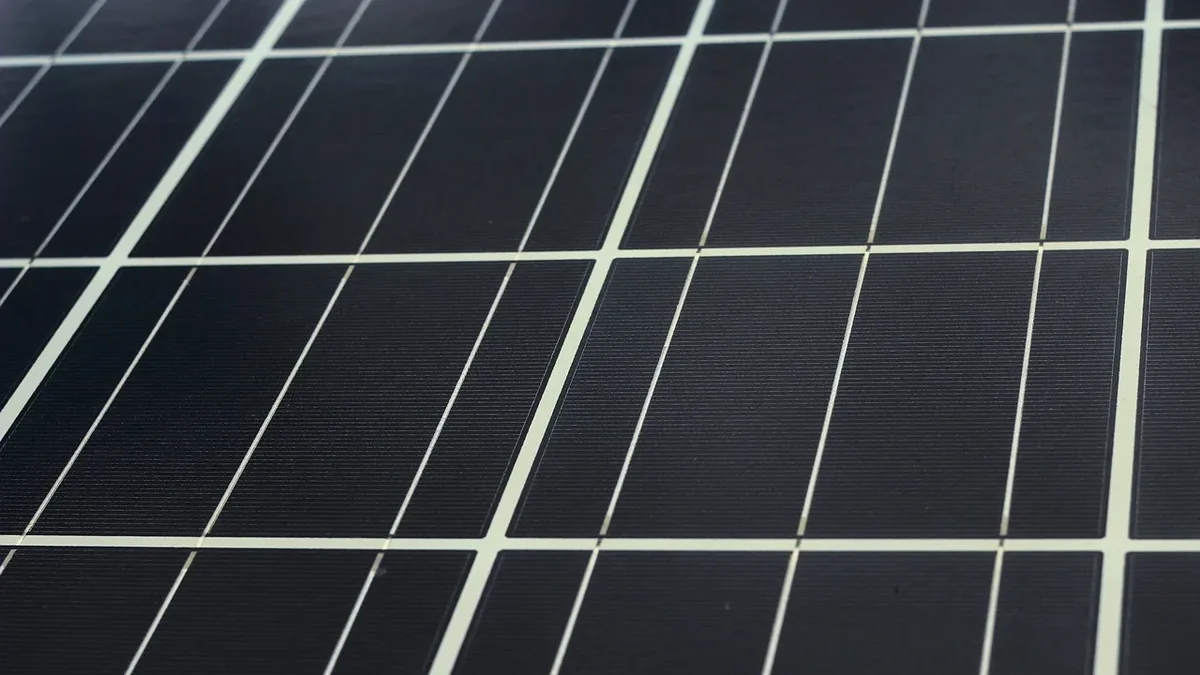
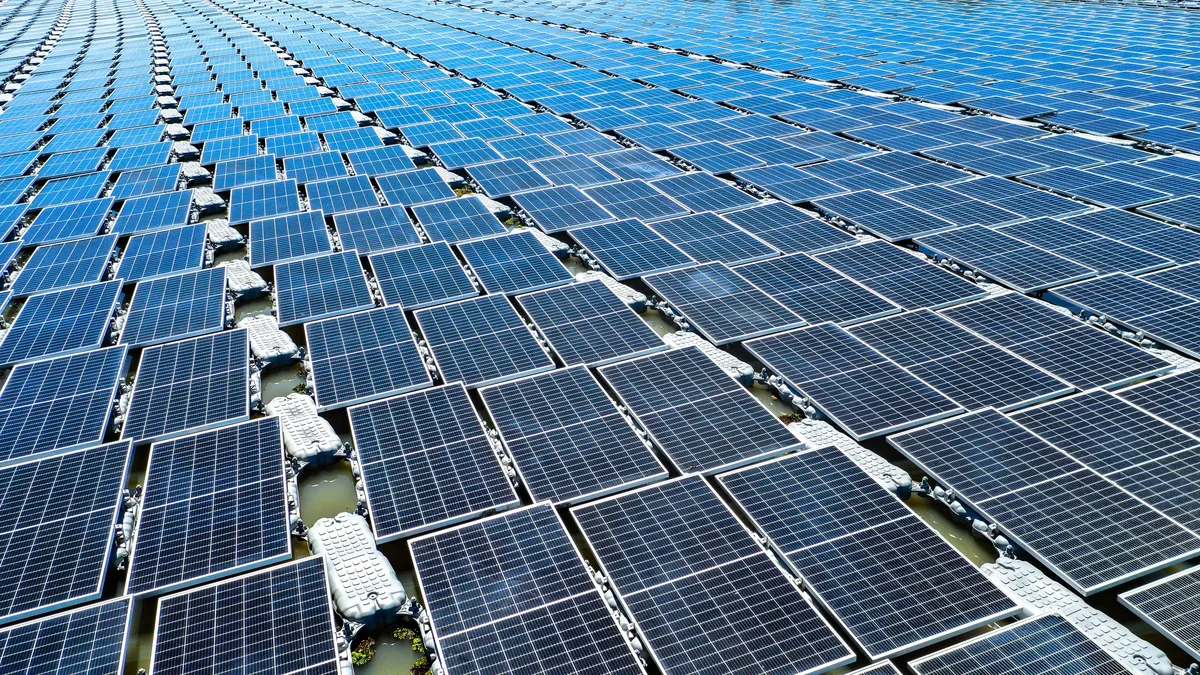
Solar PV overtook hydropower as India's largest renewable electricity source in 2025. It is projected to provide more than half of all renewable generation by 2030. Solar photovoltaic capacity makes up more than 80% of renewable deployment, led by utility-scale plants.
India's installed solar PV capacity is expected to rise 2.5 times to exceed 350 GW by 2030. This would account for over 80% of new renewable capacity additions. The country is already the world's second-largest manufacturer of solar photovoltaic modules globally, with an annual manufacturing capacity of approximately 225 GW as of September 2026. It is projected to maintain that position through 2030.
| Technology | Projected Capacity by 2030 | Key Detail |
|---|---|---|
| Solar PV | >350 GW | >80% of new renewable additions |
| Wind Power | ~90 GW | Second-largest equipment manufacturer by 2030 |
| Hydropower | 75 GW | Includes conventional and pumped storage |
| Distributed Solar PV | >100 GW | Tripling current levels for self-consumption |
Wind and hybrid expansion accelerates
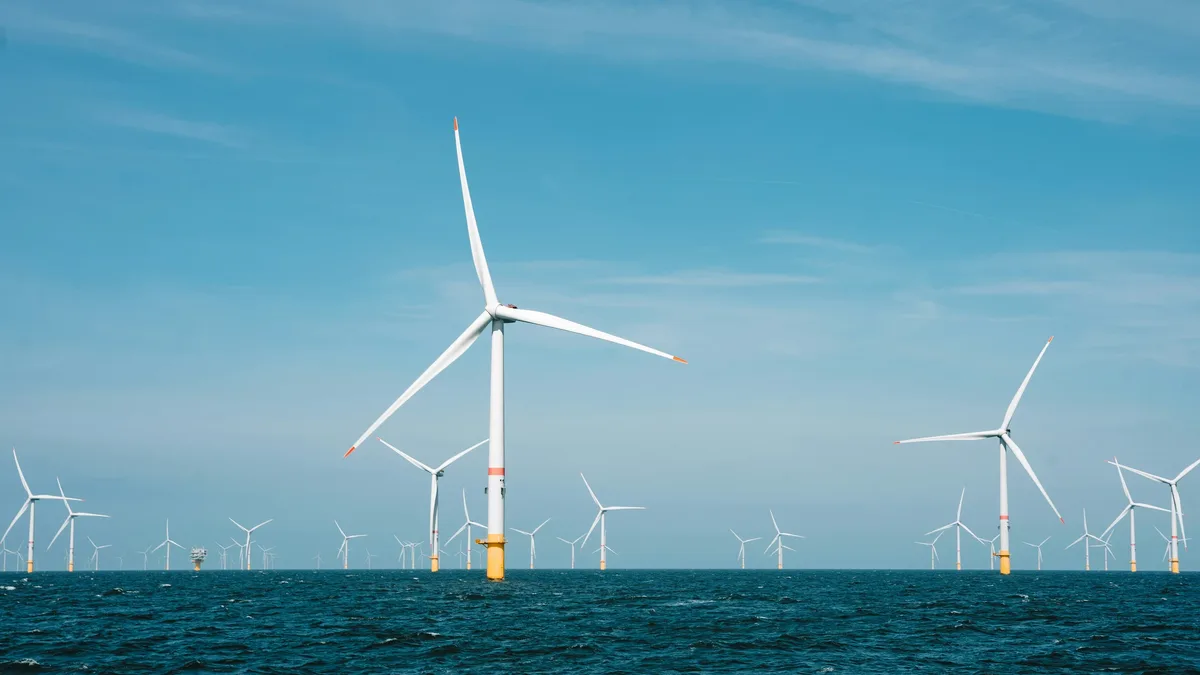
Wind power capacity is projected to approach 90 GW by 2030. India is expected to become the world's second-largest wind equipment manufacturer by that date. Hybrid projects, which combine generation sources like solar and wind, are also seeing record growth. In 2025 alone, 15 GW of hybrid projects were included in auctions, taking the cumulative total of hybrid auctions to 64 GW, the largest volume globally.
In April 2026, India submitted an updated nationally determined contribution targeting a 60% non-fossil share of installed capacity by 2035. This builds on the existing momentum. Corporate power purchase agreements are expected to underpin around 20% of utility-scale solar PV and wind capacity additions by 2030.
Economic and system transformation underway
The scale of India's renewable build-out is transforming its energy system and economy. Without the solar PV, wind and bioenergy capacity added since 2010, India's coal imports in 2025 would have been around 110 million tonnes higher. The country is also the world's fourth-largest liquid biofuel market, with production increasing sixfold between 2020 and 2025.
Future growth hinges on integrating this variable power. The share of variable renewable energy in India's electricity supply is projected to increase from around 14% to approximately 26% by 2030. Addressing grid and storage challenges could accelerate renewable power capacity deployment during 2026-2030 by more than 20%. Higher variable renewable energy penetration will require greater power system flexibility, advanced grid infrastructure, and utility-scale battery energy storage systems.
Total installed renewable power capacity is projected to reach around 530 GW by 2030. Renewable electricity generation is projected to nearly double to approach 950 TWh by 2030, meeting roughly 35% of electricity demand. Utility-scale solar PV in India has the world’s second-lowest levelised generation cost, at USD 30-35 per MWh. Tariffs for solar projects commissioned in 2025 were around 40% below the average cost of coal-fired power.
Sustained expansion will require faster investment in electricity grids, storage and system flexibility alongside stronger utility finances and fewer project delays.