USITC Clears Way for Steep Solar Tariffs on India, Indonesia, Laos
The U.S. International Trade Commission has affirmed that dumped and subsidized solar imports from India, Indonesia, and Laos injure domestic manufacturers, triggering imminent antidumping and countervailing duty orders with rates as high as 268%.
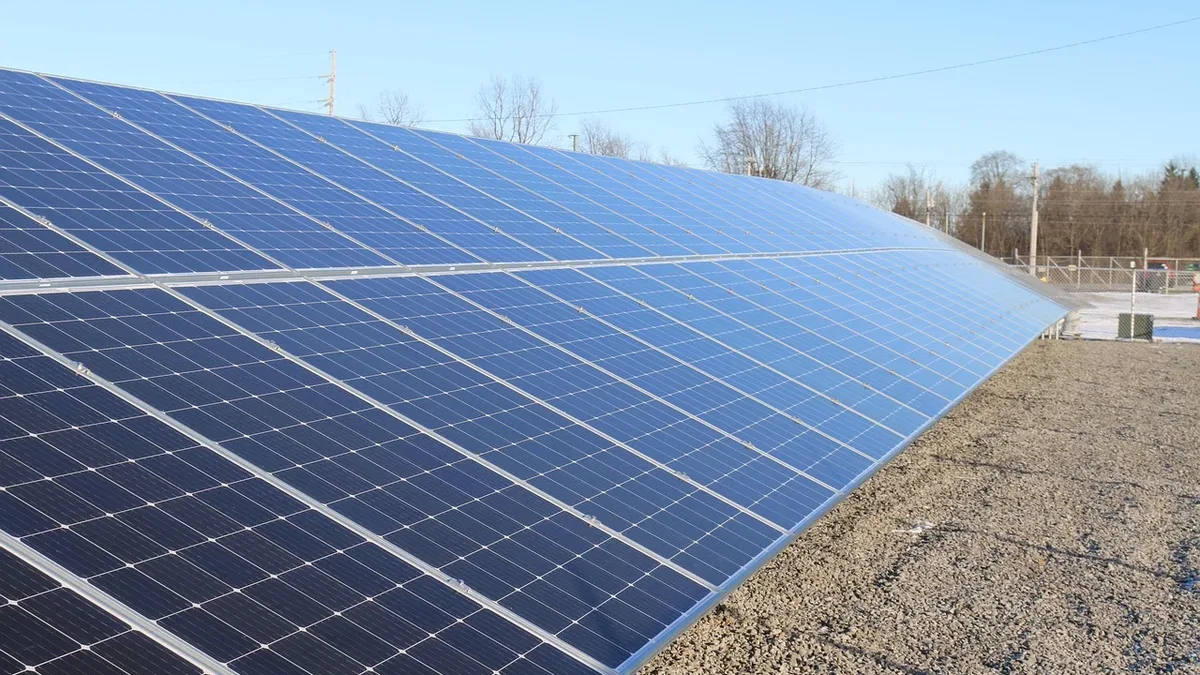
The U.S. International Trade Commission has issued an affirmative final determination that dumped and subsidized solar cell and module imports from India, Indonesia, and Laos cause material injury to domestic manufacturers. The unanimous vote concludes a 15-month investigation and paves the way for the Department of Commerce to impose steep new tariffs on November 2, 2026.
Following the ITC’s finding, the Department of Commerce will issue official AD and CVD orders in early November 2026, imposing combined tariff rates as high as 249% on Indian, 268% on Indonesian, and 219% on Laotian solar imports. U.S. Customs and Border Protection will begin collecting cash deposits on all incoming entries of these cells and modules starting November 2. The final duty margins set by Commerce last month vary significantly by country and type of violation.
| Country | Final Dumping Margin | Countervailing Duty Rate Range |
|---|---|---|
| India | 123.04% (all producers) | 126.09% |
| Indonesia | 94.36% (all producers) | 73.2% to 173.7% |
| Laos | 65.43% (all exporters) | 82.03% to 153.67% |
Background and context of the investigation
The case was initiated by a petition from the Alliance for American Solar Manufacturing and Trade in July 2025. The Alliance, a coalition represented by lead petitioners First Solar, Hanwha Qcells USA, and Mission Solar Energy, alleged that solar panel manufacturers relocated operations to India, Indonesia, and Laos to avoid existing tariffs on imports from other locations. This litigation builds on earlier Solar III duty orders targeting Southeast Asian manufacturing hubs in Cambodia, Malaysia, Thailand, and Vietnam.
Industry response and broader implications
Tim Brightbill, co-chair of Wiley Rein's International Trade Practice and lead counsel to the Alliance, said the vote confirms that U.S. solar manufacturers and workers have been harmed by dumped and subsidized imports from the three countries. He indicated that the orders strengthen fair competition at a time when the country needs more domestic energy production, and that U.S. manufacturers are prepared to compete. With these new orders, antidumping and countervailing duty measures now cover solar imports from nine countries: China, Taiwan, Cambodia, Malaysia, Thailand, Vietnam, India, Indonesia, and Laos. Commerce is also weighing tariffs on solar imports from Ethiopia and South Korea, with those investigations still ongoing.
The Commission’s full public report on the investigation will be published on the USITC website by November 23, 2026. The tariffs are governed by the Tariff Act of 1930 and will stack on top of existing executive tariffs and Section 232 minimum import price floors. U.S. Customs and Border Protection will begin collecting cash deposits on imports of solar cells and modules from India, Indonesia, and Laos starting November 2, 2026, following Commerce’s order issuance.