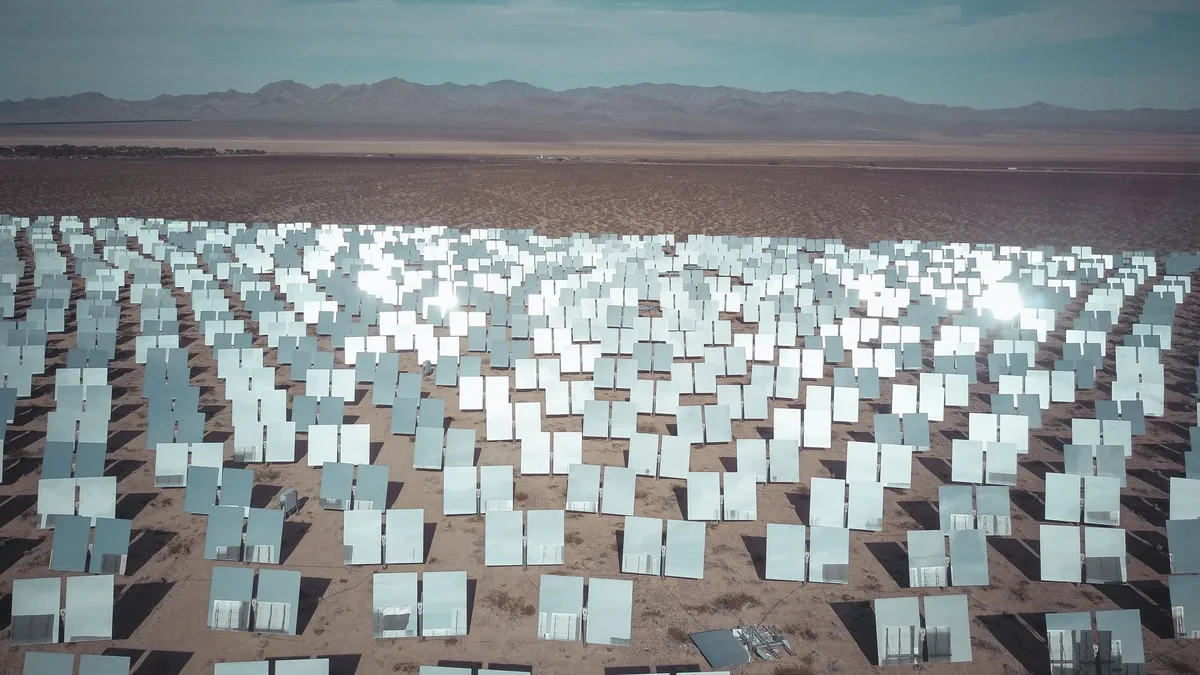
Panasonic accelerates glass perovskite solar panel production to 2029
Panasonic will begin full-scale mass production of its glass-based perovskite solar panels for building integration in April 2029, moving the start date forward from its original fiscal 2030 target.
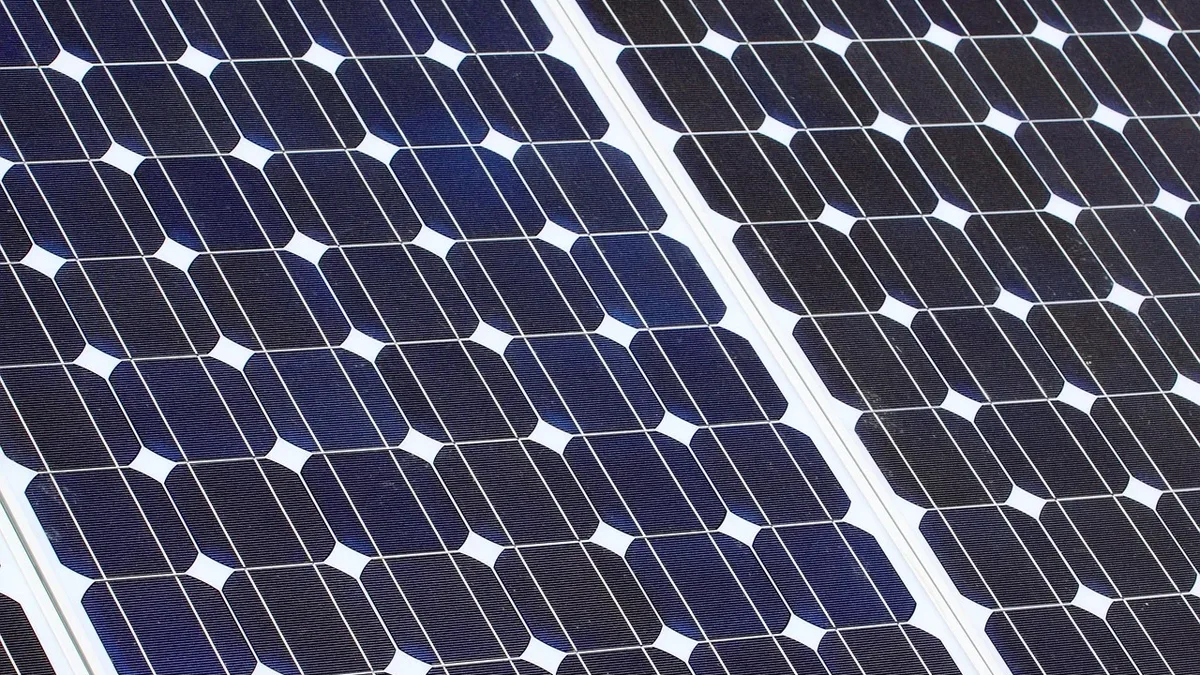
Panasonic has moved up full-scale production of its glass-based perovskite solar panels by one year. The company will now begin mass output at its Nagahama facility in Shiga Prefecture in April 2029, instead of the original fiscal 2030 plan. The announcement was made on October 20, 2026, citing technological advances and rising demand for building-integrated photovoltaics.
Pre-production and early commercialization of the technology is already underway. Panasonic began selling pre-production units from its Moriguchi development facility in Osaka in September 2026. The company has also started operating panels at a port facility in Kobe. An installation in a Hankyu Hanshin Properties building is scheduled for December 2027. The glass-based panels currently cost several times more than conventional architectural glass, though Panasonic aims to keep the initial price to no more than five times that of standard glass.
Technical specifications and BIPV applications
The panels are designed as a laminated-glass structure for integration into windows and exterior walls. They allow for customizable dimensions, transparency levels, and decorative patterns, generating power from previously unused building surfaces. Pre-production and mass-production models differ in their specific dimensions and glass thickness.
| Product Phase | Maximum Dimensions | Glass Thickness Configurations | Key Features |
|---|---|---|---|
| Pre-production (from Sep 2026) | 1.8 m × 1.0 m | 3+3 mm or 6+6 mm | Supports float glass, high-strength glass, custom designs |
| Mass production (from Apr 2029) | 1.8 m × 1.2 m | 4+4 mm and 5+5 mm | Laminated insulating glass, tempered glass option |
The technology, branded Eneface, applies a power-generating perovskite layer directly to the glass using proprietary inkjet coating and laser processing. Panasonic developed the technology for over a decade, achieving an 18.1% efficiency for an 802 cm² device in 2023 tests. Both product generations comply with Japanese building standards and have passed relevant international electrical safety tests.
Industry context and competitive landscape
Perovskite solar cells are emerging as a next-generation technology with potential for high efficiency and building integration. Recent research milestones include a world-record certified stabilized efficiency of 23.5% for a large-area submodule, achieved by researchers from UNSW Sydney and UTMO Light. Another group at IIT Guwahati claimed a 25.73% efficiency using a formamidinium-based semiconductor.
The competitive landscape in Japan is intensifying. Sekisui Chemical commercialized its perovskite film technology in 2026 and plans a 100-megawatt annual production line in fiscal 2027. Kaneka aims to begin sales in fiscal 2028. This activity aligns with Japanese government policy, which set a target of deploying 20 gigawatts of perovskite solar capacity by 2040. The government also aims to reduce production costs to 14 yen per watt by 2030 and 10 yen per watt by 2040, introducing subsidies for early deployment in September 2025.
Panasonic is pursuing this technology under its long-term Technology Future Vision. The company was selected for a Green Innovation Fund project by NEDO in September 2025 to advance perovskite solar cell development. Full-scale production will commence at the new Nagahama facility in April 2029.