Trina Solar
| Generation technology | Crystalline silicon photovoltaic (PV) modules |
|---|---|
| Project type | Utility-scale solar power plants, commercial & industrial (C&I) installations, residential systems |
| Module types | Monocrystalline, bifacial, N-type, TOPCon |
| Typical power output per module | Ranges from 400W to over 700W |
| Manufacturing integration | Vertically integrated from ingot and wafer to cell and module assembly |
| Headquarters | Changzhou, Jiangsu, China |
| Founded | 1997 |
Overview
Trina Solar is a solar photovoltaic company that develops and manufactures modules and related power generation products. Its core business is supplying equipment used to convert sunlight into electricity. The company is part of the global solar supply chain rather than a single power plant owner or operator. It works with developers, installers, distributors, utilities, and project owners that build solar generation facilities. In a project context, Trina Solar is usually one component supplier among many, including inverters, mounting systems, trackers, cables, and engineering services. Its relevance to a solar project depends on module quality, warranty support, bankability, logistics, and compatibility with the rest of the system.
History
Trina Solar was founded in China in 2004, with its origin commonly placed in Changzhou, Jiangsu province. It emerged during a period when solar manufacturing was expanding rapidly in Asia and Europe. The company initially focused on solar modules and later broadened into related photovoltaic products and project development activities. During the 2010s, it became one of the better known module manufacturers in international solar markets. It also became involved in public capital markets, including listings and corporate restructuring in later years. Its history reflects the broader shift of solar manufacturing from a small niche industry to a large, global, and highly competitive supply chain.
How it works today
In current operations, Trina Solar functions as a manufacturer and supplier of photovoltaic modules and supporting products for solar projects. Its modules are produced in factories and then distributed through direct sales, distributors, and project channels. The company supports different market segments, including utility-scale plants, commercial roofs, industrial sites, and residential installations. Product development focuses on module efficiency, reliability, temperature performance, shading tolerance, and compatibility with mounting and electrical systems. Project buyers usually assess Trina Solar through technical datasheets, warranty terms, certification status, supply reliability, and past field performance. The company does not by itself determine whether a solar project succeeds, because project performance also depends on design, construction quality, site conditions, and operation.
Why it matters
Trina Solar matters because it is a supplier whose modules can shape the cost, schedule, and technical profile of a solar generation project. A well specified module from a major manufacturer can reduce procurement risk and simplify financing review. The company also reflects the industrial scale that has made photovoltaic power more widely available. Its presence in the market shows how solar technology has moved from experimental installations to mass manufactured energy equipment. For project owners, the value of Trina Solar depends less on brand alone and more on whether its products fit the engineering, warranty, and commercial requirements of the site. For the wider energy system, companies like Trina Solar are part of the supply chain that enables large solar plants to be built at predictable scale.
Common misconceptions
A common misconception is that Trina Solar is itself the owner or operator of the solar projects using its modules. In many cases, it is an equipment supplier, while the project is developed and operated by another company. Another misconception is that choosing a well known module brand automatically guarantees a successful project. Site design, construction quality, grid connection, maintenance, and financial arrangements still determine real outcomes. Some people also assume that all modules from a large manufacturer are identical in performance and suitability. In practice, different product families can have different cell technologies, frame options, warranty terms, and electrical characteristics. Finally, Trina Solar is sometimes confused with a solar installation contractor, but installation work is usually performed by engineering, procurement, and construction firms.
Latest Trina Solar news
Latest reporting
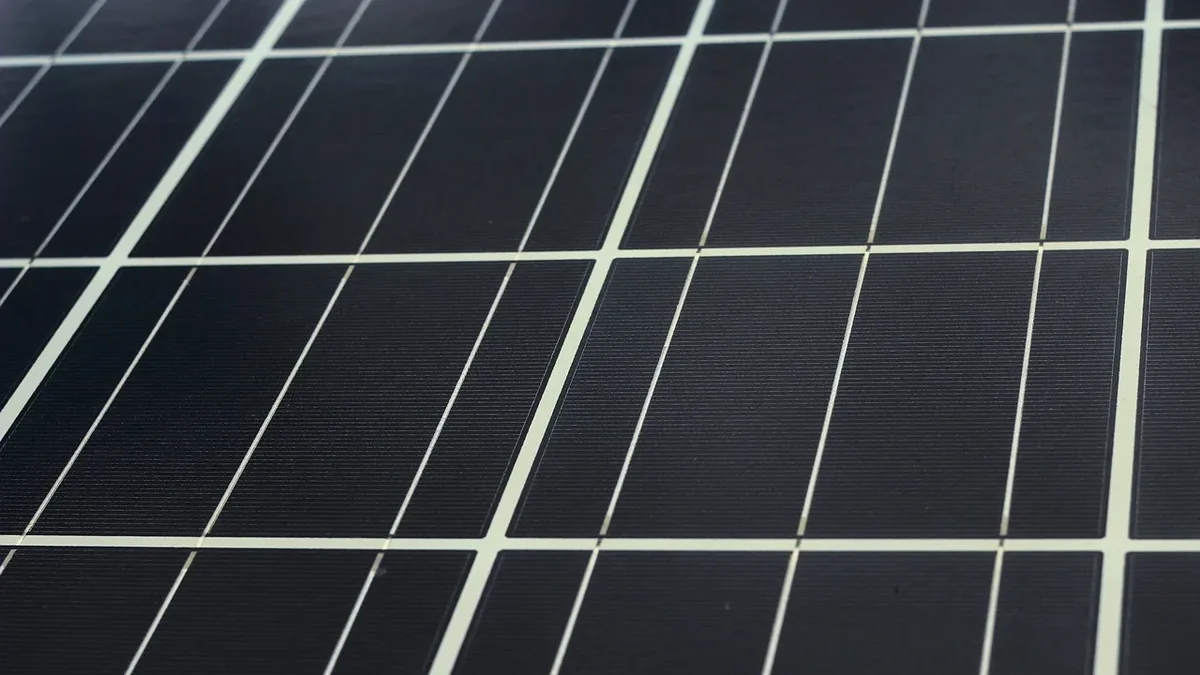
Emulsion buffer layer mitigates screen printing degradation in copper-plated HJT solar cells
Researchers at LONGi Green Energy Technology have developed an emulsion buffer layer that prevents screen mesh contact, limiting efficiency...
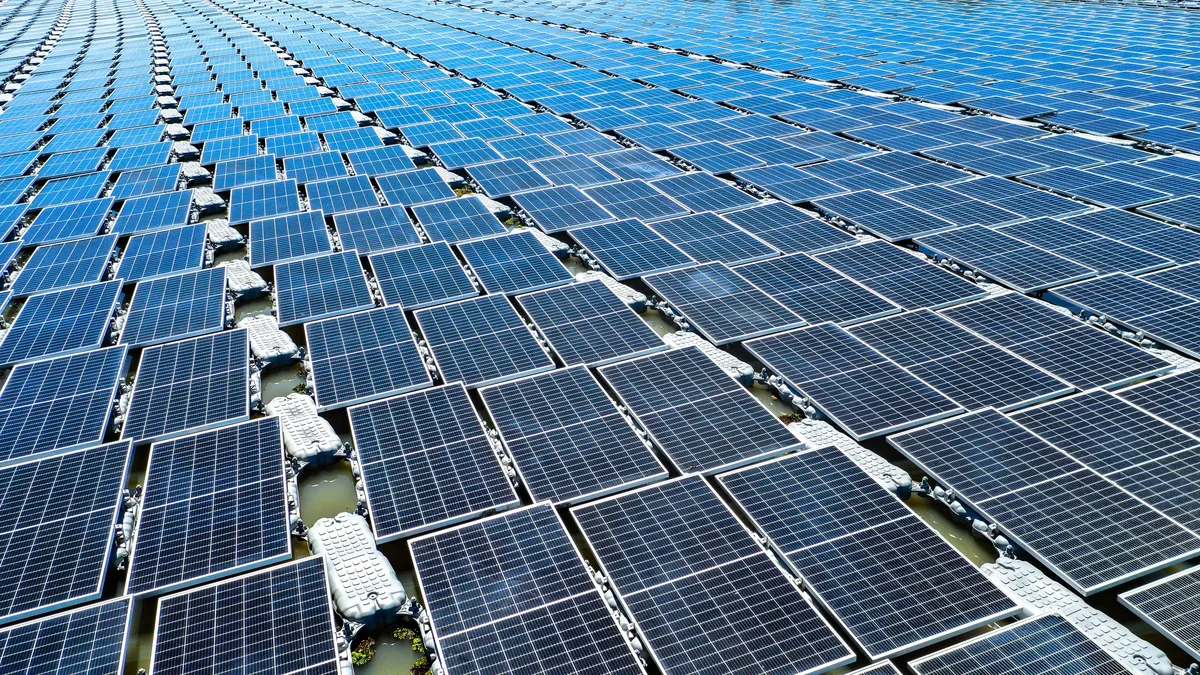
Shinsung E&G launches bifacial solar modules for ground and floating PV
Shinsung E&G has introduced two new series of high-power bifacial TOPCon solar modules, designed for ground-mounted and floating photovoltaic...
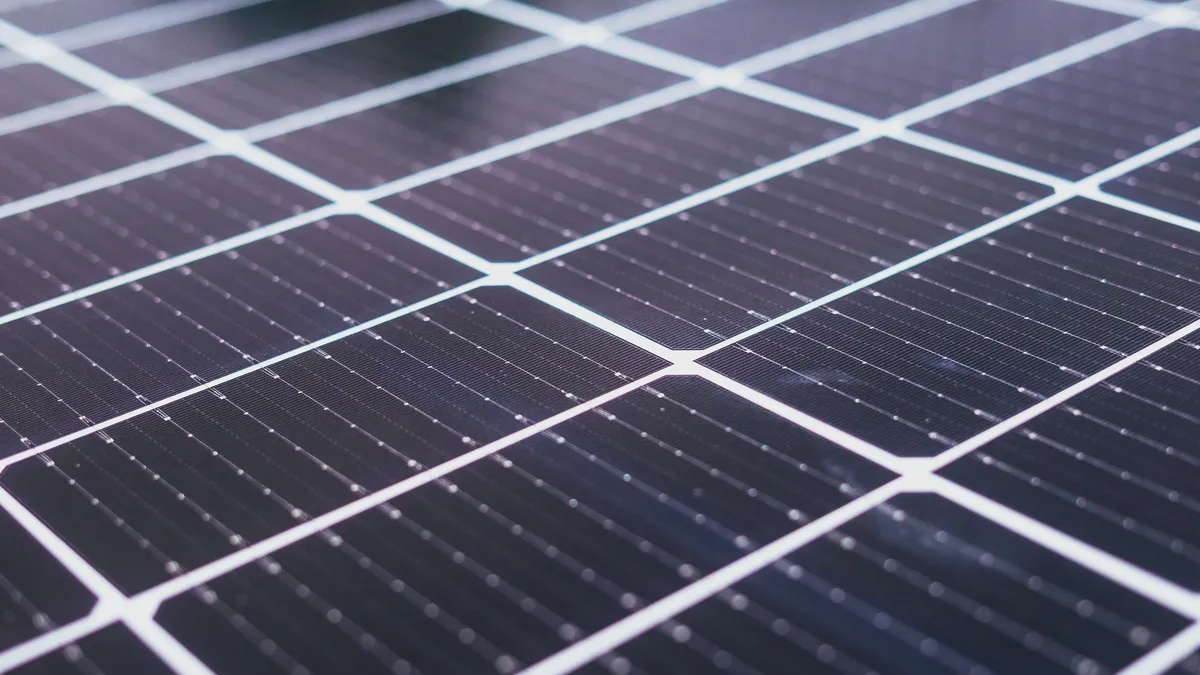
SolarEdge shuts down Australia and New Zealand operations
SolarEdge is ending direct sales and local operations in Australia and New Zealand, with a final order deadline of 20 November 2026. Support will...

SunDrive and Space Machines Company develop Australian solar arrays for spacecraft
Australian companies SunDrive and Space Machines Company are collaborating to develop lightweight, copper-based solar arrays for spacecraft, aiming...

Corporate PPA market cools as hybrid solar storage deals emerge
Corporate renewable energy procurement in Europe is declining, with PPA volumes down 9.7% in 2026. Buyers are increasingly turning to complex hybrid...
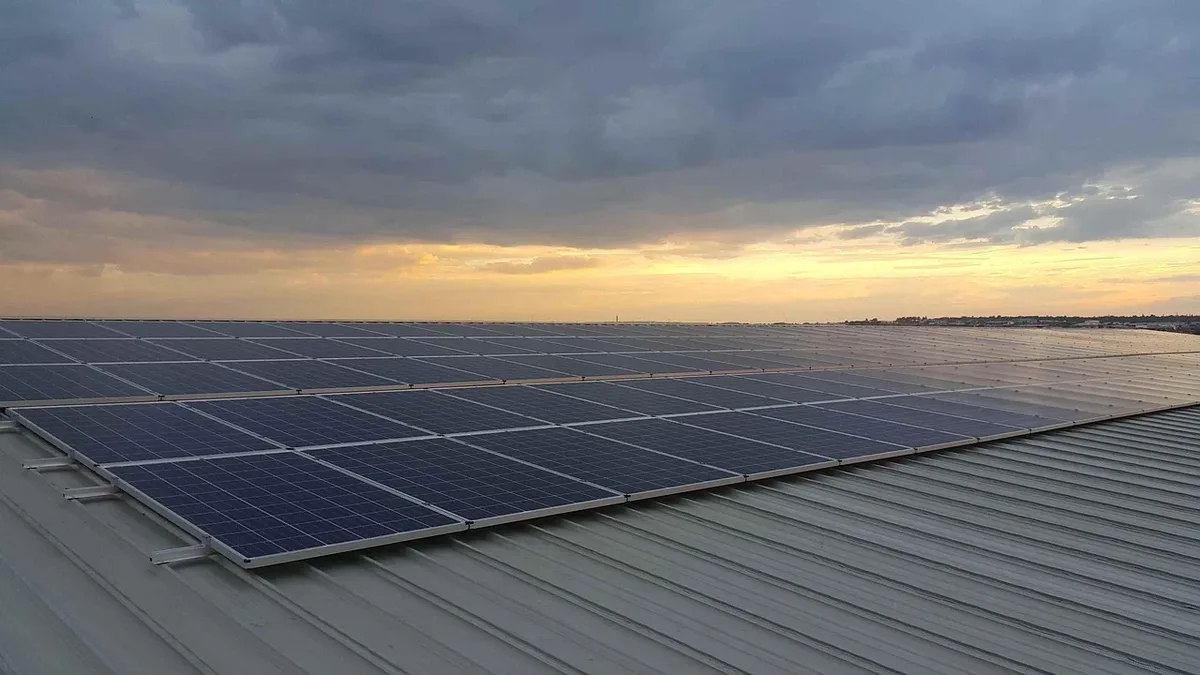
RadianX scales perovskite solar production after TÜV certification
RadianX secured $9 million and a manufacturing partnership to scale production of its TÜV-certified perovskite solar modules, targeting low-light...